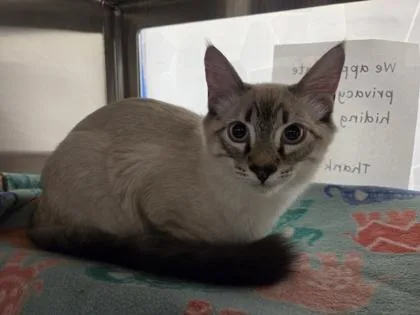
Canadian Hairless Cats for Adoption in Seattle, WA

Your guide to finding and caring for a Canadian Hairless in Seattle

A Canadian Hairless suits Seattle's apartment neighborhoods well, because this is a cat that belongs indoors. The breed is better known as the Sphynx, and it's happiest on a warm lap, which is easy to find in a Belltown high-rise or a Columbia City townhome. Expect to set up a heated bed for the damp months and a sunny, window-filtered perch for the rest. These cats want company and play more than space, so they do best with someone home a good part of the day.

16 cats similar to Canadian Hairless available in Seattle and nationwide

Bring home a Canadian Hairless

While we don't have enough cats near Seattle, keep in mind that many rescues may offer transport.

Canadian Hairlesses and Similar Breeds Available for Adoption Near Seattle

About the Canadian Hairless breed

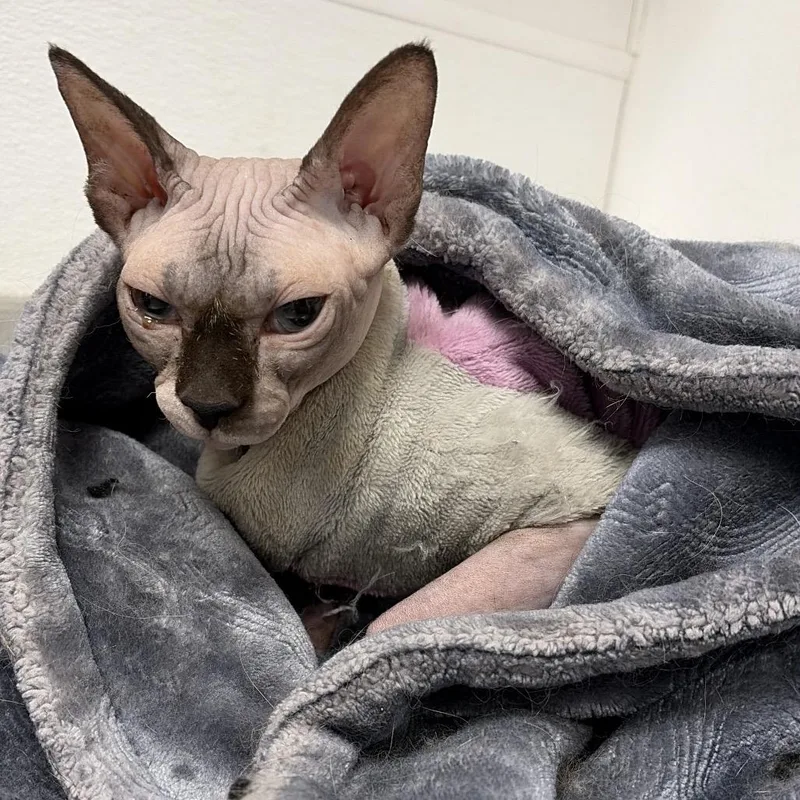
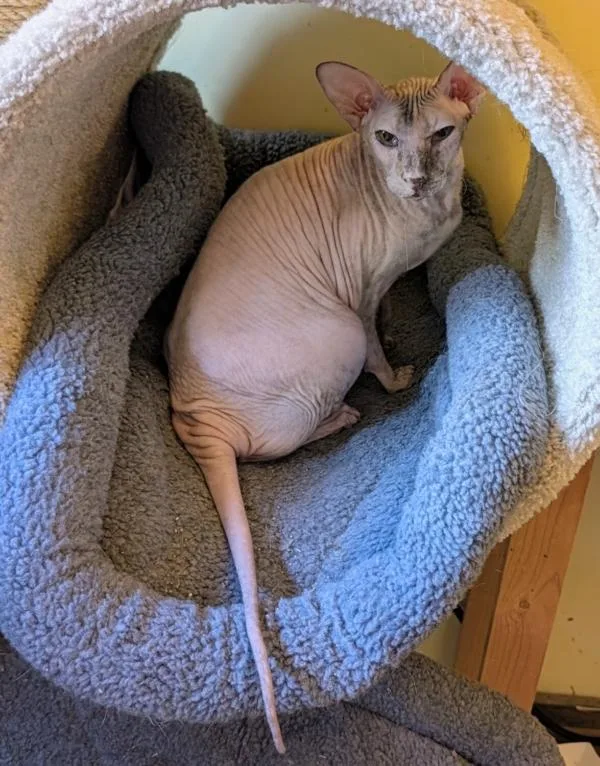
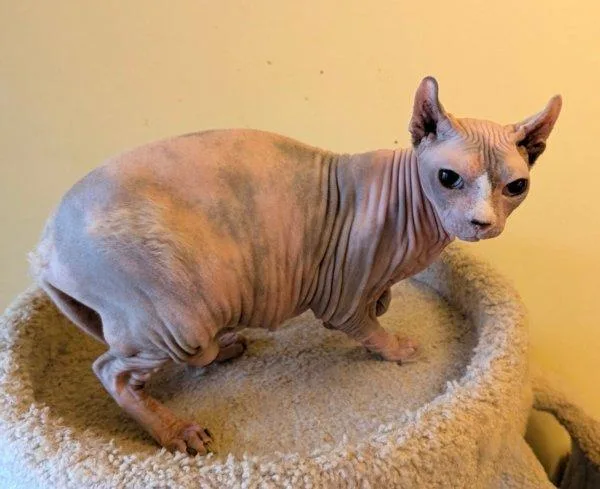
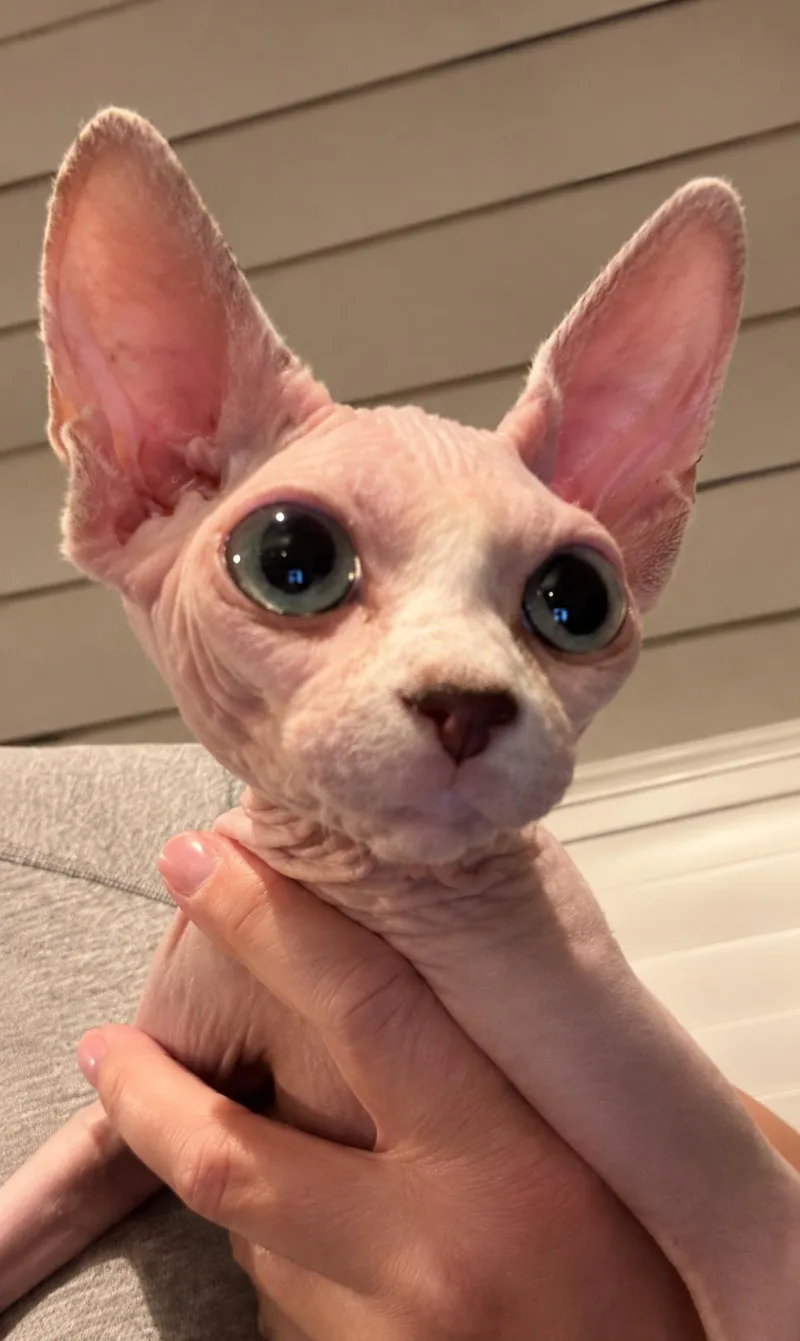
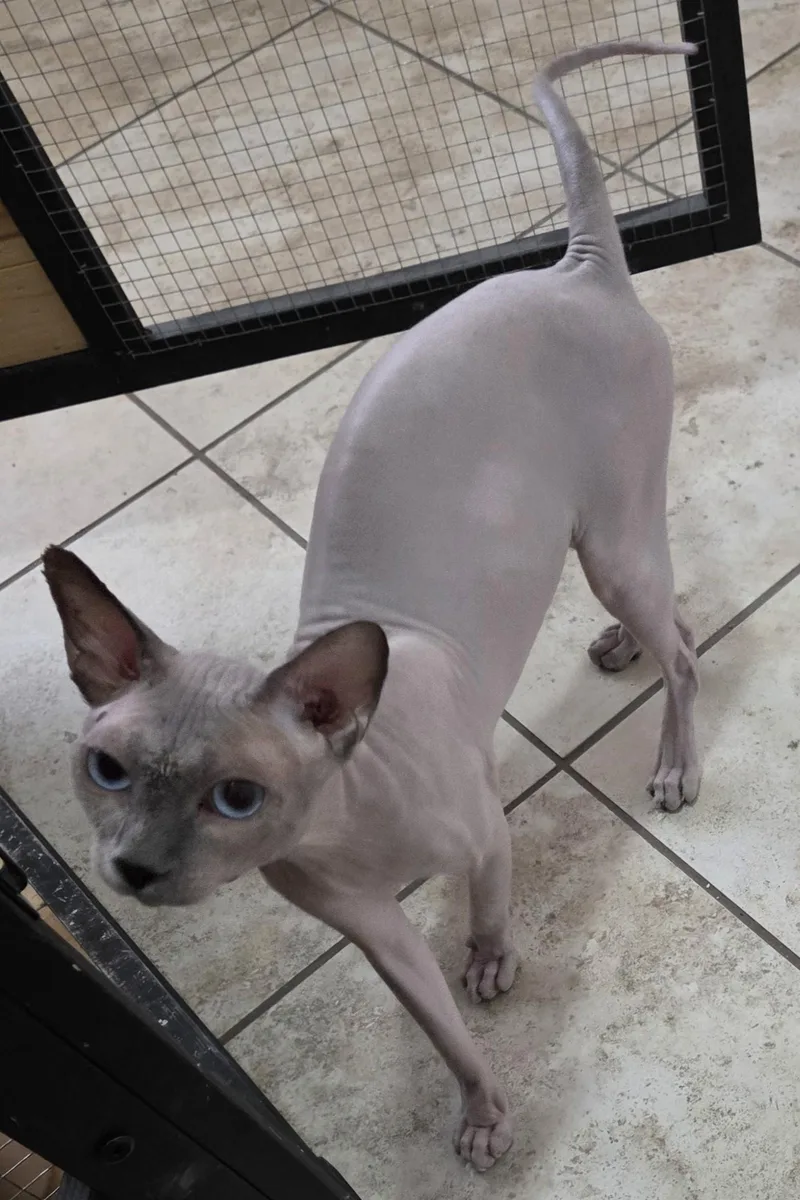
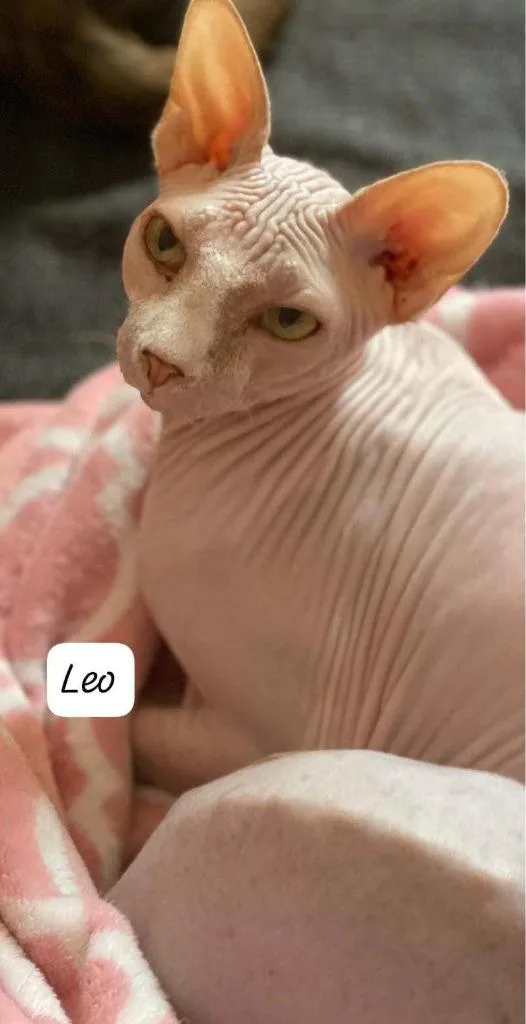
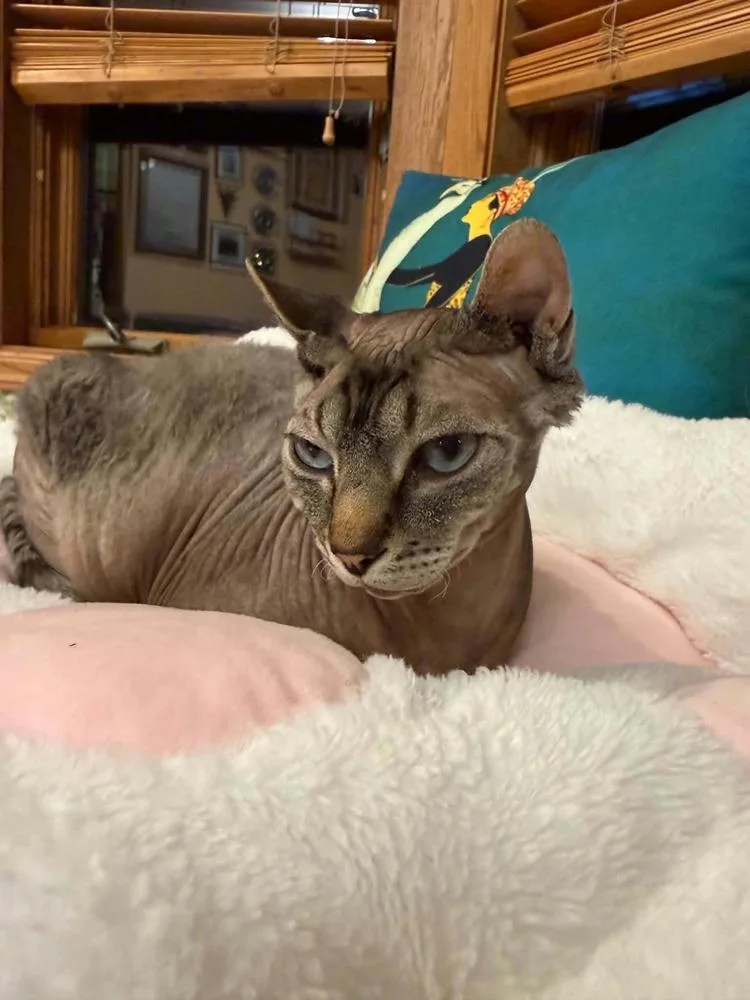
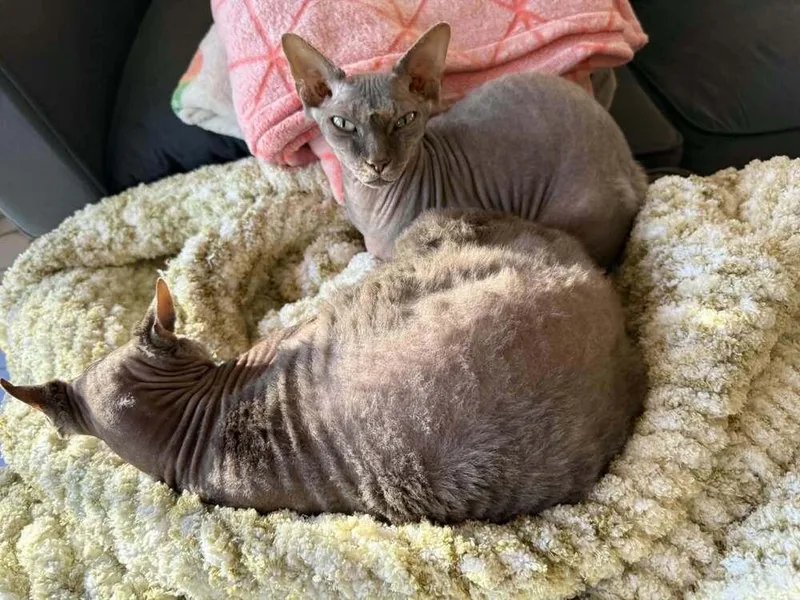
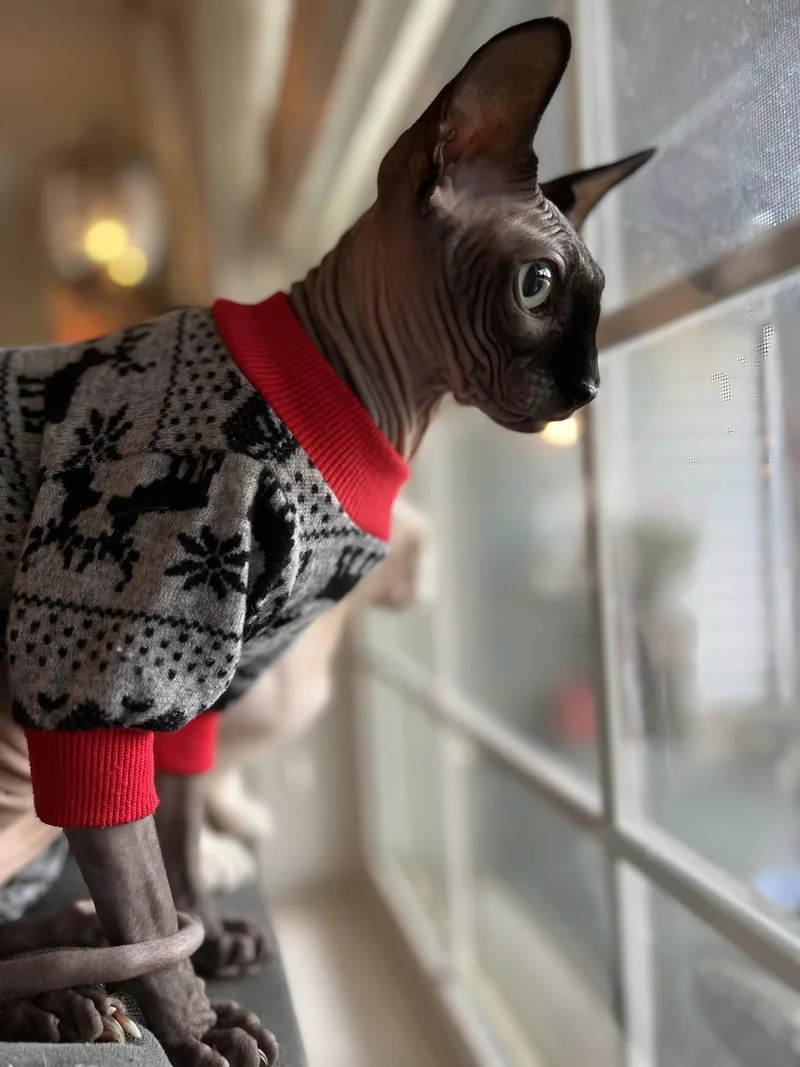
Canadian Hairless is the early name for the cat now registered as the Sphynx. It began in Toronto in 1966, when a domestic shorthair had a hairless male kitten named Prune, and hairless kittens found in Minnesota in the 1970s widened the gene pool. Despite the name, the Sphynx is Canadian, the result of a natural mutation. Look for wrinkled, suede-soft skin, big ears and lemon-shaped eyes.

Many of these cats are playful, outgoing and devoted to their people, following them from room to room. The trade-off is care: oily skin needs regular baths, ears collect wax, and a cat without fur needs warmth and sun protection. Hypertrophic cardiomyopathy is common in the breed, so heart health deserves a veterinarian's attention. Cats vary, so don't assume one will match the description.

Weight
6–12 lbs
Height
8–10 in
Lifespan
8–14 yrs
Temperament
Affectionate, Outgoing, Curious, Playful
Shedding
Low

Owning a Canadian Hairless in Seattle

Having a Canadian Hairless in Seattle

Canadian Hairless cats pair a big personality with a demanding care routine. Company, play, skin care and heart health matter most, and Seattle's cool, damp climate adds a need for reliable indoor warmth.

Temperament

Canadian Hairless cats tend to be affectionate, curious and eager to join whatever is happening, which suits Seattle's many small apartments where people are often home. Most dislike long, lonely days, and a companion cat or dog may help. Cats vary in how they handle children, visitors and other pets.

Exercise Needs

Plan several play sessions a day with wand toys, chase games and puzzle feeders, plus shelves and perches to climb. Seattle's rainy months make indoor play the default. Some cats learn harness walking, but coyotes live in the city's larger green spaces, so outings should stay short, supervised and in mild, dry weather.

Health Considerations

Hypertrophic cardiomyopathy is the main concern in the breed, and a veterinarian can screen the heart with an echocardiogram. Skin problems, sunburn, gum disease and respiratory infections in kittens also occur. Regular baths, ear cleaning, dental care and yearly checkups catch most problems early. A new cat is worth a full vet exam soon after adoption.

Living Space

A Canadian Hairless does well in a Seattle apartment or house as long as it stays indoors and stays warm. Heated beds, blankets and draft-free corners matter through the long damp season. Expect oily marks on pale fabrics, so washable bedding and throws are practical.

What it costs to own a Canadian Hairless in Seattle

ExpenseTypical costPer year
Food$25 to $50 per month$300 to $600
Pet insurance$30 to $60 per month$360 to $720
Routine vet care$150 to $350 per year$150 to $350
Other*$580 to $1,480 per year$580 to $1,480
Estimated yearly total (after year one)$1,390 to $3,150

Other costs are estimates and vary with size, age and health.

* Cat litter, the $30 Seattle license for a spayed or neutered cat, flea prevention, a dental cleaning allowance, toys and bedding, bathing and ear-cleaning supplies, and sweaters, warm beds and sun protection.

Adopt a Canadian Hairless in Seattle.

Now that you know more, let’s find you a new best friend. These rescues and shelters below have cats available in and near Seattle.

Rescues and Shelters in or near Seattle

Seattle has a city-run shelter plus nonprofit rescues, and adopted cats typically go home spayed or neutered, microchipped and vaccinated. Here are the rescues & shelters in the Seattle area with cats available for adoption, worth asking whether a Canadian Hairless is coming in.

Frequently Asked Questions

Yes, you can own a Canadian Hairless in Seattle, since the city has no breed bans and Washington law limits them. Households can have up to three dogs and cats combined on a typical city lot, so count your current pets first. Watch the listings on this page for Canadian Hairless and similar cats, and save a search to hear about new arrivals.

Yes, as long as the cat lives indoors and stays warm. Seattle winters are cool, damp and rarely freezing, so the main need is a comfortably heated home, heated beds and blankets, and maybe a sweater. The occasional snow or windstorm can cut power, so plan a warm room and extra bedding for those few days.

Yes, a Canadian Hairless adapts well to apartment living because it needs warmth and company more than space. Give it vertical room with shelves and perches, a sunny window-filtered spot, and daily play. Expect skin oils on pale fabrics, so washable throws help, and plan for time at home since these cats dislike long days alone.

Yes, if the cat is in a carrier. King County Metro buses require pets other than dogs to ride in a carrier, with no fare, and Sound Transit allows pets carried in small containers. The King County Water Taxi wants cats in an enclosed carrier, and Washington State Ferries asks that other pets be in a crate or carrier. Add a blanket for warmth on cool days.

Plan on a bath about once a week or so, plus regular ear cleaning, since a hairless cat's skin oils and ear wax have nowhere else to go. Seattle's cool, damp air means drying the cat fully and keeping the room warm afterward. Bathing and ear-cleaning supplies are part of the yearly Other costs above, and most of this can be done at home.

It can be, particularly for someone who's home often and doesn't mind a warm, indoor routine. Seattle's long, rainy months suit a cat that wants to stay inside near its people, while the mild summers rarely demand more than shade for sunny windows. The trade-offs are regular baths, steady warmth and heart-health vet checks, and cats vary.

Sphynx cats typically live about 8 to 14 years, and some reach their late teens with good care. Heart disease, particularly hypertrophic cardiomyopathy, is the biggest factor that can shorten their lives. Regular veterinary checkups, heart screening when recommended, dental care, a healthy weight and an indoor lifestyle give a Sphynx the best chance at a long life.

Sphynx cats are hairless because of a natural recessive mutation in the KRT71 gene, which affects how hair grows from the follicles. A kitten must inherit the variant from both parents to be hairless. The trait first appeared spontaneously in a Toronto kitten in 1966, and enthusiasts then bred from those cats to establish the breed.

Sphynx cats may or may not have whiskers; when present they are usually short, sparse or broken, and many cats have none at all. Eyebrows are often missing too. The same gene that affects body hair alters whisker growth. Cats without whiskers adapt well indoors, though they may be slightly more cautious in tight or dark spaces.

Expect about $25 to $50 a month for food and $30 to $60 a month for insurance, plus $150 to $350 a year for routine vet care. Other yearly costs, including litter, the license, dental care and warm bedding, run roughly $580 to $1,480. Together that's about $1,390 to $3,150 a year.

Explore Other Breeds in Seattle

Looking for a different breed? Browse other cats available for adoption in Seattle.