Birman Cats for Adoption in Seattle, WA

Your guide to finding and caring for a Birman in Seattle

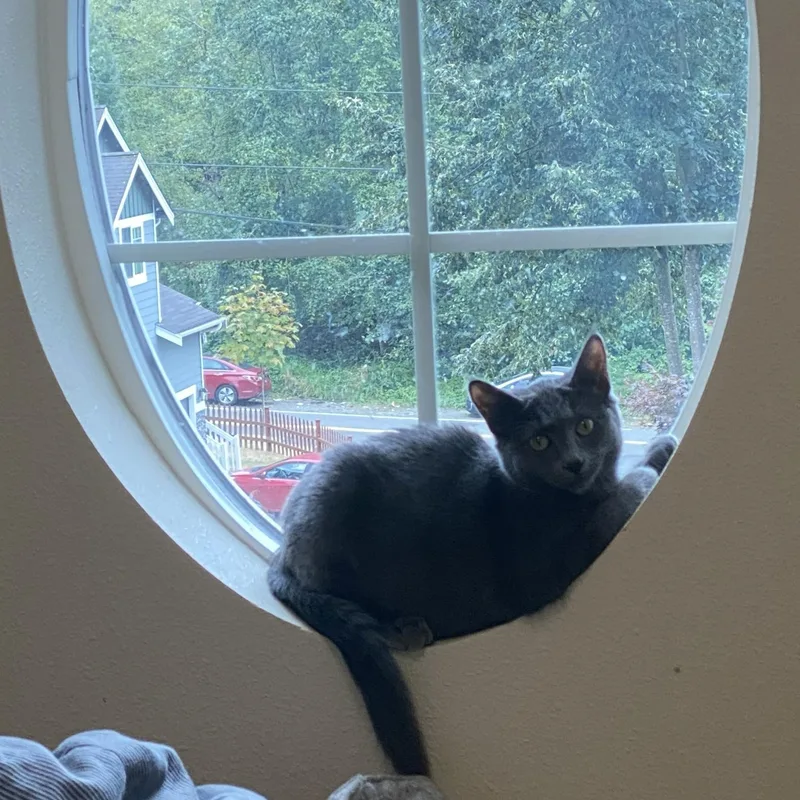
A Birman suits Seattle apartment life, whether that's a Belltown tower or a one-bedroom on First Hill. These semi-longhaired cats are mellow and sociable, happy with a window perch and someone to follow from room to room. On a gray, drizzly afternoon, a Birman is content to watch the street from the sill and wait for you to get home. Plan on weekly combing and a couple of play sessions a day, and a cat tree by the window will become its favorite spot.

2214 cats similar to Birman available in Seattle and nationwide

Find your forever Birman

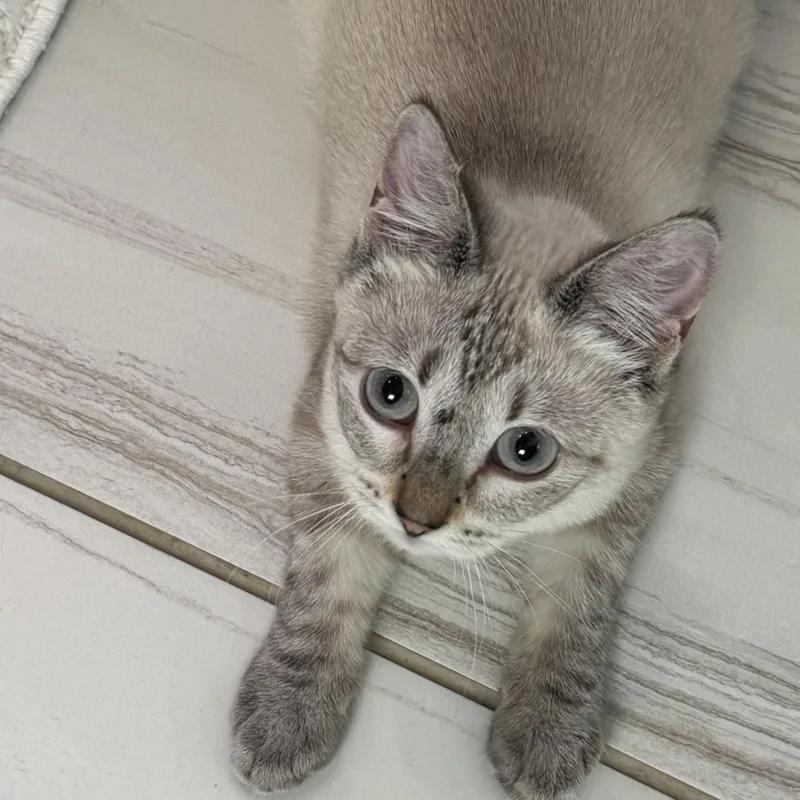
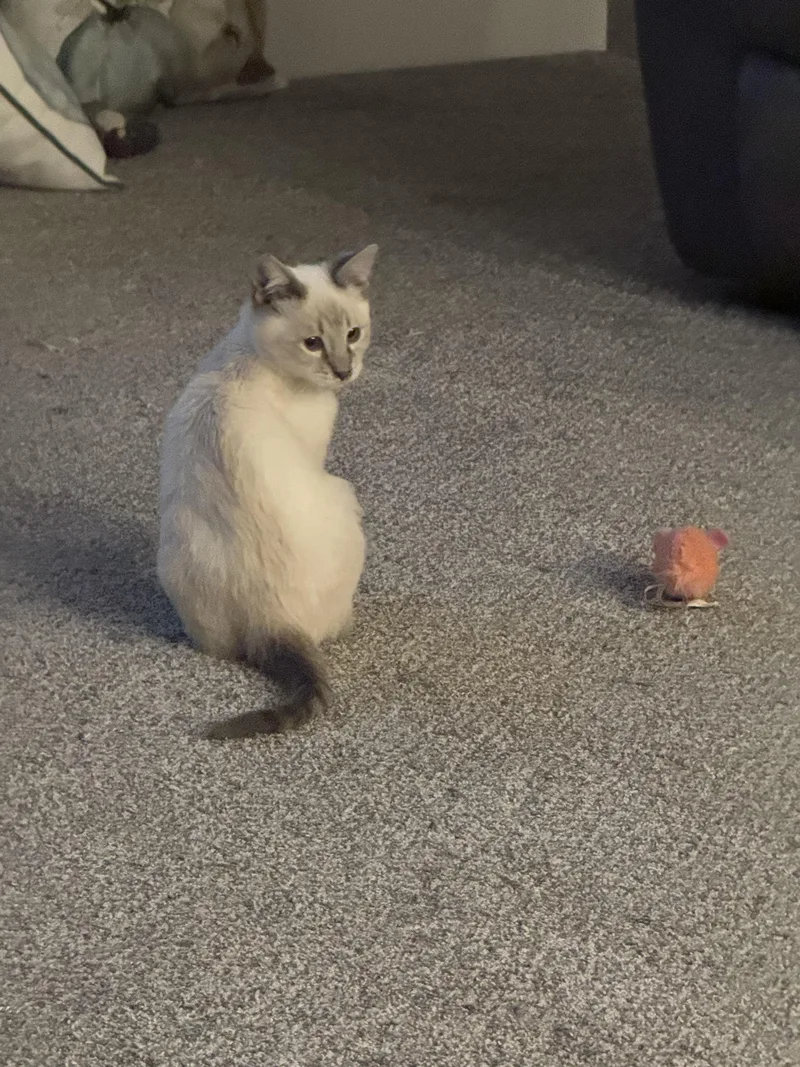
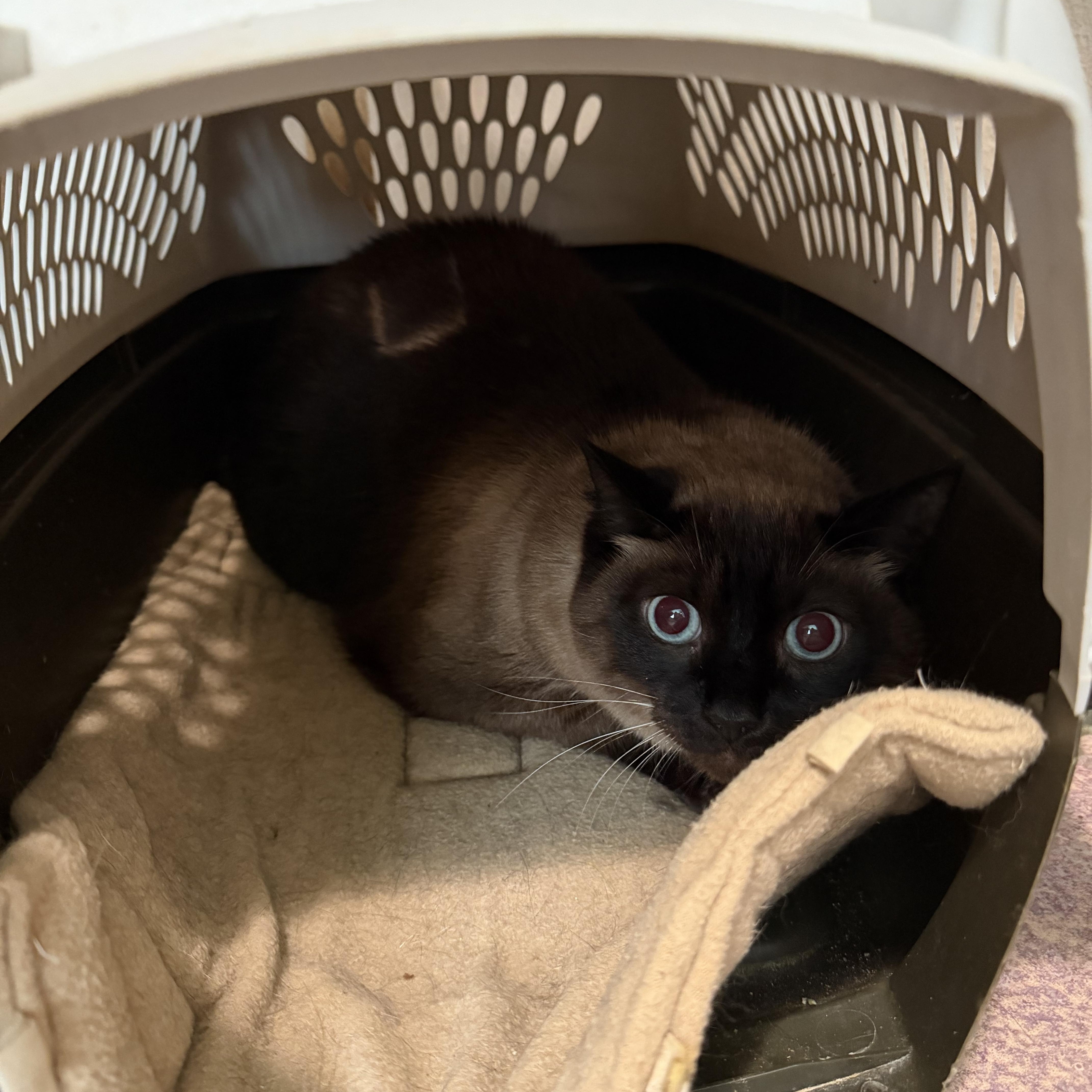
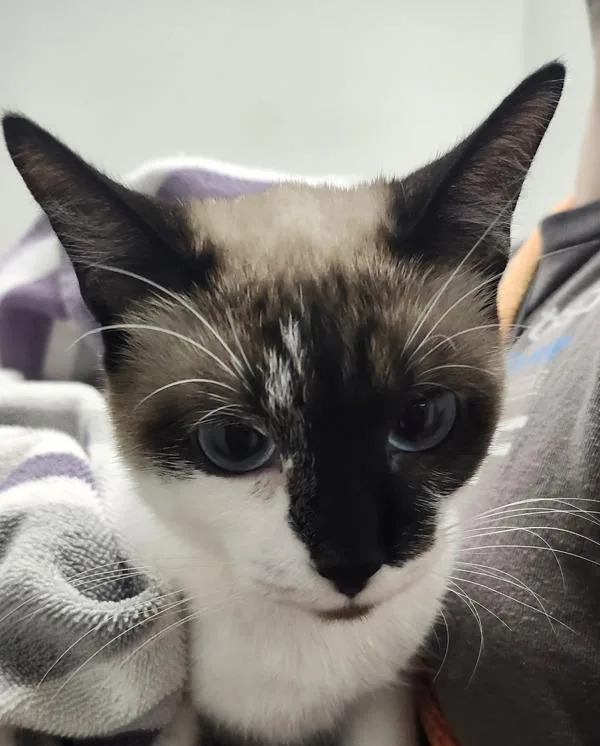
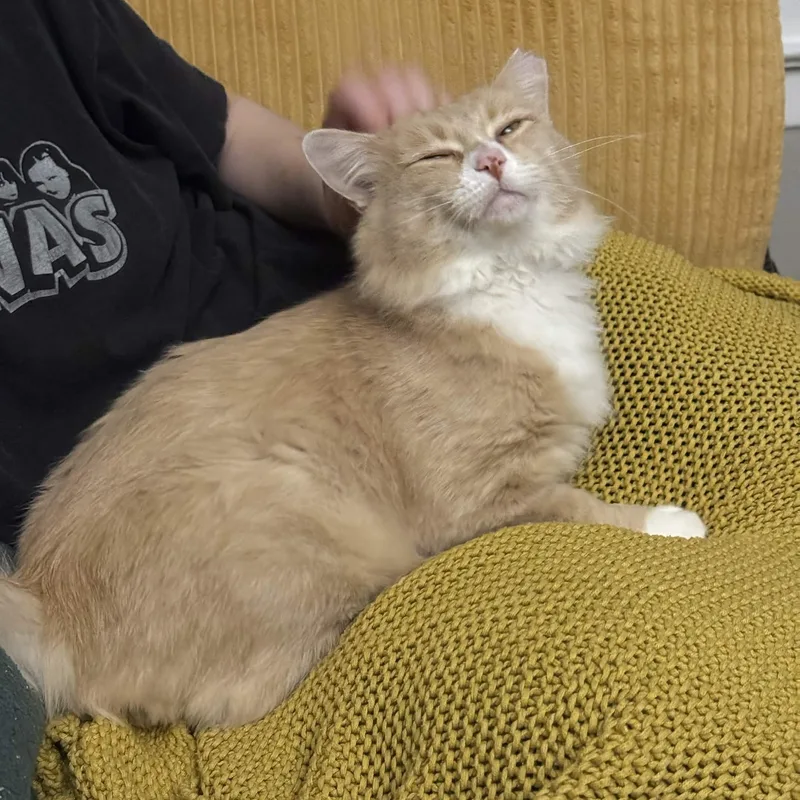
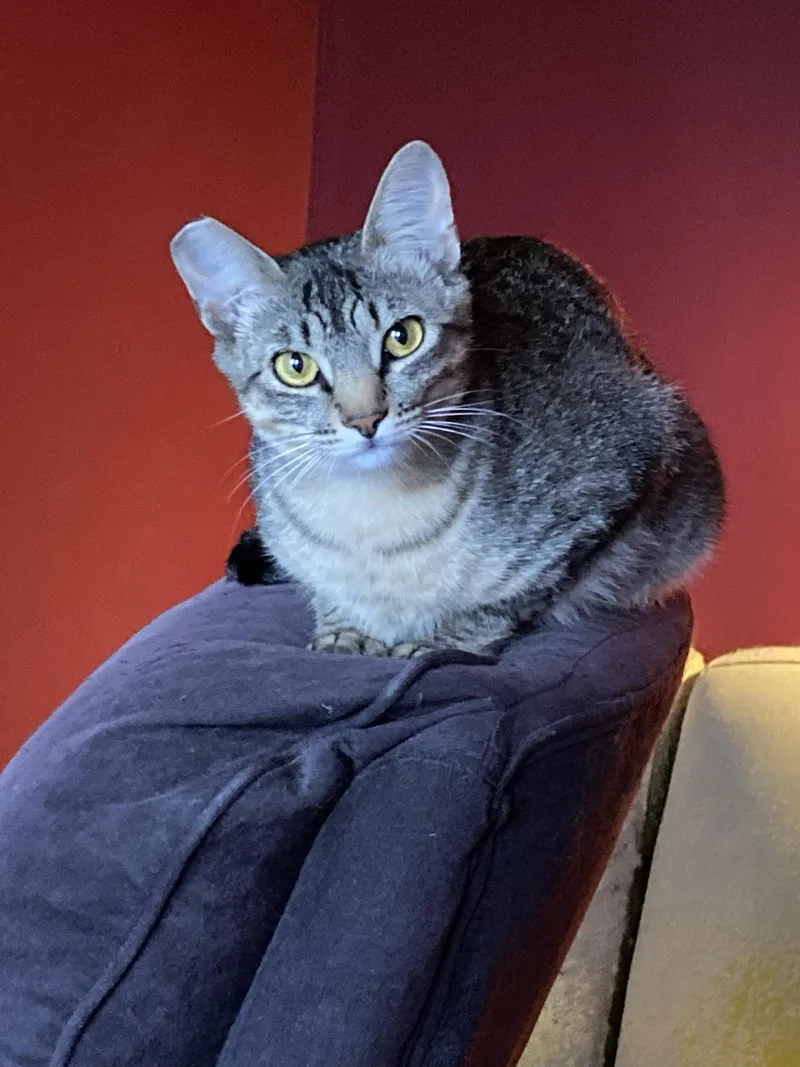
Birmen and Similar Breeds Available for Adoption Near Seattle

About the Birman breed

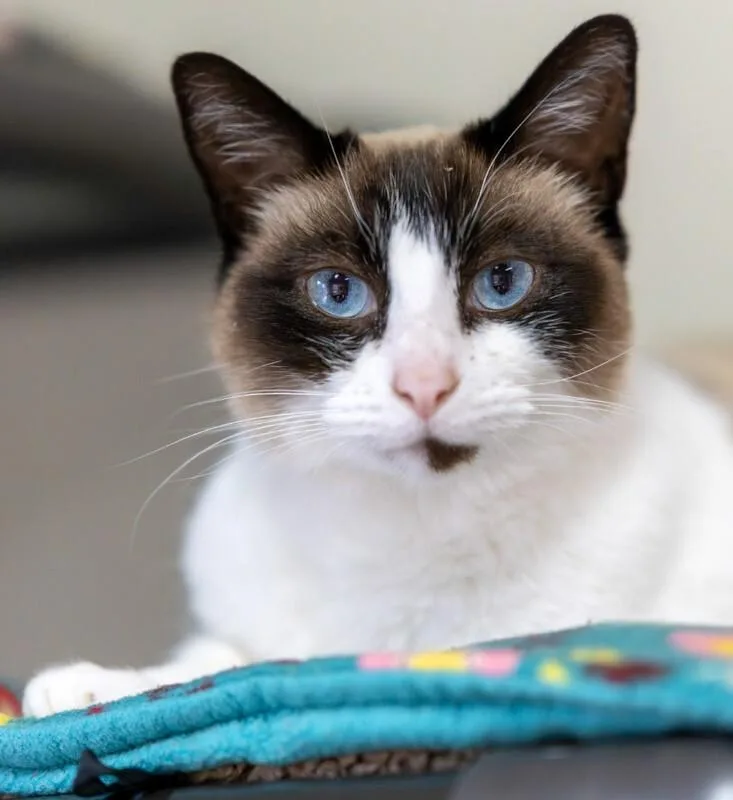
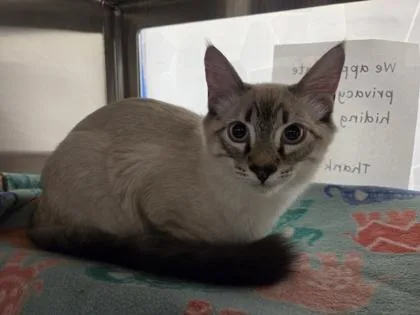
Birmans are colorpointed, semi-longhaired cats with deep blue eyes and white paws, called gloves in front and laces behind. The modern breed took shape in France after a pair of cats arrived from Burma around 1919, and the sacred temple cat story is legend rather than history. Most adults weigh 7 to 14 pounds and take about three years to mature fully.

Their silky coat has little undercoat, so it tangles less than many longhaired cats, though weekly combing still helps and moderate shedding is normal. Many Birmans are gentle and soft-voiced and like to stay near their people without demanding attention. In a city where so many people live in apartments, that calm, companionable nature is an easy match, though every Birman has its own personality.

Weight
7–14 lbs
Height
8–10 in
Lifespan
12–16 yrs
Temperament
Gentle, Affectionate, Social
Shedding
Moderate

Owning a Birman in Seattle

Having a Birman in Seattle

Birmans have moderate energy, are easygoing about space and are fond of company, which makes them a workable match for Seattle's apartments and rainy days. The main watch-outs are weight gain, heart health and a coat that needs weekly combing.

Temperament

Birmans tend to be gentle and people-focused, following their family around the apartment and asking for calm attention rather than demanding it. Many are patient with respectful children and with other cats after slow introductions. Some are shy at first, and a cat's own behavior matters more than breed. Seattle's rainy days mean plenty of time together indoors.

Exercise Needs

Plan on a couple of short interactive play sessions daily with wand toys, balls and puzzle feeders. On Seattle's many drizzly days that indoor routine does the heavy lifting, and a tall cat tree by a window gives a Birman something to climb and watch. Steady play also helps prevent the weight gain these cats are prone to.

Health Considerations

Birmans are generally long-lived, but heart disease (hypertrophic cardiomyopathy) turns up in a notable share of screened cats, and weight gain is common in indoor cats. Measured meals, regular play, yearly exams and dental care help, and a veterinarian can advise on heart screening for a newly adopted Birman.

Living Space

A Birman does well in a Seattle condo or apartment, since it cares more about quiet perches and company than square footage. A window seat or cat tree overlooking the street keeps it entertained. Many dislike long days alone, so a home where someone is around often, or a friendly second pet, suits them best.

What it costs to own a Birman in Seattle

ExpenseTypical costPer year
Food$25 to $50 per month$300 to $600
Pet insurance$25 to $50 per month$300 to $600
Routine vet care$150 to $350 per year$150 to $350
Other*$530 to $1,280 per year$530 to $1,280
Estimated yearly total (after year one)$1,280 to $2,830

Other costs are estimates and vary with size, age and health.

* The $30 Seattle cat license for a spayed or neutered cat, litter, flea prevention, a dental cleaning allowance, toys and supplies, and regular combing for the semi-long coat.

Adopt a Birman in Seattle.

Now that you know more, let’s find you a new best friend. These rescues and shelters below have cats available in and near Seattle.

Rescues and Shelters in or near Seattle

Seattle's rescue community includes a city-run shelter and nonprofit groups that work to match cats with adopters. Here are the rescues & shelters in the Seattle area with cats available for adoption, worth asking whether a Birman is coming in.

Frequently Asked Questions

Yes. Seattle's pet rules apply to all cats rather than singling out breeds, so a Birman is treated like any other cat. Day to day, that means a city license, up-to-date rabies vaccination and staying within the household animal limit. If you rent, your lease and your landlord's pet policy matter as much as the city rules.

Yes, as long as your Birman travels in a carrier. King County Metro requires pets other than dogs to ride in a carrier, with no fare, and Sound Transit's Link and buses keep cats in carriers even during its dog pilot through spring 2027. The King County Water Taxi also needs cats in an enclosed carrier. Pick one roomy enough for a 7-to-14-pound cat.

Yes, because a Birman lives indoors, so Seattle's rain mostly affects you, not the cat. Winters are cool but rarely frozen, and summers stay mild. What deserves planning is a rare heat wave, when shade, water and a cool floor matter for a thick-coated cat, and a windstorm power outage, when a carrier and spare supplies help.

Yes, Birmans adapt well to Seattle apartments because they value company and perches more than space. Add a cat tree near a window, a scratching post and daily play. Their soft voices rarely bother neighbors through thin walls. Make sure screens on windows and balconies are secure, since cats can fall from upper floors.

A Birman is a good fit for many Seattle households, especially people who are home a fair amount. These sociable cats are comfortable through the city's gray, rainy months and don't need outdoor exploring. They're less suited to long days alone, and every Birman has its own personality, so look at how each cat on this page behaves and what its listing says.

Plan on weekly combing, since a Birman's silky semi-long coat has little undercoat and mats less than many longhaired cats. Seattle's mild, damp climate doesn't change the routine for an indoor cat, but combing more often during spring shedding keeps hair off furniture. Most grooming is done at home, and an occasional professional session fits within the Other costs listed above.

A Birman is a medium-sized, semi-longhaired cat with a colorpoint pattern, deep blue eyes and distinctive white paws. The breed was developed in France from cats said to come from Burma, which is why it is sometimes called the Sacred Cat of Burma. Many Birmans are gentle, sociable and soft-spoken companions who enjoy being near their people.

No, Birman cats are not hypoallergenic. Like all cats, they produce the Fel d 1 allergen in saliva and skin, and grooming spreads it onto their fur and around the home. Their coat sheds less heavily than some longhaired breeds, but that does not remove allergens. Anyone with allergies should spend time with the specific cat before adopting.

Yes, Birman cats shed, usually at a moderate level. Their silky coat has little undercoat, so they drop less hair and form fewer mats than breeds like Persians or Maine Coons, but loose fur still appears on furniture and clothing. Combing once or twice a week, and more during spring and fall, keeps shedding manageable and the coat tangle-free.

A Birman typically runs about $1,280 to $2,830 a year in Seattle: food at $25 to $50 a month, insurance at $25 to $50 a month, routine vet care at $150 to $350 a year, and other costs such as litter, prevention, dental care, supplies and the city license at $530 to $1,280 a year.

Explore Other Breeds in Seattle

Looking for a different breed? Browse other cats available for adoption in Seattle.