Canadian Hairless Cats for Adoption in Virginia Beach, VA

Your guide to finding and caring for a Canadian Hairless in Virginia Beach

16 cats similar to Canadian Hairless available in Virginia Beach and nationwide

Bring home a Canadian Hairless

While we don't have enough cats near Virginia Beach, keep in mind that many rescues may offer transport.

Canadian Hairlesses and Similar Breeds Available for Adoption Near Virginia Beach

About the Canadian Hairless breed

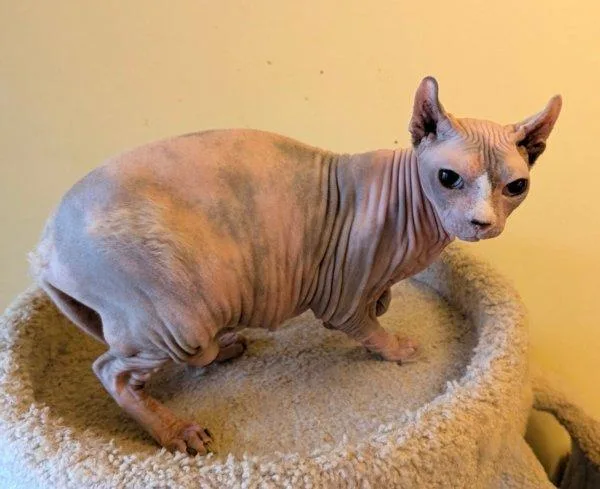
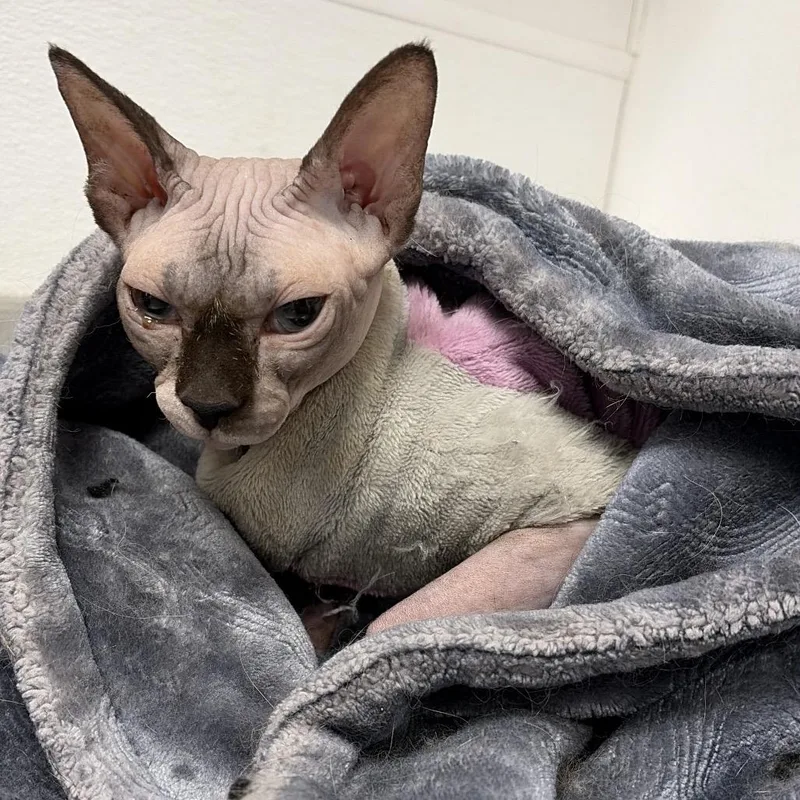
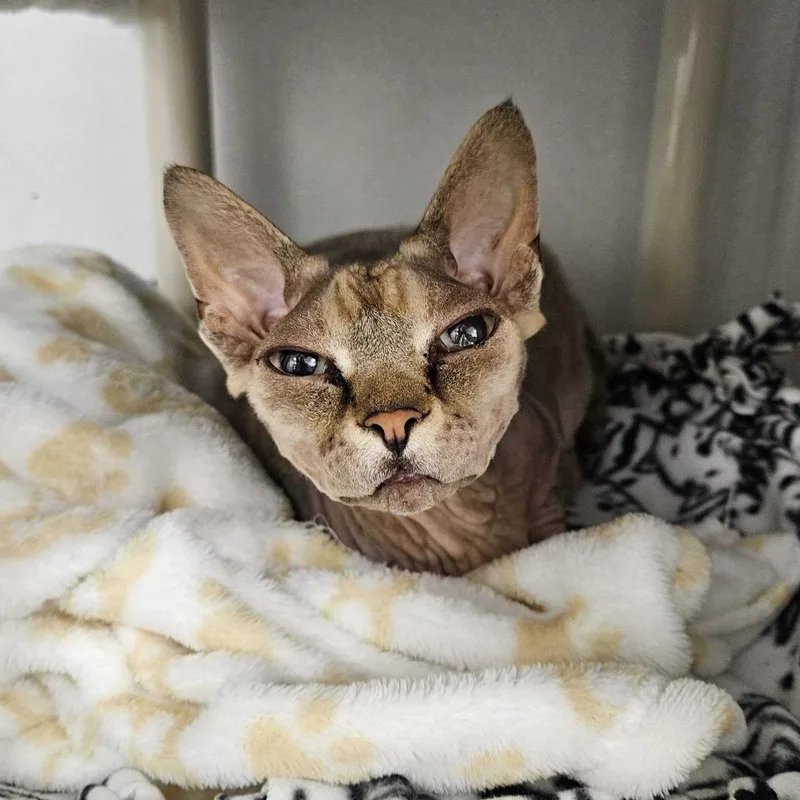
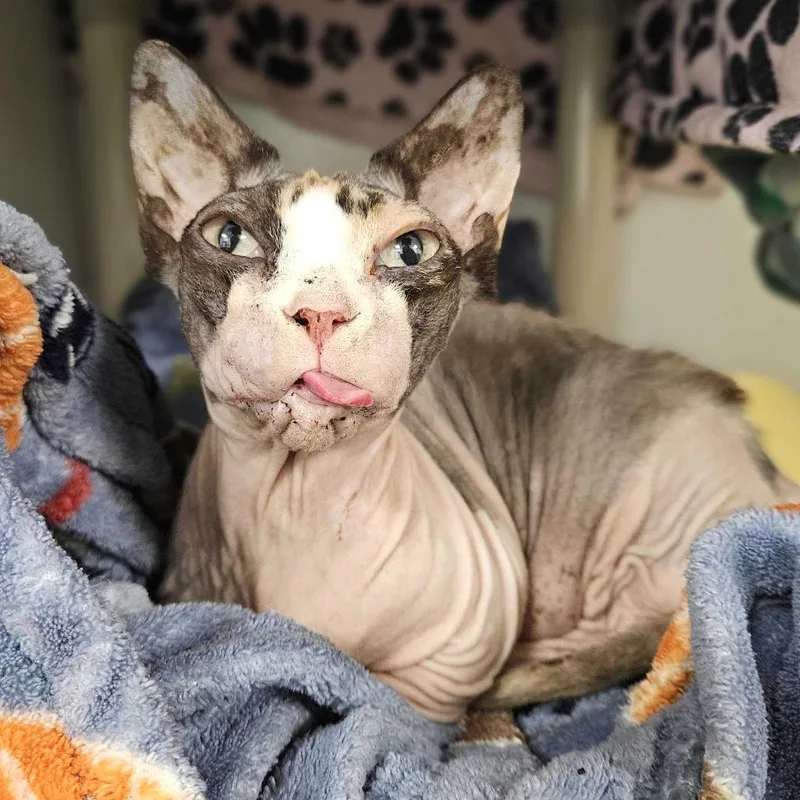
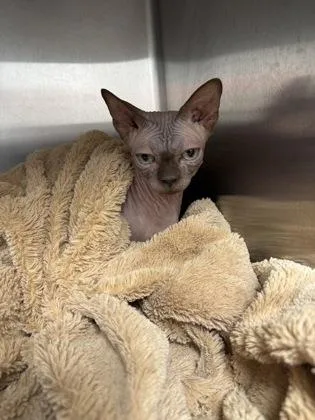
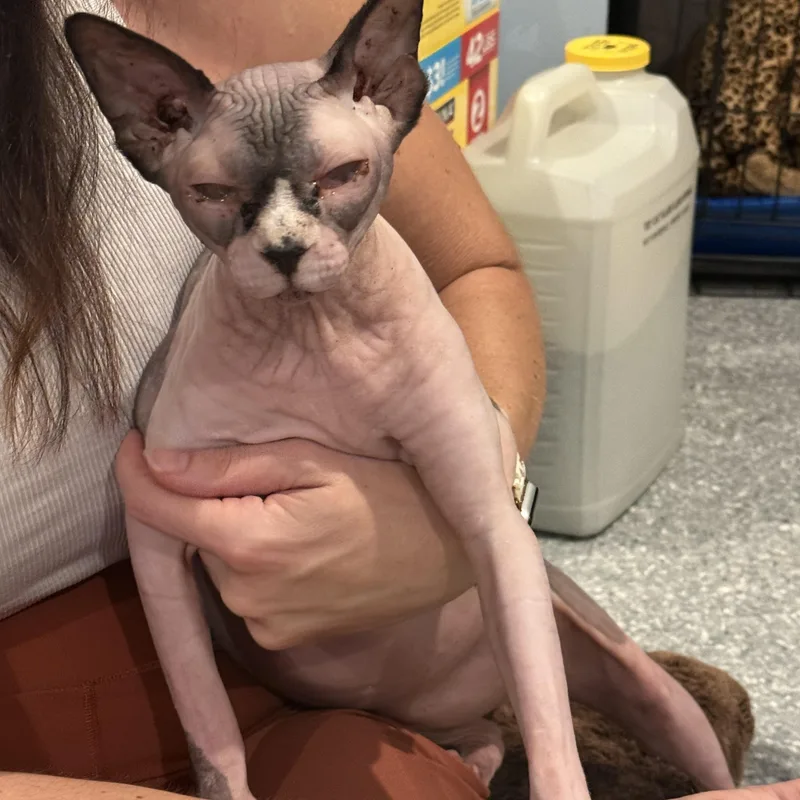
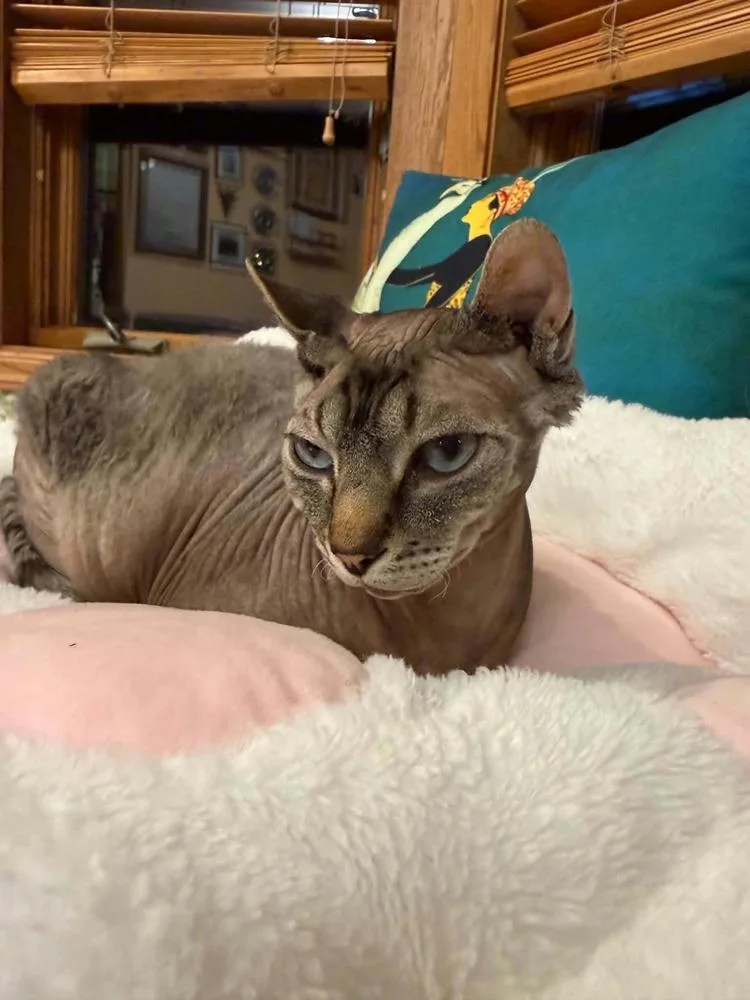
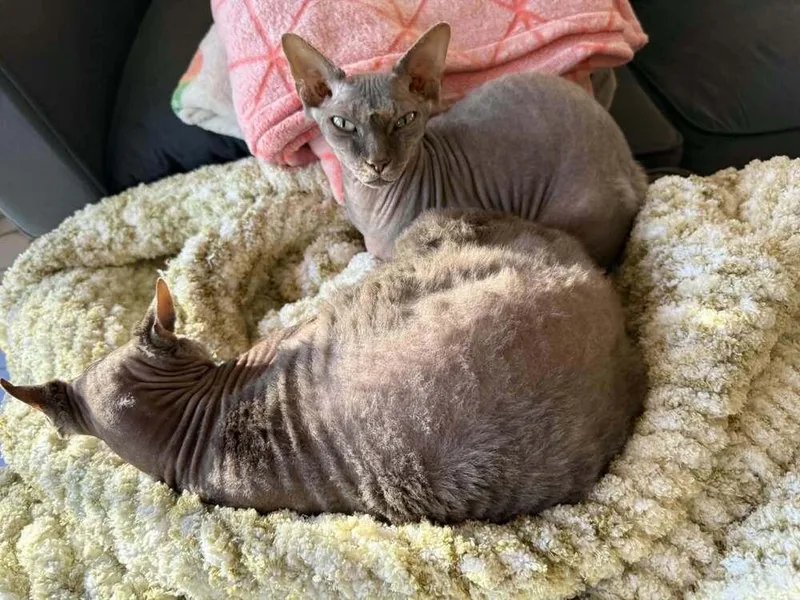
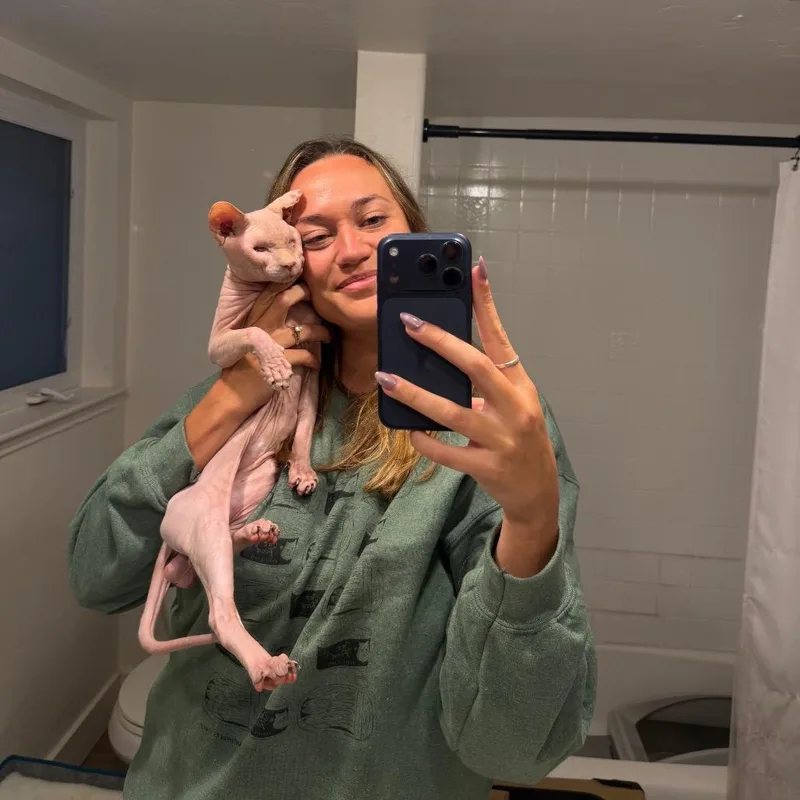
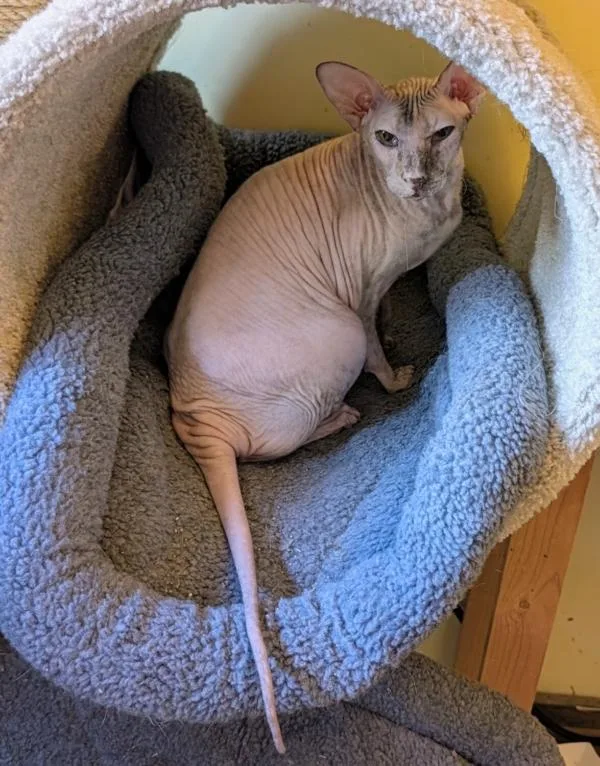
Canadian Hairless is the early name for the cat the world now knows as the Sphynx. The breed began in Toronto in 1966, when a domestic shorthair gave birth to a hairless male kitten named Prune, and enthusiasts briefly called the line Moonstones and Canadian Hairless before settling on Sphynx. Hairless kittens found in Minnesota in the 1970s broadened the gene pool. Despite the Egyptian-sounding name, this is a Canadian cat with a natural recessive mutation, a wrinkled, suede-soft body, large ears and lemon-shaped eyes.

Many Sphynx are outgoing, playful and remarkably people-focused, following their humans from room to room and seeking warm laps. Life without fur brings real chores: oily skin needs regular baths, ears collect wax, and the cat needs warmth, sun protection and an indoor life. Heart screening also matters, since hypertrophic cardiomyopathy is common in the breed.

Weight
6–12 lbs
Height
8–10 in
Lifespan
8–14 yrs
Temperament
Affectionate, Outgoing, Curious, Playful
Shedding
Low

Owning a Canadian Hairless in Virginia Beach

Having a Canadian Hairless in Virginia Beach

A Canadian Hairless, or Sphynx, trades a coat for warm skin, a big personality and a long list of care routines. Seeing how its sociability, energy, skin care and heart health play out helps adopters decide whether a hairless cat fits their home.

Temperament

Sphynx cats tend to be extroverted, affectionate and eager to join whatever their people are doing, and many greet visitors happily. Most enjoy company and may struggle when left alone for long days; a compatible cat or dog companion can help. Individual cats still vary in how they handle children, strangers and other pets.

Exercise Needs

These are active, clever cats that benefit from several play sessions a day with wand toys, chase games and puzzle feeders. Climbing shelves and warm perches double as exercise and comfort. Many learn tricks or walk on a harness with patient training. Because they burn energy keeping warm, play and food needs both run high.

Health Considerations

Hypertrophic cardiomyopathy is the main concern; one study found abnormal hearts in about a third of Sphynx examined, so ask about echocardiograms. Hereditary myopathy, skin conditions, sunburn, gum disease and respiratory infections in kittens also occur. Regular baths, ear cleaning and dental care prevent many problems, and annual checkups catch changes early.

Living Space

A Sphynx should live indoors, in an apartment or house kept comfortably warm and free of drafts. Heated beds, blankets and sunny but window-filtered spots help, and sweaters may be needed in cold months. Outdoor time risks sunburn and chills. Expect oily marks on pale fabrics, so washable bedding and throws make life easier.

What it costs to own a Canadian Hairless

ExpenseTypical costPer year
Food$25 to $50 per month$300 to $600
Pet insurance$30 to $60 per month$360 to $720
Routine vet care$150 to $350 per year$150 to $350
Other*$550 to $1,450 per year$550 to $1,450
Estimated yearly total (after year one)$1,360 to $3,120

Other costs are national averages for Canadian Hairlesses; we don't have costs specific to Virginia Beach yet.

* Cat litter, flea prevention, a dental cleaning allowance, toys and bedding, bathing and ear-cleaning supplies, and sweaters, warm beds and sun protection for a hairless cat.

Adopt a Canadian Hairless in Virginia Beach.

Now that you know more, let’s find you a new best friend. These rescues and shelters below have cats available in and near Virginia Beach.

Rescues and Shelters in or near Virginia Beach

Here are the rescues & shelters in the Virginia Beach area with cats available for adoption, worth asking whether a Canadian Hairless is coming in.

Frequently Asked Questions

Sphynx cats typically live about 8 to 14 years, and some reach their late teens with good care. Heart disease, particularly hypertrophic cardiomyopathy, is the biggest factor that can shorten their lives. Regular veterinary checkups, heart screening when recommended, dental care, a healthy weight and an indoor lifestyle give a Sphynx the best chance at a long life.

Sphynx cats are hairless because of a natural recessive mutation in the KRT71 gene, which affects how hair grows from the follicles. A kitten must inherit the variant from both parents to be hairless. The trait first appeared spontaneously in a Toronto kitten in 1966, and enthusiasts then bred from those cats to establish the breed.

Sphynx cats may or may not have whiskers; when present they are usually short, sparse or broken, and many cats have none at all. Eyebrows are often missing too. The same gene that affects body hair alters whisker growth. Cats without whiskers adapt well indoors, though they may be slightly more cautious in tight or dark spaces.

You can adopt a Sphynx through shelters, cat rescues and breed-specific Sphynx and hairless cat rescues, which place cats whose owners could no longer keep them. Search GetBuddy for Sphynx and Canadian Hairless listings and set alerts, since they are adopted quickly. Typical adoption fees vary by group and often include spay or neuter, vaccines and a microchip.

A Sphynx is a medium-sized, mostly hairless domestic cat breed that originated in Canada in the 1960s and was once called the Canadian Hairless. It has wrinkled, suede-like skin, large ears, lemon-shaped eyes and a sturdy, round-bellied body. Sphynx are known for affectionate, outgoing personalities and for needing regular baths, warmth and indoor living.

Sphynx cats come from Canada. The breed began in Toronto, Ontario, in 1966, when a domestic shorthair cat gave birth to a hairless kitten named Prune. Hairless cats discovered in Minnesota in the 1970s were added later. The name refers to the Great Sphinx of Egypt, but the breed has no Egyptian ancestry.

Yes and no: the hairlessness in Sphynx cats arose naturally through a spontaneous genetic mutation, not lab engineering. People then deliberately bred those hairless cats and outcrossed them to coated cats to build a healthy breed. So the trait is natural, while the breed itself, like most pedigreed cats, was shaped by selective human choices.

Care for a Sphynx by bathing it roughly weekly or as its skin needs, cleaning waxy ears and nail beds, and wiping skin folds gently. Keep the cat indoors, warm and out of strong sun, and feed a quality diet that supports its high energy. Provide daily play, brush teeth, and keep regular checkups that include heart monitoring.

Most Sphynx cats have some hair, usually a fine, peach-fuzz down over the body that makes the skin feel like warm suede. Short hair often appears on the bridge of the nose, the ears, the tail tip and the toes. The amount varies between cats and can change with temperature, season and hormones.

Sphynx cats are usually very friendly, often seeking attention from family members and greeting guests rather than hiding. Many enjoy cuddling under blankets and following people around the house. Personality still varies with each cat's history and confidence, so spend time with the cat to see how it reacts to strangers, children and other animals.

Explore Other Breeds in Virginia Beach

Looking for a different breed? Browse other cats available for adoption in Virginia Beach.