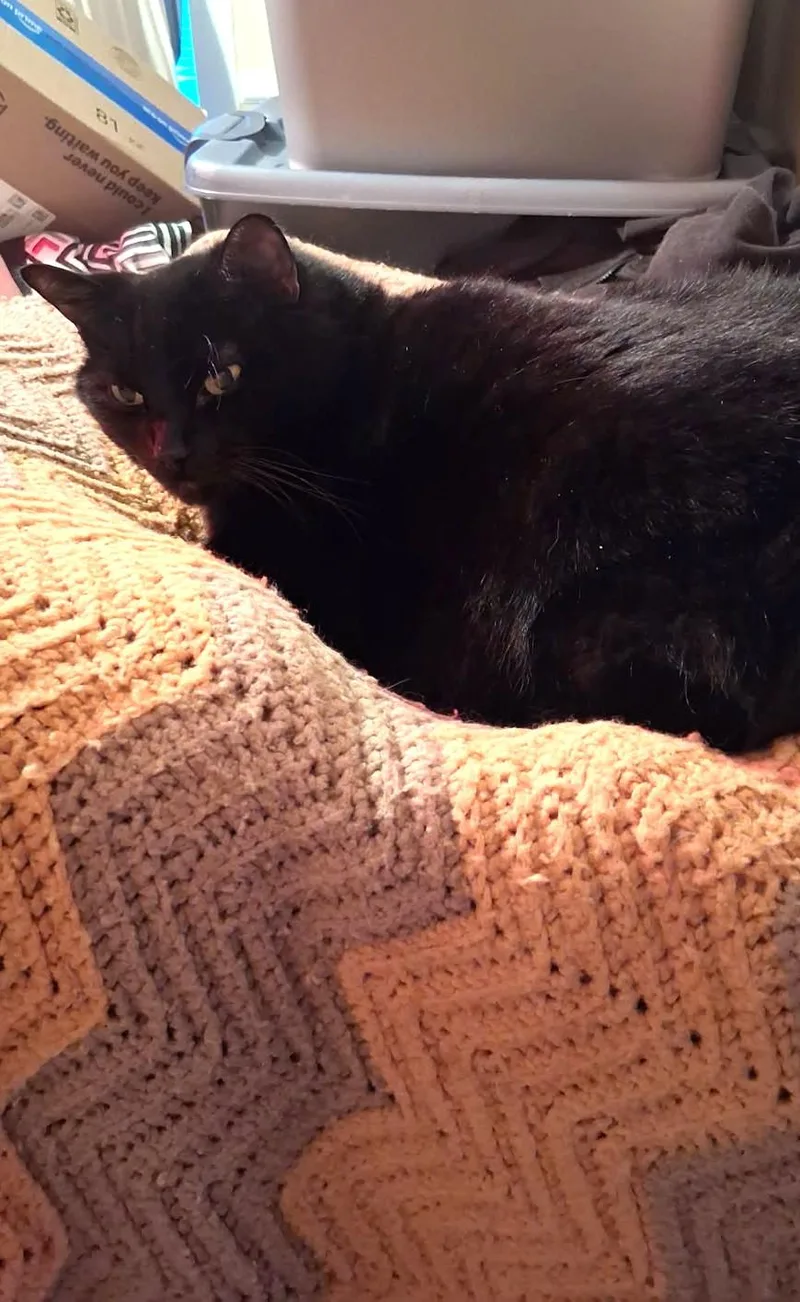
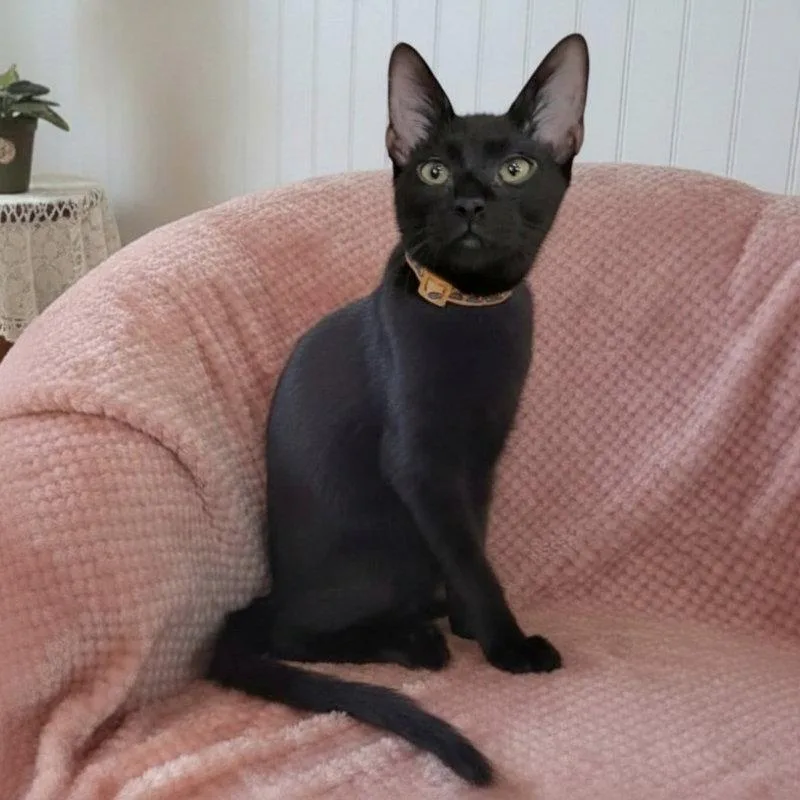
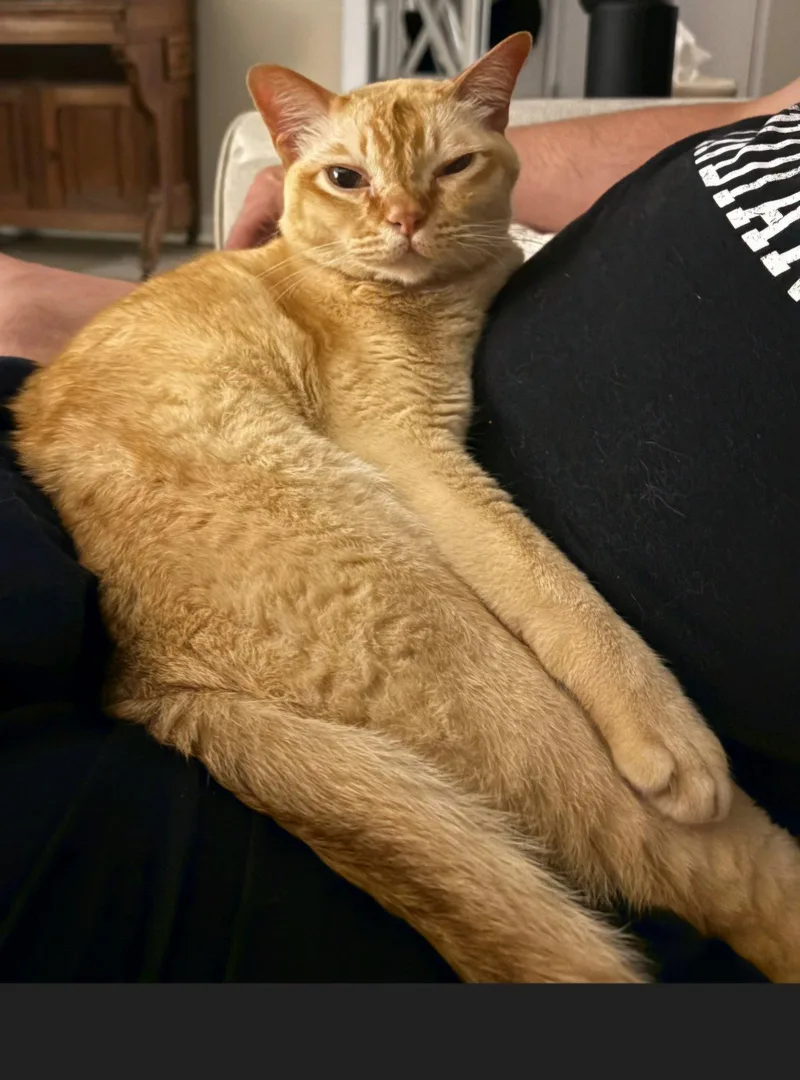
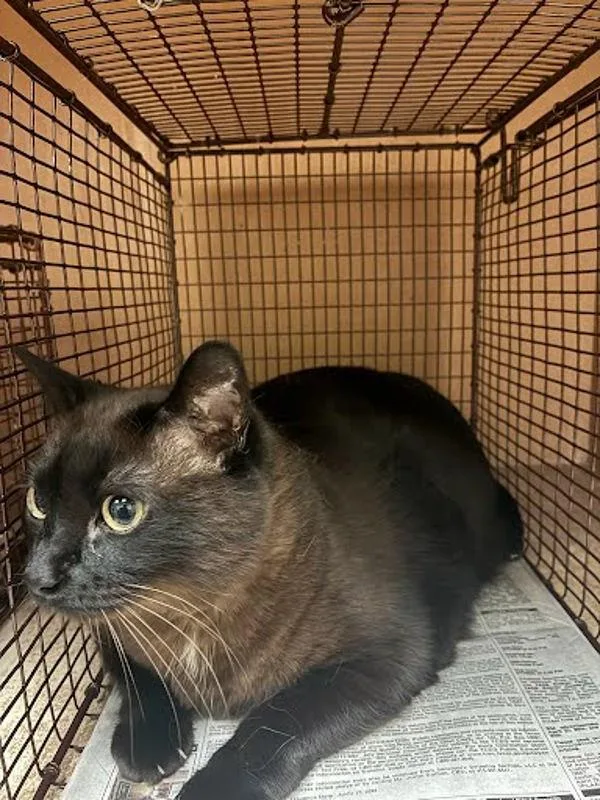
Burmese Cats for Adoption in Virginia Beach, VA

Your guide to finding and caring for a Burmese in Virginia Beach

A Burmese suits Virginia Beach homes where someone is around most of the day. In a Green Run townhouse, this people-loving cat will follow you from room to room and want a say in everything. Burmese stay playful well into adulthood, so a sturdy cat tree by a window and a few minutes of wand-toy play morning and evening go a long way. Keep it indoors, since coyotes are reported across the city, and it will happily claim a perch.

24 Burmese available in Virginia Beach and nationwide

Find your Burmese

While we don't have enough cats near Virginia Beach, keep in mind that many rescues may offer transport.

Burmese Available for Adoption Near Virginia Beach

About the Burmese breed

The Burmese traces back to Wong Mau, a walnut-brown cat brought from Southeast Asia to San Francisco in 1930 and paired with Siamese cats to establish the line. Compact and muscular, Burmese are heavier than they look, usually 8 to 13 pounds, with a short, glossy coat and big gold eyes. Sable is the classic color, though champagne, blue and platinum are also common.

What adopters notice most is the personality. Burmese tend to be affectionate, curious and playful into adulthood, and many follow their people around the house. In Virginia Beach, that fits households with someone home often, or a friendly second pet. Adult cats vary, so spend time with a cat before deciding. A few inherited conditions, including diabetes, are worth knowing about, and a veterinarian can talk through them.

Weight
8–13 lbs
Height
9–11 in
Lifespan
12–17 yrs
Temperament
Affectionate, Social, Playful
Shedding
Low

Owning a Burmese in Virginia Beach

Having a Burmese in Virginia Beach

Burmese bring dense, muscular bodies, lifelong playfulness and very easy grooming. The trade-offs are a strong need for company and a few breed-linked health risks, so your schedule and a good veterinarian matter more than square footage.

Temperament

Burmese are usually affectionate, social and curious, often called dog-like because they follow people and learn games. Many do well with respectful children and cat-friendly dogs. They speak up for attention but are typically softer-voiced than Siamese. Adult cats vary, so watch how each cat reacts to handling, visitors and noise.

Exercise Needs

Daily interactive play with wand toys, fetch and climbing keeps a Burmese fit and helps prevent weight gain. Puzzle feeders and short clicker sessions engage their clever minds. Sturdy cat trees and shelves matter because they love to leap. In Virginia Beach, a window perch gives an indoor Burmese birds and neighbors to watch.

Health Considerations

Burmese can be prone to diabetes, low potassium, feline orofacial pain syndrome and, in some lines, a severe inherited head defect in kittens. Keep a Burmese lean, watch for extra thirst or weakness, and schedule regular checkups with blood work as the cat ages. Flea prevention matters in Virginia Beach's long warm season.

Living Space

A Burmese adapts to apartments and houses alike if it has company, play and vertical space. Whether it's a Town Center high-rise or a Kempsville townhouse, add a window perch and a tall cat tree. Many cope poorly with long hours alone, so busy households often do better with a second compatible pet.

What it costs to own a Burmese in Virginia Beach

ExpenseTypical costPer year
Food$25 to $50 per month$300 to $600
Pet insurance$30 to $60 per month$360 to $720
Routine vet care$150 to $350 per year$150 to $350
Other*$455 to $1,160 per year$455 to $1,160
Estimated yearly total (after year one)$1,265 to $2,830

Other costs are estimates and vary with size, age and health.

* Litter, the $5 to $10 Virginia Beach cat license, flea prevention, a dental cleaning allowance, toys, scratchers and climbing furniture, and minimal grooming for the short, satin coat.

Adopt a Burmese in Virginia Beach.

Now that you know more, let’s find you a new best friend. These rescues and shelters below have cats available in and near Virginia Beach.

Rescues and Shelters in or near Virginia Beach

Virginia Beach's rescue community includes a city animal care center and a nonprofit SPCA, both placing cats and kittens in homes. Here are the rescues & shelters in the Virginia Beach area with cats available for adoption, worth asking whether a Burmese is coming in.

Frequently Asked Questions

Yes. No known Virginia Beach rule restricts Burmese or any other cat breed. You'll need a city license for any cat over four months old, $5 a year if spayed or neutered and $10 if not, plus a current rabies vaccine. Renters should also confirm that their lease allows cats and has no size or breed limits.

Yes, a Burmese usually thrives in a Virginia Beach apartment, whether it's a high-rise or a townhouse. At 8 to 13 pounds, it needs company, daily play and climbing space more than square footage. A window perch, a tall cat tree and a few play sessions a day keep an indoor Burmese content.

Yes, for households that can offer an indoor life with plenty of company. Burmese are social and playful, so they suit people who are home often, while long days away can be hard on them. Staying inside also makes sense here, since coyotes are reported across the city. Keep a hurricane carrier ready too.

Mostly yes. Virginia Beach winters are mild, and a Burmese lives indoors, so the humid summers matter more, with about a month of 90°F days a year. Keep the air conditioning on and water fresh, and never leave a cat in a parked car. Hurricane season runs June to November, so keep a carrier and evacuation plan ready.

Possibly, in a small carrier. Hampton Roads Transit buses and the VB Wave trolley allow animals in small cages that don't need a separate seat, so a Burmese in a compact carrier on your lap can qualify. Virginia Beach has no subway, and the Tide light rail runs only in Norfolk and admits only service animals.

Very little. A Burmese has a short, satin coat with minimal shedding, so a weekly rubber-brush session keeps it glossy, and Virginia Beach's humidity doesn't change that. Professional grooming is rarely needed, so it adds almost nothing to the Other line of the cost table, which mostly covers litter, flea prevention and dental care.

A Burmese is a medium-sized, muscular shorthaired cat known for a glossy, satin-like coat, gold eyes and a famously people-oriented personality. Most American Burmese trace back to a single brown cat, Wong Mau, brought to San Francisco in 1930. They are playful, social and affectionate, and they come in sable, champagne, blue, platinum and other colors.

The name Burmese simply means from Burma, the country now called Myanmar. It refers to where the breed's foundation cat, Wong Mau, was believed to come from, in the region near the border between Burma and Thailand. Brown cats resembling the Burmese are thought to appear in old Thai cat manuscripts, long before the modern breed was developed in America.

Burmese cats are moderately vocal. They usually speak up when they want attention, food or company, but they are generally quieter than their Siamese relatives, with softer, sweeter voices. Many hold chatty conversations with their people and greet them at the door. Individual cats vary, and some are quite talkative while others rarely meow.

Plan on roughly $1,265 to $2,830 a year for a Burmese in Virginia Beach, combining food, insurance, routine vet care and other costs. Food and insurance are monthly, while vet visits, litter, flea prevention, dental care and the $5 to $10 license are yearly. Costs run close to the national average.

Explore Other Breeds in Virginia Beach

Looking for a different breed? Browse other cats available for adoption in Virginia Beach.