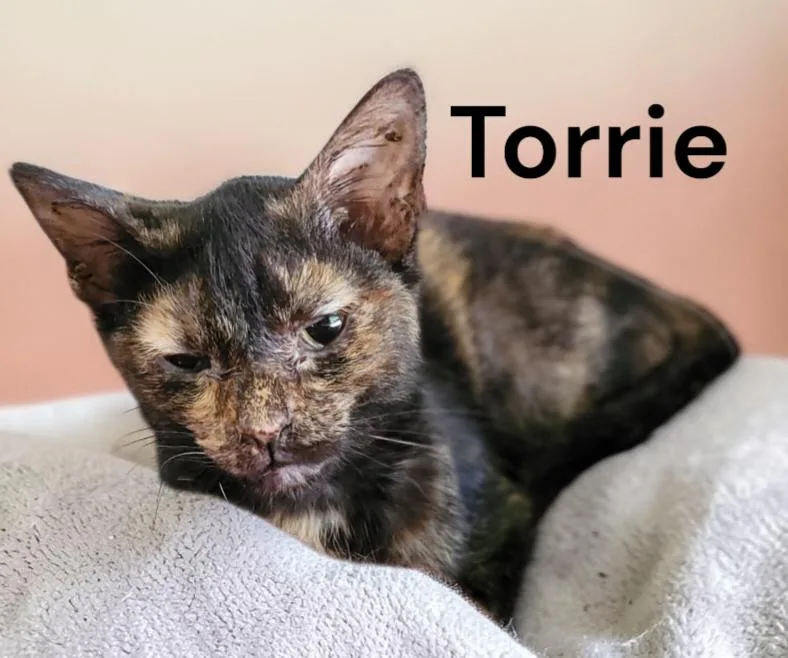
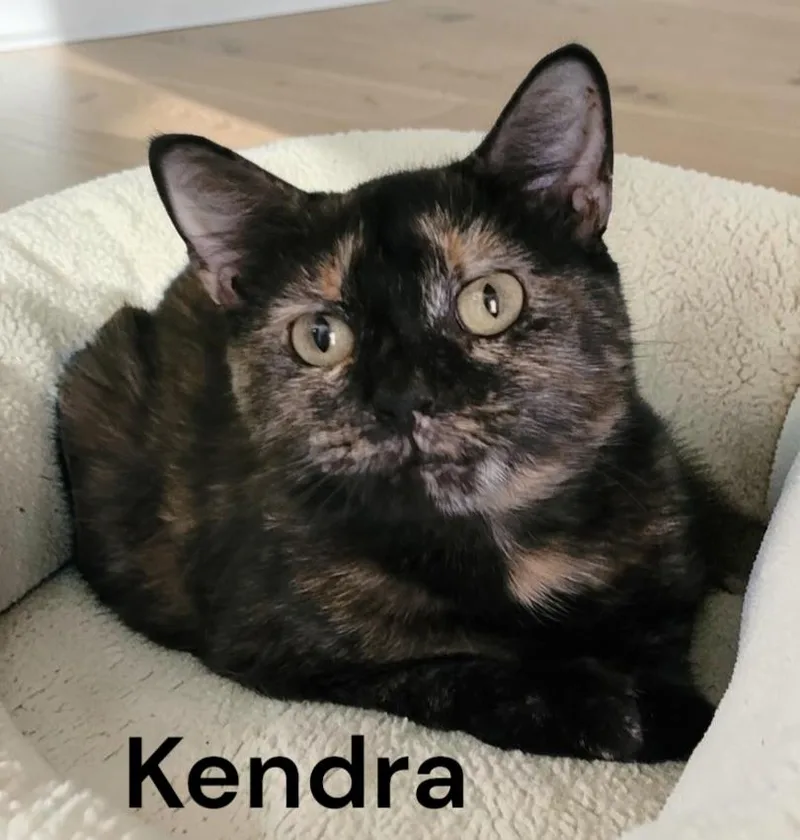
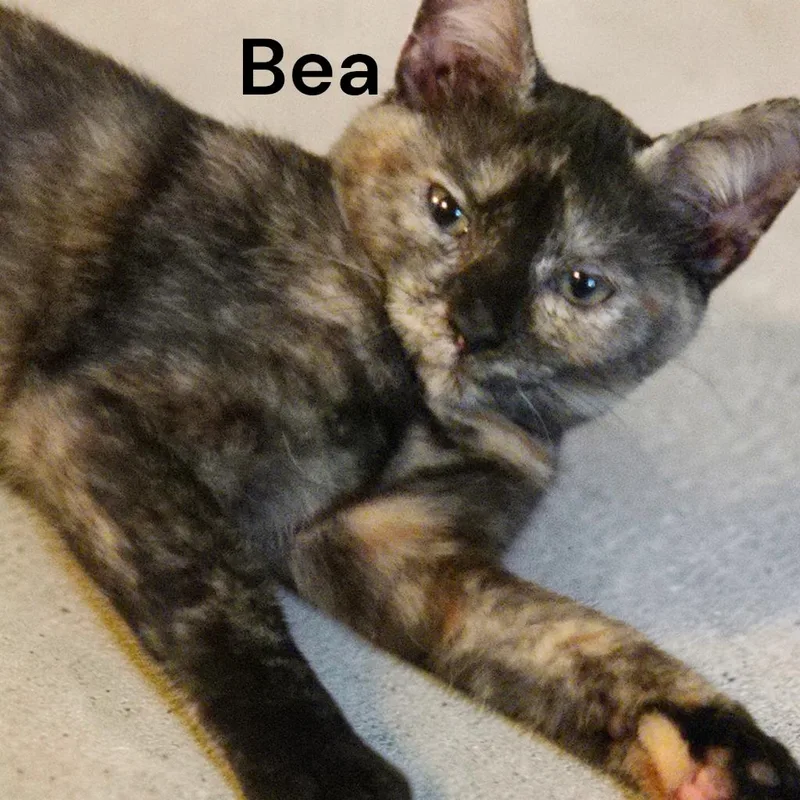
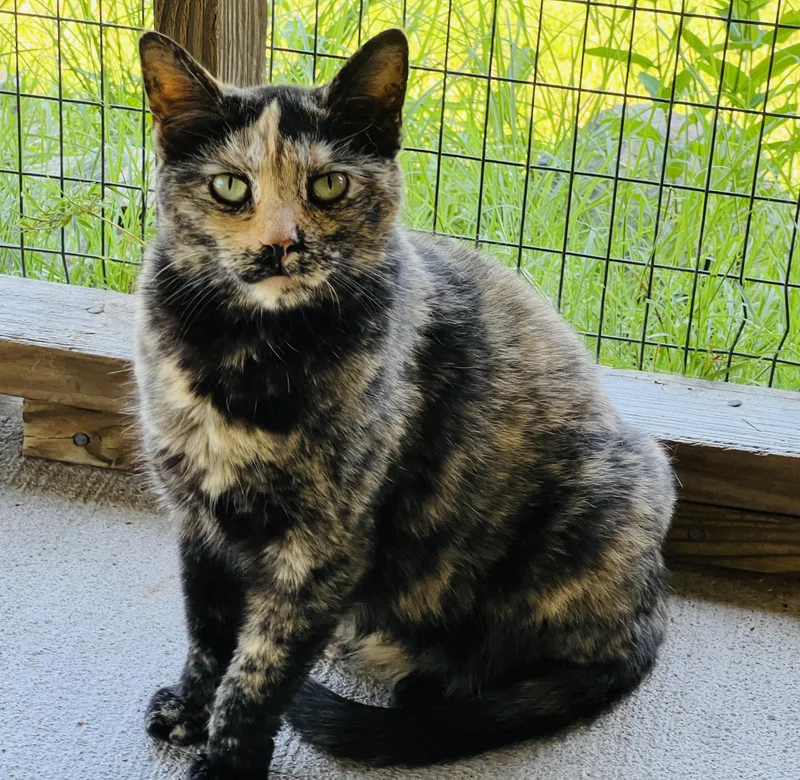
Tortoiseshell Cats for Adoption in Richmond, VA

Your guide to finding and caring for a Tortoiseshell in Richmond

A tortoiseshell cat fits Richmond's loft apartments and old rowhouses equally well. Whether it's a converted Scott's Addition building or an Oregon Hill townhouse, a tortie needs little more than a sunny window perch, a scratching post and a few minutes of wand-toy play each day. Because tortoiseshell is a coat pattern, the cats you meet range from shy to bold. Nearly all are female, and with good care many live well past twelve years.

1088 Tortoiseshells available in Richmond and nationwide

Your Tortoiseshell is waiting

While we don't have enough cats near Richmond, keep in mind that many rescues may offer transport.

Tortoiseshells Available for Adoption Near Richmond

About the Tortoiseshell breed

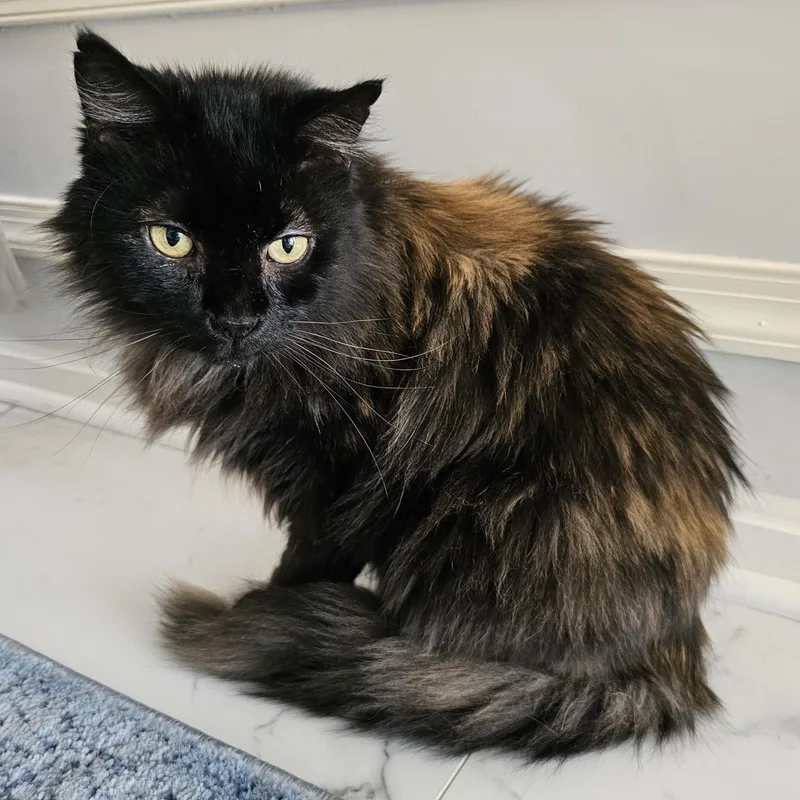
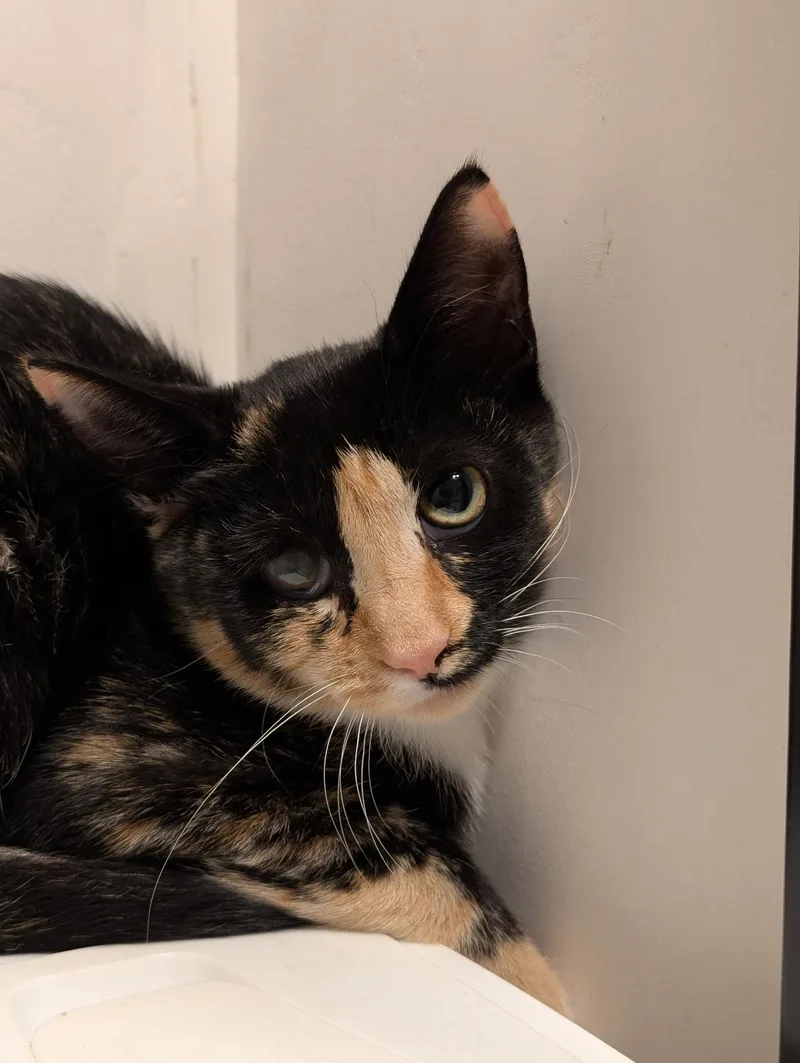
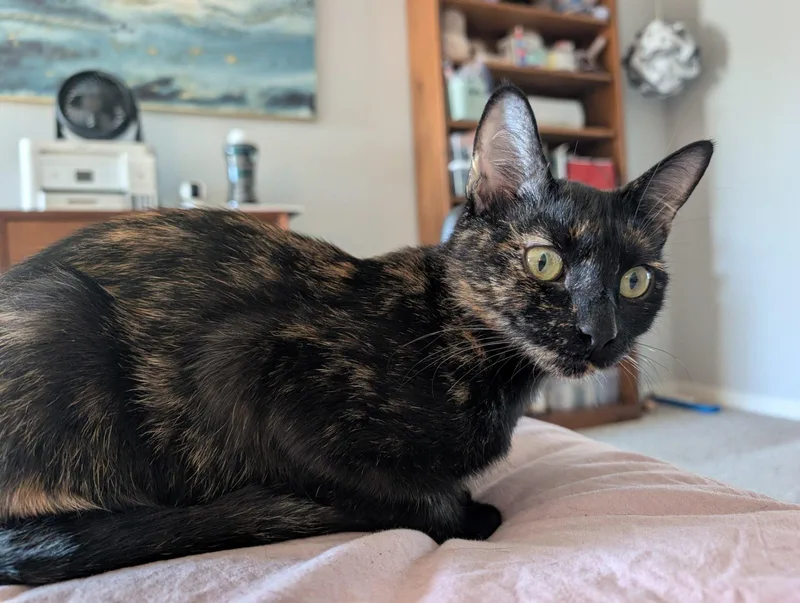
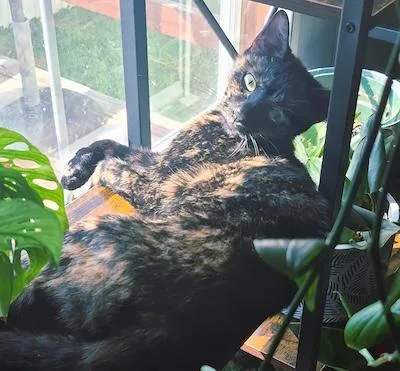
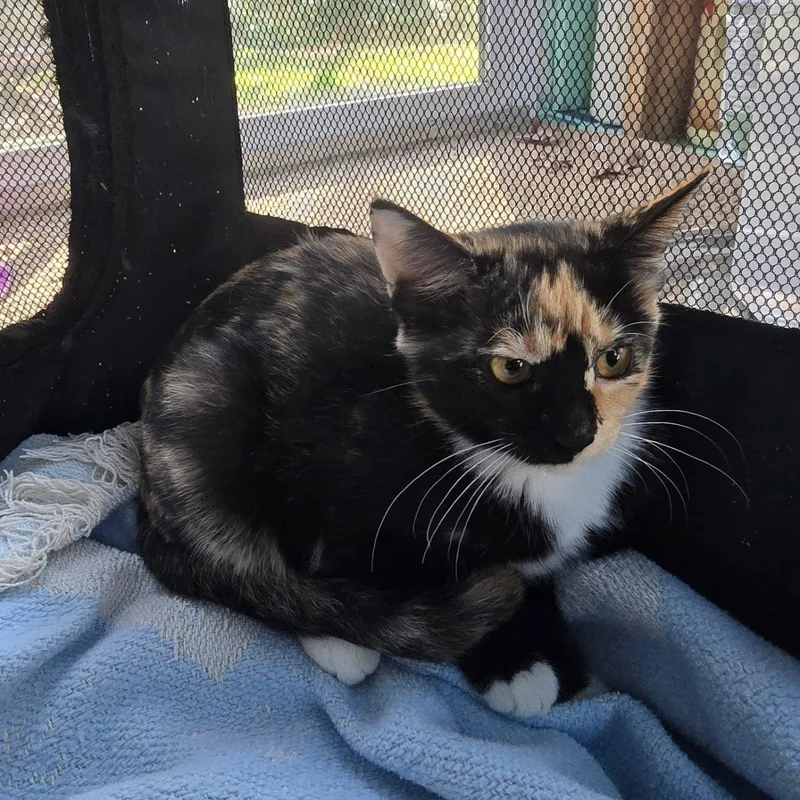
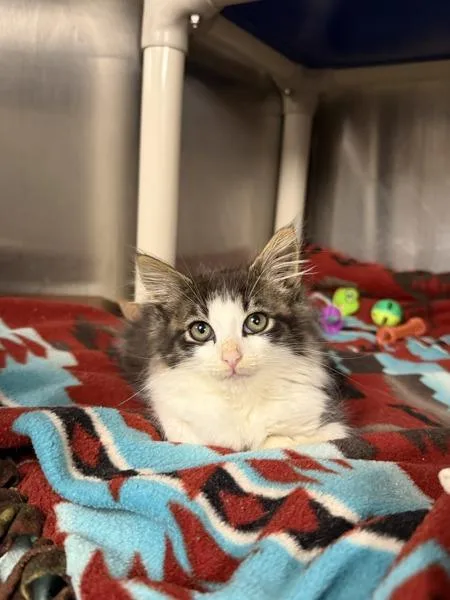
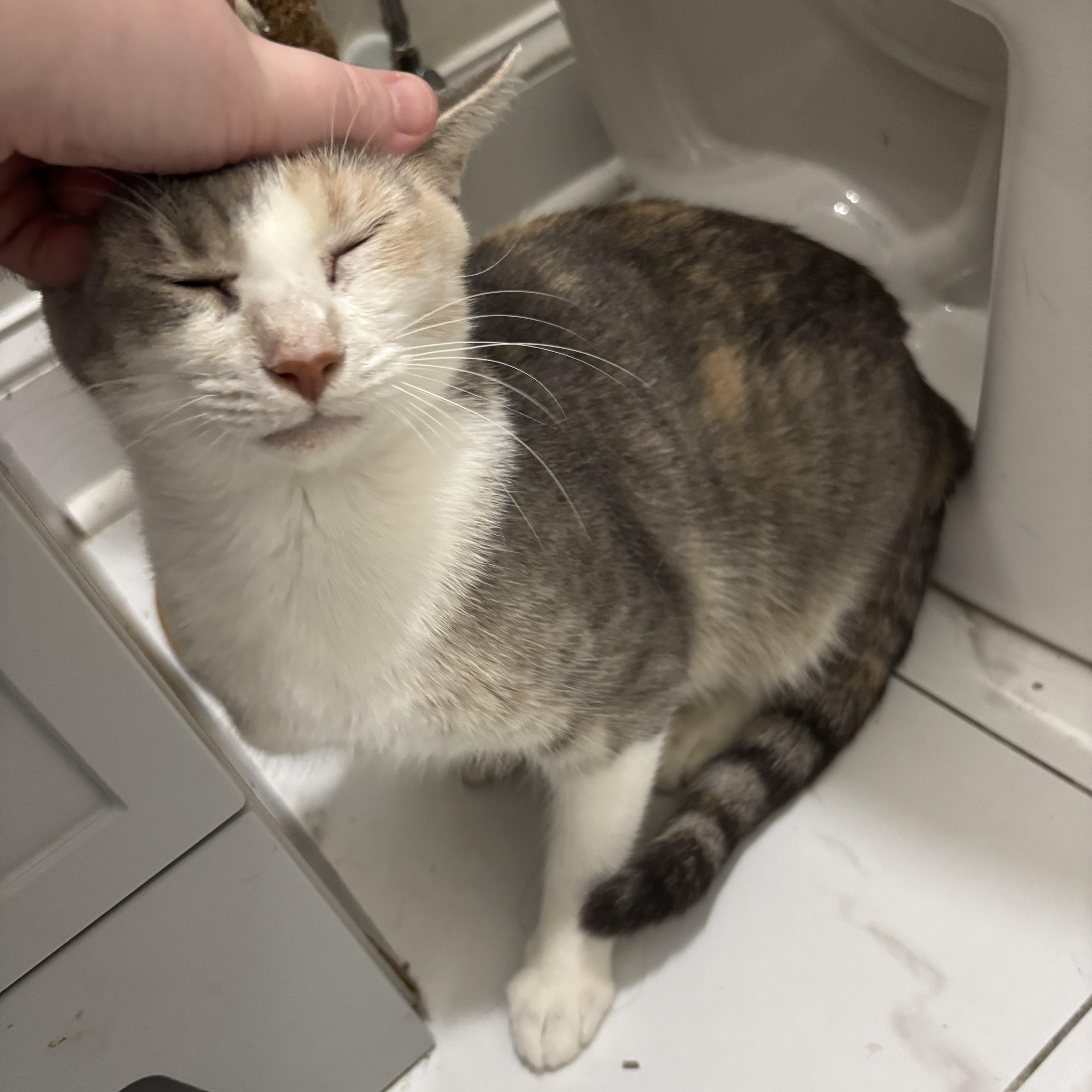
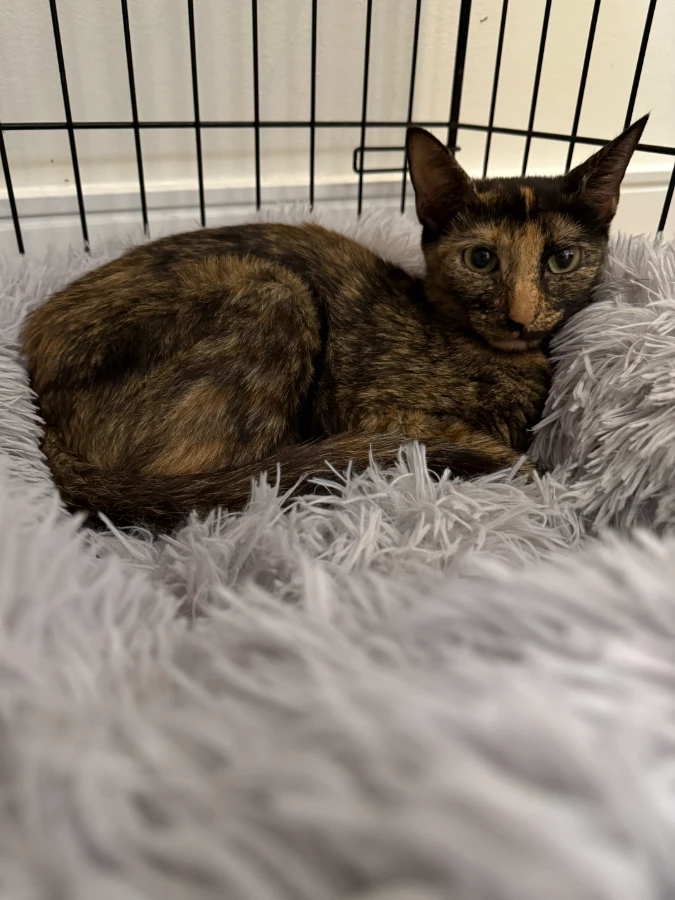
Tortoiseshell isn't a breed but a coat pattern: black-based and orange-based colors mixed in patches or a fine mottle, usually with little white. Because the orange gene sits on the X chromosome, nearly all torties are female. Most are domestic shorthairs, though the pattern also shows up in Maine Coons, Persians, British Shorthairs and other breeds.

Their reputation for "tortitude" rests mostly on owner impressions, so treat it as folklore. A tortie's age, history and socialization say far more about personality than color does. In Richmond, where cats live everywhere from Fulton Hill bungalows to Fan rowhouses split into apartments, a medium-sized, moderately shedding cat with a 12 to 18 year lifespan is a long commitment worth planning for.

Weight
6–14 lbs
Height
8–10 in
Lifespan
12–18 yrs
Temperament
Independent, Affectionate, Playful
Shedding
Moderate

Owning a Tortoiseshell in Richmond

Having a Tortoiseshell in Richmond

Since tortoiseshell describes a coat rather than a breed, a tortie's traits come mostly from ancestry, age and upbringing. The cards below describe what holds for most tortoiseshell cats adopters meet, typically domestic shorthairs, with notes on what matters in Richmond.

Temperament

Torties have a reputation for spirited, opinionated behavior, but the evidence linking coat color to behavior is thin and mostly based on owner impressions. In practice they range from shy to bold and from cuddly to independent. Watch how a cat handles noise, handling and new people, since those habits matter more than color in a busy city home.

Exercise Needs

Most tortoiseshell cats benefit from daily interactive play with wand toys, chase games and puzzle feeders. Kittens and young adults need more activity, while seniors prefer gentler sessions. In Richmond, a window perch overlooking a tree or a street, plus a tall cat tree, gives indoor cats plenty of enrichment without leaving the apartment.

Health Considerations

The tortoiseshell pattern carries no particular health risks for females, while the rare males usually have an extra X chromosome and may face added issues. Otherwise health depends on ancestry, age and care, so yearly exams, dental care and a healthy weight matter most. Richmond has coyotes and other wildlife, so keeping cats indoors is the safer choice.

Living Space

Tortoiseshell cats do well in apartments and houses alike, since space needs depend on the cat rather than the coat. Richmond's mix of converted lofts, Fan rowhouses and Northside bungalows all work with scratching posts, cat trees and cozy hideaways. Shy torties often prefer quieter buildings, while confident, social ones adapt easily to busy households.

What it costs to own a Tortoiseshell in Richmond

ExpenseTypical costPer year
Adoption fee$180 to $200, one time$180 to $200 in year one
Food$25 to $50 per month$300 to $600
Pet insurance$20 to $45 per month$240 to $540
Routine vet care$150 to $350 per year$150 to $350
Other*$460 to $1,160 per year$460 to $1,160
Estimated yearly total (after year one)$1,150 to $2,650
First-year total (with adoption fee)$1,330 to $2,850

Adoption fee is the range of fees on Tortoiseshell listings in Richmond on GetBuddy today. Other costs are estimates and vary with size, age and health.

* The $10 Richmond cat license, litter, flea prevention, a dental cleaning allowance, toys and supplies, and home grooming.

Adopt a Tortoiseshell in Richmond.

Now that you know more, let’s find you a new best friend. These rescues and shelters below currently have Tortoiseshells available.

Frequently Asked Questions

Yes. Richmond has no known rules limiting cats by breed or coat color. What applies to every cat is a $10 annual city license from four months old, current rabies vaccination, and spay or neuter surgery by six months. If you rent, confirm your lease allows cats. You can save a search on this page to hear about new listings.

Often, yes, especially for indoor-focused households. Torties adapt to lofts, rowhouses and bungalows, and Richmond's short winters and mild spring and fall keep homes comfortable. The main trade-offs are summer heat and humidity and occasional storm outages. Since personality varies from shy to bold, look for a cat whose energy matches your daily routine.

Yes, if the cat stays in a closed carrier. GRTC buses and the Pulse allow only service animals and animals that are contained and won't bother other passengers, so a secure carrier on your lap is the way to go. There's no subway or rail in Richmond, and GRTC rides are currently fare-free.

Yes. About 56% of Richmond households rent, and torties generally do well in apartments when they have scratching posts, a cat tree and a window perch. Daily wand-toy play burns off energy. Check your lease for pet terms, and remember Virginia counts a refundable pet deposit toward the two-month security deposit cap.

Yes, when kept indoors. Richmond averages about 45 days a year at or above 90°F, with warm, humid nights, so use air conditioning or fans, shade and fresh water. Paved neighborhoods run noticeably hotter, and a dark coat warms quickly in sunny spots. Never leave a cat in a parked car; call 911 if you see one in distress.

Most tortoiseshell cats are shorthairs and need only a weekly brushing, with a bit more during spring shedding. Long-haired torties need brushing several times a week to prevent mats, especially in humid summers. Home grooming is inexpensive and falls within the Other costs above, though professional grooming for a long coat would add to them.

A tortoiseshell cat is a cat with a coat pattern of black-based and orange-based colors blended or patched together, usually with little or no white. It is not a breed; the pattern appears in many breeds and most often in domestic shorthairs. Nearly all tortoiseshells are female because the genes for orange and black are carried on the X chromosome.

Almost all tortoiseshell cats are female, but not all. A female has two X chromosomes and can carry both orange and black color genes, producing the mixed coat. Males normally have only one X. Rare male torties usually have an extra X chromosome or are genetic chimeras, and they are estimated at roughly 1 in 3,000 tortoiseshells.

We have 2 rescues with Tortoiseshells available: Cats Cradle of Greater Richmond Inc. and LiFELINE R&R. You can see every rescue with Tortoiseshells available in the list above these questions, or scroll to the top to see the Tortoiseshells near Richmond.

Expect roughly $1,150 to $2,650 a year for a tortoiseshell cat in Richmond. Food runs $25 to $50 a month and pet insurance $20 to $45 a month, while routine vet care costs $150 to $350 a year. Other yearly costs, including the city license, litter and prevention, add $460 to $1,160.