Domestic Short Hair Cats for Adoption in Norfolk, VA

Your guide to finding and caring for a Domestic Short Hair in Norfolk

A Domestic Short Hair suits Norfolk's older apartment buildings and bungalows well. In Park Place, the 1910s and '20s apartment buildings have the windows a cat likes to watch from, and Fairmount Park's tree-lined bungalow streets give a cat plenty of sunny rooms to claim. DSH isn't a breed but a short-coated cat of mixed ancestry, so personalities run from lap cat to window watcher. Most are happy as indoor cats, which keeps them clear of traffic and Norfolk's flooded streets.

48 Domestic Short Hairs available for adoption in Norfolk

Find your Domestic Short Hair

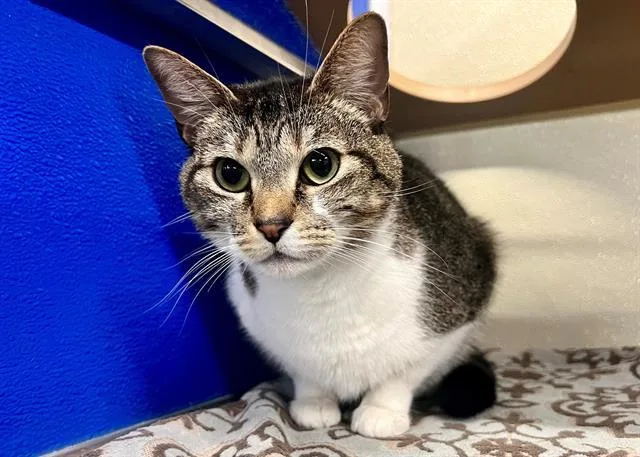
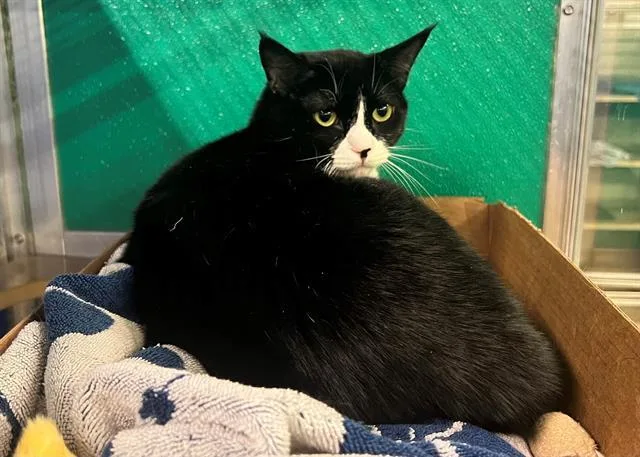
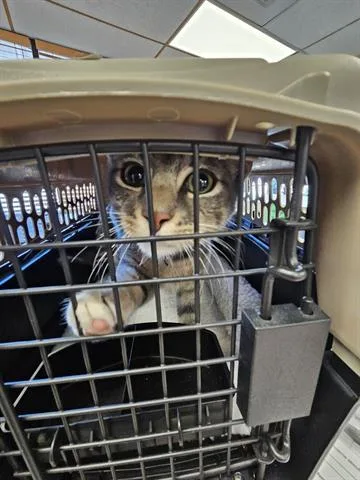
Domestic Short Hairs Available for Adoption in Norfolk

About the Domestic Short Hair breed

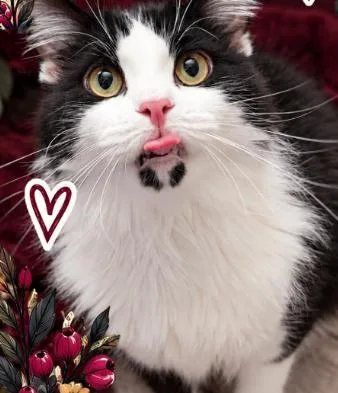
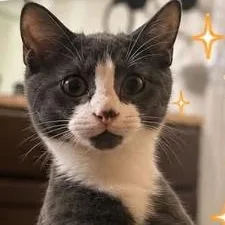
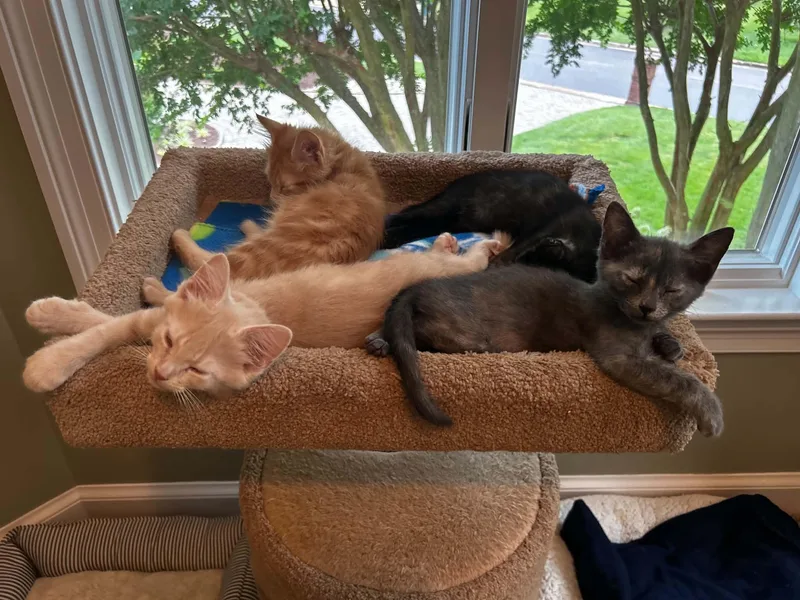
Domestic Short Hair is a label for a short-coated cat of mixed or unknown ancestry rather than a pedigreed breed, and you'll often see it shortened to DSH on adoption records. These are the most common cats in American homes, and they come in every color and pattern, from tabby and tuxedo to calico and solid black. Most are medium-sized, usually 6 to 14 pounds, and many live 12 to 18 years.

Because the gene pool is so wide, personality varies as much as looks. Some DSH cats are lap sitters, some are talkative, and others would rather watch the street from a windowsill. Their short coats are easy to care for, so what matters most is a cat's age, energy and comfort with other pets or children, which you can start reading from each cat's profile.

Weight
6–14 lbs
Height
8–10 in
Lifespan
12–18 yrs
Temperament
Adaptable, Curious, Affectionate
Shedding
Moderate

Owning a Domestic Short Hair in Norfolk

Having a Domestic Short Hair in Norfolk

A Domestic Short Hair is defined by a practical coat, not a set personality. In Norfolk, the useful decisions are about indoor enrichment, summer comfort and storm readiness, and a cat's age and energy tell you more than its label.

Temperament

Domestic Short Hairs range from outgoing lap cats to quiet watchers, and no coat or label guarantees either. Many adapt to apartment routines and to other pets with slow introductions. Kittens tend to be bold and playful, while adult cats show settled personalities you can read in how they respond to handling and new sounds.

Exercise Needs

Plan on daily interactive play, with wand toys, chase games and food puzzles, in short sessions. Indoor Norfolk cats get most of their exercise at home, so add climbing shelves and a window perch for watching the street and birds. Kittens want several bursts a day, while seniors do well with gentler play.

Health Considerations

DSH cats commonly face obesity, dental disease, urinary problems and, later in life, kidney disease, hyperthyroidism and diabetes. A veterinarian can check weight, teeth and signs of illness at the first visit. In Norfolk's warm, humid climate, flea and tick prevention through the long warm season and rabies vaccination are worth planning for.

Living Space

Norfolk's mix of older apartment buildings, condos and bungalows all work for a Domestic Short Hair. A clean litter box, scratching posts, a hiding spot and a high perch matter more than square footage. Keep window screens secure, since cats can fall from open windows and balconies.

What it costs to own a Domestic Short Hair in Norfolk

ExpenseTypical costPer year
Adoption fee$50 to $185, one time$50 to $185 in year one
Food$25 to $50 per month$300 to $600
Pet insurance$20 to $45 per month$240 to $540
Routine vet care$150 to $350 per year$150 to $350
Other*$455 to $1,155 per year$455 to $1,155
Estimated yearly total (after year one)$1,145 to $2,645
First-year total (with adoption fee)$1,195 to $2,830

Adoption fee is the range of fees on Domestic Short Hair listings in Norfolk on GetBuddy today. Other costs are estimates and vary with size, age and health.

* The $5 Norfolk cat license for a spayed or neutered cat, litter, flea and tick prevention, a dental cleaning allowance, toys, scratchers and other supplies, and minimal home grooming.

Adopt a Domestic Short Hair in Norfolk.

Now that you know more, let’s find you a new best friend. These rescues and shelters below currently have Domestic Short Hairs available.

Rescues in Norfolk with Domestic Short Hairs Available

Norfolk has a city-run shelter and nonprofit rescues that place cats of all ages, colors and personalities into loving homes. Here are the rescues & shelters in the Norfolk area where you can find Domestic Short Hairs and other cats available for adoption.

Frequently Asked Questions

Yes, you can own a Domestic Short Hair in Norfolk, and no breed restrictions are known. Norfolk requires an annual license for cats from 4 months old, after a current rabies vaccination, and the fee is lower for spayed or neutered cats. A home may have up to four adult cats and four adult dogs.

Only on buses, and only in a small carrier. Hampton Roads Transit allows animals on buses and trolleys if they're in a small cage that doesn't need its own seat. The Tide light rail doesn't allow pets at all, apart from service animals. Use a secure, well-ventilated carrier for any bus trip, such as a vet visit.

Yes, most Domestic Short Hairs do well in apartments, since enrichment matters more than square footage. Get landlord approval in writing, then set up a window perch, a scratching post, a hiding spot and a litter box away from food. Secure window screens, especially in older buildings with tall windows or balconies.

Yes, Norfolk's mild winters and humid summers suit an indoor Domestic Short Hair well. Summer is the main concern, with roughly 36 to 42 days a year reaching 90°F and nights near 71°F, so keep air conditioning or fans on and water available. Hurricane season and tidal flooding make a ready carrier and supplies worthwhile.

Very little. A Domestic Short Hair's coat usually needs a quick brushing once or twice a week, a bit more during seasonal shedding, and Norfolk's humidity doesn't change that much. Most cats don't need professional grooming, so costs stay small within the Other line of about $455 to $1,155 a year, which also covers litter and dental care.

Probably not. Virginia lets restaurants opt in to dogs on open patios with a separate entrance and posted signs, but that rule covers only dogs, and pets aren't allowed in dining rooms. Noise and crowds also stress many cats, so a Domestic Short Hair is usually happier at home. Service animals follow disability law.

Domestic shorthair cats typically live about 12 to 18 years, and many indoor cats reach their late teens or early twenties. Large UK veterinary studies have found mixed-breed cats tend to live slightly longer than pedigreed cats on average. Spaying or neutering, indoor living, a healthy weight, dental care and regular checkups all help a cat enjoy a longer life.

No, domestic shorthair cats are not hypoallergenic. The main cat allergen, a protein called Fel d 1, comes from saliva and skin glands, so short fur does not prevent reactions. Allergen levels vary between individual cats, and some people react less to certain cats. Spending time with a specific cat before adopting is the best way to test your response.

We have 3 rescues with Domestic Short Hairs available: Norfolk Animal Care Center, Feral Affairs Network and Cat Team 7. You can see every rescue with Domestic Short Hairs available in the list above these questions, or scroll to the top to see the Domestic Short Hairs in Norfolk.

Plan on roughly $1,145 to $2,645 a year for a Domestic Short Hair in Norfolk. That covers food at $25 to $50 a month, insurance at $20 to $45 a month, routine vet care of $150 to $350 a year, and $455 to $1,155 for other costs such as litter, dental care and parasite prevention.

Explore Other Breeds in Norfolk

Looking for a different breed? Browse other cats available for adoption in Norfolk.