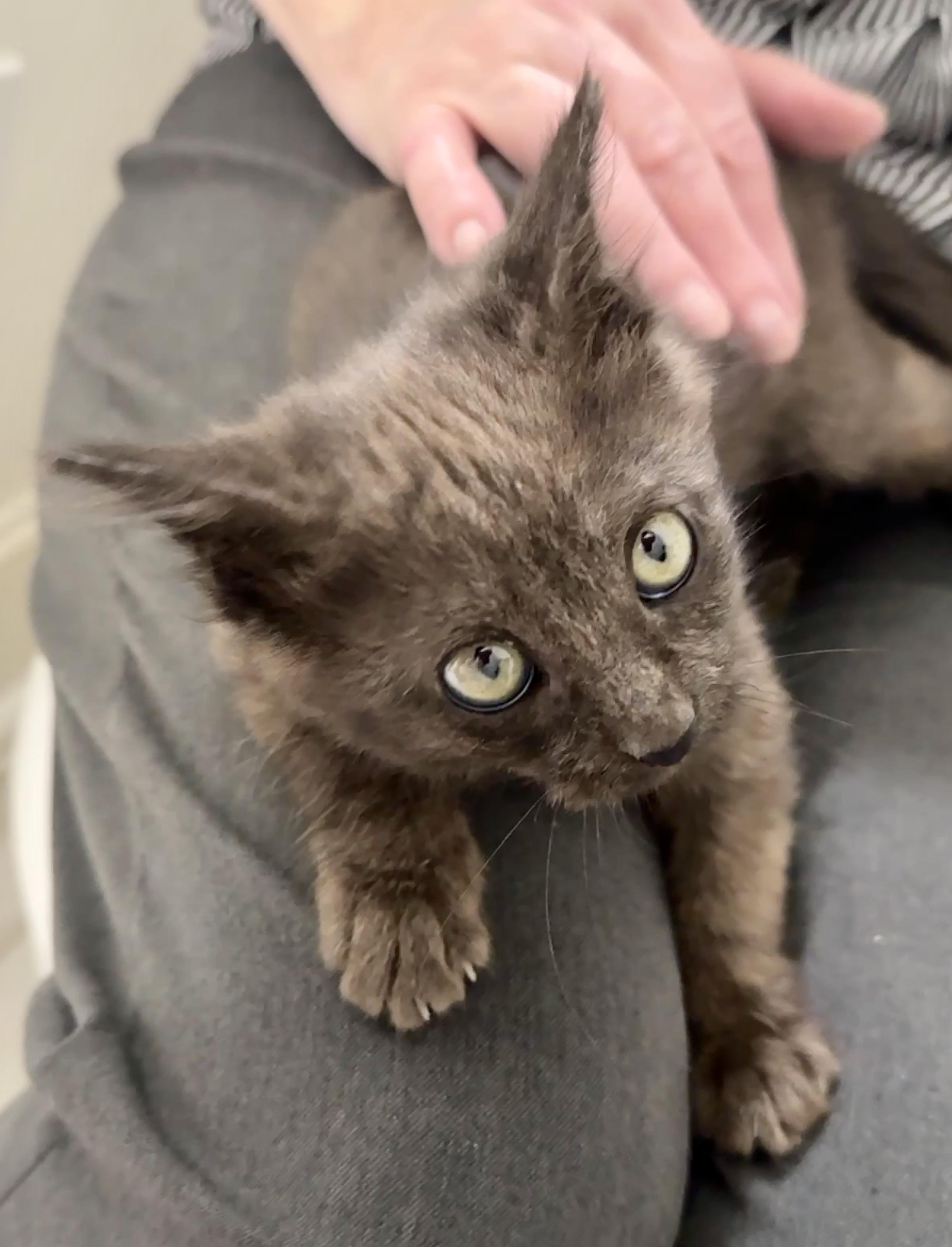
Tortoiseshell Cats for Adoption in Houston, TX

Your guide to finding and caring for a Tortoiseshell in Houston

Tortoiseshell cats do well in Houston because most of them are perfectly happy living indoors. A tortie in a Midtown apartment or a Sharpstown complex can stay busy with a window perch, a cat tree and a wand toy. Torties are a coat pattern rather than a breed, so you may meet a bold one and a shy one on the same day. When Houston afternoons turn hot, a shady windowsill is where many end up.

19 Tortoiseshells available for adoption in Houston

Your Tortoiseshell is waiting

Tortoiseshells Available for Adoption in Houston

About the Tortoiseshell breed

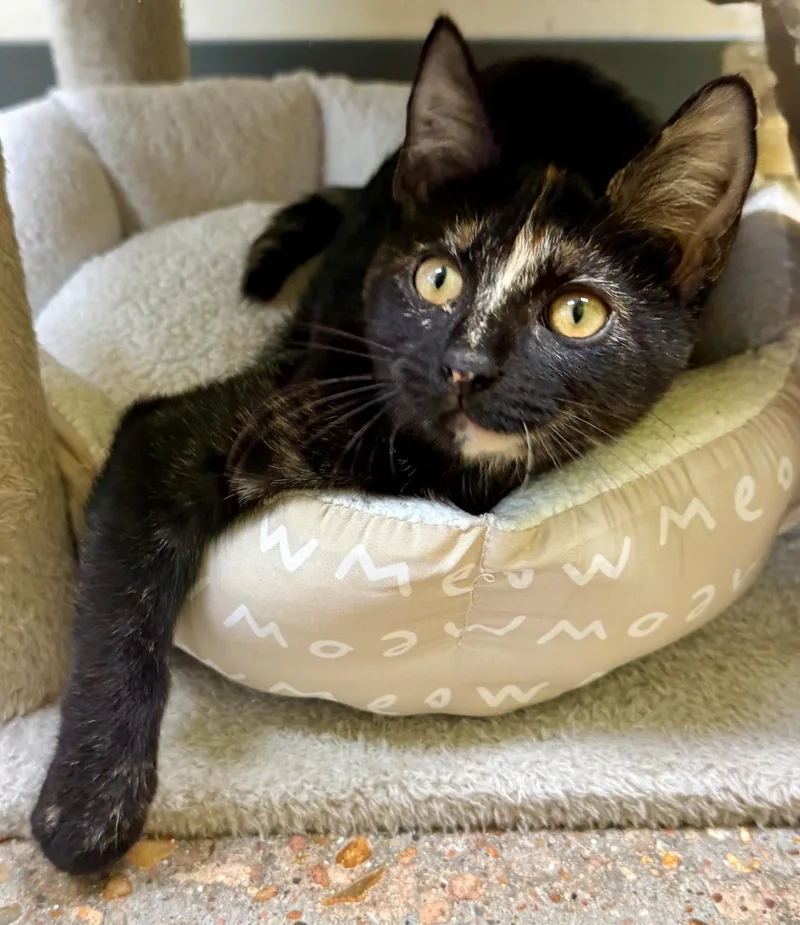
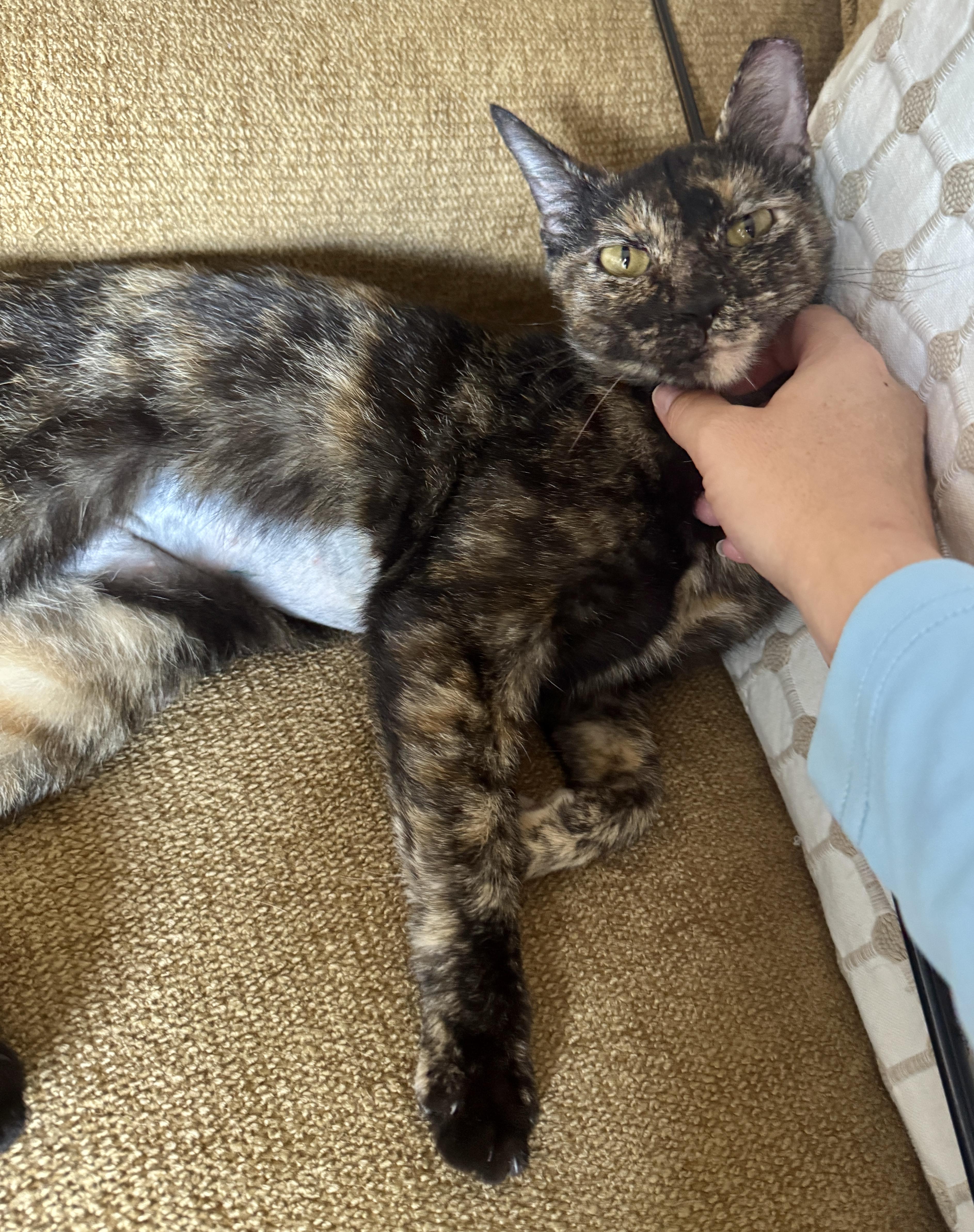
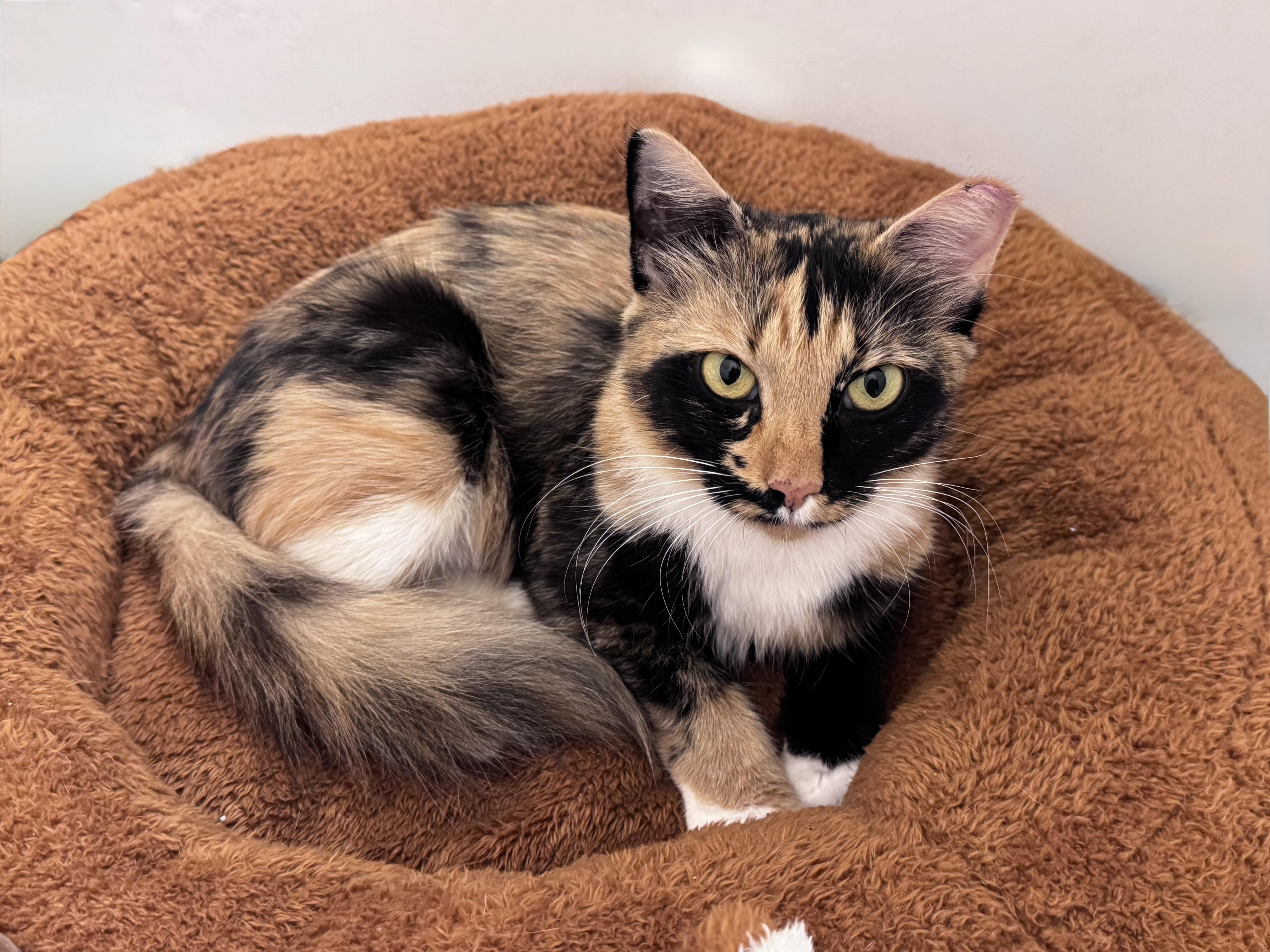
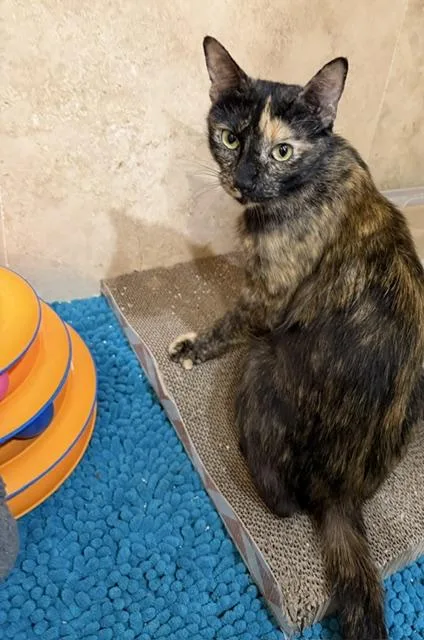
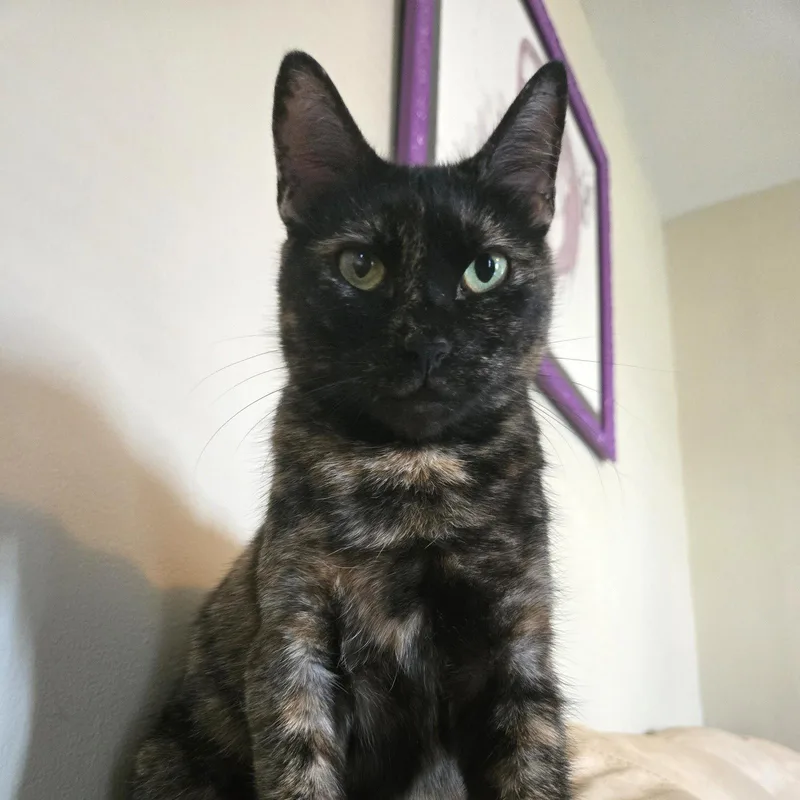
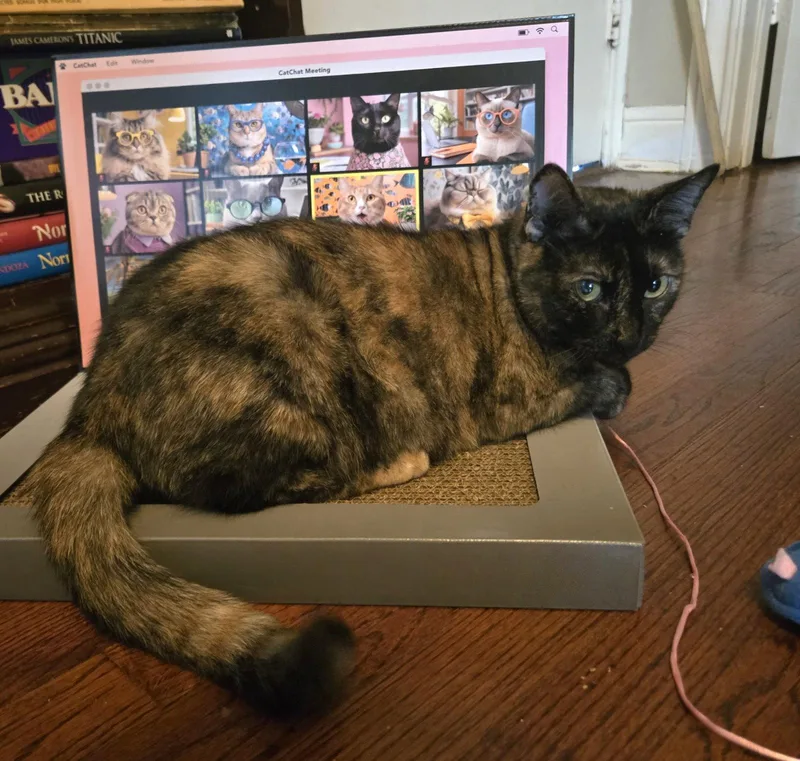
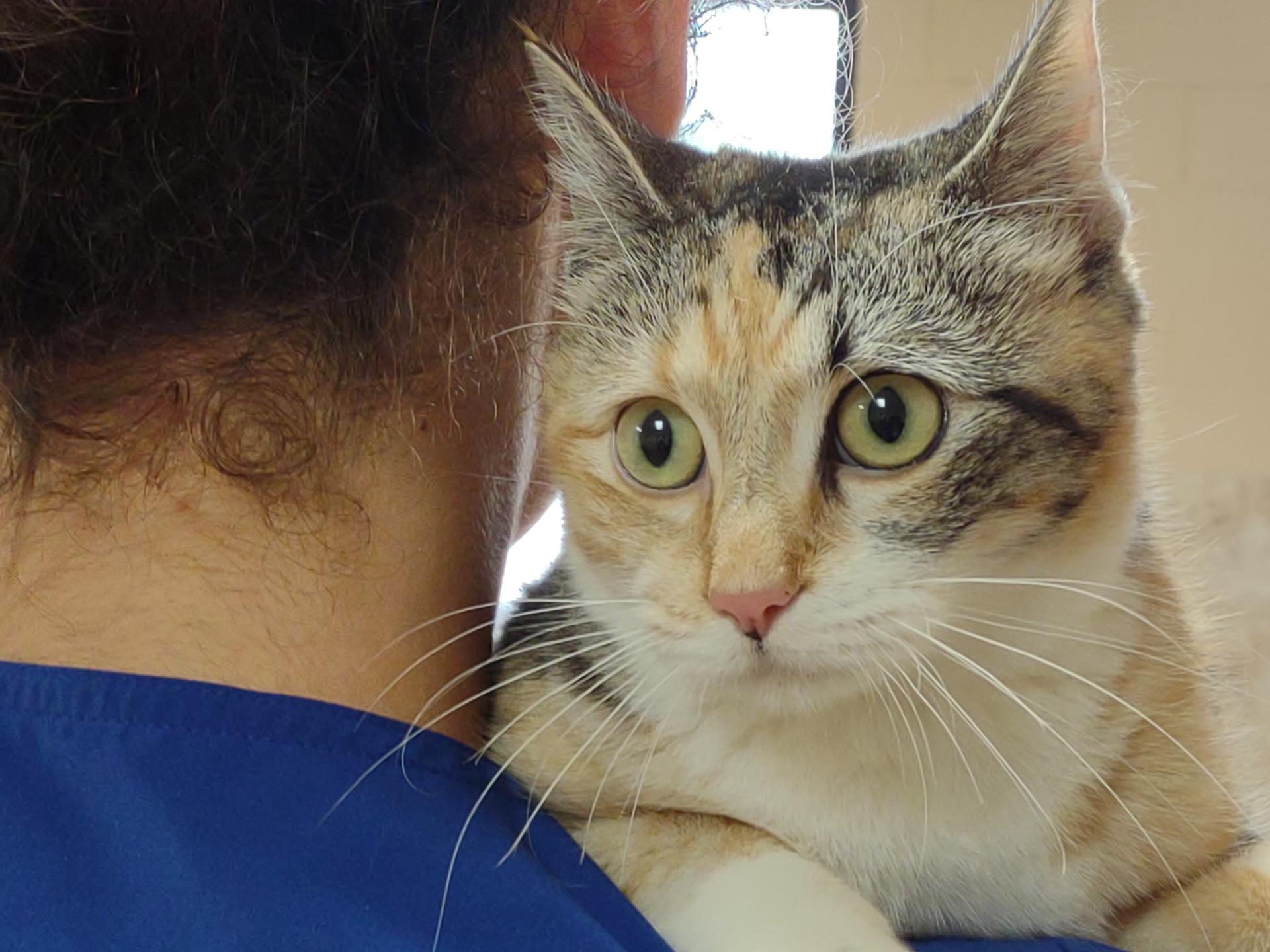
Tortoiseshell is a coat pattern, not a breed. A tortie's fur mixes black-based and orange-based colors in patches or a fine mottled blend, usually with little or no white. Add large white areas and you have a calico; add stripes and you have a torbie. Because the orange gene sits on the X chromosome, nearly all torties are female.

Most torties in Houston homes are domestic shorthairs, though the pattern also turns up in Persians, Maine Coons and British Shorthairs. Their reputation for tortitude is mostly folklore built on owner impressions. A cat's age, history and socialization say far more about personality than coat color, so plan for the cat in front of you rather than the stereotype. Expect moderate shedding and a lifespan of 12 to 18 years.

Weight
6–14 lbs
Height
8–10 in
Lifespan
12–18 yrs
Temperament
Independent, Affectionate, Playful
Shedding
Moderate

Owning a Tortoiseshell in Houston

Having a Tortoiseshell in Houston

Tortoiseshell describes a coat, not a breed, so these traits reflect the domestic cats that wear it. In Houston, the practical factors are indoor living, heat, mosquito season, and keeping an apartment-sized space interesting.

Temperament

Torties have a reputation for spirited, opinionated personalities, nicknamed tortitude, but the evidence is thin and mostly based on owner surveys. Apartment life in Houston suits a confident, social tortie as easily as a quiet one. Spend time with the cat and read its listing to see how it handles noise, visitors and routine.

Exercise Needs

Most torties benefit from daily interactive play such as wand toys, chase games and puzzle feeders, with more energy from young cats and gentler sessions for seniors. Indoor cats in Houston can climb a cat tree, watch birds from a window perch, or play in the evening once the heat has eased.

Health Considerations

The tortoiseshell pattern carries no particular health risks in females, while the rare males often have an extra X chromosome and may need more veterinary attention. Houston's mosquitoes carry heartworm, so ask a veterinarian about parasite prevention, and keep checkups, dental care and a healthy weight on the schedule.

Living Space

Tortoiseshell cats fit apartments and houses equally well, since space needs depend on the cat rather than the coat. In Houston, where cats are expected to live indoors, cat trees, scratching posts, window perches and a hiding spot or two keep a tortie comfortable, whether in a high-rise or a bungalow.

What it costs to own a Tortoiseshell in Houston

ExpenseTypical costPer year
Adoption fee$100 to $425, one time$100 to $425 in year one
Food$25 to $50 per month$300 to $600
Pet insurance$20 to $45 per month$240 to $540
Routine vet care$150 to $350 per year$150 to $350
Other*$470 to $1,170 per year$470 to $1,170
Estimated yearly total (after year one)$1,160 to $2,660
First-year total (with adoption fee)$1,260 to $3,085

Adoption fee is the range of fees on Tortoiseshell listings in Houston on GetBuddy today. Other costs are estimates and vary with size, age and health.

* The $20 Houston registration for an altered cat, litter, flea and parasite prevention, a dental cleaning allowance, toys and supplies, and home grooming.

Adopt a Tortoiseshell in Houston.

Now that you know more, let’s find you a new best friend. These rescues and shelters below currently have Tortoiseshells available.

Rescues in Houston with Tortoiseshells Available

Houston's rescue community includes the city shelter BARC and dozens of partner groups placing thousands of pets each year. Here are the rescues & shelters in the Houston area where you can find Tortoiseshells and other cats available for adoption.

Frequently Asked Questions

Yes, you can. Houston has no breed bans, and coat color doesn't matter anyway. The city requires cats four months and older to be registered, with a current rabies certificate and a microchip, for $20 a year if the cat is spayed or neutered. Cats are also expected to live indoors in Houston, which suits most torties well.

Yes, apartments suit most torties, since space needs depend on the cat rather than coat color. Houston's dense apartment districts, from Midtown to Sharpstown, work well for indoor cats. Give the cat a window perch, a tall cat tree and daily play, and confirm your lease's pet rules and fees before moving in.

It can be, as long as the cat lives indoors with air conditioning. Houston summers are long, hot and humid, and a tortie's coat color doesn't change its heat tolerance, though longhaired cats may feel it more. Keep water available, never leave a cat in a parked car, and plan for power outages during hurricane season, June through November.

Yes, but only in a carrier. METRO allows pets on its buses and METRORail light rail if they're transported and properly restrained in an animal carrier at all times, while service animals follow different rules. Choose a sturdy carrier your tortie can stand and turn around in, and check current fares with METRO before you ride.

Usually very little, since coat length depends on the cat's ancestry rather than its color. Brush a shorthaired tortie about once a week and a longhaired one several times a week to manage moderate shedding. A longhaired cat may be more comfortable with a trim in summer, which a groomer or veterinarian can advise on. Home grooming supplies fall under the Other cost line.

Often, yes, for people who can keep a cat indoors and cool. Torties range from shy to bold, so match the cat's energy to your routine rather than its coat. Houston life suits a home with air conditioning, evening play and a plan for storms. Browse the cats on this page to compare torties of different ages and temperaments.

A tortoiseshell cat is a cat with a coat pattern of black-based and orange-based colors blended or patched together, usually with little or no white. It is not a breed; the pattern appears in many breeds and most often in domestic shorthairs. Nearly all tortoiseshells are female because the genes for orange and black are carried on the X chromosome.

Almost all tortoiseshell cats are female, but not all. A female has two X chromosomes and can carry both orange and black color genes, producing the mixed coat. Males normally have only one X. Rare male torties usually have an extra X chromosome or are genetic chimeras, and they are estimated at roughly 1 in 3,000 tortoiseshells.

We have 8 rescues with Tortoiseshells available, including HOPE (Homeless & Orphaned Pets Endeavor), Save A Purrfect Cat Rescue and Pet Connect Rescue, Inc.. You can see every rescue with Tortoiseshells available in the list above these questions, or scroll to the top to see the Tortoiseshells in Houston.

Plan on roughly $25 to $50 a month for food, $20 to $45 a month for pet insurance, and $150 to $350 a year for routine vet care. Other yearly costs, including litter, parasite prevention, dental care, supplies and the city's $20 registration, run about $470 to $1,170. Figures vary with the cat's age, size and health.