British Shorthair Cats for Adoption in Maryville, TN

Your guide to finding and caring for a British Shorthair in Maryville

61 British Shorthairs available in Maryville and nationwide

Meet a British Shorthair who needs you

While we don't have enough cats near Maryville, keep in mind that many rescues may offer transport.

British Shorthairs Available for Adoption Near Maryville

About the British Shorthair breed

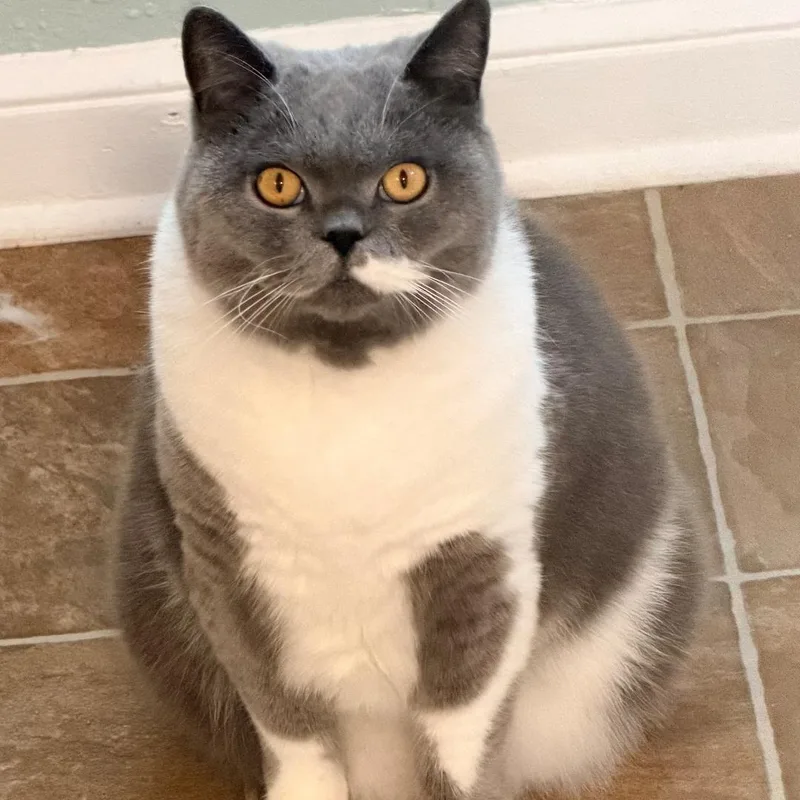
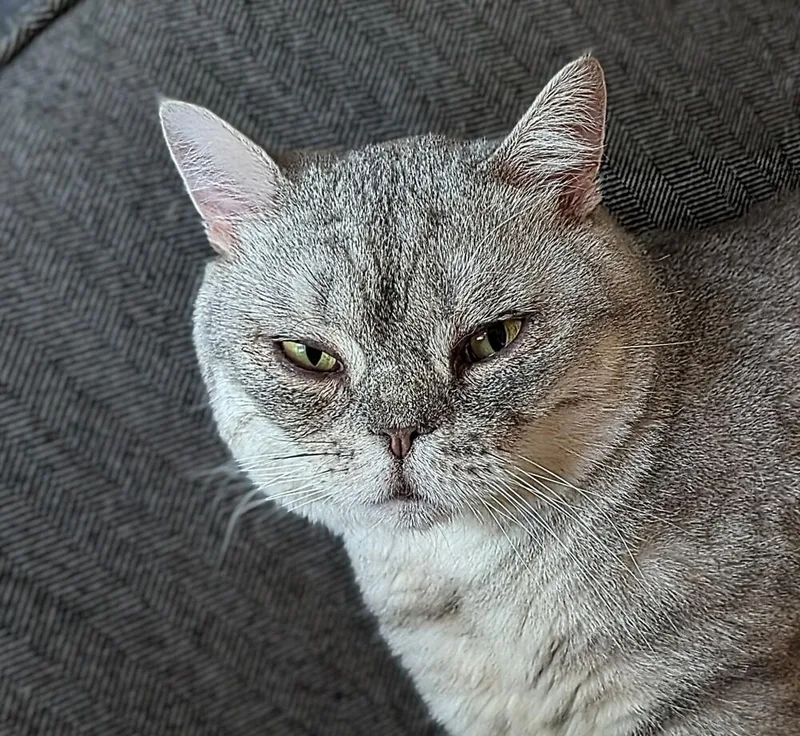
Round-faced, thick-bodied and wrapped in one of the densest coats in the cat world, the British Shorthair grew from the working street and farm cats of Britain. It appeared at the first organized cat show in London in 1871, nearly vanished during the world wars, and was rebuilt with help from Persian and other outcrosses. The plush blue cat with copper eyes is the classic image, though the breed comes in dozens of colors and patterns.

Many British Shorthairs are calm, quiet companions that like to stay near their people without demanding constant attention or a lap. They often dislike being carried and prefer play that keeps four feet on the floor. Adopters should plan for a slow-maturing cat that may not fill out until about three years old, careful portions to prevent weight gain, and veterinary attention to heart and kidney health.

Weight
7–17 lbs
Height
12–14 in
Lifespan
12–17 yrs
Temperament
Calm, Easygoing, Affectionate
Shedding
Moderate

Owning a British Shorthair in Maryville

Having a British Shorthair in Maryville

A British Shorthair's charm usually lies in its steady, unhurried personality and its sturdy, teddy-bear build. Knowing how its low-key energy, dense shedding coat, appetite and inherited heart and kidney risks play out helps adopters plan for a long, comfortable life together.

Temperament

British Shorthairs tend to be even-tempered, quiet and content to follow their people from room to room rather than climb into laps. Many tolerate respectful children and calm pets well, though most dislike being picked up or carried. Some are reserved with strangers at first. A shelter cat's history shapes its comfort level more than breed reputation does.
Exercise Needs

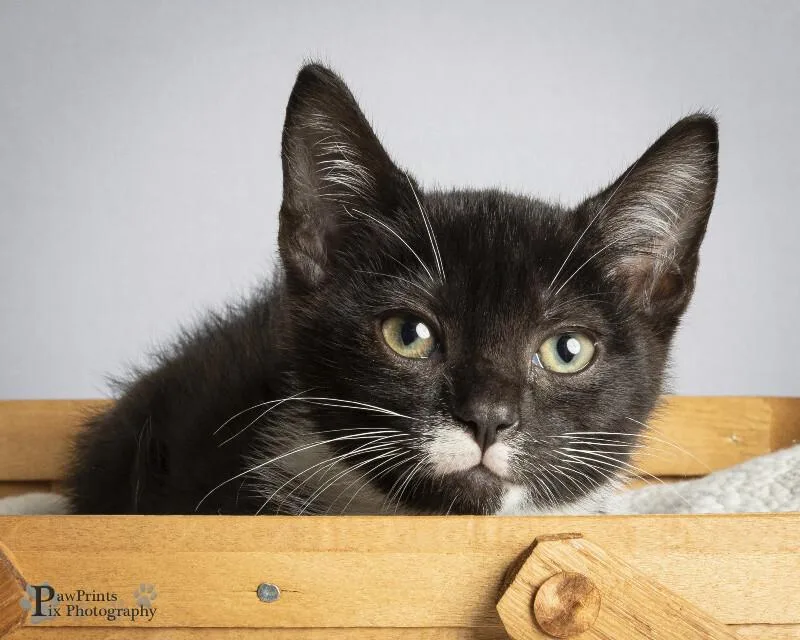
Most British Shorthairs are moderate in energy and happy with a few short play sessions a day, especially chase games with wand toys or toy mice. They rarely seek out high shelves, so floor-level play and puzzle feeders work well. Regular activity matters because this breed gains weight easily once it reaches adulthood.

Health Considerations

British Shorthairs can be affected by hypertrophic cardiomyopathy, a thickening of the heart muscle that is more common in males, and some lines carry polycystic kidney disease. Obesity and dental disease are frequent, preventable problems. Many cats of the breed have blood type B, which matters for transfusions. Schedule regular veterinary checkups.

Living Space

A British Shorthair usually adapts well to apartments or houses because it is quiet and not a climber or acrobat. A sturdy scratching post, a low cat tree, a sunny window perch and a spot near the family suit it well. Indoor living keeps this placid, slow-to-flee cat safe from traffic and predators.

What it costs to own a British Shorthair

ExpenseTypical costPer year
Adoption fee$100, one time$100 in year one
Food$30 to $60 per month$360 to $720
Pet insurance$30 to $65 per month$360 to $780
Routine vet care$150 to $350 per year$150 to $350
Other*$450 to $1,150 per year$450 to $1,150
Estimated yearly total (after year one)$1,320 to $3,000
First-year total (with adoption fee)$1,420 to $3,100

Adoption fee is the fee on British Shorthair listings in Maryville on GetBuddy today. Other costs are national averages for British Shorthairs; we don't have costs specific to Maryville yet.

* Litter, flea prevention, a dental cleaning allowance, toys, scratchers and other supplies, and weekly home brushing for the dense short coat.

Adopt a British Shorthair in Maryville.

Now that you know more, let’s find you a new best friend. These rescues and shelters below currently have British Shorthairs available.

Frequently Asked Questions

British Shorthairs commonly live about 12 to 17 years, and many healthy indoor cats reach their late teens. Swedish insurance data found most lived past ten, though a UK veterinary study reported a lower average because of early deaths. Keeping a British Shorthair lean, brushing its teeth and screening for heart and kidney disease all help support a longer life.

No, British Shorthairs are not hypoallergenic. Their dense coat sheds, and like all cats they produce the Fel d 1 allergen in saliva and skin, which spreads onto fur during grooming. People with mild allergies sometimes cope with frequent brushing, air purifiers and a cat-free bedroom, but spending time with the specific cat before adopting is the safest test.

British Shorthairs can be capable hunters, since the breed grew out of working cats that kept British farms, homes and streets free of rodents. Most pet British Shorthairs today are more relaxed than driven, and many prefer stalking toy mice and wand toys. Their prey drive is still real, so keep small pets like birds and hamsters securely separated.

You can adopt a British Shorthair through animal shelters, general cat rescues and breed-specific rescues that place pedigreed and shorthaired cats. Saving searches on adoption sites helps, because purebreds appear less often than domestic cats. Adoption fees commonly run about $50 to $200 and usually include spaying or neutering, vaccines and a microchip. Cats that look British but lack papers make equally good companions.

British Shorthairs are generally sturdy cats, but they do have some documented inherited risks. Hypertrophic cardiomyopathy, a heart muscle disease, appears more often in males, and polycystic kidney disease occurs in some lines. Obesity and dental disease are common and largely preventable. Keep annual veterinary exams so problems are caught early rather than late.

Yes, a British Shorthair is often an excellent pet for people who want a calm, low-drama companion. Many are quiet, tolerant and content to stay near their people without demanding constant attention. They usually dislike being carried, so they suit households that respect that. Their tendency to gain weight and their inherited heart risk need attention from the owner and veterinarian.

British Shorthairs are large, heavy-boned cats. Males commonly weigh about 12 to 17 pounds and females about 7 to 12 pounds, with a broad chest, thick legs and a round head. Most stand around 12 to 14 inches at the shoulder. They grow slowly and often keep filling out until about three years old, so a young adult may still gain muscle.

No, British Shorthairs are not rare as a breed. They are the most registered pedigreed cat in the United Kingdom and rank among the most popular breeds registered by the CFA in the United States. Purebred British Shorthairs still appear less often in shelters than domestic cats, so watching rescue listings over time improves your chances of finding one.

A British Shorthair typically has a litter of about four to six kittens, though first litters can be smaller and larger ones happen. Litter size depends on the mother's age, health and genetics. Shelter and rescue cats are almost always spayed or neutered before adoption, which prevents unplanned litters and reduces risks such as uterine infections and mammary tumors.

We have 1 rescue with British Shorthairs available: Blount County Humane Society. You can see every rescue with British Shorthairs available in the list above these questions, or scroll to the top to see the British Shorthairs near Maryville.

Find British Shorthairs in Nearby Cities

Expand your search to find British Shorthairs available for adoption near Maryville.