Abyssinian cat

Abyssinian Cats for Adoption in Oklahoma City, OK

Your guide to finding and caring for an Abyssinian in OKC

An Abyssinian suits a loft or low-rise apartment in Oklahoma City, as long as the cat has something tall to climb. Picture a Deep Deuce townhome or an Automobile Alley loft with big windows: an Aby will claim the highest perch and watch the street from it. They're busy, social cats that follow you from room to room, so they do best when someone's home a lot. Plan on daily wand-toy play and a cat tree by the best window.

173 Abyssinians available in Oklahoma City and nationwide

Find your forever Abyssinian

While we don't have enough cats near Oklahoma City, keep in mind that many rescues may offer transport.

Abyssinians Available for Adoption Near Oklahoma City

About the Abyssinian breed

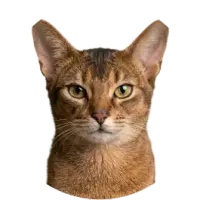
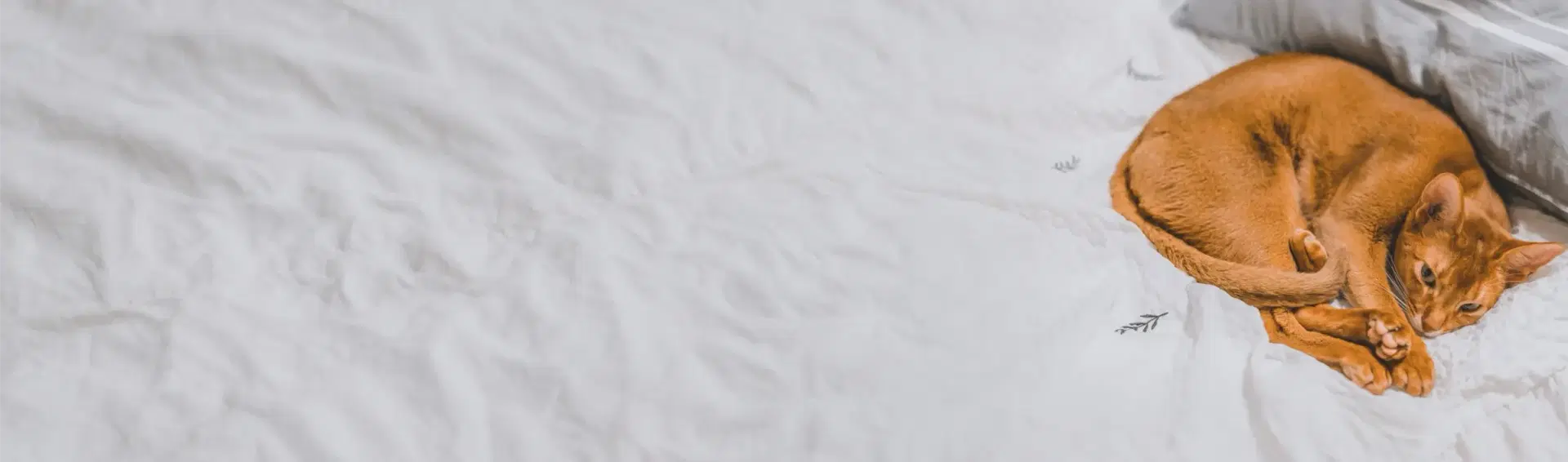
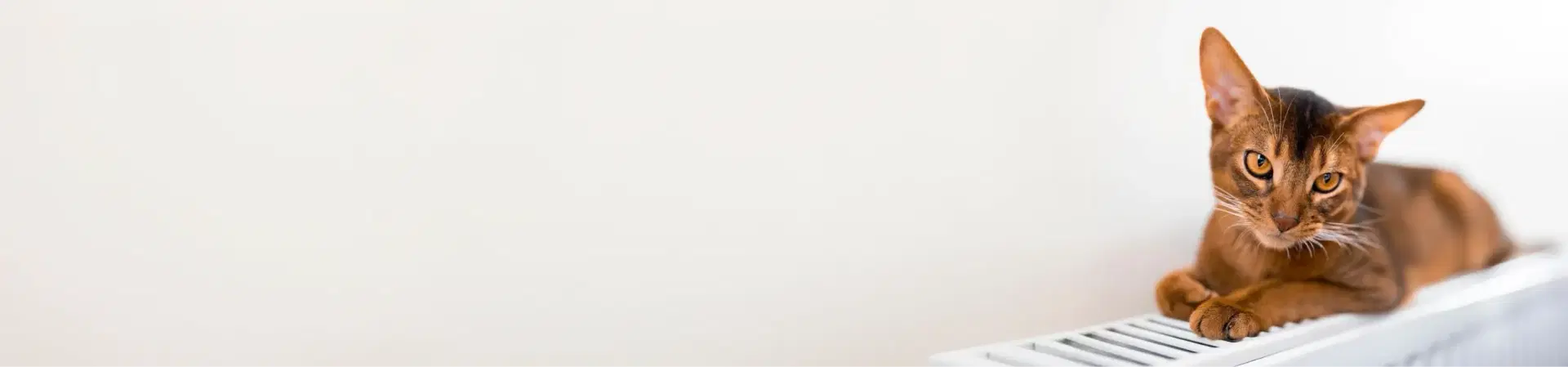
The Abyssinian is a medium, lithe cat with a short, ticked coat in which each hair carries several bands of color, plus large ears and almond eyes. The breed was developed in Britain and takes its name from Abyssinia, now Ethiopia, though genetic research points to ancestors from the Indian Ocean coast and Southeast Asia.

Abys are curious, athletic and people-focused, though many aren't lap cats. In Oklahoma City, that means a secure indoor home with plenty of vertical room, since a cat this active can turn a quiet afternoon into an expedition. The short coat needs little grooming, but inherited conditions such as pyruvate kinase deficiency and retinal degeneration are worth understanding before you adopt.

Weight
6–12 lbs
Height
8–10 in
Lifespan
9–15 yrs
Temperament
Active, Curious, Playful, Social
Shedding
Low to Moderate

Owning an Abyssinian in Oklahoma City

Having an Abyssinian in OKC

Abys pair high energy and constant curiosity with an easy-care coat. In Oklahoma City, the big questions are whether someone's home often enough to keep a social cat company and whether your space offers real climbing room.

Temperament

Abyssinians are inquisitive and social, and many shadow their people from room to room. They often show affection by joining in rather than settling on a lap, and some are shy with strangers at first. That suits OKC households with someone home much of the day. Personalities vary, so judge the cat in front of you.

Exercise Needs

Plan on daily interactive play with wand toys, chase games and puzzle feeders, plus tall cat trees and window perches. In OKC, indoor play matters year-round, especially on stormy spring evenings and icy winter days when everyone's inside. A harness and a secure catio can add safe outdoor time.

Health Considerations

Abys can inherit pyruvate kinase deficiency and progressive retinal atrophy, and kidney amyloidosis, kneecap luxation and gum disease also appear in the breed. Regular tooth care and yearly checkups help. After adoption, a veterinarian can discuss DNA testing and check the teeth, kidneys and eyes.

Living Space

Abys do well in a house or an apartment if there's vertical space. OKC offers both, from downtown lofts to suburban houses, and a tall cat tree, wall shelves and a window perch matter more than square footage. Keep them indoors, since coyotes have been reported in parts of the city.

What it costs to own an Abyssinian in Oklahoma City

ExpenseTypical costPer year
Food$25 to $50 per month$300 to $600
Pet insurance$30 to $60 per month$360 to $720
Routine vet care$150 to $350 per year$150 to $350
Other*$450 to $1,150 per year$450 to $1,150
Estimated yearly total (after year one)$1,260 to $2,820

Other costs are estimates and vary with size, age and health.

* Flea prevention, a dental cleaning allowance, litter, toys, scratchers and cat trees, and occasional brushing for a short coat.

Abyssinian cat

Adopt an Abyssinian in Oklahoma City.

Now that you know more, let’s find you a new best friend. These rescues and shelters below have cats available in and near Oklahoma City.

Frequently Asked Questions

An Abyssinian fits OKC well if someone is home often and you can offer climbing space and daily play. Downtown lofts and suburban houses both work. It's a harder match for households that are away all day, since Abys are social and get bored. A second cat can help, and the short coat means little grooming.

Yes, Abyssinians handle apartments well because they need vertical space more than floor area. Tall cat trees, window perches and wall shelves keep them busy, so ask your landlord about mounting shelves first. Add daily wand-toy play to burn energy and head off boredom-driven mischief, and get any pet terms in writing.

Mostly yes, because an indoor Abyssinian is sheltered from both extremes. The fine, short coat gives little insulation, so winter calls for warm bedding and a plan for ice-storm power outages, while summer calls for air conditioning and fresh water. Spring storms are the other factor, so keep a carrier ready.

EMBARK runs buses and the OKC Streetcar, and trained service animals may ride, but don't assume the same for pets. Check EMBARK's current policy on carriers before you go. Many Abys are easily stressed by noise and crowds, so driving may be the easier choice for vet visits.

Very little. An Abyssinian's short, close-lying coat needs only a quick weekly brushing to remove loose hair, plus nail trims and regular tooth care. Professional grooming is rarely necessary, so grooming adds only a small amount to the yearly Other costs. Dry indoor winter air or summer shedding may call for an extra brushing.

Abyssinian is pronounced ab-ih-SIN-ee-un, with the stress on the third syllable, SIN. The name refers to Abyssinia, the historical name for Ethiopia. Many owners simply shorten it to Aby, pronounced AB-ee. You may also hear the breed's ticked coat colors called ruddy, cinnamon or sorrel, blue and fawn.

An Abyssinian is a medium-sized shorthaired cat breed known for its ticked coat, in which each hair has bands of color that create a warm, glowing look. It has large ears, almond-shaped eyes and a lean, muscular body. Developed in Britain in the 1800s, it is one of the oldest recognized breeds and is famous for being active and curious.

Yes, Abyssinian cats shed, but usually only lightly to moderately because of their short, close-lying coat. Shedding may increase seasonally. Combing or brushing a few times a month controls loose hair, and a damp cloth or chamois rubbed over the coat adds shine. Sudden heavy shedding or bald patches should be checked by a veterinarian.

Abyssinian cats were developed in Britain, but their name comes from Abyssinia, now Ethiopia, because some of the first cats shown in England were imported from there in the 1860s and 1870s. Genetic research suggests the breed's ancestors actually came from the Indian Ocean coastal regions and Southeast Asia, mixed with European cats.

Plan on about $25 to $50 a month for food and $30 to $60 for insurance, with routine vet care of $150 to $350 a year. Other costs such as litter, parasite prevention, dental care and supplies add $450 to $1,150 yearly. Together that's roughly $1,260 to $2,820 a year, before any emergencies.