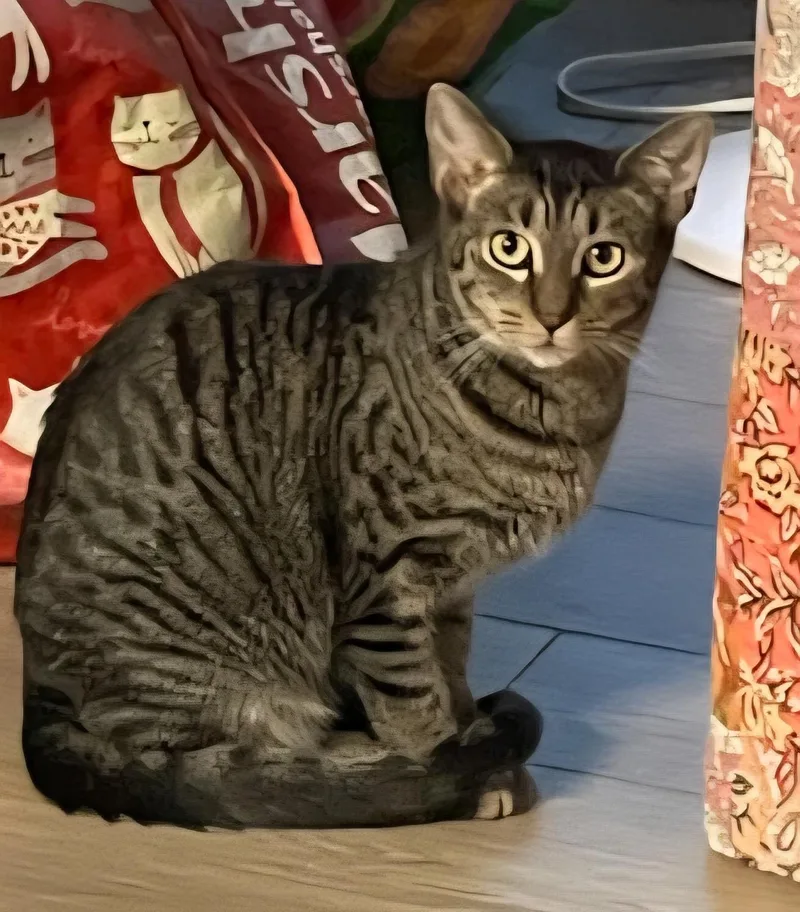
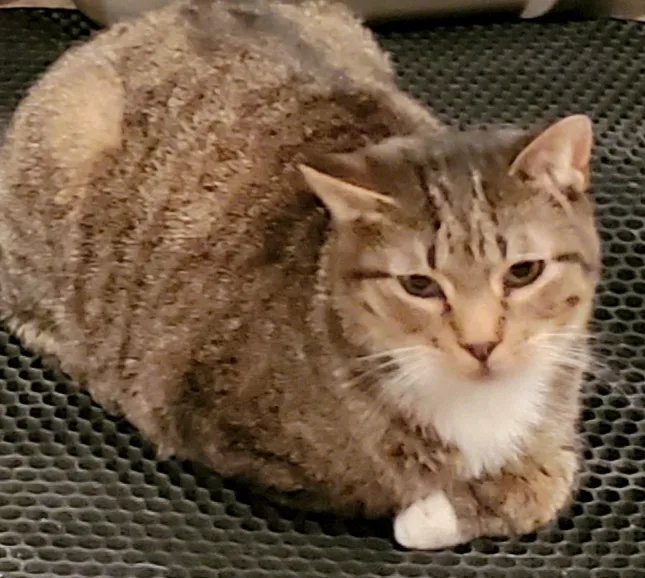
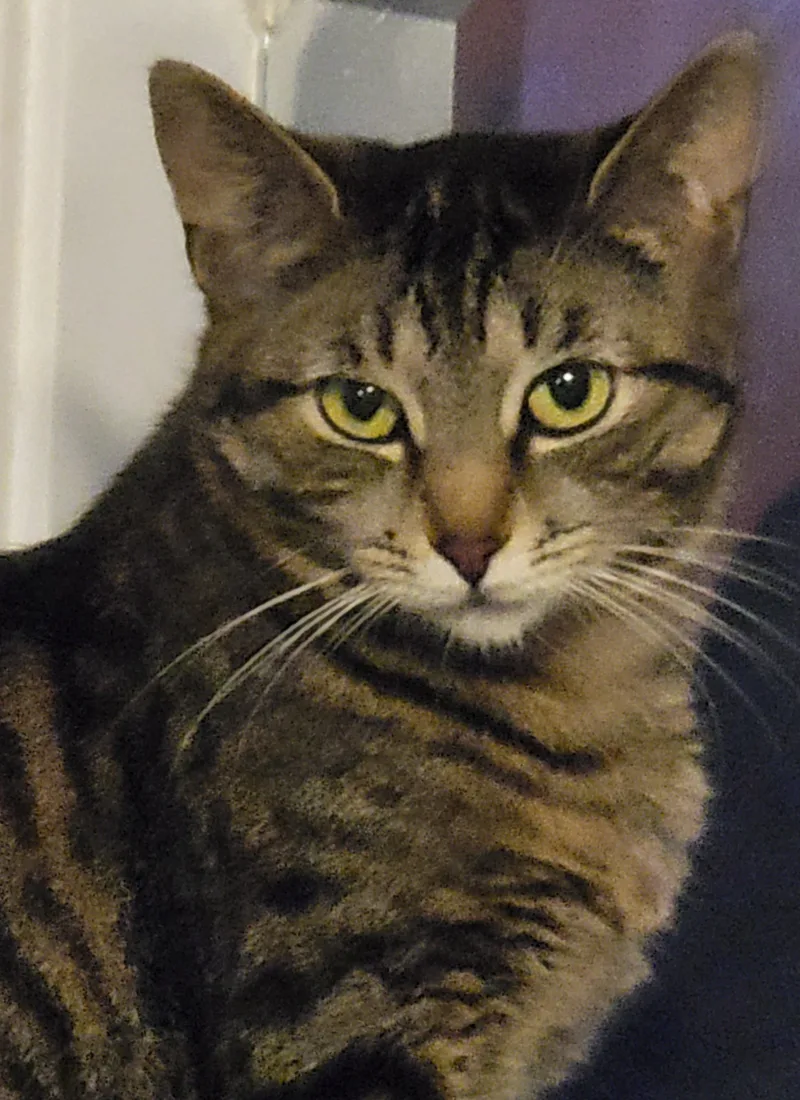
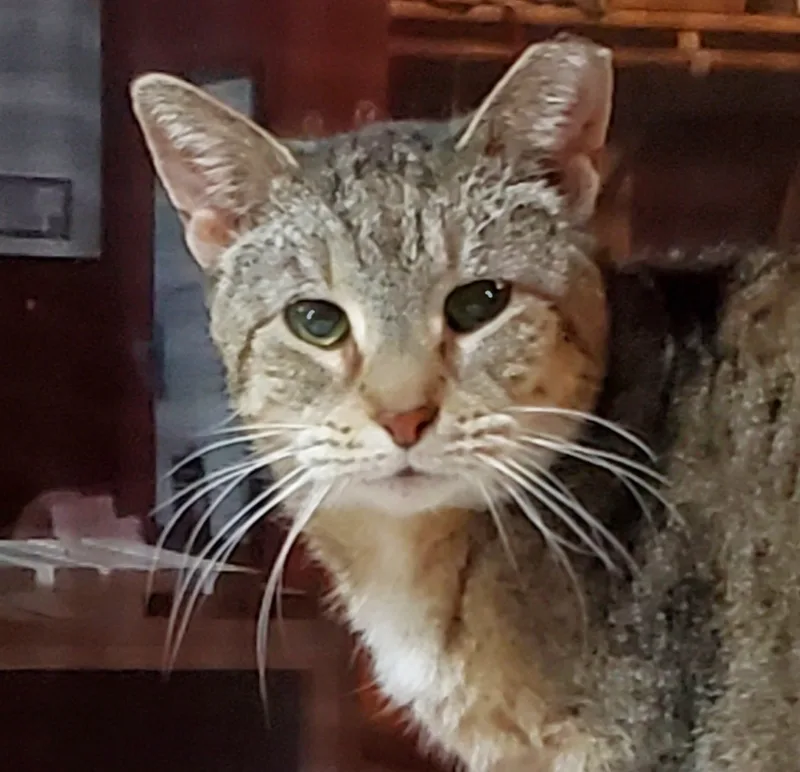
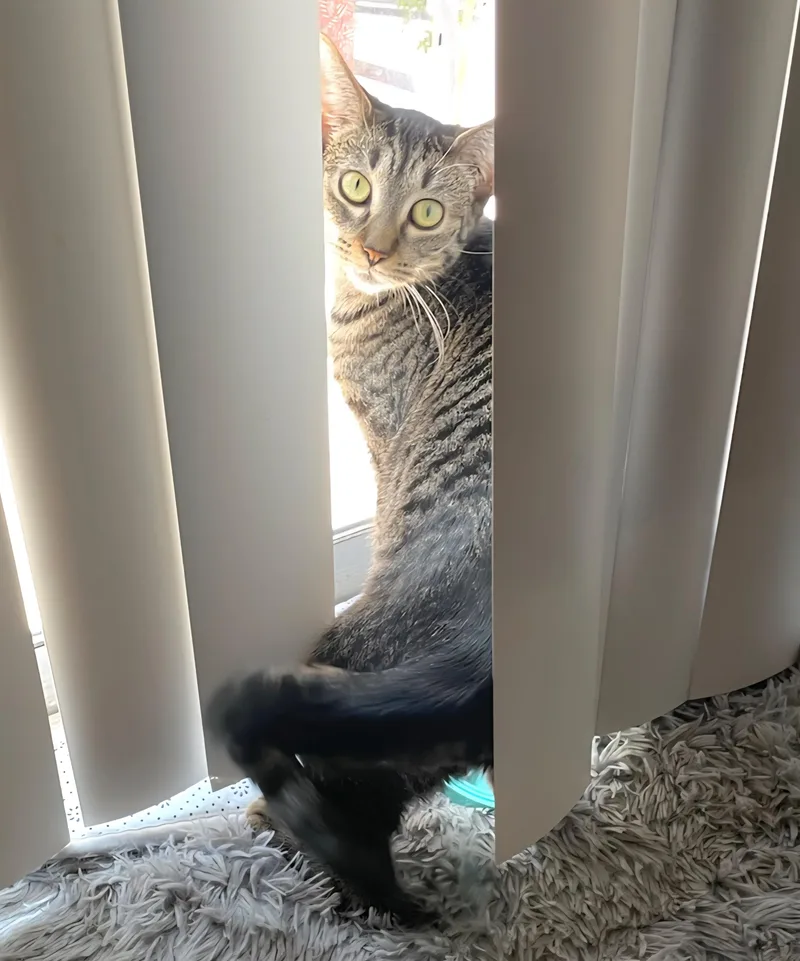
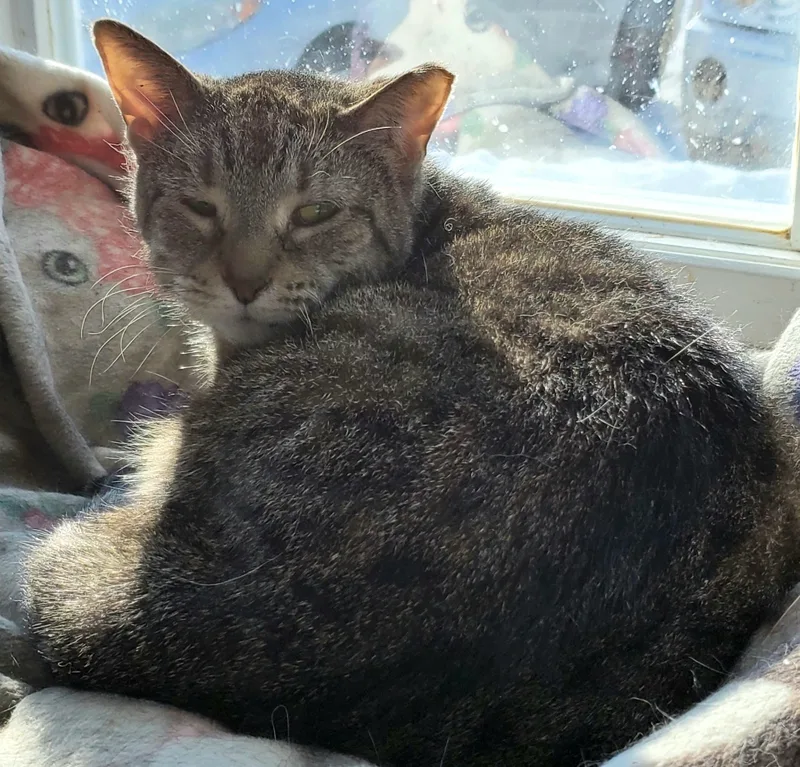
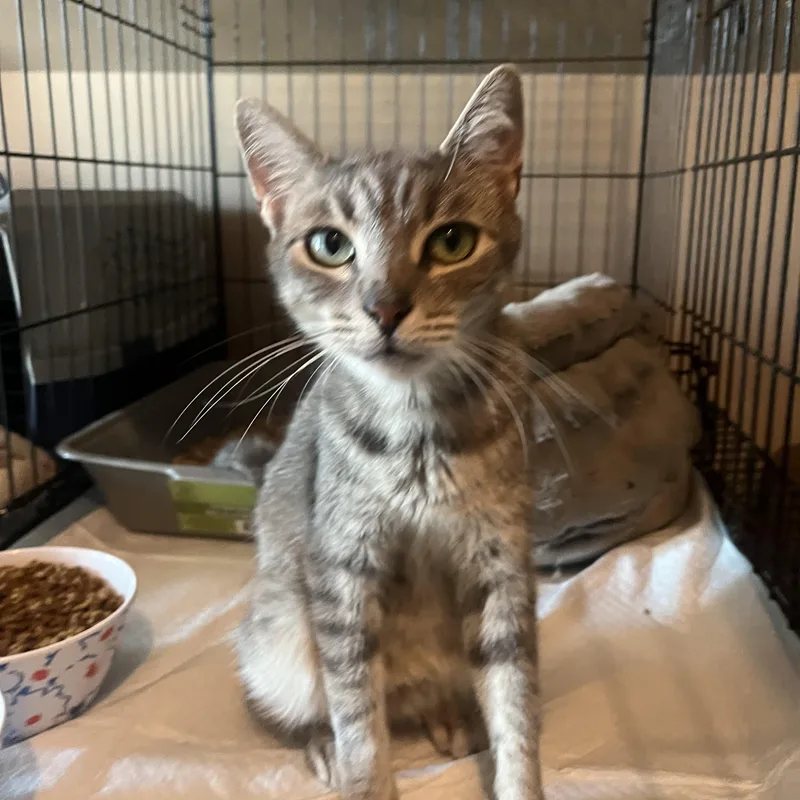
Bengal Cats for Adoption in Long Bottom, OH

Your guide to finding and caring for a Bengal in Long Bottom

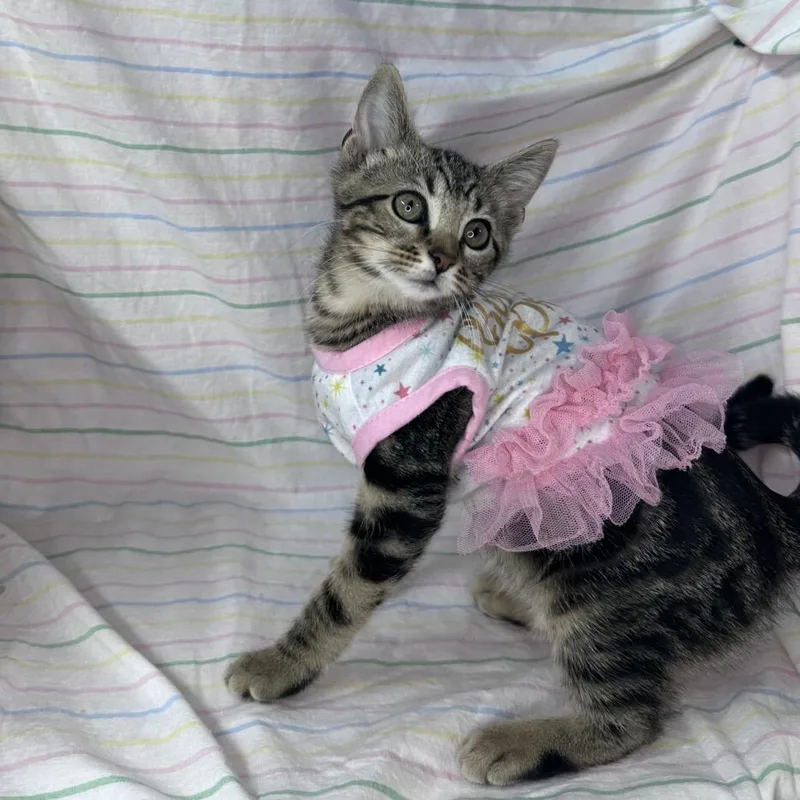
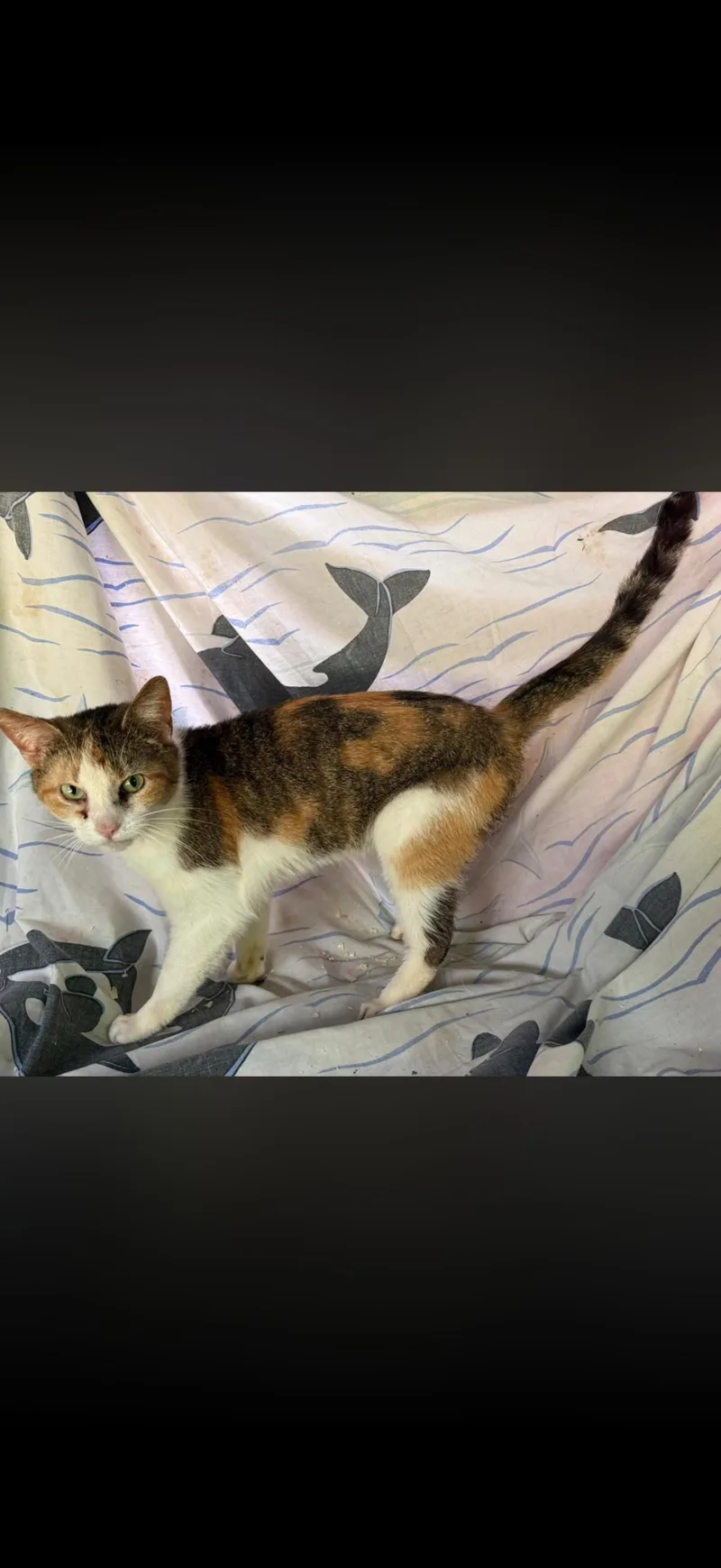
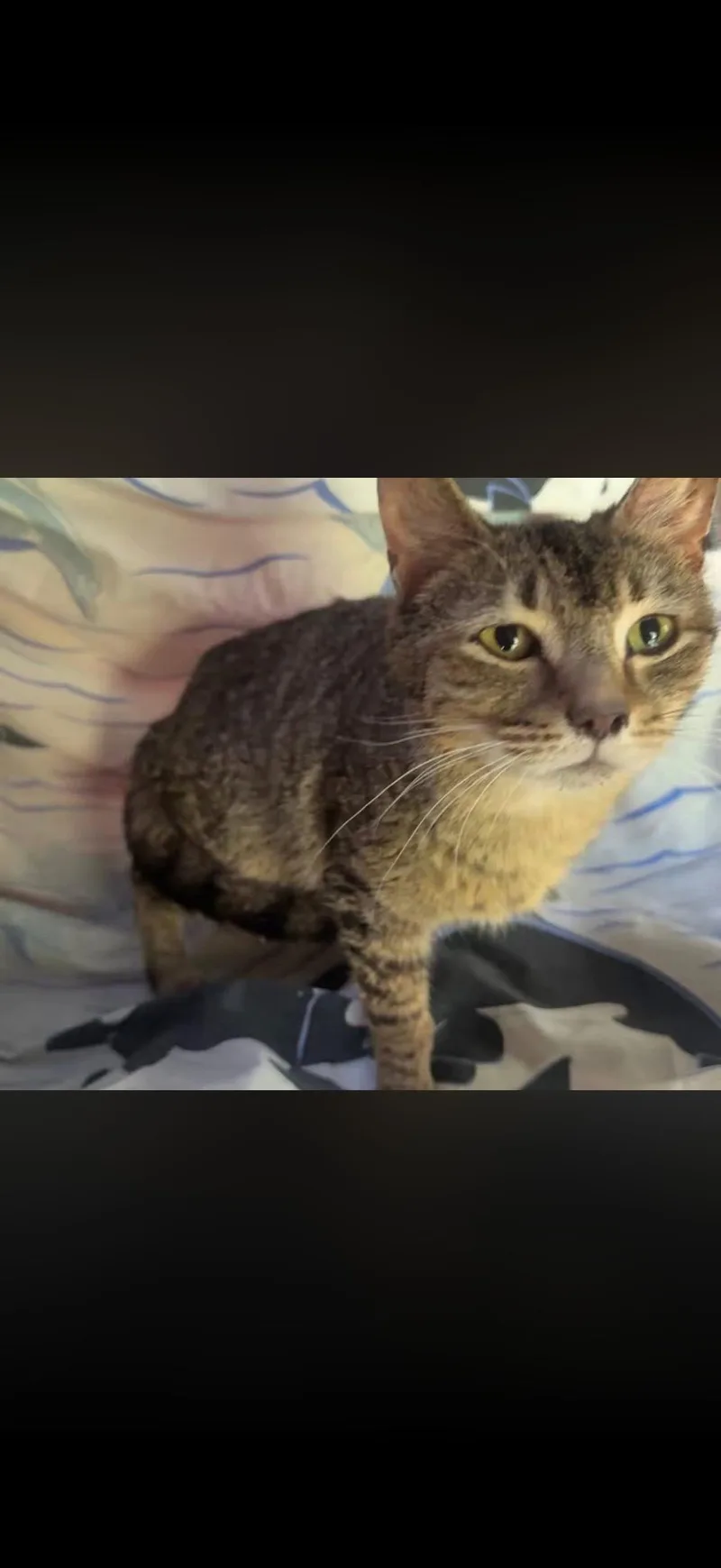
151 Bengals available in Long Bottom and nationwide

A Bengal is ready for you

While we don't have enough cats near Long Bottom, keep in mind that many rescues may offer transport.

Bengals Available for Adoption Near Long Bottom

About the Bengal breed

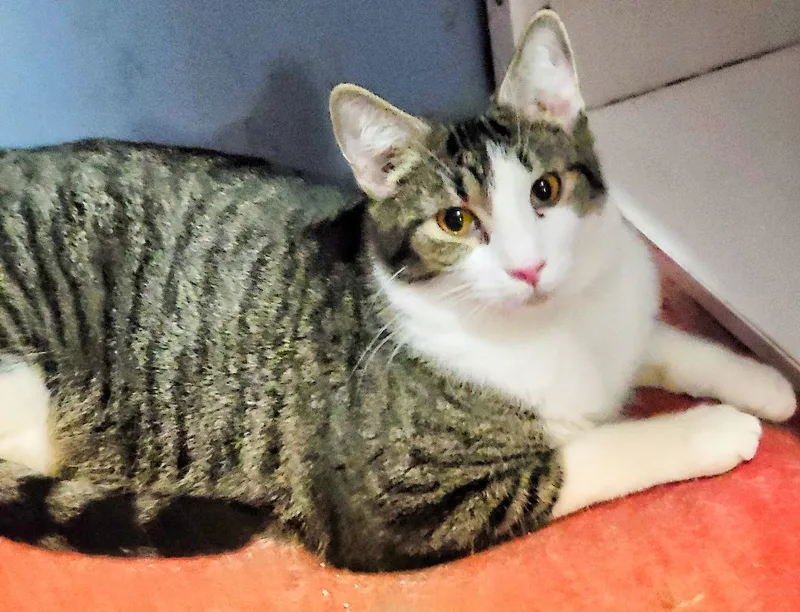
A Bengal looks like a miniature wild cat, with a sleek, muscular body, a spotted, rosetted or marbled coat and, in many cats, a shimmering glitter on the fur. The breed began in the United States in the 1960s and 1970s with crosses between domestic cats and the Asian leopard cat, but pet Bengals today are many generations removed from that ancestor and are fully domestic cats.

Bengals are known for intelligence, curiosity and remarkable energy. Many fetch, learn tricks, walk on a harness, open cupboards and play with running water, and they tend to stay kittenish well into adulthood. That makes them rewarding for people who enjoy an interactive cat, and frustrating for anyone hoping for a quiet lap cat. Climbing space, daily play and puzzle toys are part of keeping a Bengal content indoors.

Weight
8–15 lbs
Height
9–11 in
Lifespan
10–15 yrs
Temperament
Energetic, Curious, Intelligent
Shedding
Low to Moderate

Owning a Bengal in Long Bottom

Having a Bengal in Long Bottom

Bengals combine a striking wild-looking coat with a busy, problem-solving mind and athletic body. Understanding their need for activity, their love of interaction and a few inherited health risks helps adopters decide whether a Bengal's high-energy companionship fits their household.

Temperament

Bengals tend to be confident, curious and very engaged with their people, often following them around and joining in household tasks. Many are vocal and demanding when bored. They can live happily with cat-savvy dogs and other active cats, though some are bossy. Individual Bengals vary widely, so a rescue's notes on personality are valuable.

Exercise Needs

Most Bengals need several active play sessions every day, such as wand toys, fetch or chasing games, plus tall cat trees and shelves for climbing. Mental work matters just as much: food puzzles, clicker training and harness outings help prevent destructive boredom. Seniors usually slow down somewhat but still appreciate interactive play and new things to explore.

Health Considerations

Bengals can be affected by hypertrophic cardiomyopathy, a heart condition, as well as inherited diseases including a form of progressive retinal atrophy that causes early blindness and pyruvate kinase deficiency, a type of anemia. Genetic tests exist for some of these. Keep regular veterinary checkups, including heart screening if recommended.

Living Space

Bengals can thrive in apartments or houses as long as they have vertical territory to climb and plenty of daily interaction. Space matters less than stimulation, since a bored Bengal may knock things over, open doors or chew cords. Keep them indoors or in a secure enclosed patio, and consider a second playful cat for company.

What it costs to own a Bengal

ExpenseTypical costPer year
Adoption fee$75, one time$75 in year one
Food$25 to $50 per month$300 to $600
Pet insurance$30 to $60 per month$360 to $720
Routine vet care$150 to $350 per year$150 to $350
Other*$500 to $1,350 per year$500 to $1,350
Estimated yearly total (after year one)$1,310 to $3,020
First-year total (with adoption fee)$1,385 to $3,095

Adoption fee is the fee on Bengal listings in Long Bottom on GetBuddy today. Other costs are national averages for Bengals; we don't have costs specific to Long Bottom yet.

* Litter, flea prevention, a dental cleaning allowance, toys and bedding, light brushing, and extra climbing and puzzle enrichment for a very active cat.

Adopt a Bengal in Long Bottom.

Now that you know more, let’s find you a new best friend. These rescues and shelters below currently have Bengals available.

Rescues in Long Bottom with Bengals Available

Here are the rescues & shelters in the Long Bottom area where you can find Bengals and other cats available for adoption.

Frequently Asked Questions

A Bengal is a domestic cat breed developed from crosses between house cats and the small Asian leopard cat, then bred for generations with domestic cats. Bengals have short, sleek coats with spots, rosettes or marbling, muscular builds and lively, curious personalities. Pet Bengals are domestic cats, though their energy and intelligence often feel a little wilder.

Bengal kittens look like tiny spotted or marbled wild cats, with large eyes, rounded ears and bold markings visible from birth. Many go through a fuzzy stage at a few weeks old, when longer guard hairs make the pattern look muddy or faded. The coat usually clears and sharpens over the first several months as the kitten matures.

Bengal cats are medium-sized, muscular cats that usually weigh about 8 to 15 pounds as adults. Males are typically larger and heavier than females, and some big males exceed that range. Their long, athletic bodies and powerful hindquarters can make them look larger than they are. Weight depends on build and activity, so body condition matters more than the number.

A Bengal cat has a sleek, muscular body, a short, dense coat that feels unusually soft, and a pattern of spots, rosettes or marbled swirls with strong contrast. Many have a glitter sheen on the fur. Common colors include brown, snow and silver. Bengals typically have large eyes, prominent whisker pads and small to medium ears.

Bengal cats have spots because the breed was developed from crosses with the Asian leopard cat, and selective breeding kept and enhanced that spotted tabby pattern. Genetically, the spots are a form of tabby patterning that occurs in many domestic cats. Bengals were selected for large, contrasting spots and rosettes, giving them their distinctive wild appearance.

Yes, pet Bengal cats are domesticated. Most Bengals in homes and shelters are several generations removed from the Asian leopard cat and carry only a small fraction of its DNA. They behave like domestic cats, though often very active ones. Early-generation cats with a leopard cat parent or grandparent are a different case and can be more challenging.

Bengal cats are often a bit bigger and more muscular than the average house cat, but they are not giant. Most weigh about 8 to 15 pounds, while a typical domestic cat weighs around 8 to 10. Their long bodies, strong hindquarters and lean muscle can make them appear larger. Males are usually the larger ones.

Bengal cats are often called exotic because of their wild-looking coat and leopard cat ancestry, but they are a recognized domestic breed. Major cat registries, including TICA and the CFA, accept them. Some places regulate early-generation hybrids, but typical pet Bengals are treated as ordinary domestic cats. Check local rules if a cat's generation is unknown.

No, Bengal cats are not from India. The breed was developed in the United States, starting in the 1960s and growing through the 1970s and 1980s. Its name comes from the Asian leopard cat's scientific name, Prionailurus bengalensis. The leopard cat itself lives across much of southern and eastern Asia, including parts of India.

We have 1 rescue with Bengals available: Meigs AARF. You can see every rescue with Bengals available in the list above these questions, or scroll to the top to see the Bengals near Long Bottom.

Explore Other Breeds in Long Bottom

Looking for a different breed? Browse other cats available for adoption in Long Bottom.