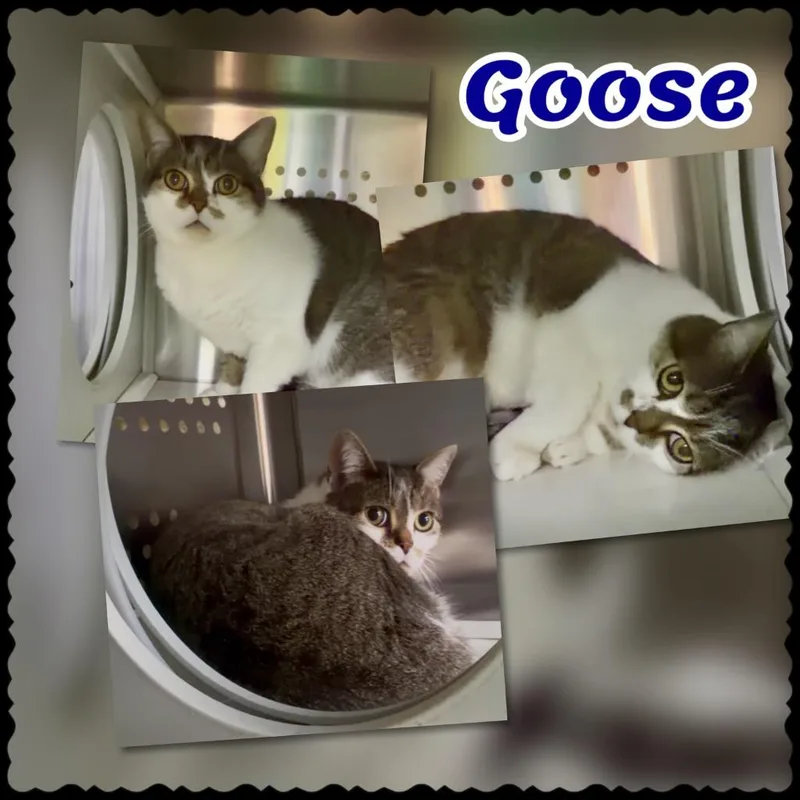
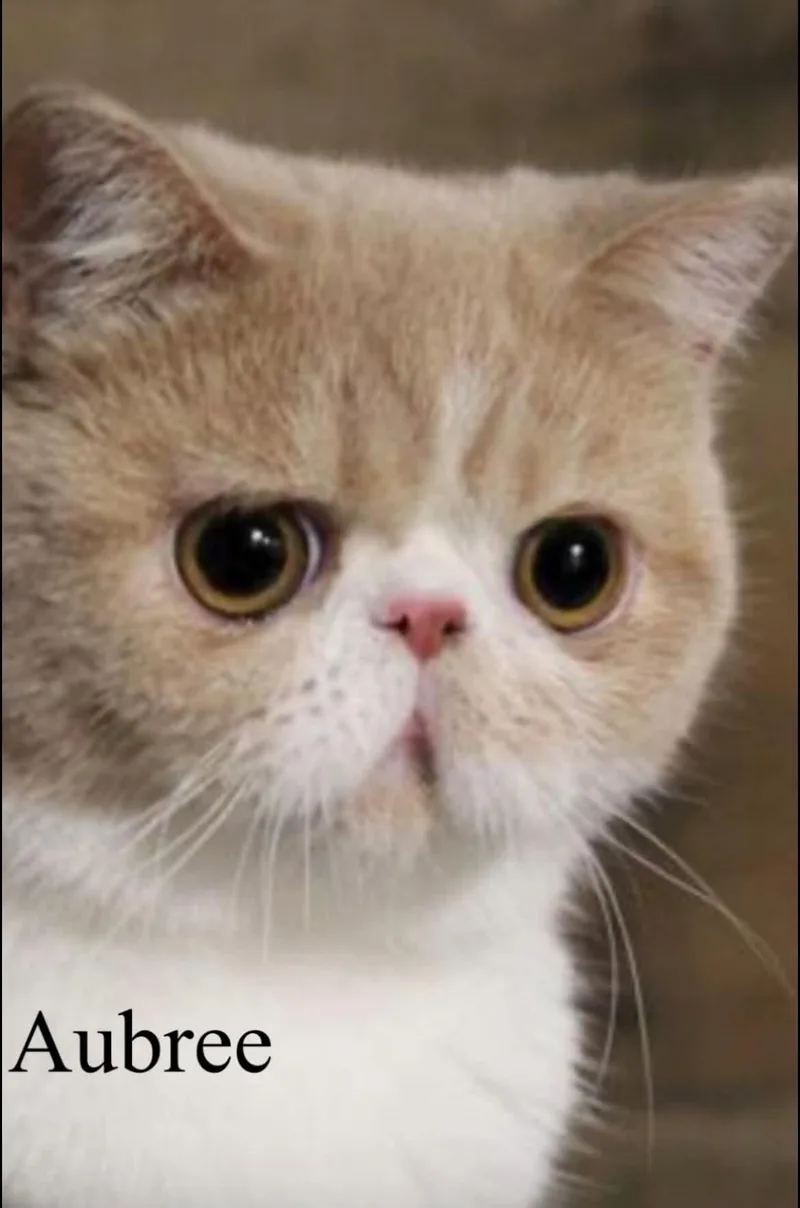
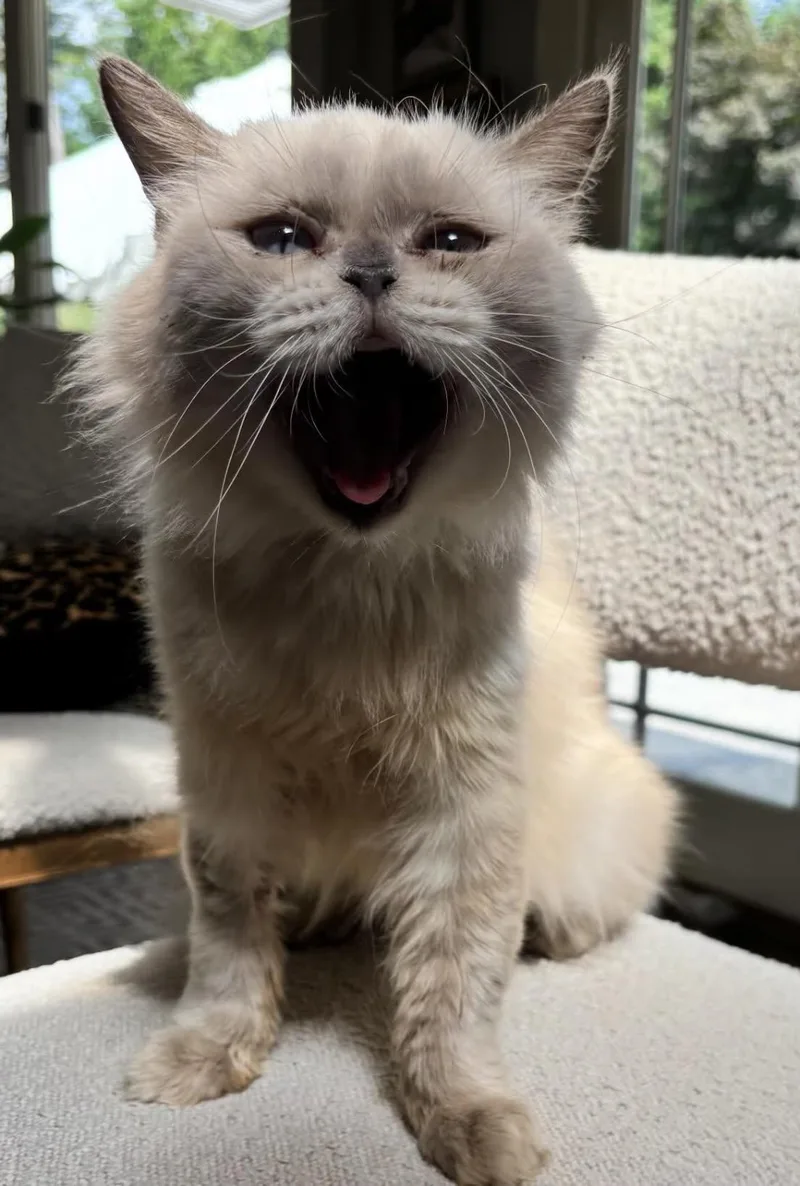
Scottish Fold Cats for Adoption in Woodmere, NY

Your guide to finding and caring for a Scottish Fold in Woodmere

48 Scottish Folds available in Woodmere and nationwide

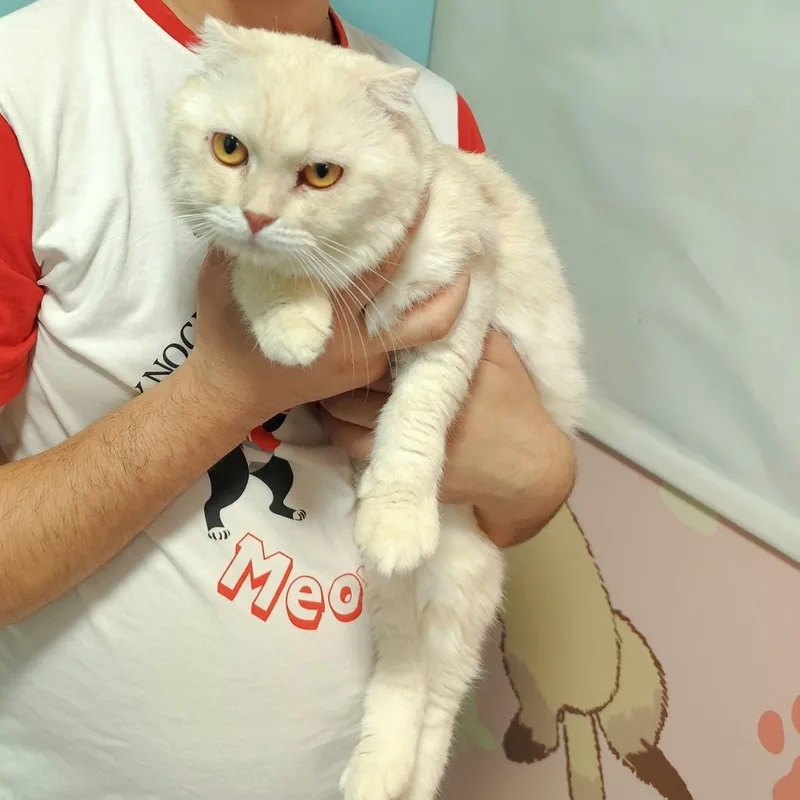
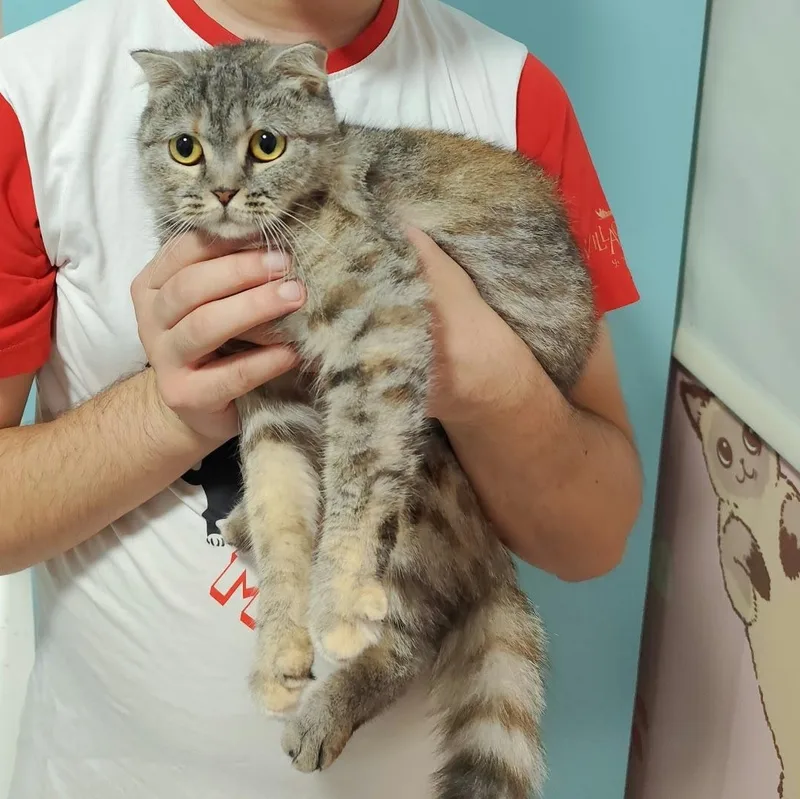
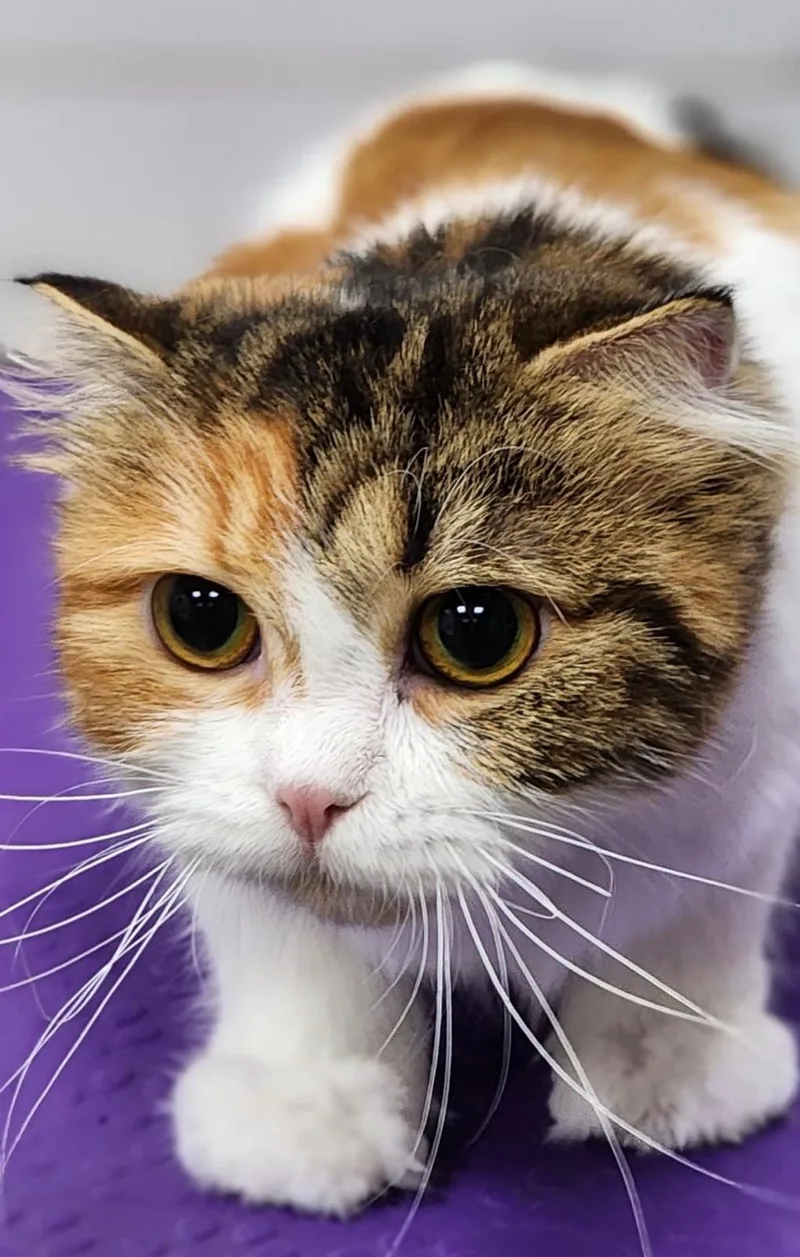
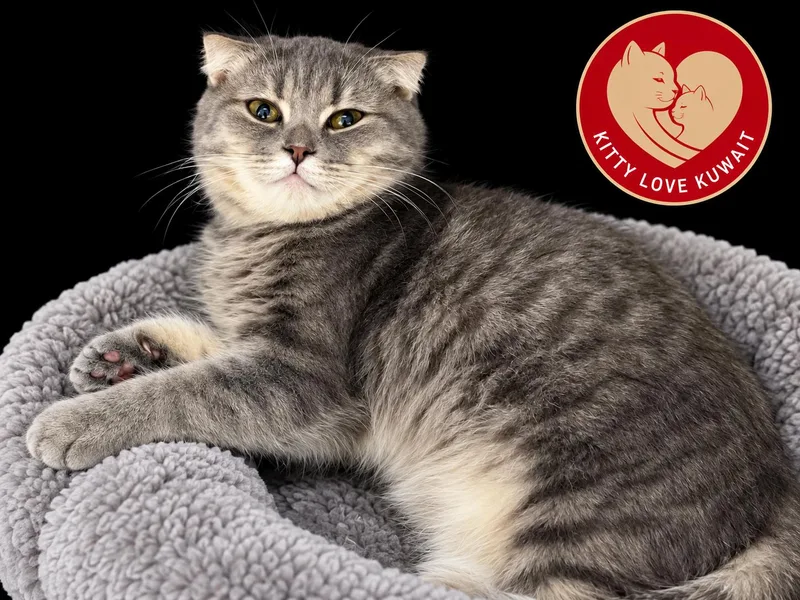
Meet your next Scottish Fold

Scottish Folds Available for Adoption Near Woodmere

About the Scottish Fold breed

Every Scottish Fold descends from Susie, a white barn cat with oddly folded ears found on a farm in Scotland in 1961. The folded ears come from a dominant gene variant that affects cartilage throughout the body, not just the ears. Folds have round faces, large round eyes and sturdy, medium bodies, in shorthaired and longhaired versions and nearly every color. Many kittens in fold litters keep straight ears.

The same gene causes osteochondrodysplasia, an inherited bone and cartilage disorder that can lead to painful arthritis, which is why breeding Folds is restricted or banned in several countries. Many Folds are sweet, mellow and people-oriented, enjoying quiet company and gentle play. Adopting one means planning for attentive veterinary care, joint-friendly living and close attention to signs of stiffness or discomfort throughout the cat's life.

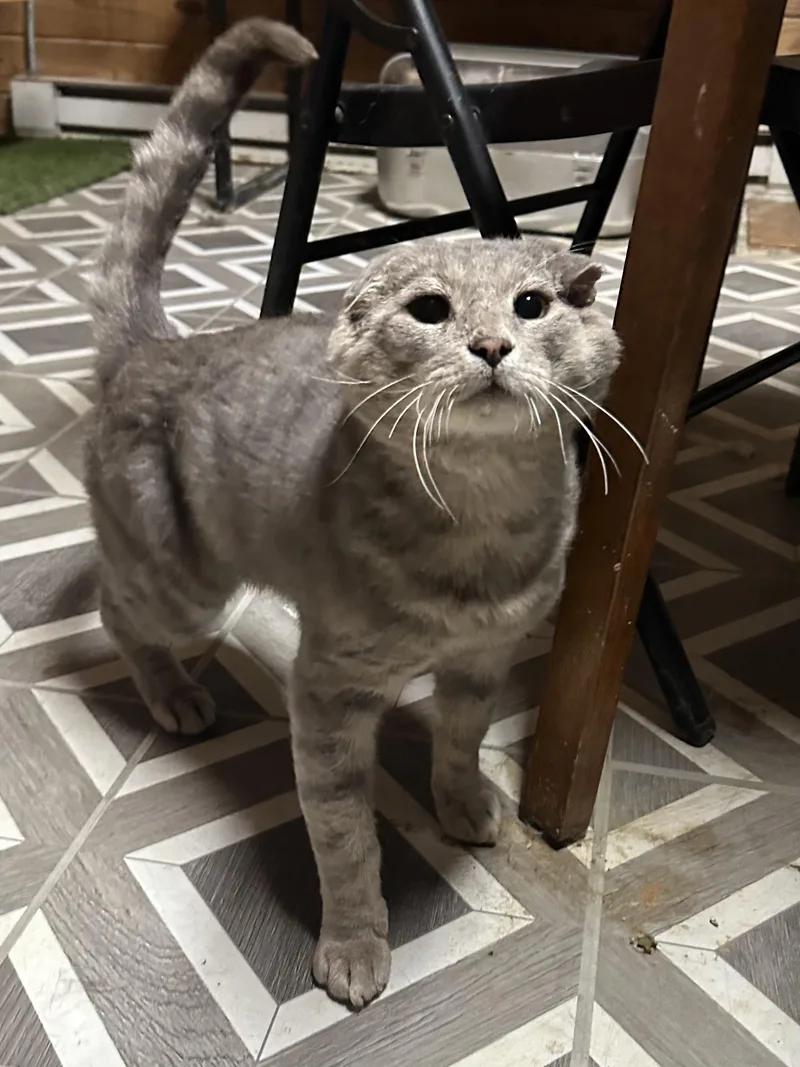
Weight
6–13 lbs
Height
8–10 in
Lifespan
11–15 yrs
Temperament
Sweet, Calm, Affectionate
Shedding
Moderate

Owning a Scottish Fold in Woodmere

Having a Scottish Fold in Woodmere

Scottish Folds are loved for their owlish faces and easygoing nature, but their defining ear fold comes with lifelong health considerations. Understanding their temperament, joint care and living needs helps adopters give a Fold the comfortable home it needs.

Temperament

Scottish Folds tend to be calm, affectionate and fond of company, often following their people and settling nearby. Many are gentle with respectful children and accept cat-friendly dogs after slow introductions. They usually have soft voices and dislike long stretches alone. Behavior changes such as irritability can signal joint pain, so watch for them.

Exercise Needs

Most Scottish Folds have moderate energy and enjoy gentle daily play with wand toys, rolling balls and puzzle feeders. Because joint disease can make jumping painful, low-impact activities and ramps or steps to favorite perches work better than demanding leaps. Keeping a Fold active and lean helps protect its joints, but let comfort guide intensity.

Health Considerations

The gene behind folded ears causes osteochondrodysplasia, which can lead to thickened limbs, a stiff tail and painful arthritis, sometimes from a young age. Severity varies widely. Folds can also be prone to ear wax buildup and obesity. Regular veterinary exams, pain management when needed and a healthy weight are important, so discuss joint care early.

Living Space

Scottish Folds usually adapt well to apartments or houses, especially calm ones with soft bedding and easy access to favorite spots. Ramps, low cat trees and steps help cats with stiff joints. Litter boxes with low entries are kinder for arthritic cats. Indoor living keeps them safe, and company during the day often suits them.

What it costs to own a Scottish Fold

ExpenseTypical costPer year
Food$25 to $50 per month$300 to $600
Pet insurance$30 to $60 per month$360 to $720
Routine vet care$150 to $350 per year$150 to $350
Other*$500 to $1,350 per year$500 to $1,350
Estimated yearly total (after year one)$1,310 to $3,020

Other costs are national averages for Scottish Folds; we don't have costs specific to Woodmere yet.

* Litter, flea prevention, a dental cleaning allowance, supplies, home grooming, and joint supplements, ramps and ear cleaning for fold-related care.

Adopt a Scottish Fold in Woodmere.

Now that you know more, let’s find you a new best friend. These rescues and shelters below currently have Scottish Folds available.

Rescues in Woodmere with Scottish Folds Available

Here are the rescues & shelters in the Woodmere area where you can find Scottish Folds and other cats available for adoption.

Frequently Asked Questions

Many Scottish Folds experience some degree of joint pain, because the gene that folds their ears also causes osteochondrodysplasia, an abnormal development of cartilage and bone. Severity ranges from mild to debilitating, and cats often hide pain well. Signs include reluctance to jump, a stiff tail, an altered gait and sitting oddly. A veterinarian can assess and manage pain.

Scottish Folds are medium-sized cats, usually weighing about 6 to 13 pounds as adults, with males generally larger than females. They stand roughly 8 to 10 inches at the shoulder and have a rounded, sturdy build with a short neck. Their round face and dense coat can make them look larger. Keeping them lean helps protect their joints.

Yes, Scottish Folds have notable health issues. The fold gene causes osteochondrodysplasia, which can lead to malformed bones, a stiff tail and progressive arthritis in the limbs and spine. Folds may also build up ear wax, and some are prone to obesity. Severity varies, so regular veterinary care, joint support and pain management when needed are essential.

A Scottish Fold is a medium-sized cat with ears that fold forward and down, giving it a rounded, owl-like face. The breed began with a farm cat named Susie in Scotland in 1961. The fold comes from a dominant gene that also affects cartilage and bones, causing joint disease. Many Folds are calm, sweet and affectionate.

Yes, Scottish Fold cats shed, typically at a moderate level. Shorthaired Folds have a dense, plush coat that sheds year-round with seasonal increases, while longhaired Folds shed more and need extra brushing. Weekly brushing for shorthairs and two or three sessions for longhairs keep loose hair under control. Cats with stiff joints may need help grooming their back and hindquarters.

Yes, Scottish Folds are usually friendly, gentle cats that enjoy human company. Many get along well with family members, respectful children and other pets after gradual introductions. Some are shy at first in a new home. Because joint pain can make any cat irritable, a Fold that suddenly becomes less friendly should be checked by a veterinarian.

No, Scottish Folds are not hypoallergenic. They produce the Fel d 1 allergen in their saliva and skin like all cats, and their dense coat sheds and spreads it around the home. Some people with mild allergies manage with regular grooming and air filtration, but anyone with allergies should spend time with the specific cat before adopting.

Scottish Folds can be more prone to ear wax buildup and ear mites or infections because the folded shape reduces airflow and makes ears harder to clean. Weekly checks for odor, redness or dark debris help catch problems early. Clean only the visible ear with a vet-recommended cleaner, never deep inside, and see a veterinarian for head shaking or scratching.

Scottish Fold cats often live about 11 to 15 years, though some live longer. The breed's inherited cartilage and bone disorder does not always shorten life, but progressive arthritis can affect comfort and mobility as they age. Keeping a Fold at a healthy weight, managing pain and scheduling regular veterinary checkups give it the best chance of a long, comfortable life.

We have 1 rescue with Scottish Folds available: Alleykattz Rescue. You can see every rescue with Scottish Folds available in the list above these questions, or scroll to the top to see the Scottish Folds near Woodmere.