Burmese Cats for Adoption in New York, NY

Your guide to finding and caring for a Burmese in NYC

Burmese cats suit NYC apartment life well, because they want to be wherever you are. In a Queens one-bedroom or a Brooklyn walk-up, a Burmese will trail you from kitchen to couch and likely greet whoever comes through the door. Compact New York homes suit a medium cat who'd rather climb than roam. Plan on a window perch and daily play, and a Burmese turns a small place into a lively one.

24 Burmese available in New York and nationwide

Find your Burmese

While we don't have enough cats near New York, keep in mind that many rescues may offer transport.

Burmese Available for Adoption Near New York

About the Burmese breed

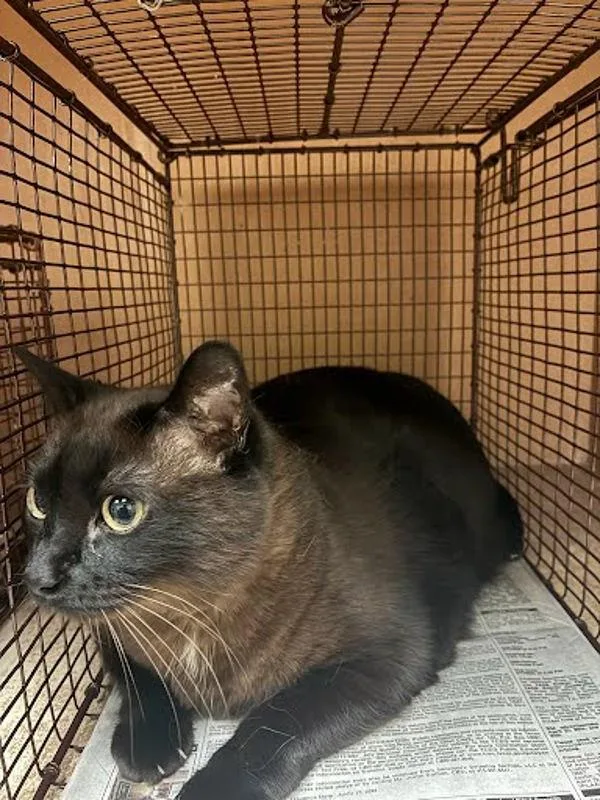
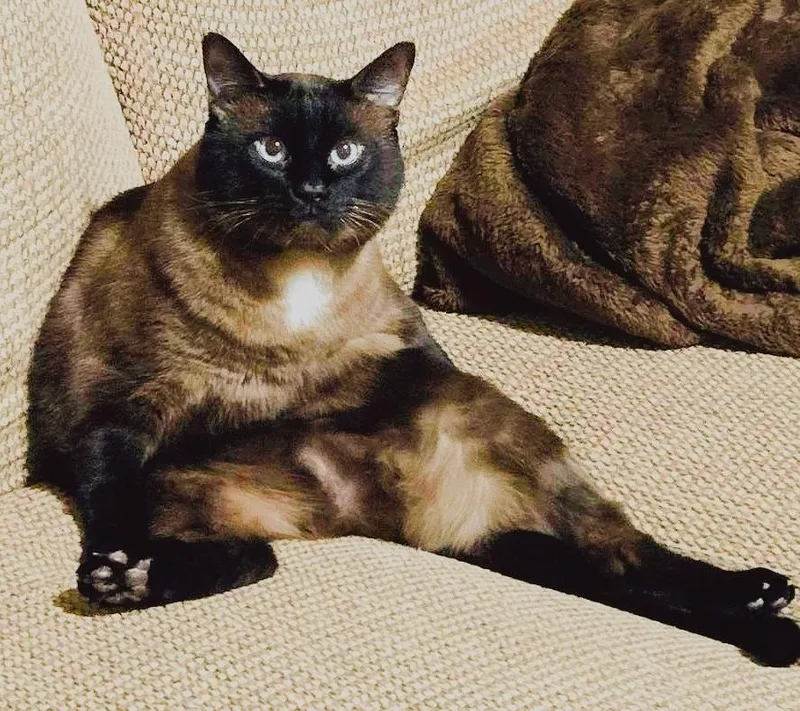
Nearly every Burmese in America traces back to Wong Mau, a walnut-brown cat brought from Southeast Asia to San Francisco in 1930 and paired with Siamese cats to build the breed. Burmese are compact and muscular, with a short, glossy coat and gold eyes. They're heavier than they look, usually 8 to 13 pounds, and sable brown is the classic color.

Burmese are known for being people-focused and playful well into adulthood. Many follow their people around, and plenty enjoy games like fetch. In a city where days can run long, think about your schedule: they usually do best when someone is home often or another pet offers company. A few inherited conditions, including diabetes, are worth knowing about, and each cat's personality still varies.

Weight
8–13 lbs
Height
9–11 in
Lifespan
12–17 yrs
Temperament
Affectionate, Social, Playful
Shedding
Low

Owning a Burmese in New York

Having a Burmese in NYC

Burmese pair a dense, satin-coated body with big social needs. Companionship, lifelong playfulness, easy grooming and a few breed-linked health risks decide how well one fits your schedule and your New York apartment.

Temperament

Burmese are affectionate and curious, often described as dog-like for following people from room to room and learning games. Many get along with respectful children and cat-friendly dogs. They're usually softer-voiced than Siamese but will ask for attention. In a busy NYC household that means plenty of company, though adult cats' personalities vary.

Exercise Needs

Plan on daily interactive play with wand toys, fetch and puzzle feeders to keep a Burmese lean and busy. They love to leap, so in a small New York apartment, a sturdy cat tree or wall shelves give them room to climb without taking up much floor space.

Health Considerations

Burmese can be prone to diabetes, low potassium, feline orofacial pain syndrome and, in some lines, a severe head defect seen in kittens. Keep a Burmese lean, watch for extra thirst or weakness, and schedule regular vet checkups with blood work as the cat ages. A veterinarian can look over any newly adopted cat.

Living Space

Burmese adapt well to apartments, whether a studio or a larger place, if they have company, play and vertical space. They do best as indoor cats, so a secure window perch matters, especially above the ground floor. Many cope poorly with long days alone.

What it costs to own a Burmese in New York

ExpenseTypical costPer year
Food$25 to $50 per month$300 to $600
Pet insurance$30 to $60 per month$360 to $720
Routine vet care$150 to $350 per year$150 to $350
Other*$450 to $1,150 per year$450 to $1,150
Estimated yearly total (after year one)$1,260 to $2,820

Other costs are estimates and vary with size, age and health.

* Litter, flea prevention, a dental cleaning allowance, toys, scratchers and climbing furniture, and minimal grooming for the short, satin coat.

Adopt a Burmese in New York.

Now that you know more, let’s find you a new best friend. These rescues and shelters below have cats available in and near New York.

Rescues and Shelters in or near New York

Shelters and rescues across New York City list adoptable cats here, and Burmese show up as availability changes. Here are the rescues & shelters in the NYC area with cats available for adoption, worth asking whether a Burmese is coming in.

Frequently Asked Questions

Yes, a Burmese can fit NYC life well if someone is home often or another pet provides company. They adapt to small apartments, enjoy climbing and stay playful, so budget time for daily play. Long workdays and commutes are the main challenge, since many Burmese cope poorly alone, though every cat's personality varies.

Yes. A Burmese adapts well to NYC studios and larger apartments when it has vertical space, daily play and company. Wall shelves or a tall cat tree save floor space, and snug window screens keep a curious climber safe. Read your lease or building rules on pets before you apply.

Yes. NYC has no breed-specific ownership rules, and cats don't need a city license. State law does require rabies vaccination for cats. Your building matters more than the city: private landlords and co-ops can write their own pet rules, and NYCHA allows one dog or one cat per household.

Yes, as long as your Burmese is enclosed in a bag or other container carried so it doesn't annoy other riders. The same container rule applies on buses. A sturdy, well-ventilated carrier that sits on your lap or at your feet is the practical choice, and a cat used to it will ride more calmly.

Very little. The short, satin coat sheds lightly, so a weekly rubber-brush session is usually enough. Grooming is a small part of the roughly $450–$1,150 a year in other costs, which also cover litter, flea prevention and dental care. If you walk your cat outside on a harness in winter, wipe its paws afterward because sidewalks are salted.

A Burmese is a medium-sized, muscular shorthaired cat known for a glossy, satin-like coat, gold eyes and a famously people-oriented personality. Most American Burmese trace back to a single brown cat, Wong Mau, brought to San Francisco in 1930. They are playful, social and affectionate, and they come in sable, champagne, blue, platinum and other colors.

The name Burmese simply means from Burma, the country now called Myanmar. It refers to where the breed's foundation cat, Wong Mau, was believed to come from, in the region near the border between Burma and Thailand. Brown cats resembling the Burmese are thought to appear in old Thai cat manuscripts, long before the modern breed was developed in America.

Burmese cats are moderately vocal. They usually speak up when they want attention, food or company, but they are generally quieter than their Siamese relatives, with softer, sweeter voices. Many hold chatty conversations with their people and greet them at the door. Individual cats vary, and some are quite talkative while others rarely meow.

Burmese cats are safest kept indoors, with outdoor time limited to a secure catio, an enclosed garden or a harness and leash. Their trusting, people-loving nature can lead them to approach strangers, cars or other animals. Indoor living also lowers risks from traffic, disease and parasites. Window perches and play help satisfy their curiosity.

A Burmese typically costs about $25–$50 a month for food and $30–$60 a month for insurance, plus $150–$350 a year for routine vet care. Other yearly costs, including litter, flea prevention, dental care and supplies, run about $450–$1,150. Your totals will depend on your cat's age, health and the products you choose.

Find Burmese in Nearby Cities

Expand your search to find Burmese available for adoption near New York.