Birman Cats for Adoption in New York, NY

Your guide to finding and caring for a Birman in NYC

Birmans suit NYC apartment life better than most longhaired cats. They're mellow, soft-voiced and happy to follow you from the kitchen to the couch, which works in a Hunters Point high-rise or a Ridgewood one-bedroom where space is tight. A Birman wants a window perch, a daily play session and company more than square footage. Most don't love long days alone, so they fit best if your schedule keeps you home a fair amount.

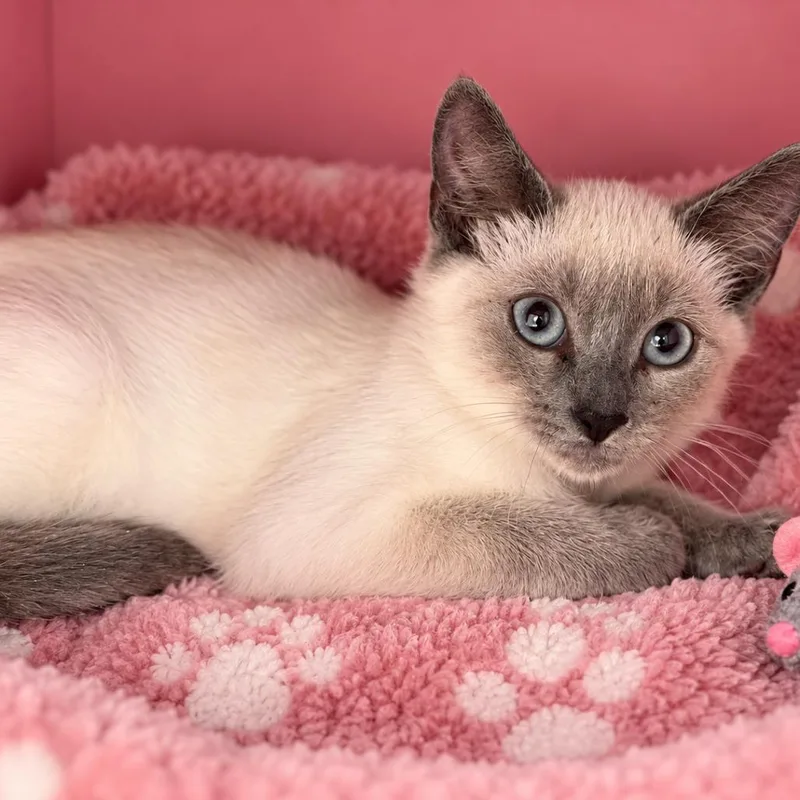
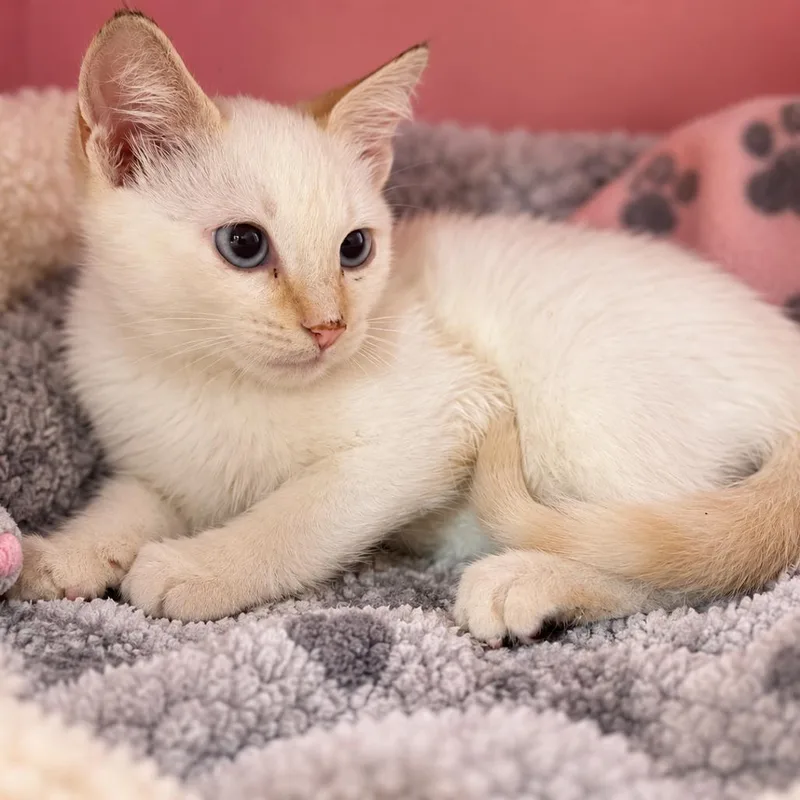
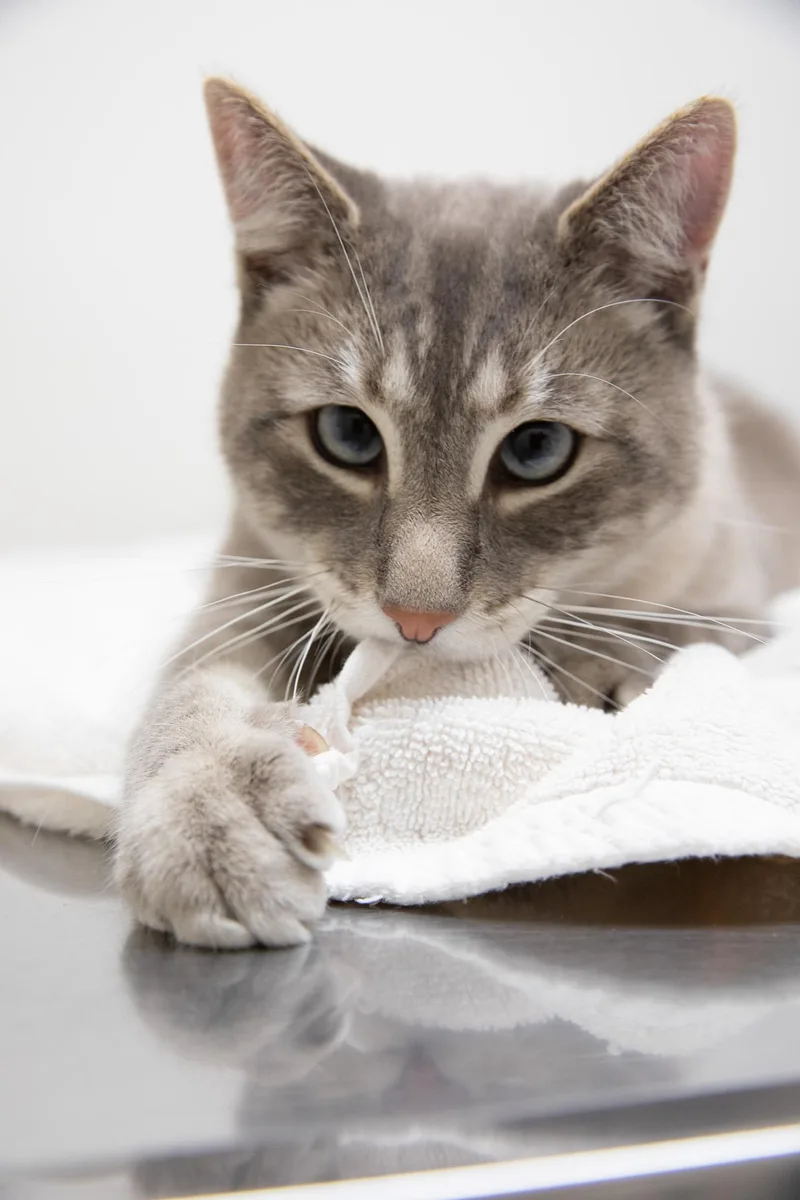
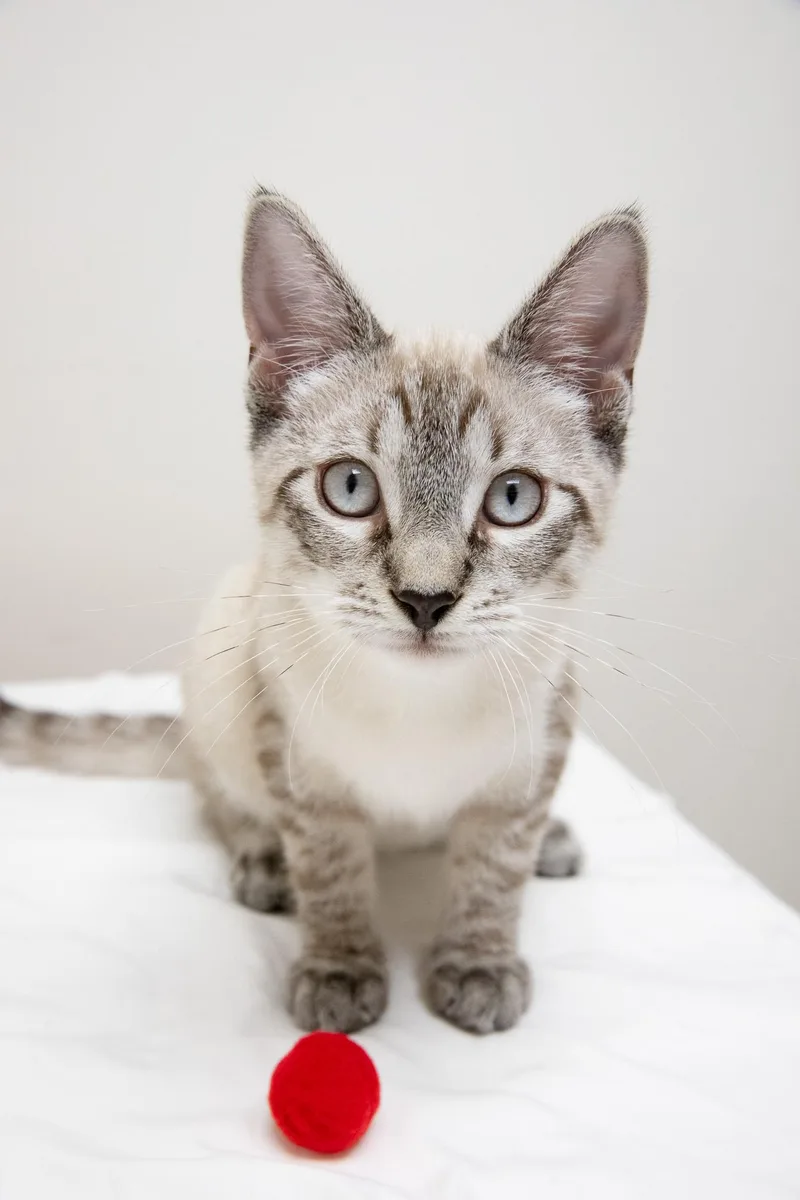
2214 cats similar to Birman available in New York and nationwide

Find your forever Birman

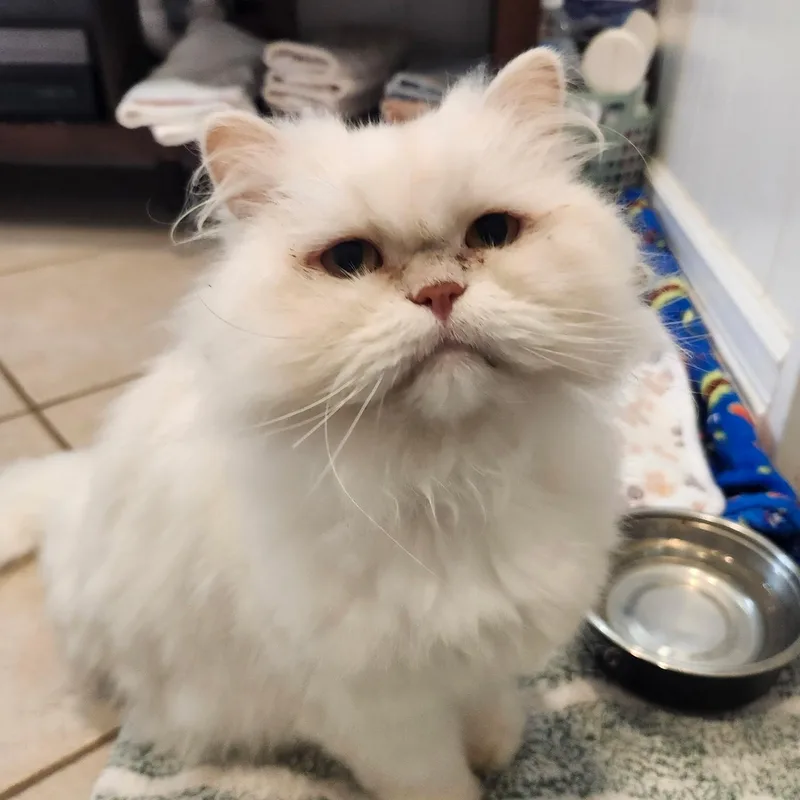
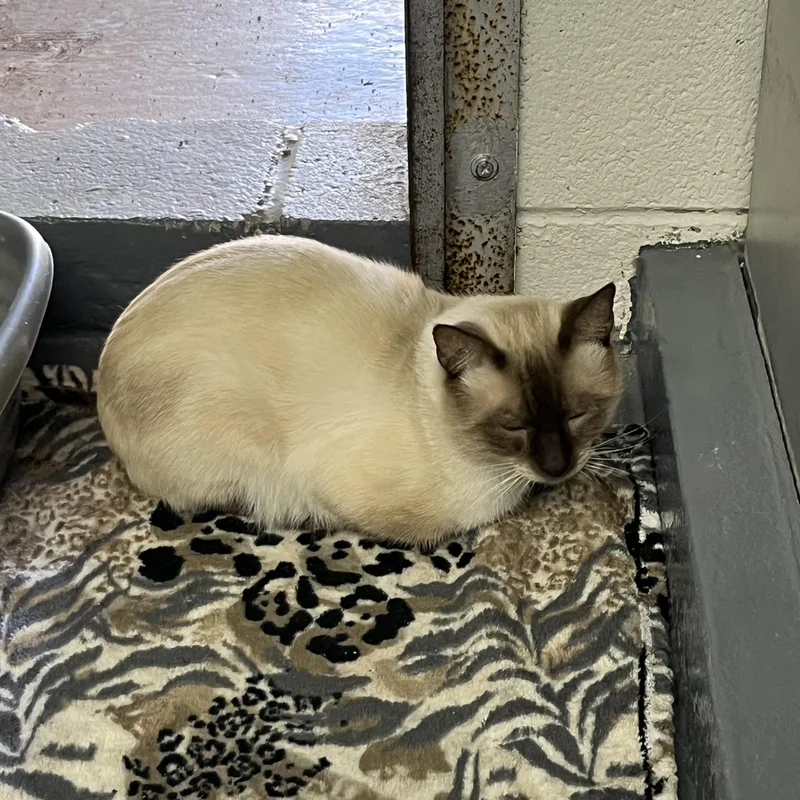
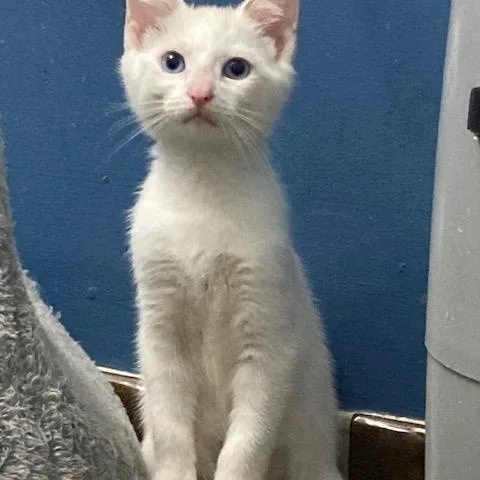
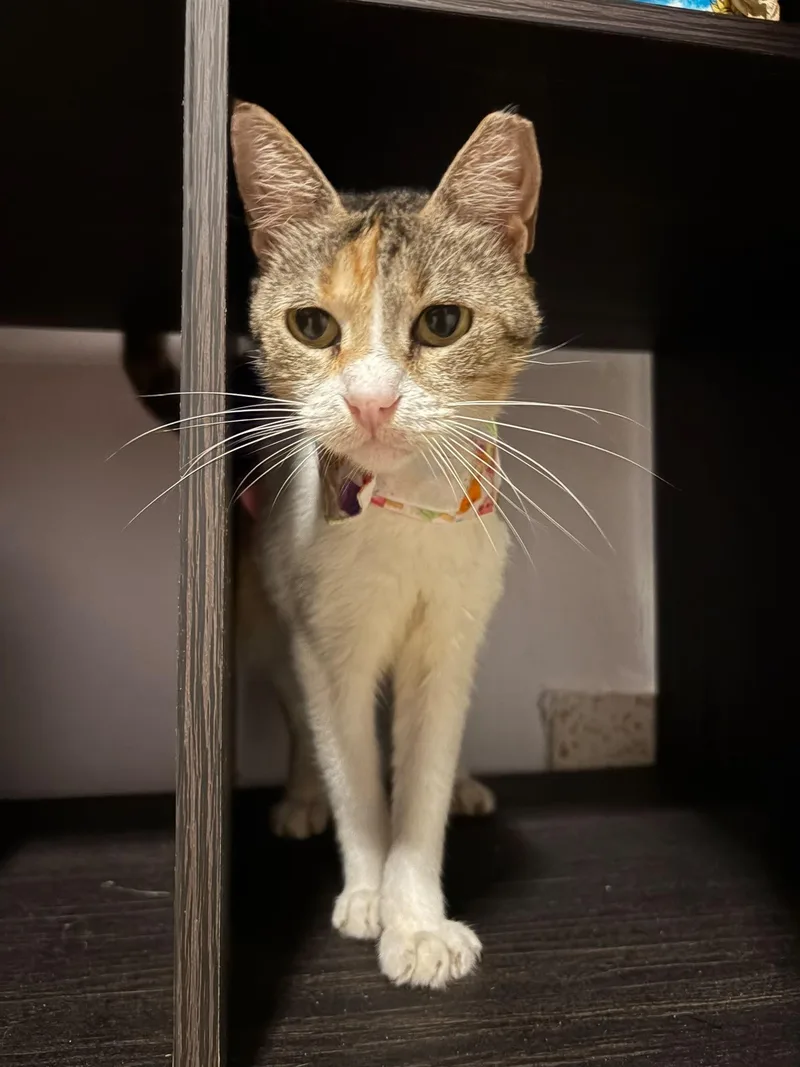
Birmen and Similar Breeds Available for Adoption Near New York

About the Birman breed

Birmans are colorpointed, semi-longhaired cats with deep blue eyes and pure white "gloves" on the front paws. The modern breed took shape in France after a pair arrived from Burma around 1919, and the sacred temple cat story is folklore rather than history. The silky coat has very little undercoat, so it mats less than many longhaired coats, though weekly combing still helps.

Many Birmans are gentle, sociable cats with soft voices who like to stay near their people without demanding attention. They take about three years to mature fully, and some are shy at first. In a compact New York home with plenty of foot traffic, that easygoing, people-focused nature is a big part of the appeal, though every cat has its own personality.

Weight
7–14 lbs
Height
8–10 in
Lifespan
12–16 yrs
Temperament
Gentle, Affectionate, Social
Shedding
Moderate

Owning a Birman in New York

Having a Birman in NYC

Birmans are quiet, affectionate and moderately playful, which fits compact New York homes. The cards below cover temperament, exercise, health and living space, with notes on how city life shapes each one.

Temperament

Birmans tend to be gentle, people-oriented cats that enjoy calm company. In a busy building, many take hallway noise and visiting friends in stride, though some are shy at first and need a quiet room to settle in. Each cat has its own personality, so watch how the cat you're considering behaves.

Exercise Needs

Expect moderate energy: a couple of play sessions a day with wand toys, balls or puzzle feeders. In an apartment, a tall cat tree and a window perch over the street give a Birman something to watch and climb. Steady daily play also helps prevent the weight gain this breed is prone to.

Health Considerations

Hypertrophic cardiomyopathy appears in a notable share of Birmans, and polycystic kidney disease occasionally shows up, so ask a veterinarian about heart screening at the first exam. Indoor Birmans also tend to gain weight, so measured meals and daily play matter. Rabies vaccination is required for cats in New York State.

Living Space

A Birman does well in a studio, a one-bedroom or a bigger place, since it values company and high perches over floor area. Cat trees and wall shelves add room upward. Secure window screens matter in upper-floor apartments, and a Birman that dislikes long days alone does best when someone is home often.

What it costs to own a Birman in New York

ExpenseTypical costPer year
Food$25 to $50 per month$300 to $600
Pet insurance$25 to $50 per month$300 to $600
Routine vet care$150 to $350 per year$150 to $350
Other*$500 to $1,250 per year$500 to $1,250
Estimated yearly total (after year one)$1,250 to $2,800

Other costs are estimates and vary with size, age and health.

* Litter, flea prevention, a dental cleaning allowance, toys and supplies, and regular combing for the semi-long coat.

Adopt a Birman in New York.

Now that you know more, let’s find you a new best friend. These rescues and shelters below have cats available in and near New York.

Rescues and Shelters in or near New York

New York's shelters and rescues help cats of every breed and mix find homes across the five boroughs. Here are the rescues & shelters in the NYC area with cats available for adoption, worth asking whether a Birman is coming in.

Frequently Asked Questions

Yes, a Birman can live happily in an NYC apartment, studio included. It cares more about company and high perches than floor space, so a cat tree, a window seat and daily play go a long way. Look for a cat that's comfortable with hallway noise, install secure window screens, and plan for company, since many Birmans dislike long stretches alone.

Yes. New York City has no breed-specific ownership rules and doesn't license cats, so a Birman needs no city permit. State law does require rabies vaccination. If you rent, read your lease for pet terms, and in NYCHA public housing remember that each household may keep one cat or one dog, not both.

Yes, as long as your Birman is enclosed in a bag or carrier. NYC Transit rules require animals on the subway and buses to be in a container and carried so they don't annoy other riders. A roomy carrier fits a 7–14 pound Birman, and a towel inside helps it stay calm. Long Island Rail Road requires a lap-sized container.

Yes, Birmans handle NYC winters well as indoor cats. The silky semi-long coat is comfortable in a heated apartment, and a Birman has no need to go out in snow. Keep vet trips short, cover the carrier with a blanket against wind, and give your cat a warm perch away from drafts and cold windows.

Plan on combing a Birman about once a week. The silky coat has little undercoat and mats less than many longhaired cats, though shedding can pick up with the seasons, when a few extra sessions help. Most owners handle it at home, and any professional grooming you add falls within the Other costs line shown on this page.

No. In NYC, only service dogs are allowed inside restaurants, and the outdoor dining exception in state and city health rules covers companion dogs, not cats. Most Birmans prefer quiet company to crowds anyway, so leave yours at home with fresh water, a clean litter box and a favorite perch.

A Birman is a medium-sized, semi-longhaired cat with a colorpoint pattern, deep blue eyes and distinctive white paws. The breed was developed in France from cats said to come from Burma, which is why it is sometimes called the Sacred Cat of Burma. Many Birmans are gentle, sociable and soft-spoken companions who enjoy being near their people.

No, Birman cats are not hypoallergenic. Like all cats, they produce the Fel d 1 allergen in saliva and skin, and grooming spreads it onto their fur and around the home. Their coat sheds less heavily than some longhaired breeds, but that does not remove allergens. Anyone with allergies should spend time with the specific cat before adopting.

Yes, Birman cats shed, usually at a moderate level. Their silky coat has little undercoat, so they drop less hair and form fewer mats than breeds like Persians or Maine Coons, but loose fur still appears on furniture and clothing. Combing once or twice a week, and more during spring and fall, keeps shedding manageable and the coat tangle-free.

Expect roughly $1,250 to $2,800 a year for a Birman in NYC. Food runs $25–$50 a month and pet insurance $25–$50 a month, while routine vet care is about $150–$350 a year. Other costs, including litter, prevention, dental care, supplies and coat care, add $500–$1,250 a year. There's no city cat license.