Chartreux Cats for Adoption in Las Vegas, NV

Your guide to finding and caring for a Chartreux in Vegas

A Chartreux fits easily into a quiet condo in The Lakes or a loft in the Arts District. The breed is calm and soft-voiced, so thin walls rarely cause trouble, and a window perch with a view of the birds can keep one entertained for hours. Indoor life also suits a Vegas summer, when afternoons pass 100°F for weeks. Chartreux do shed and gain weight easily, so daily play with a wand toy matters. Most will follow their favorite person from room to room.

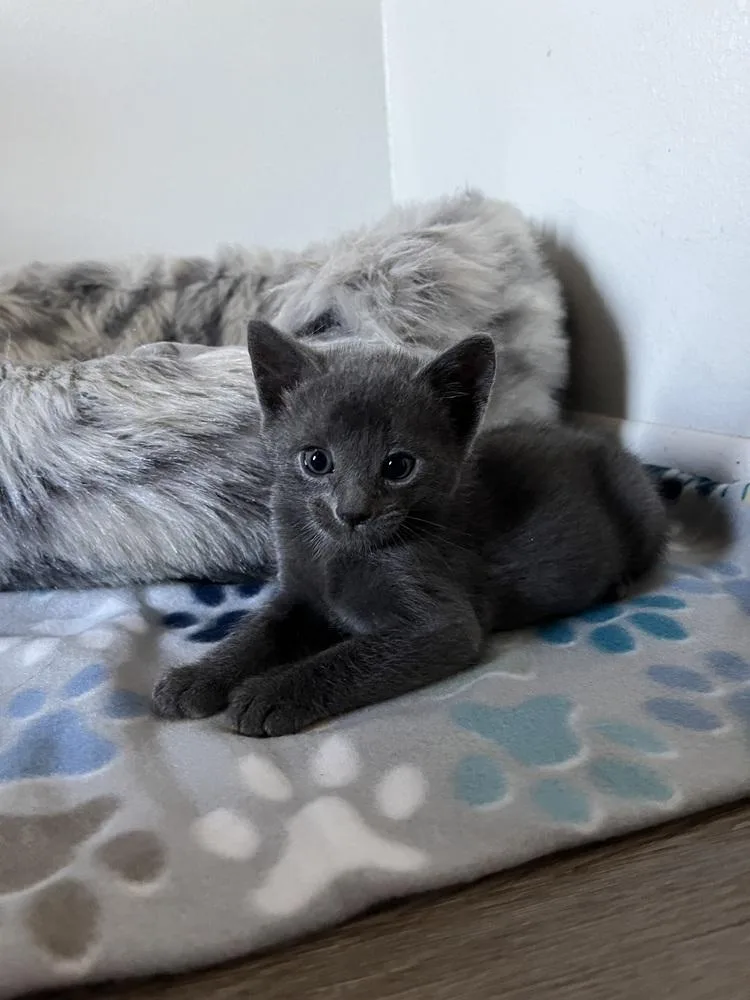
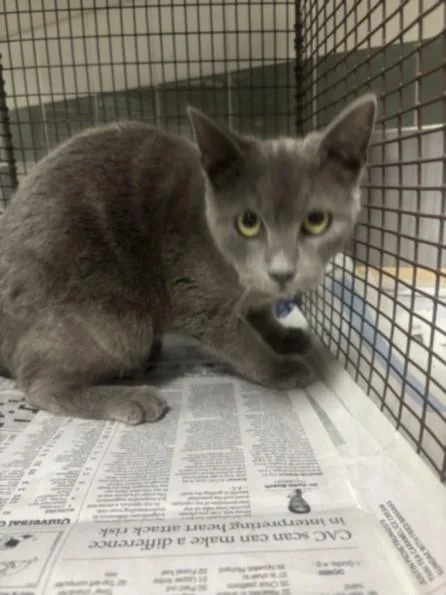
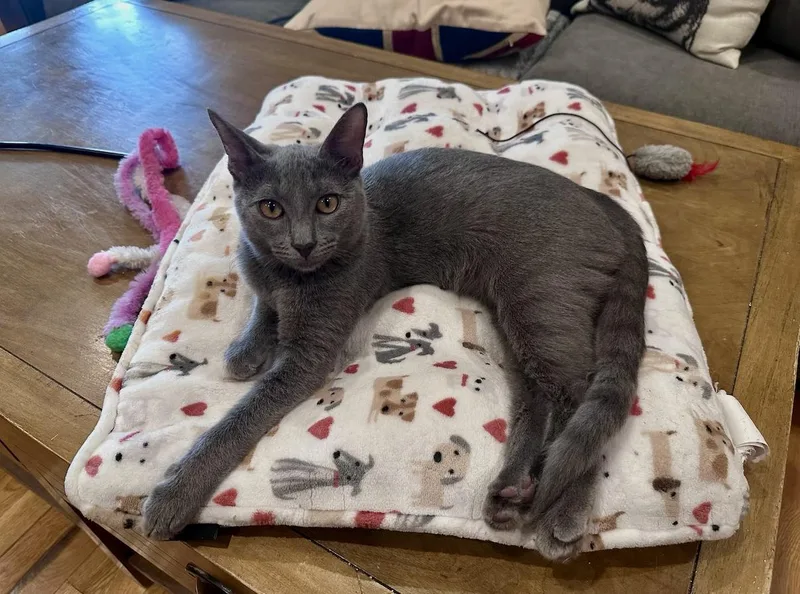
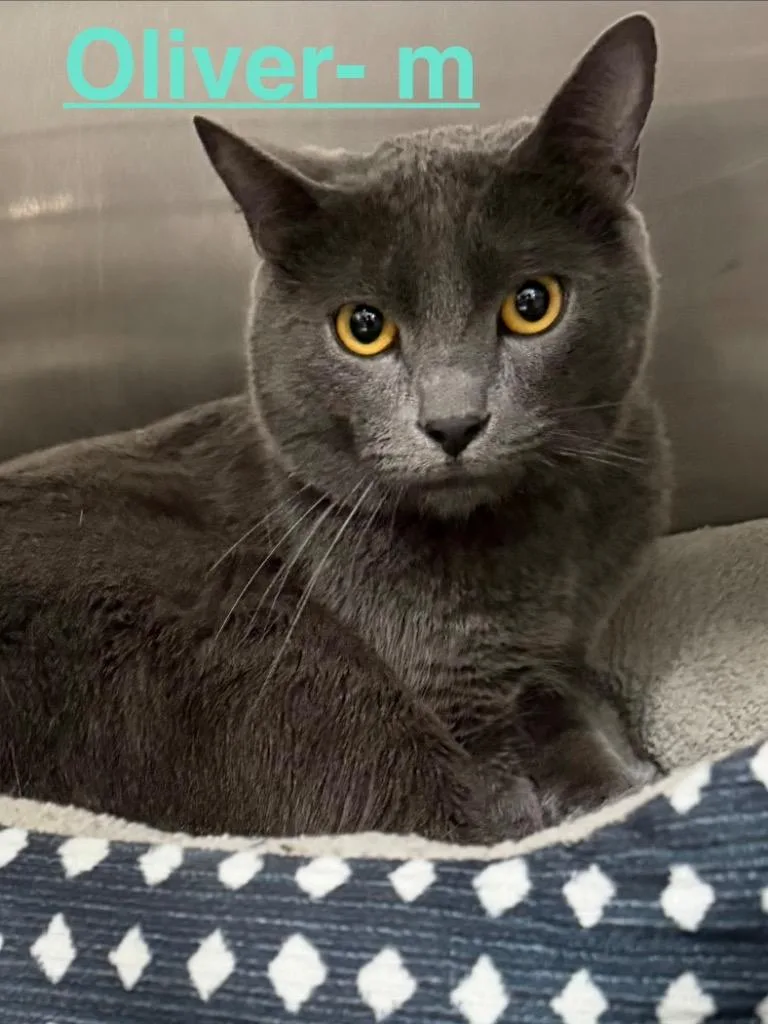
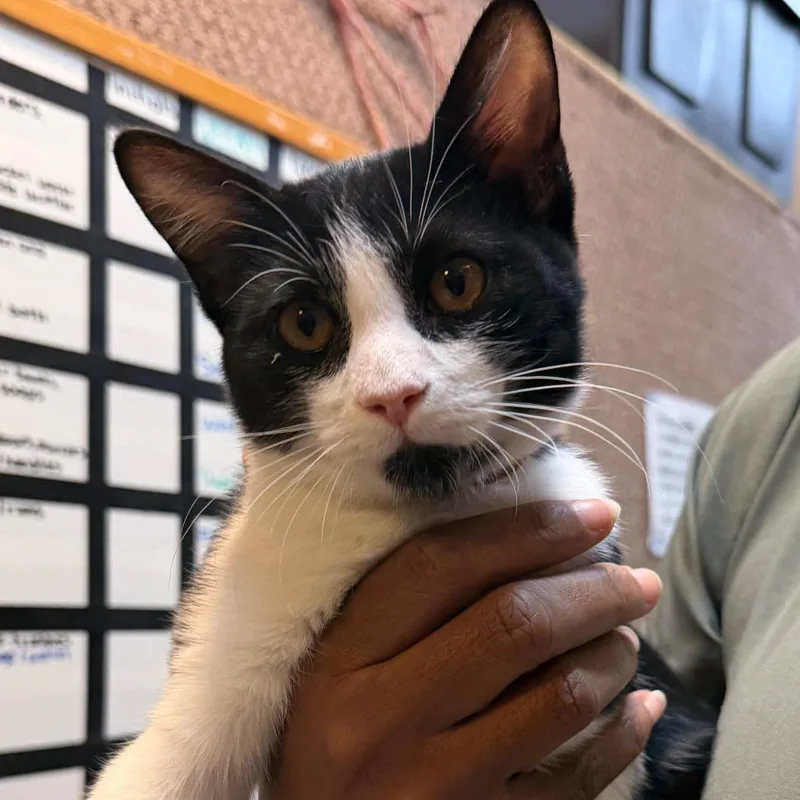
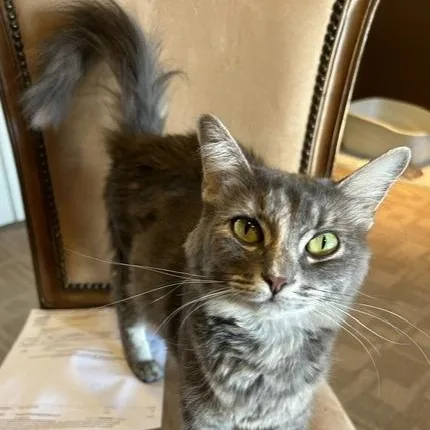
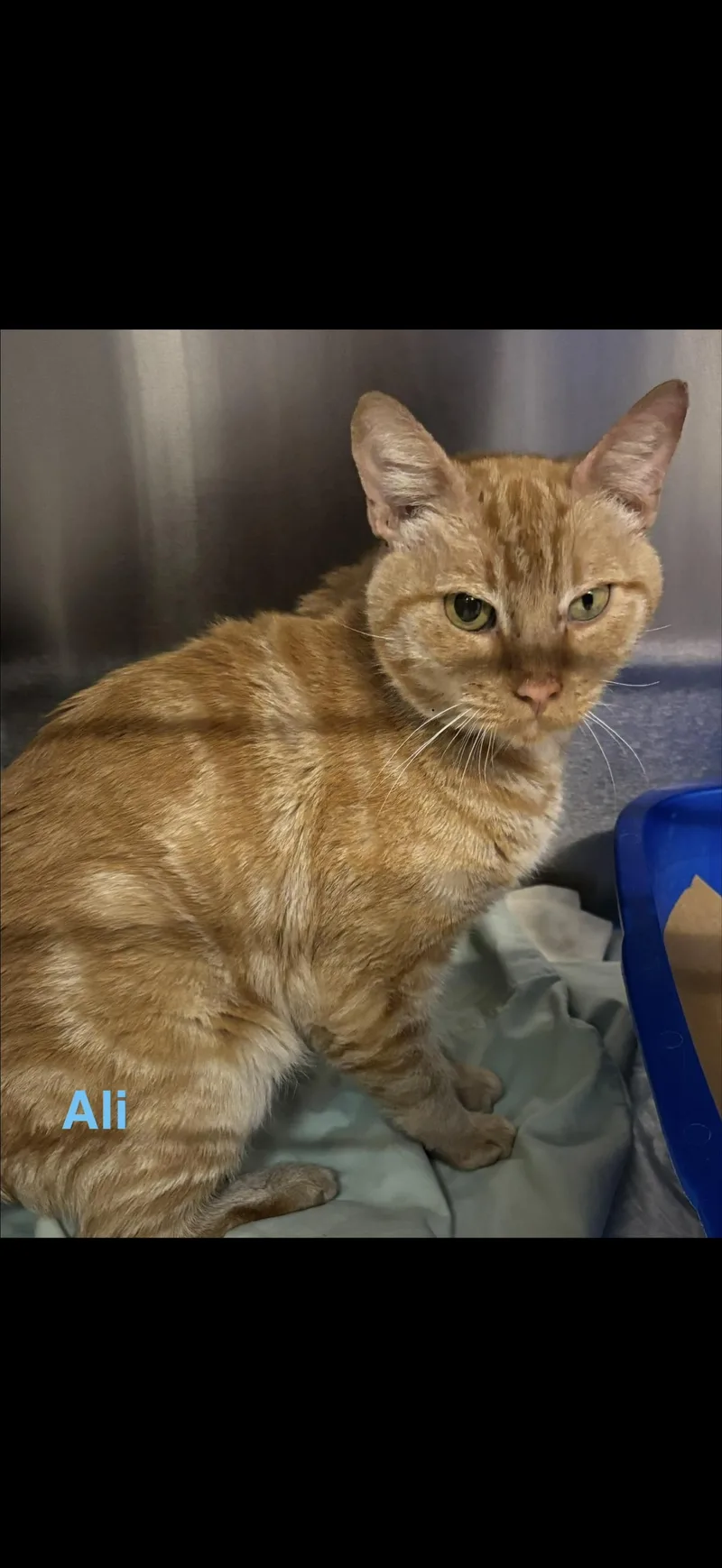
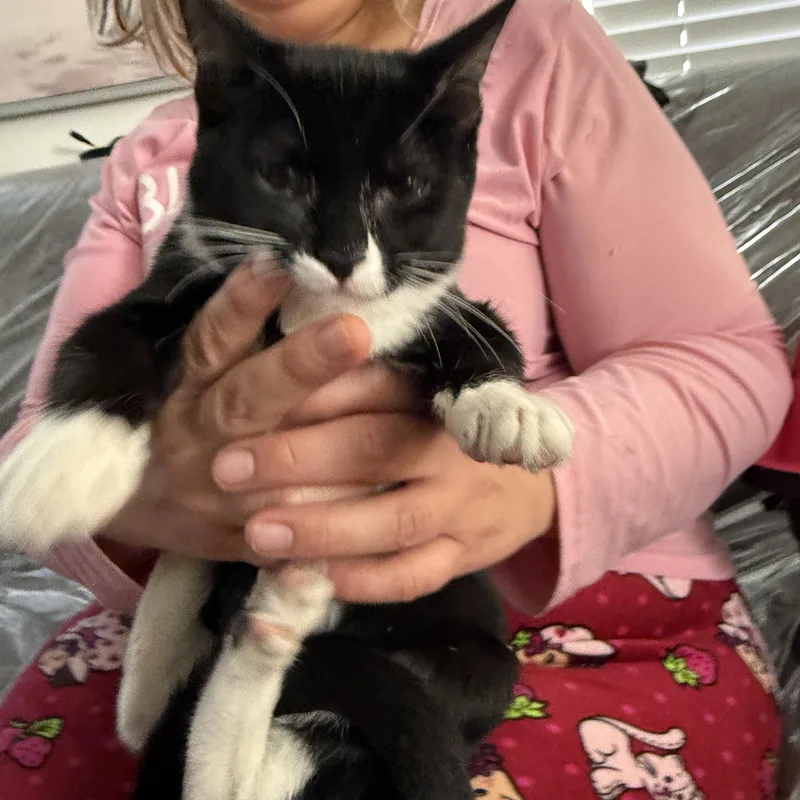
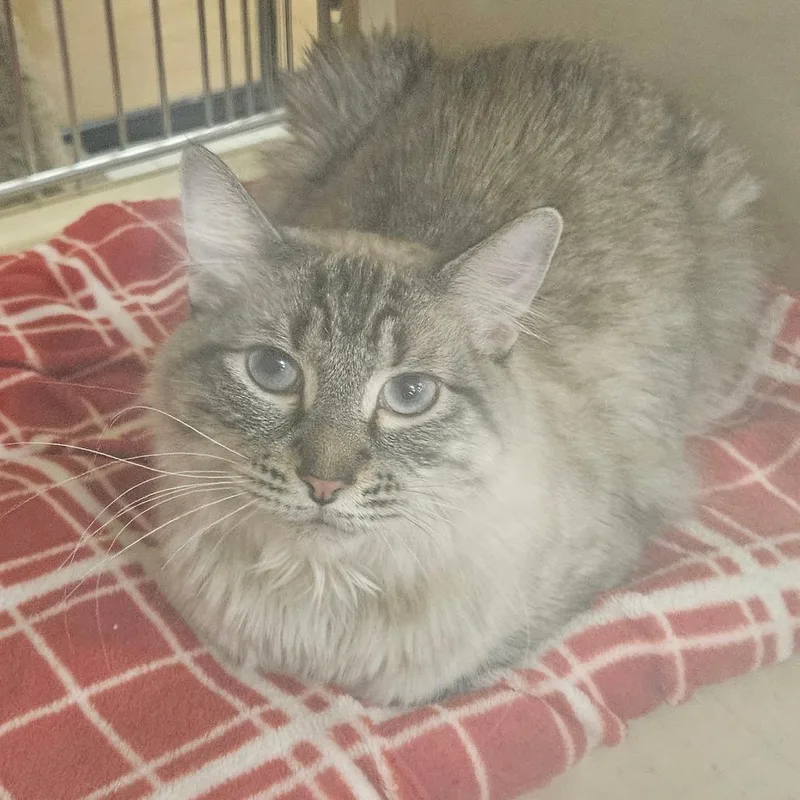
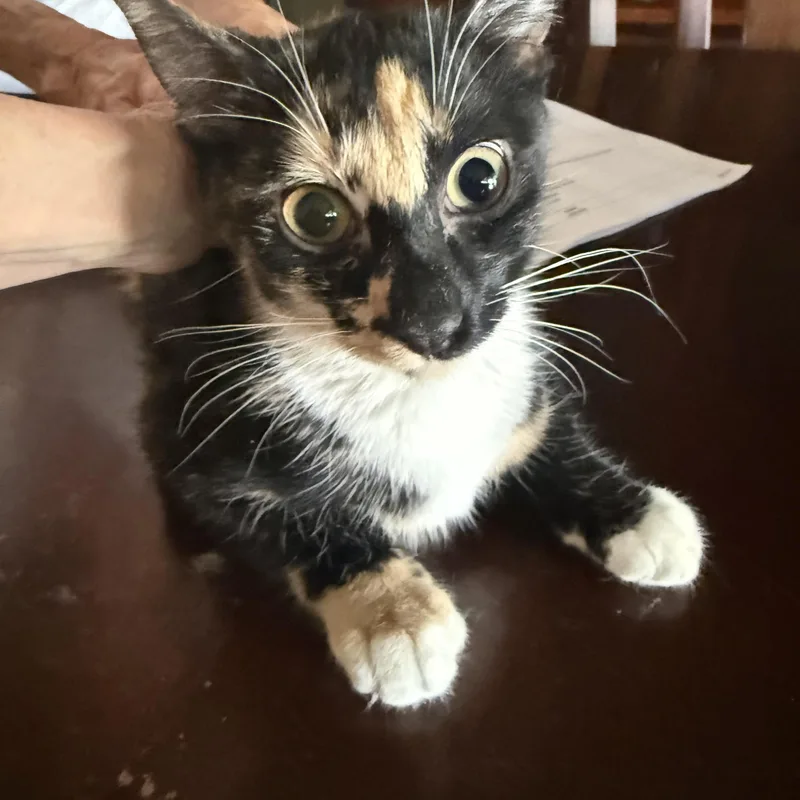
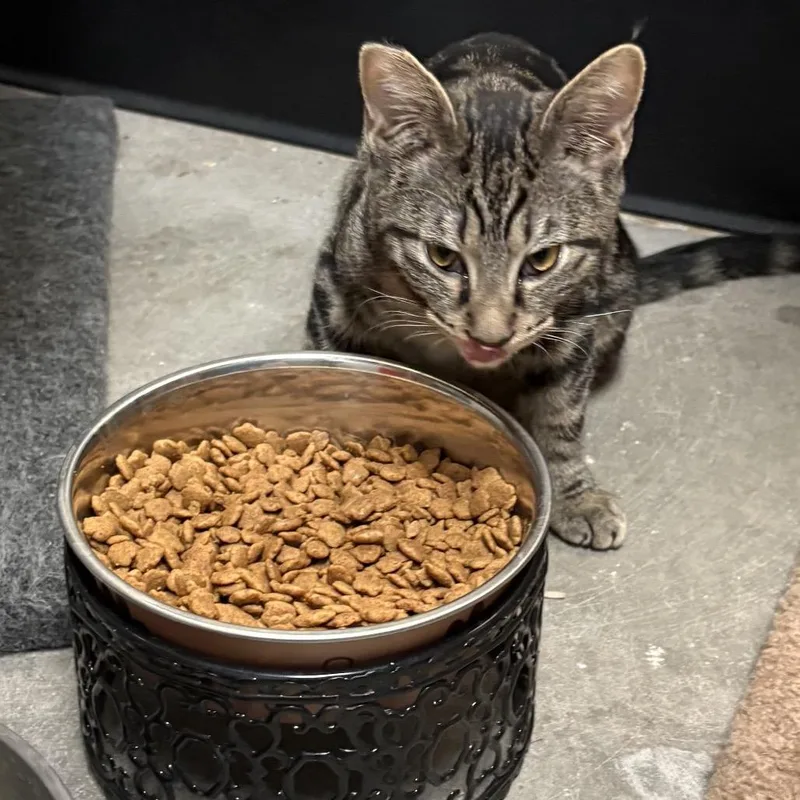
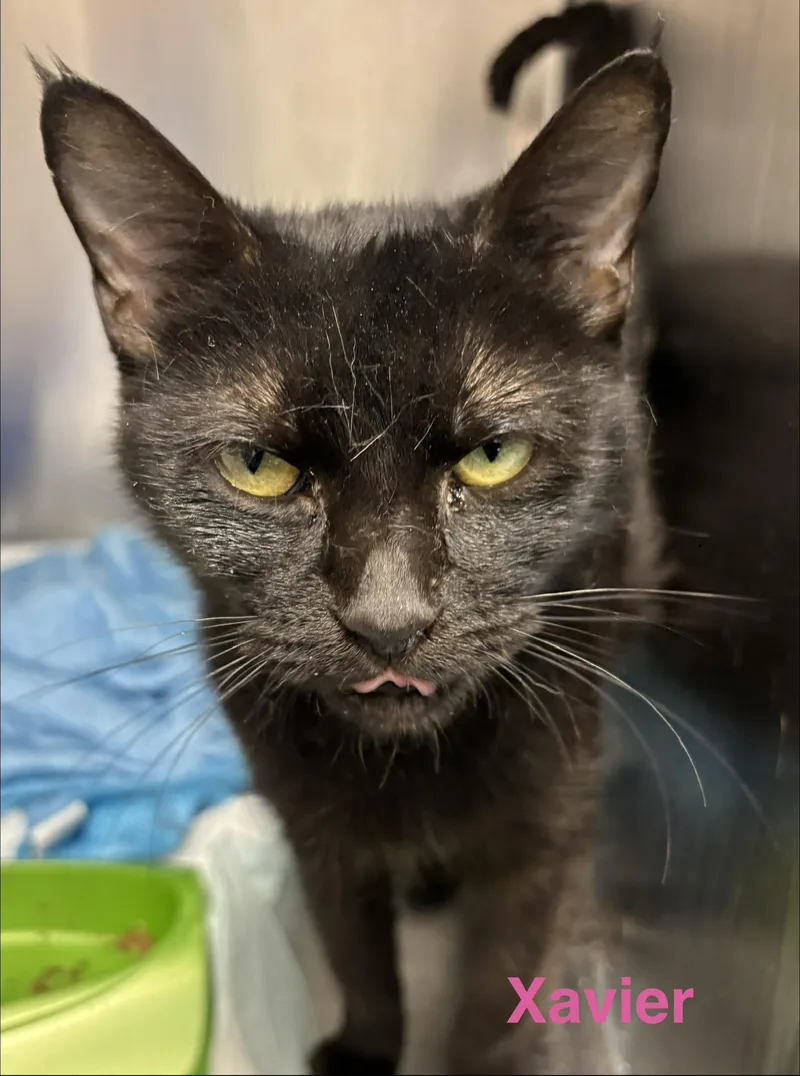
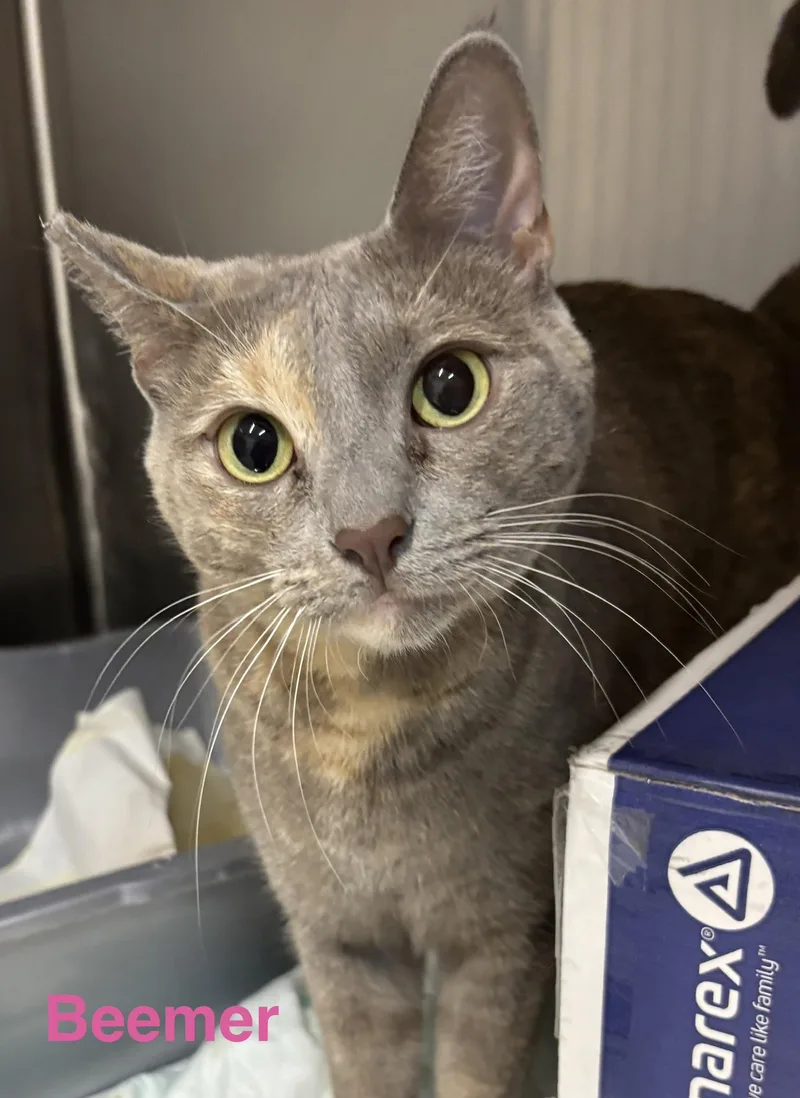
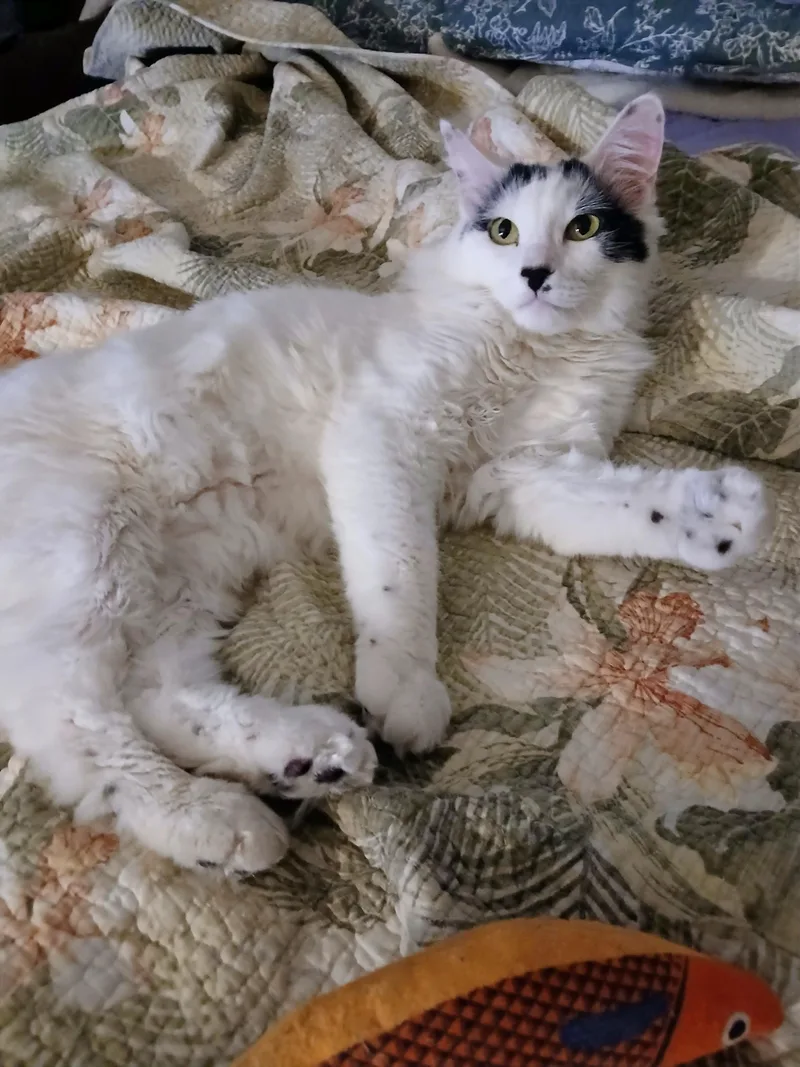
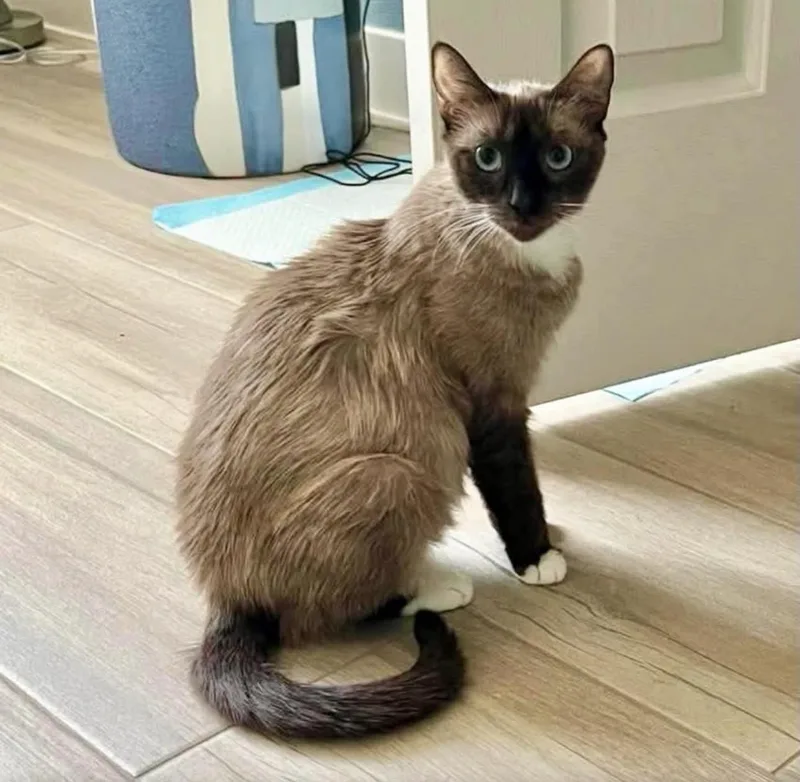
16 Chartreuxes available in Las Vegas and nationwide

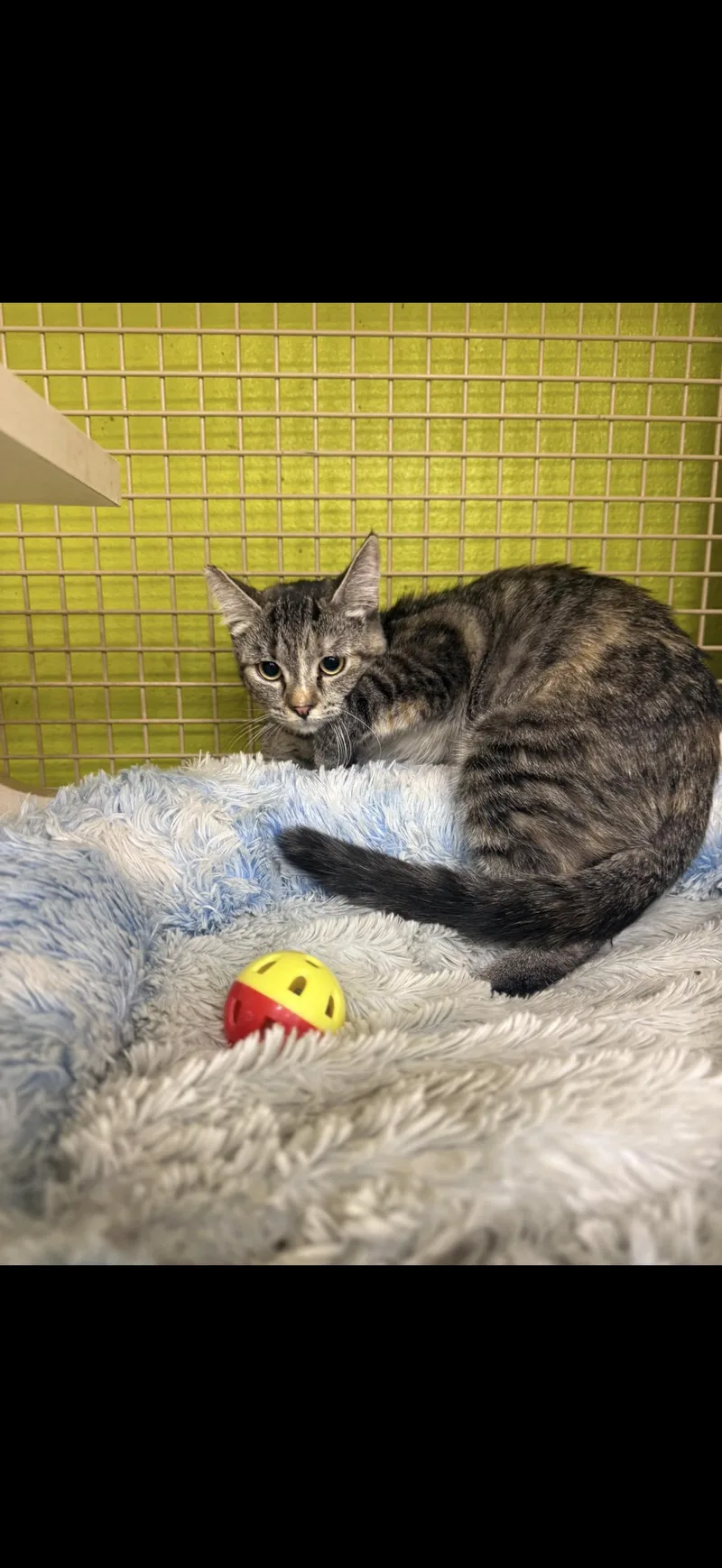
Say hello to your Chartreux

While we don't have enough cats near Las Vegas, keep in mind that many rescues may offer transport.

Chartreuxes Available for Adoption Near Las Vegas

About the Chartreux breed

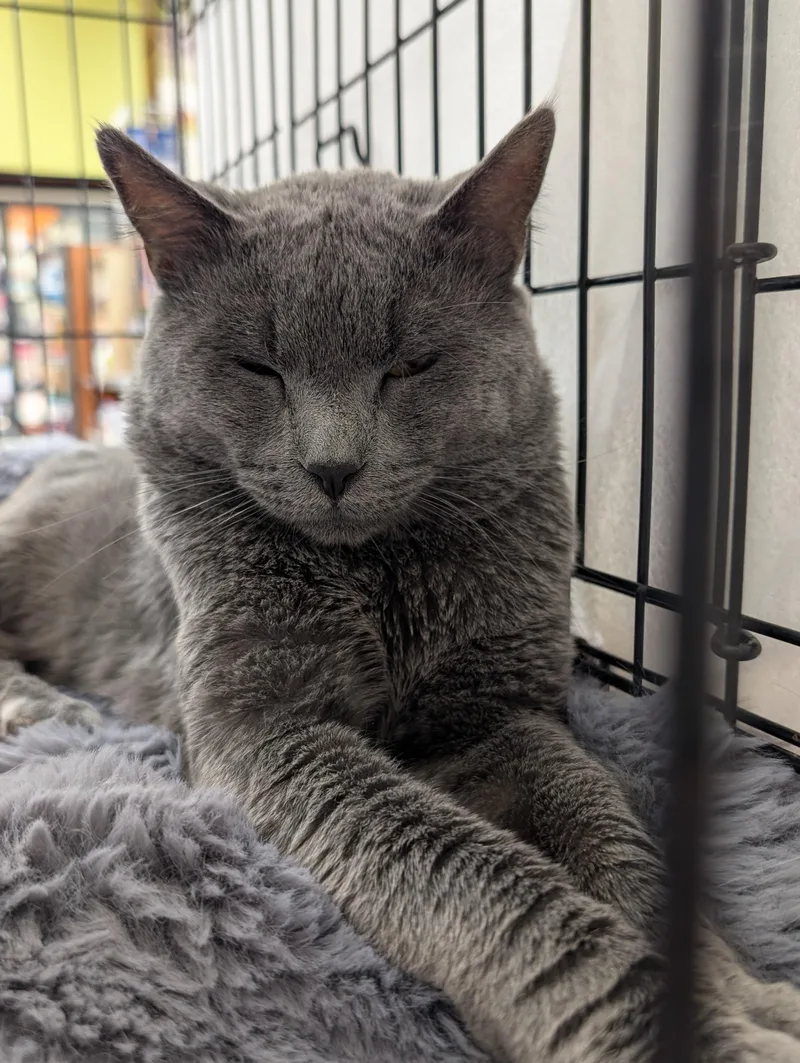
The Chartreux is a French breed with a long history. Blue-gray cats were written about in sixteenth-century France, and after the breed nearly disappeared following World War I, it was rebuilt in the 1920s from natural colonies. Every Chartreux is blue, with a dense, woolly, water-resistant coat, gold to copper eyes, a muscular body on fairly short legs and a tapered muzzle that gives the face a smiling look. Adults typically weigh 7 to 14 pounds, and males run larger.

Personality tends toward calm, gentle and devoted. Many chirp softly instead of meowing, and some are nearly silent. Play comes in short bursts, usually with toys that mimic prey. Chartreux mature slowly, over several years, and the thick coat sheds most heavily with the seasons. In a Las Vegas home, that means a regular brushing routine and measured meals, since these cats put on weight easily.

Weight
7–14 lbs
Height
9–11 in
Lifespan
12–15 yrs
Temperament
Quiet, Loyal, Calm, Gentle
Shedding
Moderate

Owning a Chartreux in Las Vegas

Having a Chartreux in Vegas

A Chartreux is a sturdy, plush-coated cat with a soft voice that adapts well to Vegas homes. Short bursts of hunting play, a tendency to gain weight and a thick seasonal coat shape the routines that keep one comfortable.

Temperament

Chartreux are often calm and gentle, bonding closely with their household and sometimes picking a favorite person. Many do well with respectful children and calm pets after slow introductions. They tend to watch newcomers before engaging. Each cat differs, so the personality of the cat in front of you says more than breed averages.

Exercise Needs

Plan on a few short, energetic play sessions a day with wand toys, feathers and toy mice, plus food puzzles for the mind. Since cats are safest indoors in Vegas, a tall cat tree and a window perch add climbing and bird-watching. Regular play matters because this solid breed gains weight easily.
Health Considerations

Chartreux are generally hardy, but patellar luxation, a kneecap that slips out of place, is documented in the breed, and weight gain and dental disease are common concerns. Measured meals, daily play and regular checkups help. A veterinarian can examine the knees and teeth soon after adoption.

Living Space

A Chartreux adapts well to a condo, apartment or single-family house as long as it has a cat tree and a sunny window perch. Indoor living also keeps it safe from heat and coyotes. Most tolerate some time alone, though they appreciate steady routines and company.

What it costs to own a Chartreux in Las Vegas

ExpenseTypical costPer year
Food$25 to $50 per month$300 to $600
Pet insurance$25 to $50 per month$300 to $600
Routine vet care$150 to $350 per year$150 to $350
Other*$460 to $1,160 per year$460 to $1,160
Estimated yearly total (after year one)$1,210 to $2,710

Other costs are estimates and vary with size, age and health.

* Litter, the $10 Las Vegas license for a spayed or neutered cat, parasite prevention, a dental cleaning allowance, toys and scratchers, and brushing supplies for seasonal shedding.

Adopt a Chartreux in Las Vegas.

Now that you know more, let’s find you a new best friend. These rescues and shelters below have cats available in and near Las Vegas.

Frequently Asked Questions

Yes. Nevada bars breed-specific rules, so Chartreux face no local bans. Las Vegas requires a city license, a microchip and a rabies vaccination for cats over four months, plus spaying or neutering by four months unless exempt. A household can keep up to six cats, and the city license costs $10 for a spayed or neutered cat.

Often, for someone who keeps the home cool and spends time with their cat. Chartreux are calm, loyal and happy indoors, which suits desert summers and coyote country. They do need daily play, extra brushing during seasonal sheds and measured meals. A person who's away most of the day may want a different companion.

Yes, Chartreux usually do well in apartments and condos. They're quiet, moderately active and content with a cat tree, a window perch and short play sessions with wand toys. Their soft voices rarely lead to noise complaints. Check your lease first, since pet deposits, pet rent and limits vary from building to building.

Yes, as indoor cats with air conditioning. Summer highs reach about 102°F, and 100-degree days run from late May into September, which is hard on a dense coat. Keep the home cool, close afternoon blinds and provide fresh water. Never leave a Chartreux in a parked car, and skip outdoor time in summer.

Weekly brushing is enough most of the year, with a few sessions a week during the spring and fall sheds. Dry desert air means baths are rarely needed, so grooming stays inexpensive. Brushing supplies are part of the roughly $460 to $1,160 a year in Other costs, alongside litter and parasite prevention.

Yes, but only in a carrier. RTC buses allow pets in a covered, secured cage when there is open space, and a pet that needs its own seat is charged full adult fare. Choose a roomy carrier, since a Chartreux can weigh up to 14 pounds. Las Vegas has no subway, so buses are the option.

No. Southern Nevada health rules let restaurants admit only dogs, and only on approved outdoor patios. Other pets are prohibited both outdoors and indoors, so a Chartreux is better off at home. That's also the kinder choice in summer, when patios and pavement get very hot.

Yes, Chartreux cats are rare, especially outside France. Relatively few are registered each year in the United States, and they seldom appear in shelters. Many blue-gray shelter cats are domestic shorthairs or mixes rather than Chartreux. Breed rescues and cat rescues occasionally have adult Chartreux available, so watching listings regularly helps.

Chartreux is pronounced shar-TROO in French, and many English speakers say shar-TREW. The name may come from the Carthusian monks of the Grande Chartreuse monastery, though some historians link it to a Spanish wool. Whichever origin is true, the breed's name is tied to its French homeland.

Expect a Chartreux to cost roughly $25 to $50 a month for food and $25 to $50 a month for pet insurance. Routine vet care runs $150 to $350 a year, and other yearly costs, including litter, parasite prevention, dental care and the city license, add $460 to $1,160. Adoption fees vary by listing.