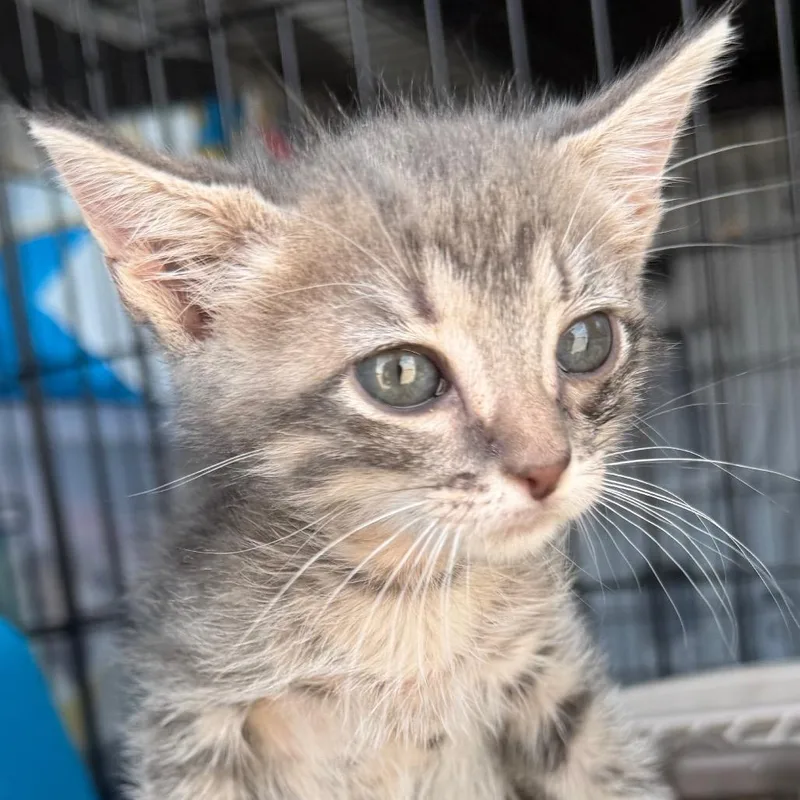
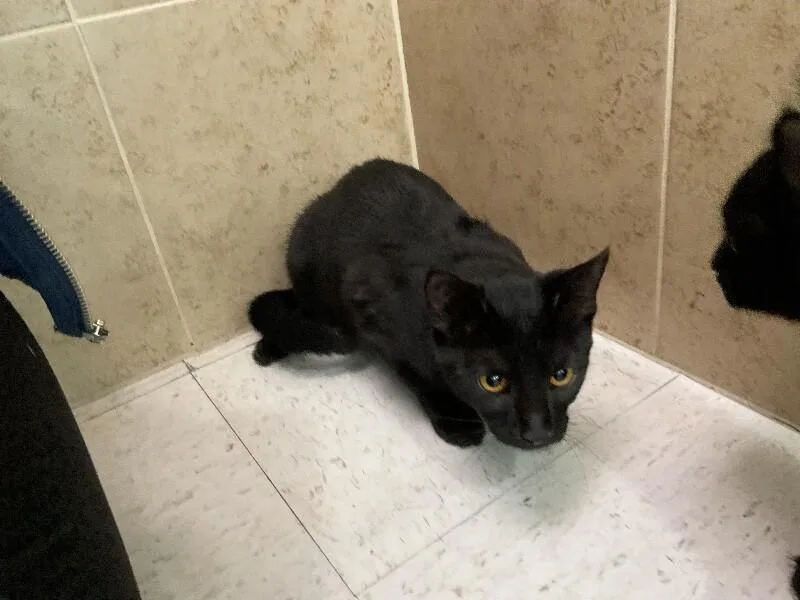
Domestic Short Hair Cats for Adoption in Hobbs, NM

Your guide to finding and caring for a Domestic Short Hair in Hobbs

A Domestic Short Hair fits easily into Hobbs life, whether home is an older place near Broadway or a house on the north side. These short-coated cats come in every color and personality, and most are happy with a sunny window, a few play sessions a day and a lap when you sit down. A cat that's content indoors suits a rental or a house equally well. With summer afternoons running hot, that's where most Hobbs cats end up anyway.

146670 Domestic Short Hairs available in Hobbs and nationwide

Find your Domestic Short Hair

While we don't have enough cats near Hobbs, keep in mind that many rescues may offer transport.

Domestic Short Hairs Available for Adoption Near Hobbs

About the Domestic Short Hair breed

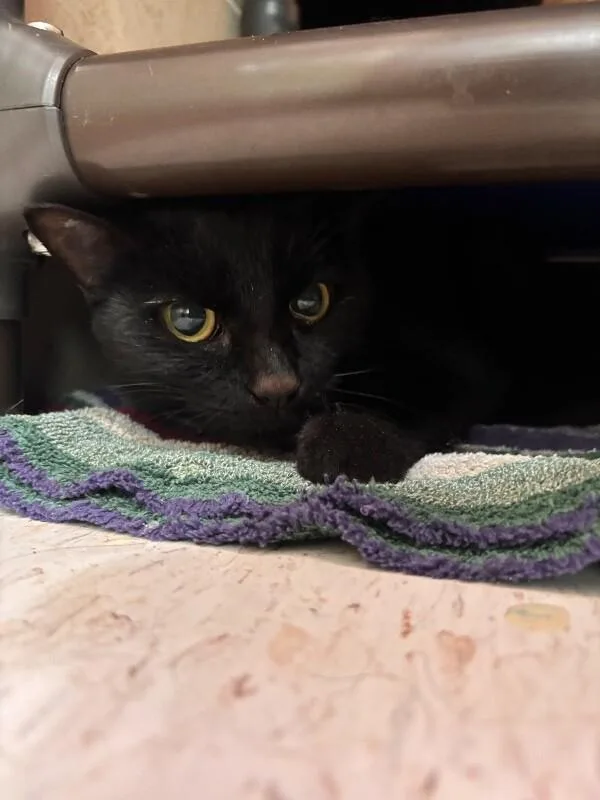
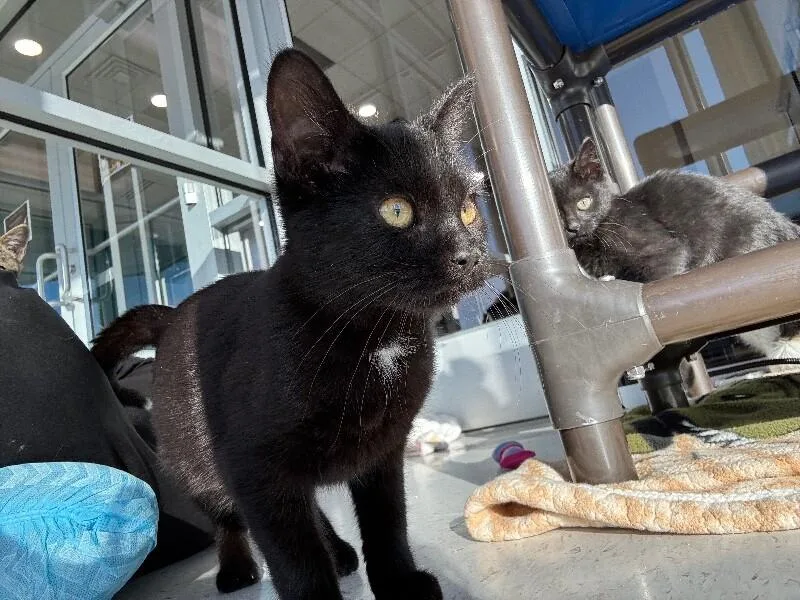
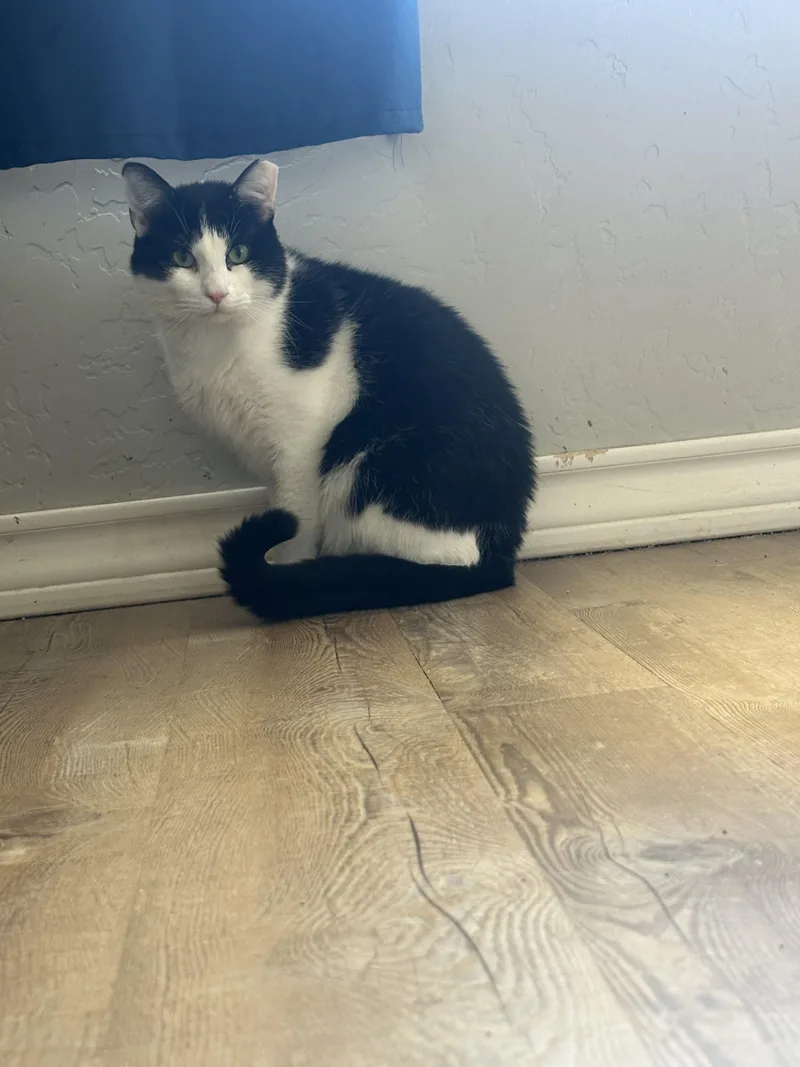
Domestic Short Hair describes a type of cat rather than a breed: a short-coated cat of mixed or unknown ancestry. It's the most common kind of cat in American homes and shelters, often shortened to DSH on adoption records, and it isn't the same as a pedigreed American Shorthair. Coats show up in every color and pattern, from tabby and tuxedo to calico and solid black.

Most are medium-sized, sturdy and adaptable, usually between 6 and 14 pounds, and the short coat takes little upkeep. Beyond that, personalities vary a lot: some are lap cats, some are talkative, and others prefer to watch from a windowsill. In Hobbs, where many cats live mostly indoors because of the heat and storms, a cat's age, energy and comfort with quiet or company are the best guide to a match.

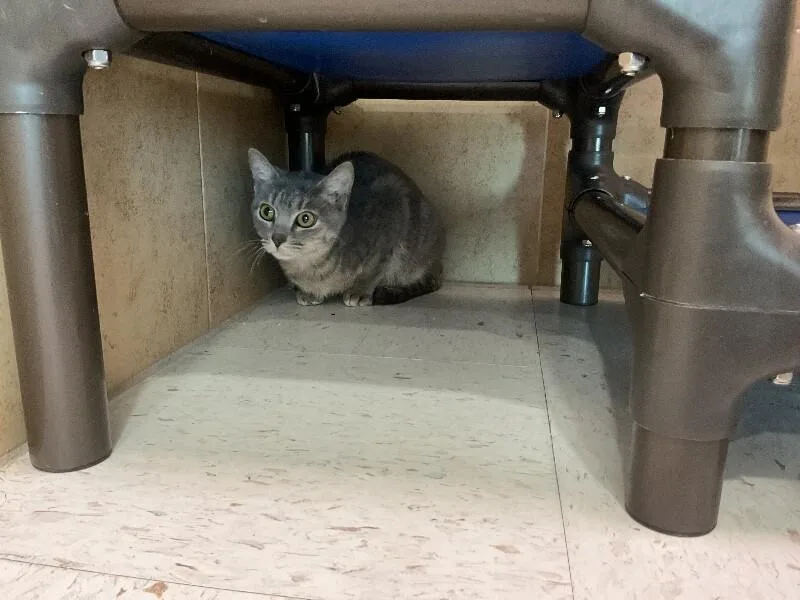
Weight
6–14 lbs
Height
8–10 in
Lifespan
12–18 yrs
Temperament
Adaptable, Curious, Affectionate
Shedding
Moderate

Owning a Domestic Short Hair in Hobbs

Having a Domestic Short Hair in Hobbs

A practical coat is about the only thing Domestic Short Hairs share; energy, sociability and age vary from cat to cat. In Hobbs, a cat that's comfortable indoors, relaxed through quiet days and keen on play tends to suit the heat and storm seasons best.

Temperament

Domestic Short Hairs range from outgoing lap cats to shy observers, and coat type doesn't predict which. Many adjust well to new homes and other pets with gradual introductions. Kittens tend to be bold and playful, while adults show settled personalities. Storm and fireworks noise in Hobbs can unsettle shy cats, so a quiet hideaway helps.

Exercise Needs

Daily interactive play keeps indoor cats fit. Wand toys, chase games and food puzzles use up energy and satisfy hunting instincts. Young cats may want several short bursts, while seniors enjoy gentler sessions. Hobbs summer afternoons are hot, so play in the morning or evening, and add window perches and climbing shelves for the hours between.

Health Considerations

Mixed ancestry may lower the risk of some inherited conditions, but Domestic Short Hairs still face obesity, dental disease and urinary problems, plus kidney disease, hyperthyroidism and diabetes in older cats. A veterinarian can check weight, teeth and kidney values at the first visit. A screwworm case turned up in a Lea County dog in 2026, so have any wound examined promptly.

Living Space

Domestic Short Hairs adapt to apartments and houses alike when they have enrichment and quiet retreats. Climbing shelves, scratching posts, hiding spots and a clean litter box matter more than square footage. Keeping cats indoors or in a secure enclosure protects them from heat, storms and traffic, and window screens help prevent falls.

What it costs to own a Domestic Short Hair in Hobbs

ExpenseTypical costPer year
Food$25 to $50 per month$300 to $600
Pet insurance$20 to $45 per month$240 to $540
Routine vet care$150 to $350 per year$150 to $350
Other*$460 to $1,160 per year$460 to $1,160
Estimated yearly total (after year one)$1,150 to $2,650

Other costs are estimates and vary with size, age and health.

* The $10 Hobbs cat license, litter, flea prevention, a dental cleaning allowance, toys, scratchers and other supplies, and minimal home grooming.

Adopt a Domestic Short Hair in Hobbs.

Now that you know more, let’s find you a new best friend. These rescues and shelters below currently have Domestic Short Hairs available.

Rescues in Hobbs with Domestic Short Hairs Available

Hobbs's rescue community includes a city-run adoption center and a humane society working alongside it, caring for cats and dogs awaiting homes. Here are the rescues & shelters in the Hobbs area where you can find Domestic Short Hairs and other cats available for adoption.

Frequently Asked Questions

Yes. Hobbs has no breed-specific rules for cats, so a Domestic Short Hair is as welcome as any other cat. You'll need a city license and a current rabies vaccination for any cat over three months. Households can keep up to five dogs and cats combined, all spayed or neutered unless the owner holds a permit.

Yes, as long as they spend the hot hours indoors. Hobbs summers are long and hot, with warm nights too, so short-coated cats do best in air conditioning with water in several spots. Skip midday play, keep windows screened, and never leave a cat in a parked car.

Yes. Domestic Short Hairs usually adapt well to apartments when they have a window perch, climbing space, scratching posts and daily play. Because many Hobbs households rent, confirm the landlord's pet terms and any deposit in writing. Apartment managers can't let animals roam common areas, so plan on keeping your cat indoors.

Often, yes, especially if you want an adaptable cat without heavy grooming. A Domestic Short Hair can ride out Hobbs's hot summers and storm seasons indoors, and the mild winters need little more than warm bedding. Personalities vary, so a calm cat suits quieter homes and a playful one suits households that are home more.

Very little. A weekly brushing usually keeps loose hair under control, with a bit more during heavier shedding periods, and Hobbs's climate doesn't change that. Professional grooming isn't normally needed, which keeps this within the modest Other costs in the cost table. A veterinarian or groomer should handle any mats.

Domestic shorthair cats typically live about 12 to 18 years, and many indoor cats reach their late teens or early twenties. Large UK veterinary studies have found mixed-breed cats tend to live slightly longer than pedigreed cats on average. Spaying or neutering, indoor living, a healthy weight, dental care and regular checkups all help a cat enjoy a longer life.

No, domestic shorthair cats are not hypoallergenic. The main cat allergen, a protein called Fel d 1, comes from saliva and skin glands, so short fur does not prevent reactions. Allergen levels vary between individual cats, and some people react less to certain cats. Spending time with a specific cat before adopting is the best way to test your response.

A domestic shorthair cat is a short-coated cat of mixed or unknown ancestry rather than a member of a pedigreed breed. It is the most common type of cat in the United States and in shelters. Domestic shorthairs come in every color and pattern, and their size and personality vary widely depending on their varied genetic background.

We have 1 rescue with Domestic Short Hairs available: Lea County Humane Society/Hobbs Animal Adoption Center. You can see every rescue with Domestic Short Hairs available in the list above these questions, or scroll to the top to see the Domestic Short Hairs near Hobbs.

Expect roughly $1,150 to $2,650 a year for a Domestic Short Hair in Hobbs. That covers food at $25 to $50 a month, insurance at $20 to $45 a month, routine vet care of $150 to $350 a year, and other costs of $460 to $1,160 a year, including litter, parasite prevention and dental care.

Explore Other Breeds in Hobbs

Looking for a different breed? Browse other cats available for adoption in Hobbs.