
Ocicat Cats for Adoption in Albuquerque, NM

Your guide to finding and caring for an Ocicat in Albuquerque

An Ocicat suits Albuquerque best in a home where someone is around a lot. Whether that's a loft in Downtown's Casa District, a Barelas bungalow or a Westside house in Ventana Ranch, this spotted, social cat wants company and a good window to watch from. Albuquerque's sunny days make a tall cat tree by the glass worth the floor space. Plan on daily play sessions, since most Ocicats bore quickly.

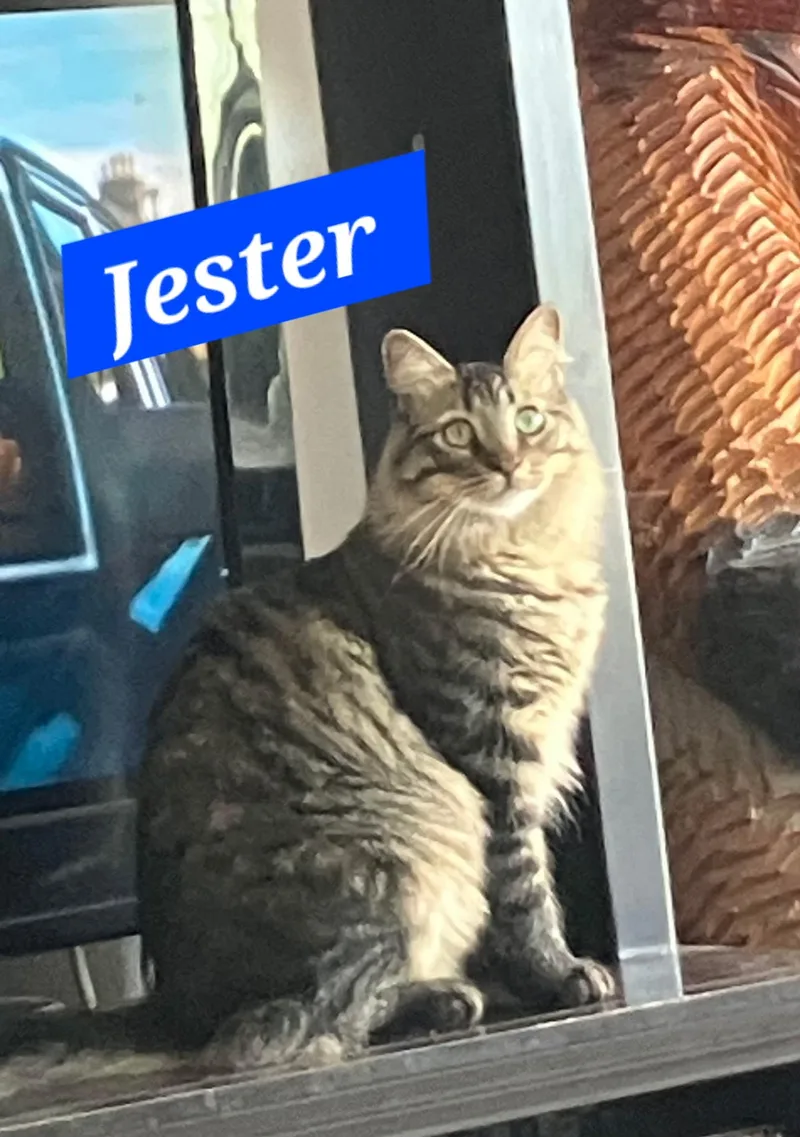
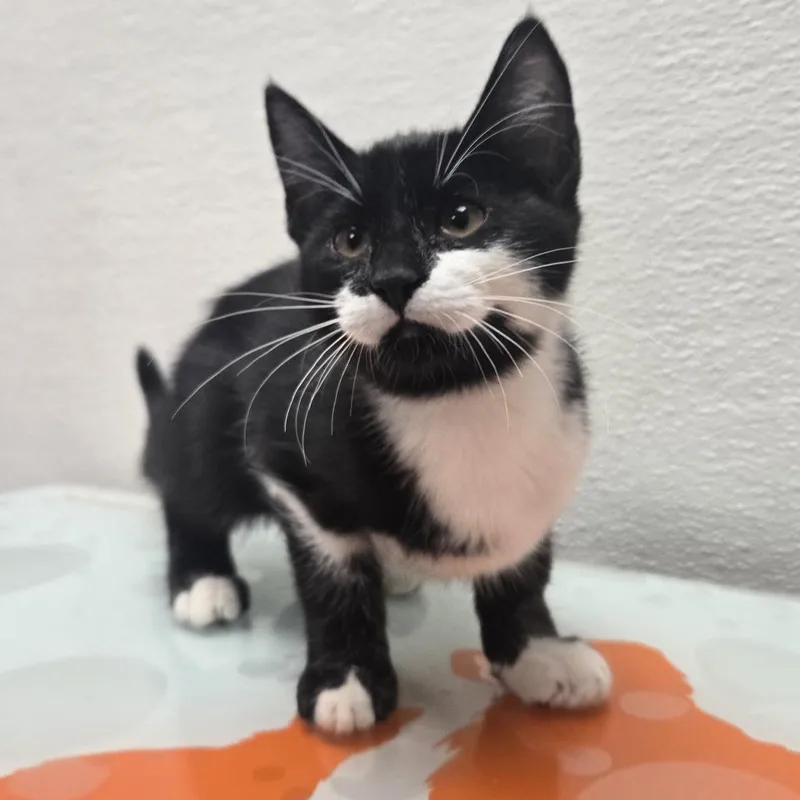
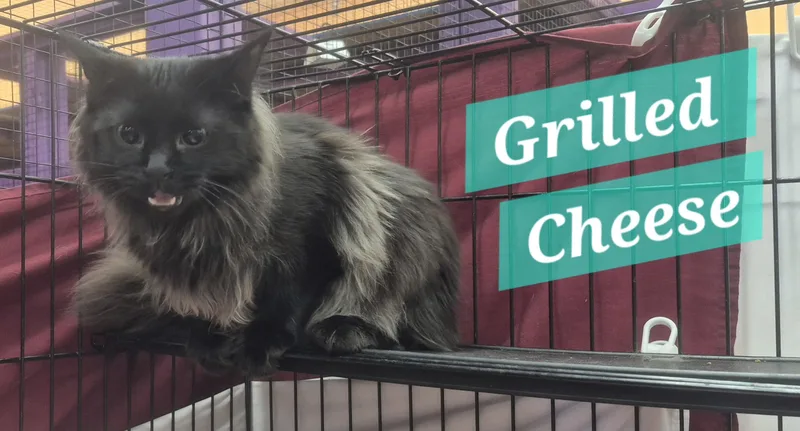
18 Ocicats available in Albuquerque and nationwide

Say hello to your Ocicat

While we don't have enough cats near Albuquerque, keep in mind that many rescues may offer transport.

Ocicats Available for Adoption Near Albuquerque

About the Ocicat breed

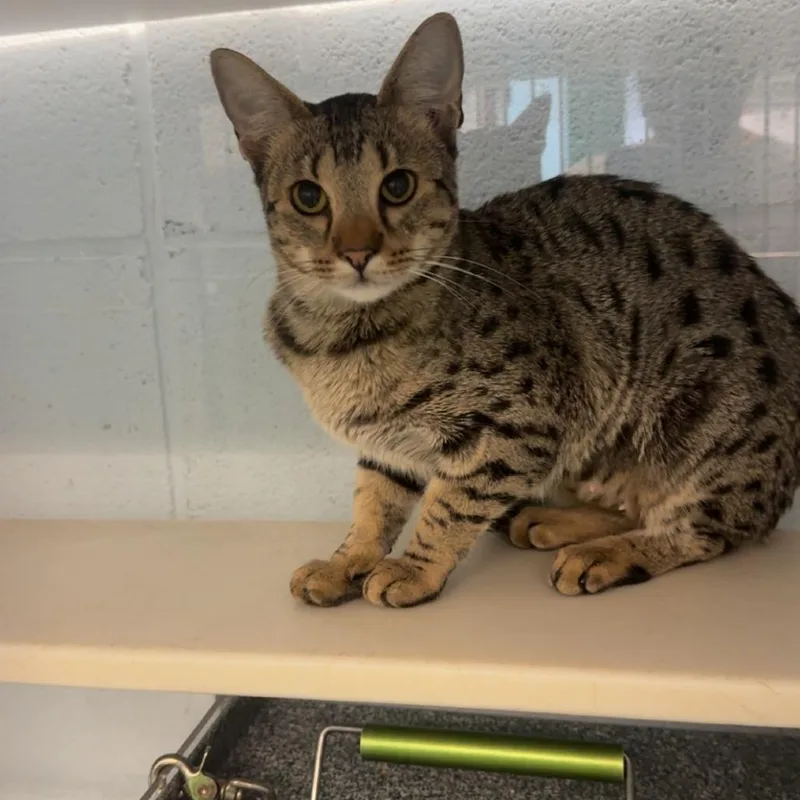
The Ocicat is a fully domestic cat, created in Michigan in 1964 and named for its resemblance to an ocelot. Don't let the look fool you: there's no wild blood here, just Abyssinian, Siamese and American Shorthair ancestry. Expect a muscular, surprisingly heavy cat, usually 6 to 15 pounds, with a short, satiny coat and thumbprint spots.

In Albuquerque, the trade-offs are mostly about energy and company. Ocicats tend to be outgoing, quick to learn games like fetch, and unhappy when left alone all day, so they fit households with flexible schedules or another playful pet. The short coat needs little more than weekly brushing. Every cat is different, so look at each cat's personality, not just the breed label.

Weight
6–15 lbs
Height
9–11 in
Lifespan
12–18 yrs
Temperament
Social, Active, Intelligent, Devoted
Shedding
Low to Moderate

Owning an Ocicat in Albuquerque

Having an Ocicat in Albuquerque

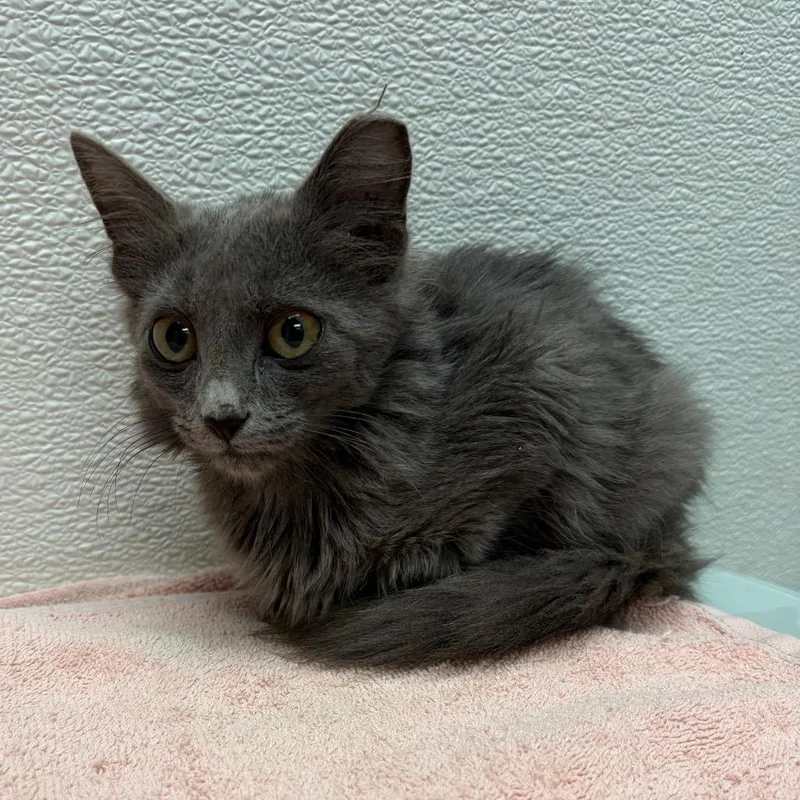
Ocicats are social, athletic and smart, which matters more day to day than their wild-looking spots. In Albuquerque, that means planning for play, vertical space and company, plus an indoor setup that keeps a curious cat away from coyotes and snakes.

Temperament

Ocicats are usually confident, people-focused cats that greet visitors instead of hiding. Many enjoy other cats and cat-friendly dogs once they're introduced properly. In a busy Albuquerque apartment complex with plenty of footsteps and neighbors, that sociability often helps, though some become vocal or anxious when alone. Each cat's history and socialization shape how it handles change.
Exercise Needs

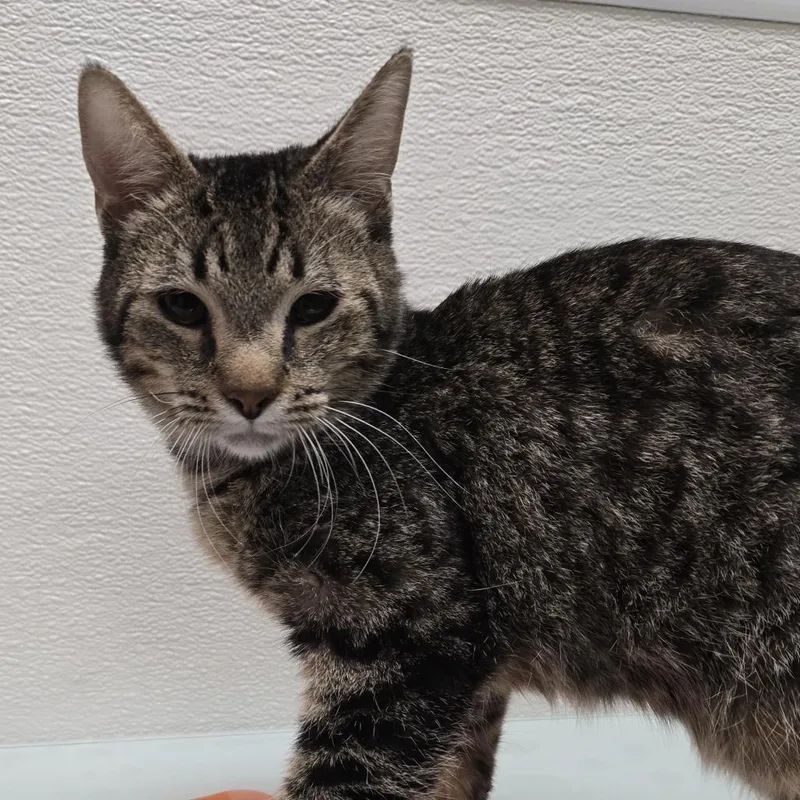
Most Ocicats need daily interactive play: wand toys, fetch, puzzle feeders and climbing. Indoors, tall cat trees and wall shelves do much of the work. Some cats take to a harness, but coyotes, rattlesnakes (April through October) and hot summer pavement make a secure catio or short, supervised sessions safer than roaming.

Health Considerations

Ocicats can carry conditions from their ancestry, including renal amyloidosis, pyruvate kinase deficiency, progressive retinal atrophy and heart disease. Not every cat is affected. A veterinarian can review records and check the heart, kidneys and teeth. In Albuquerque's very dry air, keep fresh water out all day, since good hydration supports kidney and urinary health.

Living Space

Ocicats do well in Albuquerque apartments, townhomes and houses as long as they have vertical space and company. A sturdy cat tree by a sunny window, scratchers and wall shelves matter more than square footage. Keep them indoors or in an enclosed catio, since traffic and wildlife are real risks outdoors.

What it costs to own an Ocicat in Albuquerque

ExpenseTypical costPer year
Food$25 to $50 per month$300 to $600
Pet insurance$30 to $60 per month$360 to $720
Routine vet care$150 to $350 per year$150 to $350
Other*$450 to $1,150 per year$450 to $1,150
Estimated yearly total (after year one)$1,260 to $2,820

Other costs are estimates and vary with size, age and health.

* Litter, flea prevention, a dental cleaning allowance, toys, scratchers and climbing furniture, and minimal home grooming.

Adopt an Ocicat in Albuquerque.

Now that you know more, let’s find you a new best friend. These rescues and shelters below have cats available in and near Albuquerque.

Frequently Asked Questions

Yes, Albuquerque has no breed-specific rules for cats, and Ocicats are fully domestic. You'll need a microchip, a rabies vaccine after three months of age, and spay or neuter by five months unless you hold a yearly intact permit. Households are limited to six pets, no more than four of them dogs, and there's no city pet license.

Yes, if the apartment offers vertical space, play and company. Ocicats are active but don't need a big floor plan; a tall cat tree, a window perch and daily wand-toy sessions go a long way. Read your lease for pet rules and fees first, and leave puzzle feeders out if you're away much of the day.

Yes, for an indoor Ocicat. Summers are hot and dry but nights cool off, winters are cold at night with light snow, and the short coat copes well indoors. Keep the home shaded in summer, provide fresh water, and offer sunny perches in winter. Spring wind, dust and monsoon storms are mostly reasons to keep the cat inside.

It can be, especially for people who are home often or have another playful pet. Albuquerque's sunny apartments and Westside houses offer windows to watch from, but an Ocicat needs daily play and company, and coyotes, rattlesnakes and traffic make indoor living safest. Long workdays away may be hard on this social cat.

Most Ocicats are happiest at home with a catio or window perch. If yours takes to a harness, a short walk at a quiet hour on the Paseo del Bosque Trail is possible, but pets must be leashed, with a leash no longer than eight feet. Avoid hot afternoons and pavement, and stay alert for coyotes and snakes.

Very little. A weekly brush removes loose hair from the short, satiny coat, and baths are rarely needed. Nail trims and dental care matter more. Those costs fall under Other, around $450 to $1,150 a year, which also covers litter, flea prevention and supplies, so grooming adds little to your Albuquerque budget.

No. ABQ RIDE buses, including the ART line on Central Avenue, allow only service animals, and the Rail Runner doesn't allow pets on the train. For vet visits, plan on a car or a ride from a friend, and use a sturdy, well-ventilated carrier that your Ocicat is used to.

An Ocicat is a domestic cat breed with a spotted coat that resembles a wild ocelot, though it has no wild ancestry. It was developed in the 1960s from Abyssinian, Siamese and American Shorthair cats. Ocicats are muscular, medium to large and come in twelve colors. Many are social, trainable and often called dog-like in personality.

No, Ocicats are not hypoallergenic. Their short, close-lying coat sheds lightly, but cat allergies are triggered mainly by proteins in saliva and skin that all cats produce. Some allergic people tolerate low-shedding cats better than others, but there is no guarantee. Spend extended time with the specific cat, and talk with your doctor, before adopting.

Plan on roughly $1,260 to $2,820 a year for an Ocicat in Albuquerque, covering food, pet insurance, routine vet care and other costs. Albuquerque requires a microchip and spay or neuter, so budget for those if they aren't already done. Insurance tends to run higher for breeds with hereditary conditions.