Chartreux Cats for Adoption in Albuquerque, NM

Your guide to finding and caring for a Chartreux in Albuquerque

A Chartreux suits a quiet loft in Downtown Albuquerque's Casa District as easily as a bungalow in Barelas. This cat is calm and soft-voiced, with a plush blue coat, so it won't bother neighbors through thin walls. It likes a sunny window perch and a few short bursts of play with a wand toy each day. Chartreux are uncommon, so watch the listings on this page. Most do best with someone home a fair amount, since many attach firmly to one favorite person.

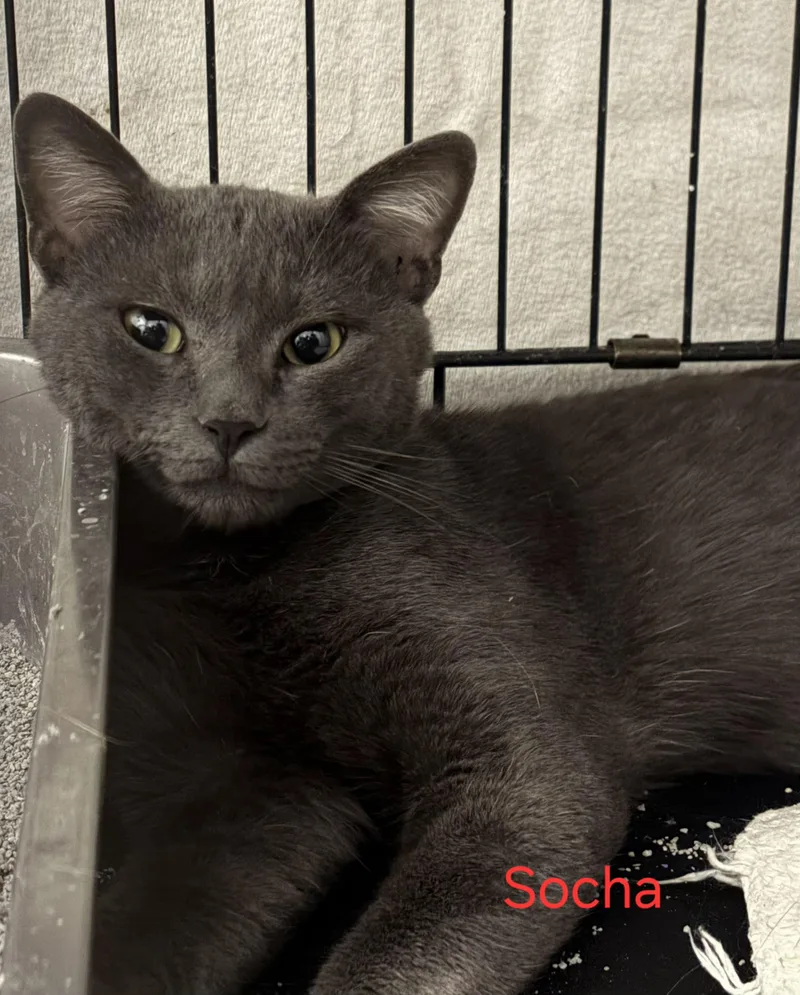
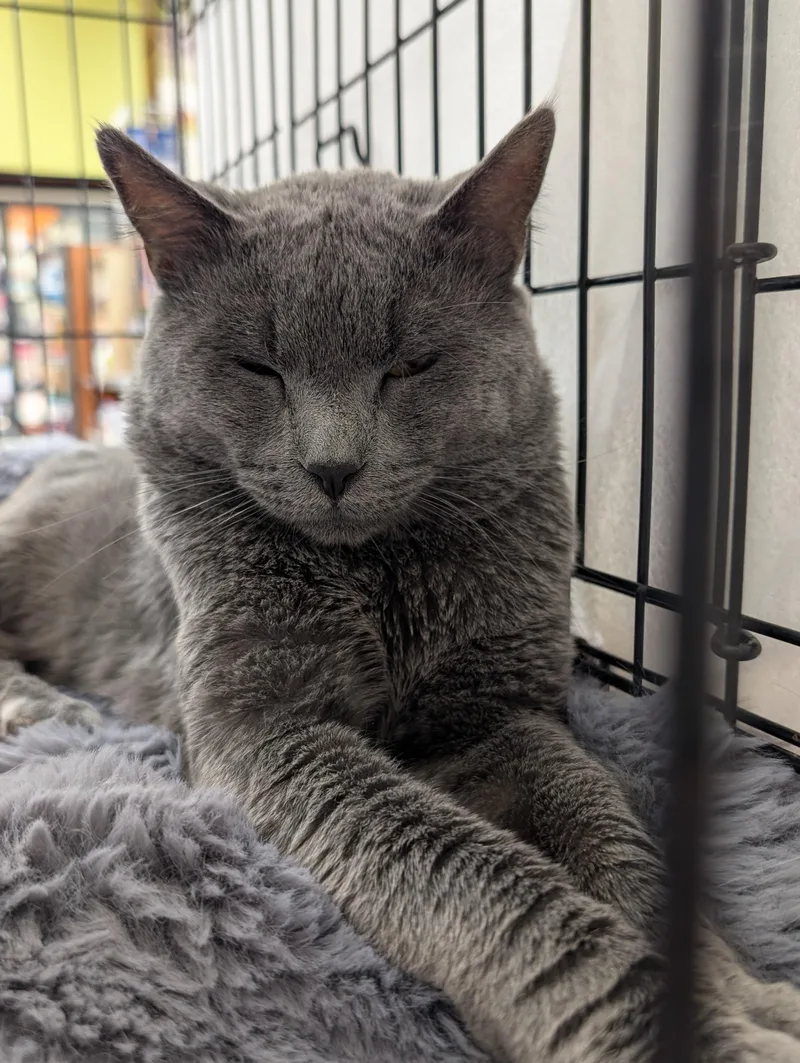
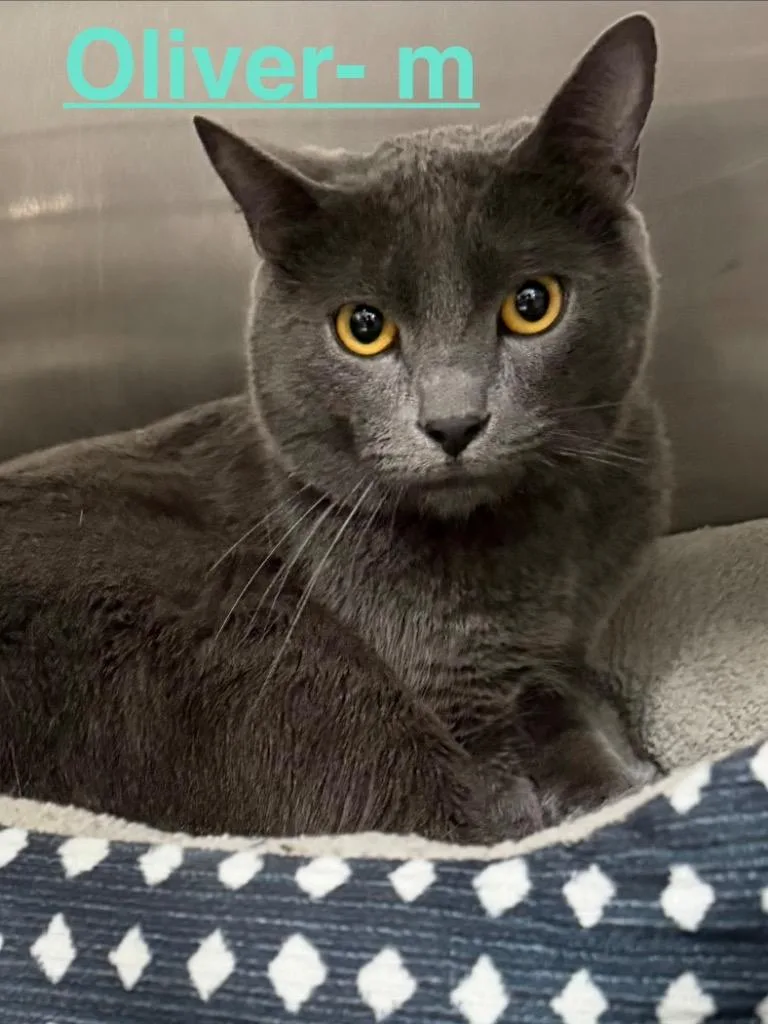
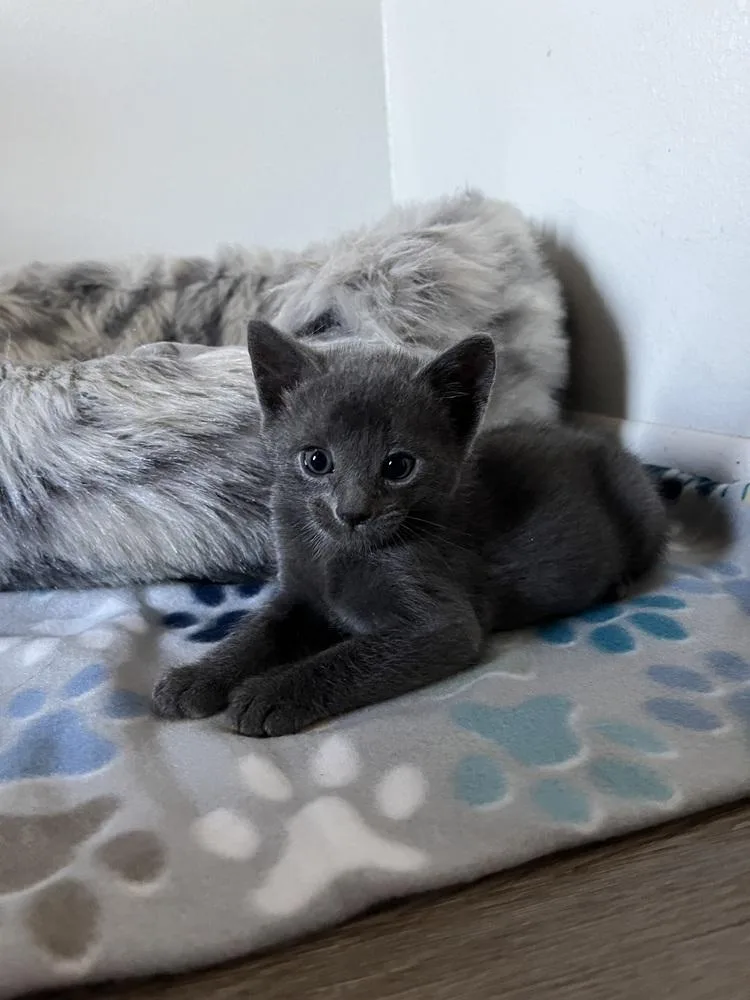
16 Chartreuxes available in Albuquerque and nationwide

Say hello to your Chartreux

While we don't have enough cats near Albuquerque, keep in mind that many rescues may offer transport.

Chartreuxes Available for Adoption Near Albuquerque

About the Chartreux breed

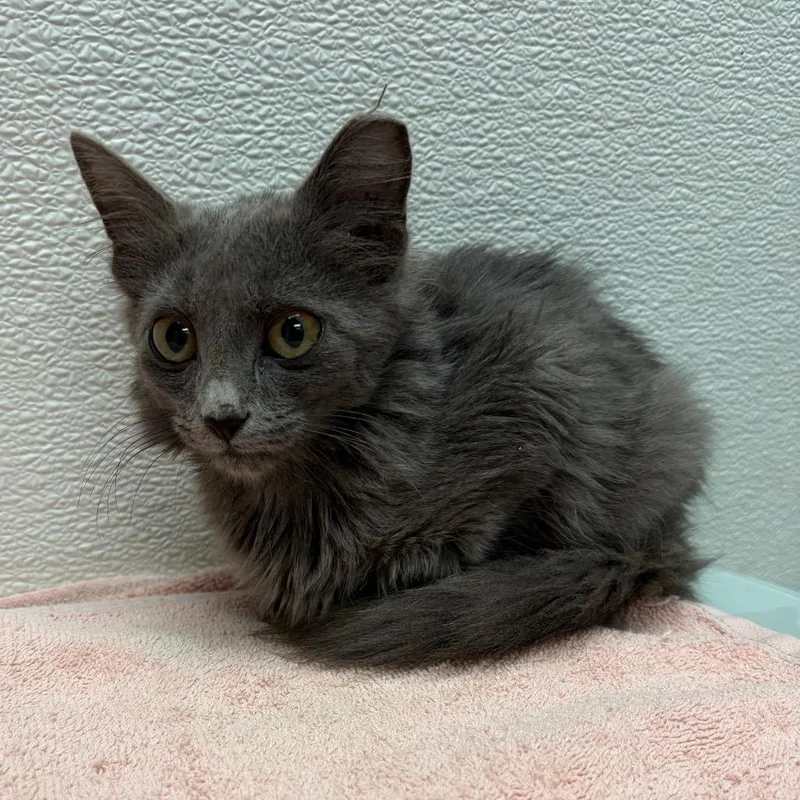
The Chartreux is a French breed whose blue-gray ancestors turn up in sixteenth-century writing. The breed nearly disappeared after World War I and was rebuilt in the 1920s from natural colonies of blue cats. It remains uncommon in the US. Every Chartreux is blue, with a dense, woolly, water-resistant coat, gold to copper eyes and a sturdy, muscular body on fairly short legs. The tapered muzzle gives the face a gentle smile.

In Albuquerque's dry air and big day-to-night swings, that thick coat sheds noticeably in spring and fall, so weekly brushing helps. Chartreux tend to chirp rather than meow, mature slowly, and gain weight easily without play and measured meals. Cats vary, and a rescued adult's own personality matters more than the breed description.

Weight
7–14 lbs
Height
9–11 in
Lifespan
12–15 yrs
Temperament
Quiet, Loyal, Calm, Gentle
Shedding
Moderate

Owning a Chartreux in Albuquerque

Having a Chartreux in Albuquerque

Chartreux are quiet, sturdy cats that suit calm homes in Albuquerque, from lofts to houses. Expect short bursts of play, a coat that needs regular brushing and a tendency toward extra pounds. Each cat's personality varies, so judge the cat in front of you.

Temperament

Many Chartreux are calm, gentle and loyal, often following one favorite person from room to room. They tend to watch newcomers before warming up, which suits a quiet Albuquerque apartment or a house with respectful older children. Soft chirps are more typical than loud meows. Introduce other pets gradually, and let each cat set its own pace.

Exercise Needs

Plan on a few short, energetic play sessions a day with wand toys, feathers and toy mice, plus food puzzles for mental work. A window perch overlooking the yard gives a Chartreux something to watch on sunny Albuquerque days. Outdoor time carries risks here, such as coyotes, so indoor play is the safer baseline.

Health Considerations

Chartreux are generally hardy, but patellar luxation, a kneecap that slips out of place, is documented in the breed, and dental disease and weight gain are common concerns. Measured meals and play keep the cat lean. A veterinarian can check the knees, teeth and weight at the first visit, along with the rabies vaccine and microchip Albuquerque requires.

Living Space

A Chartreux adapts well to a Downtown loft, a rented apartment or a Northeast Heights house, as long as there's a cat tree and a sunny window. Indoor living also keeps it away from coyotes, rattlesnakes and strong desert sun. Many tolerate workdays alone, but they still want company and steady routines.

What it costs to own a Chartreux in Albuquerque

ExpenseTypical costPer year
Food$25 to $50 per month$300 to $600
Pet insurance$25 to $50 per month$300 to $600
Routine vet care$150 to $350 per year$150 to $350
Other*$450 to $1,150 per year$450 to $1,150
Estimated yearly total (after year one)$1,200 to $2,700

Other costs are estimates and vary with size, age and health.

* Litter, flea and tick prevention, a dental cleaning allowance, toys and scratchers, and brushing supplies for seasonal shedding of the dense coat.

Adopt a Chartreux in Albuquerque.

Now that you know more, let’s find you a new best friend. These rescues and shelters below have cats available in and near Albuquerque.

Frequently Asked Questions

Yes, for people who like a calm, quiet cat. A Chartreux is happy in an Albuquerque loft or house, enjoys a sunny window and short play sessions, and usually bonds closely with one or two people. It does best when someone is home often and keeps a steady routine. Hot summer afternoons and spring wind are easy to manage indoors.

Yes. A Chartreux is quiet, moderately active and content with a cat tree and a window perch, so it suits Albuquerque apartments well. Because many local households rent, read the lease for pet deposits, pet rent and any size rules. Daily play and scratchers help keep a sturdy, weight-prone cat active indoors.

Mostly yes. Dry air, plenty of sun and cool nights suit an indoor Chartreux, and its dense coat copes with cold. Summer afternoons can reach the 90s, so provide shade, cool floors and fresh water. Brush more often during spring and fall sheds, and keep the cat inside, where coyotes and rattlesnakes can't reach it.

Not much. Brush a Chartreux about once a week, and several times a week during the spring and fall sheds, when the dense, woolly coat releases loose fur. Baths are rarely needed, and professional grooming is optional, so it adds little to the yearly Other costs, which mostly cover litter, dental care and parasite prevention.

No. ABQ RIDE buses, including ART, allow only service animals, not pets, and the Rail Runner commuter train doesn't allow pets either. Plan vet visits by car, and use a sturdy, secure carrier on every trip so a nervous Chartreux can't bolt when the door opens.

Yes. Albuquerque has no breed-specific rules, and its dangerous-dog laws apply to dogs. Cats need a rabies vaccine, a microchip and spay/neuter once over five months, unless the owner holds an intact permit, and a household can keep six pets. Cats adopted through the city's shelters include sterilization and a microchip.

Yes, Chartreux cats are rare, especially outside France. Relatively few are registered each year in the United States, and they seldom appear in shelters. Many blue-gray shelter cats are domestic shorthairs or mixes rather than Chartreux. Breed rescues and cat rescues occasionally have adult Chartreux available, so watching listings regularly helps.

Chartreux is pronounced shar-TROO in French, and many English speakers say shar-TREW. The name may come from the Carthusian monks of the Grande Chartreuse monastery, though some historians link it to a Spanish wool. Whichever origin is true, the breed's name is tied to its French homeland.

You can identify a Chartreux by its solid blue-gray woolly coat, gold to copper eyes, sturdy muscular body on fairly short legs and a rounded head with a tapered muzzle that looks like a smile. Look-alikes include Russian Blues, which have green eyes and a sleeker coat, and British Shorthairs, which are rounder. Pedigree papers confirm a purebred.

Expect roughly $1,200 to $2,700 a year for a Chartreux in Albuquerque, or about $100 to $225 a month. That covers food at $25 to $50 a month, insurance at $25 to $50 a month, routine vet care at $150 to $350 a year, and other costs at $450 to $1,150 a year.