Burmese Cats for Adoption in Albuquerque, NM

Your guide to finding and caring for a Burmese in Albuquerque

Burmese cats suit Albuquerque's loft and bungalow living, as long as someone is home to play. Picture a Downtown Casa District loft or a Huning Highlands Victorian: a compact 8-to-13-pound cat following you from room to room, with a window perch and a few wand toys for entertainment. Coyotes live around the city and see cats as prey at night, so a Burmese does best as an indoor cat. If your days are long, consider a second cat for company.

24 Burmese available in Albuquerque and nationwide

Find your Burmese

While we don't have enough cats near Albuquerque, keep in mind that many rescues may offer transport.

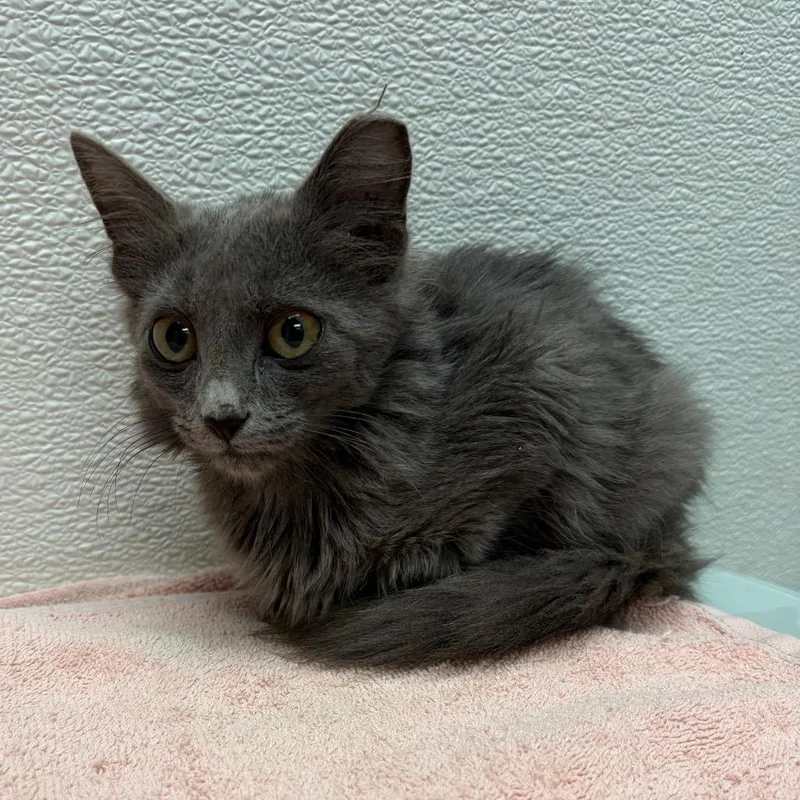
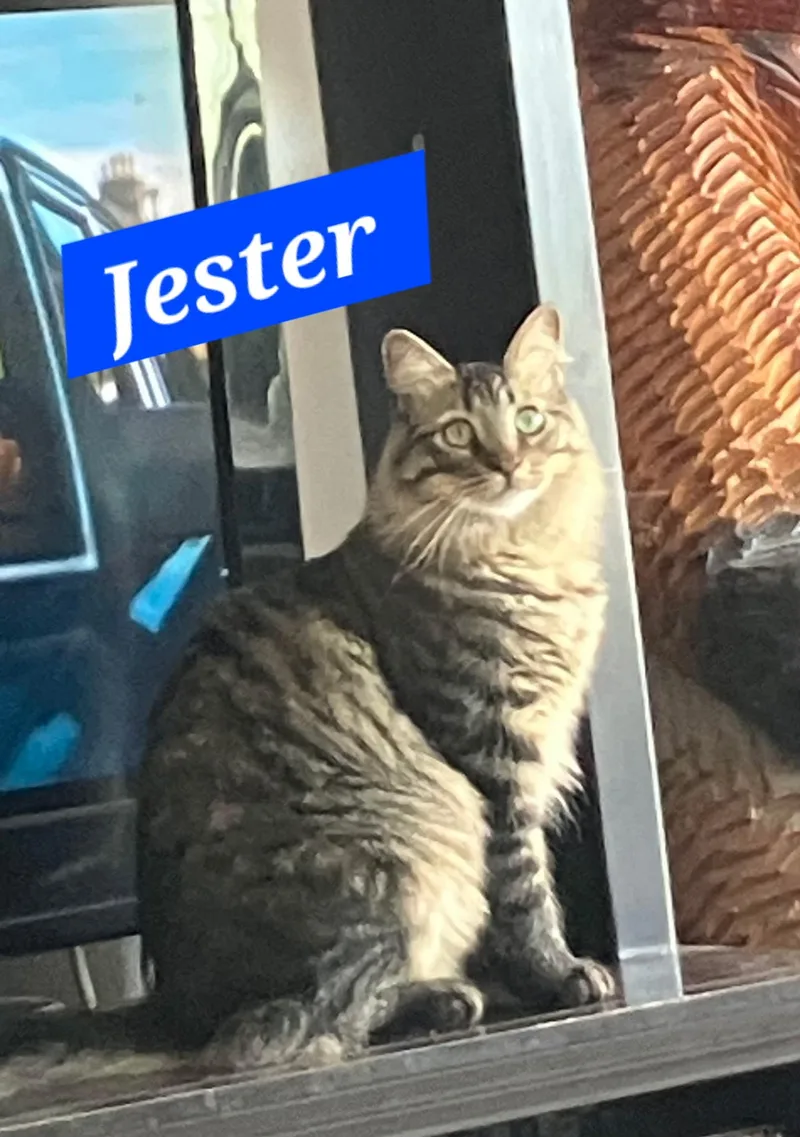
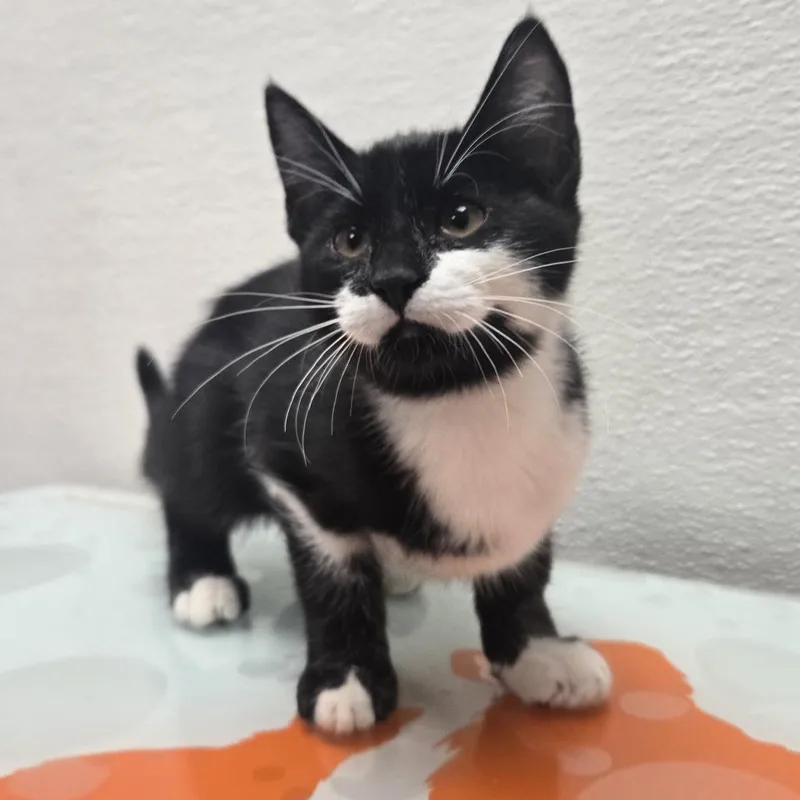
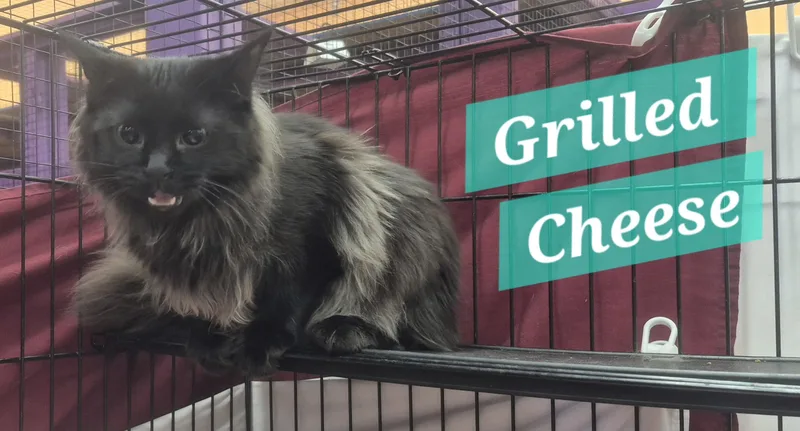
Burmese Available for Adoption Near Albuquerque

About the Burmese breed

Nearly every American Burmese traces back to Wong Mau, a walnut-brown cat brought to San Francisco in 1930 and paired with Siamese cats. The result is a compact, muscular cat that feels heavier than it looks, with a short satin coat and large gold eyes. Sable is the classic color, while champagne, blue and platinum also turn up.

Burmese are people cats, playful well into adulthood and happy to follow the family around. In Albuquerque's dry air, the short coat needs little more than a weekly brushing, and shedding is light. Adult cats in shelters vary in personality, so spend time with the cat before deciding, and plan on company or a second pet if you're away much of the day.

Weight
8–13 lbs
Height
9–11 in
Lifespan
12–17 yrs
Temperament
Affectionate, Social, Playful
Shedding
Low

Owning a Burmese in Albuquerque

Having a Burmese in Albuquerque

Burmese are social, playful cats that stay active for life. In Albuquerque, the main things to weigh are how much time someone is home, how you'll keep a smart cat busy indoors, and a few inherited health risks worth monitoring.

Temperament

Burmese are affectionate, curious and often described as dog-like, following people around and learning games. Many get along with respectful children and cat-friendly dogs. They're usually softer-voiced than Siamese but will ask for attention. In a city apartment that closeness is a plus if someone is home. Adult cats vary in personality.
Exercise Needs

Daily interactive play with wand toys and fetch keeps a Burmese fit and out of trouble, and puzzle feeders add mental work. In Albuquerque, coyotes, rattlesnakes in warm months and hot pavement make outdoor roaming risky, so a tall cat tree, window shelf or secure catio gives this athletic cat room to leap safely.

Health Considerations

Burmese can be prone to diabetes, low potassium, feline orofacial pain syndrome and, in some lines, a serious inherited head defect in kittens. Keeping a Burmese lean, watching for increased thirst or weakness, and scheduling regular checkups with blood work as the cat ages helps catch problems early. A veterinarian can check an adopted cat's health and advise on screening.

Living Space

Burmese adapt well to apartments and houses alike, as long as they have company, play and something tall to climb. Albuquerque's mix of lofts, bungalows and Westside single-family homes all work if windows and balconies are secured. Long days alone are hard on many Burmese, so a second compatible pet can help.

What it costs to own a Burmese in Albuquerque

ExpenseTypical costPer year
Food$25 to $50 per month$300 to $600
Pet insurance$30 to $60 per month$360 to $720
Routine vet care$150 to $350 per year$150 to $350
Other*$450 to $1,150 per year$450 to $1,150
Estimated yearly total (after year one)$1,260 to $2,820

Other costs are estimates and vary with size, age and health.

* Litter, flea prevention, dental cleanings, toys, scratchers and climbing furniture, and minimal grooming for the short coat.

Adopt a Burmese in Albuquerque.

Now that you know more, let’s find you a new best friend. These rescues and shelters below have cats available in and near Albuquerque.

Frequently Asked Questions

Yes, you can own a Burmese in Albuquerque, and the city has no breed-specific rules. Expect to have the cat microchipped and spayed or neutered unless you hold an intact permit, and to keep rabies vaccination current. Households can have six pets in total, no more than four of them dogs.

Yes, a Burmese can thrive in an Albuquerque apartment, provided it has company and things to climb. Burmese are medium-sized, light shedders and don't need a yard. Offer a tall cat tree, a window perch and daily play sessions, and make sure balcony doors and screens are secure. Review your lease for pet terms before adopting.

Yes, a Burmese is a good fit for Albuquerque if you want a social, playful cat and can keep it indoors. It will enjoy sunny window perches, which the city's clear days provide, and its low shedding helps with dust. The real question is time: this cat wants to be involved in your day.

Mostly yes, for an indoor Burmese. Summers are hot and dry but nights cool off, and winters bring freezing nights that a short-coated cat will feel, so provide warm beds. Dry air and spring dust are minor issues indoors. In warm months, never leave a cat in a parked car, since interiors heat quickly.

No, a pet Burmese can't ride ABQ RIDE buses, including ART, because only service animals are allowed. The Rail Runner doesn't allow pets either. Plan to drive to vet visits with the cat in a secure carrier, and never leave it in a parked car, which Albuquerque treats as a petty misdemeanor.

A Burmese needs very little grooming in Albuquerque. A weekly rubdown with a rubber brush keeps the short satin coat glossy, and shedding is light. After windy spring afternoons, a wipe with a damp cloth removes dust. Professional grooming is rarely needed, so grooming adds little to the yearly Other costs.

A Burmese is a medium-sized, muscular shorthaired cat known for a glossy, satin-like coat, gold eyes and a famously people-oriented personality. Most American Burmese trace back to a single brown cat, Wong Mau, brought to San Francisco in 1930. They are playful, social and affectionate, and they come in sable, champagne, blue, platinum and other colors.

The name Burmese simply means from Burma, the country now called Myanmar. It refers to where the breed's foundation cat, Wong Mau, was believed to come from, in the region near the border between Burma and Thailand. Brown cats resembling the Burmese are thought to appear in old Thai cat manuscripts, long before the modern breed was developed in America.

Burmese cats are moderately vocal. They usually speak up when they want attention, food or company, but they are generally quieter than their Siamese relatives, with softer, sweeter voices. Many hold chatty conversations with their people and greet them at the door. Individual cats vary, and some are quite talkative while others rarely meow.

Plan on roughly $105 to $235 a month for a Burmese, or about $1,260 to $2,820 a year. That covers food ($25–$50 a month), insurance ($30–$60 a month), routine vet care ($150–$350 a year) and other costs ($450–$1,150 a year). Emergencies and diabetes care would be extra.