Tabby Cats for Adoption in Hamilton Township, NJ

Your guide to finding and caring for a Tabby in Hamilton Township

Tabbies suit Hamilton Township's mix of detached houses and townhouses, from Hamilton Square to Yardville. Tabby is a coat pattern, not a breed, so these cats vary in size, energy and temperament. Because most of the township is single-family homes with yards, an indoor tabby usually gets a window with a view of the lawn, a bird feeder and the neighborhood squirrels. That's plenty of entertainment for a curious cat, especially with a wand toy at the end of the day.

7639 Tabbies available in Hamilton Township and nationwide

Find your Tabby

While we don't have enough cats near Hamilton Township, keep in mind that many rescues may offer transport.

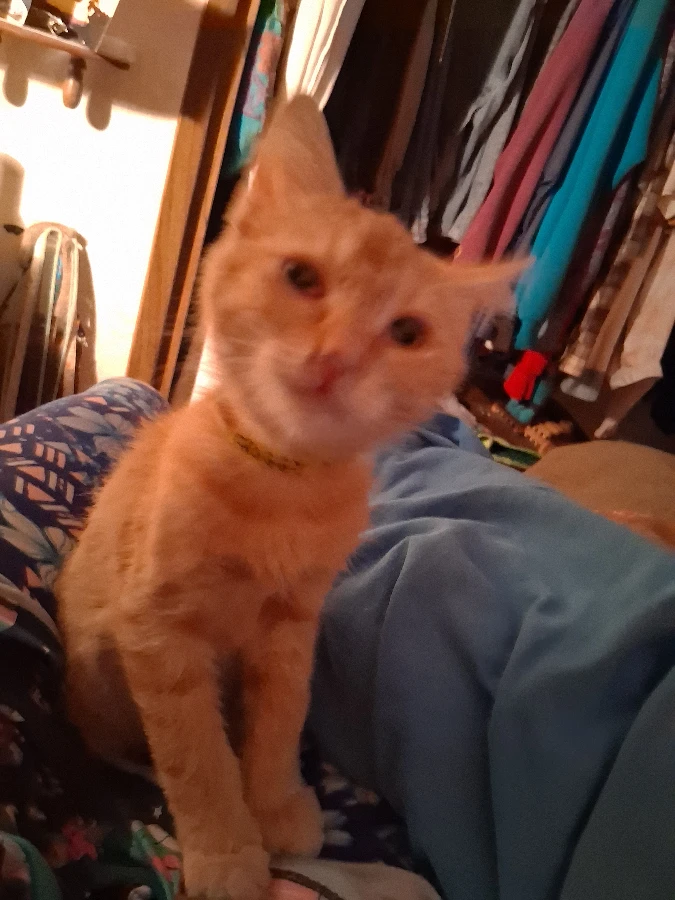
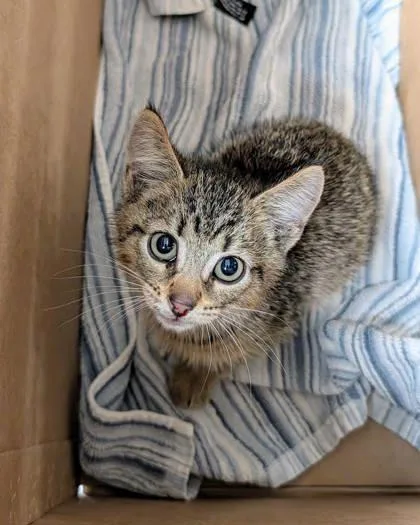
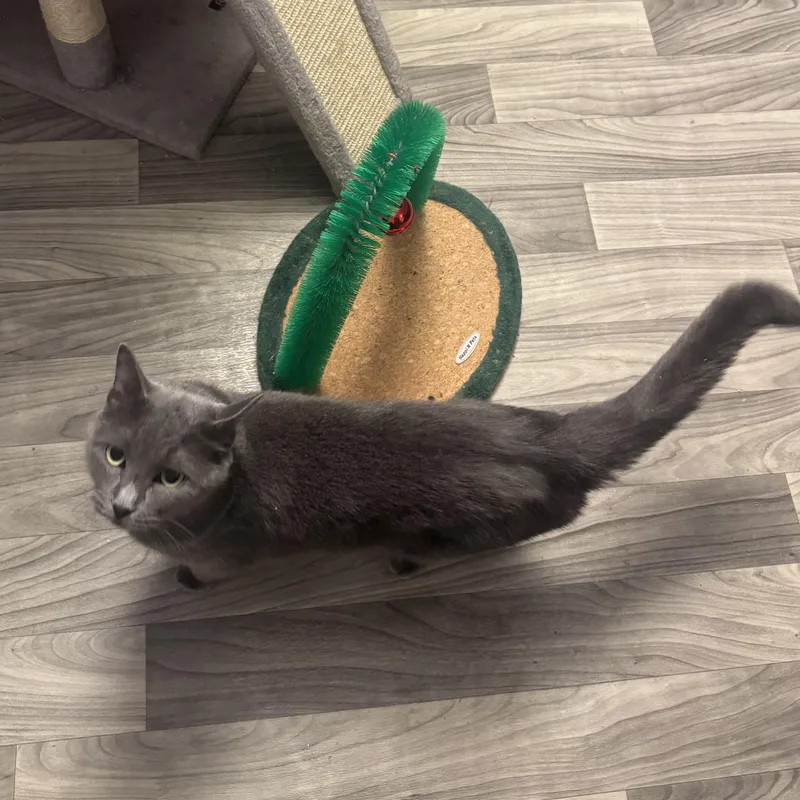
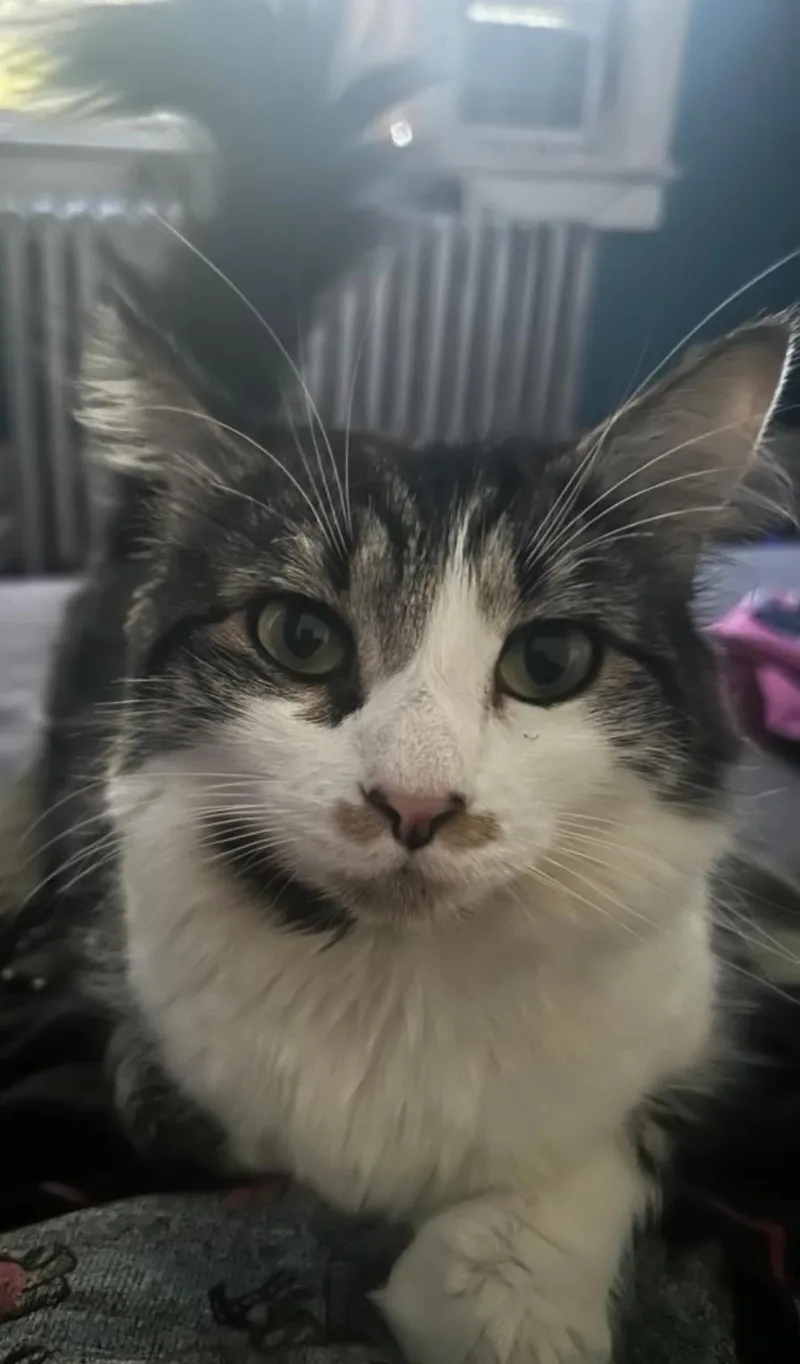
Tabbies Available for Adoption Near Hamilton Township

About the Tabby breed

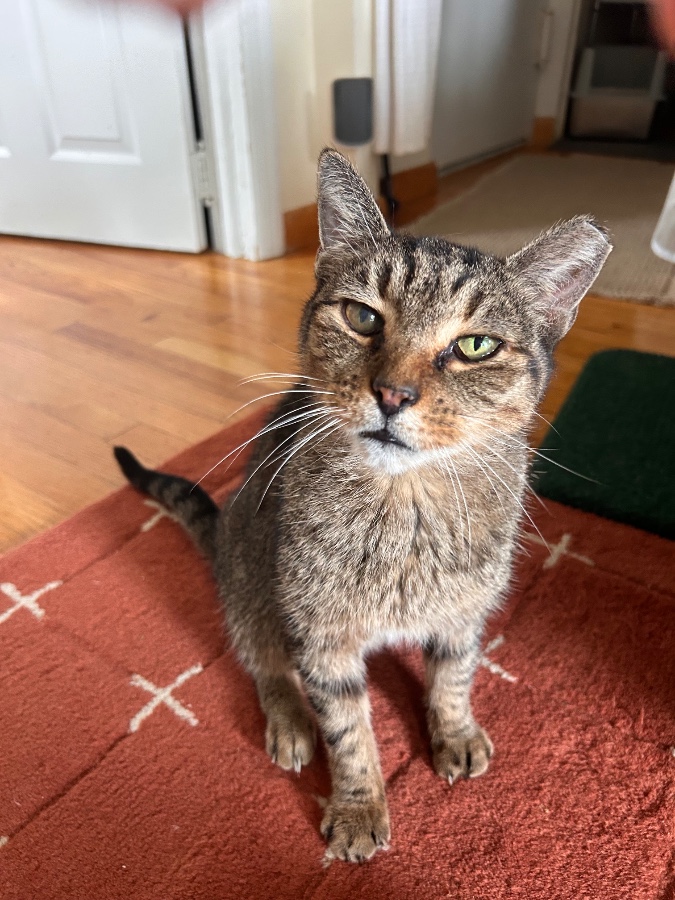
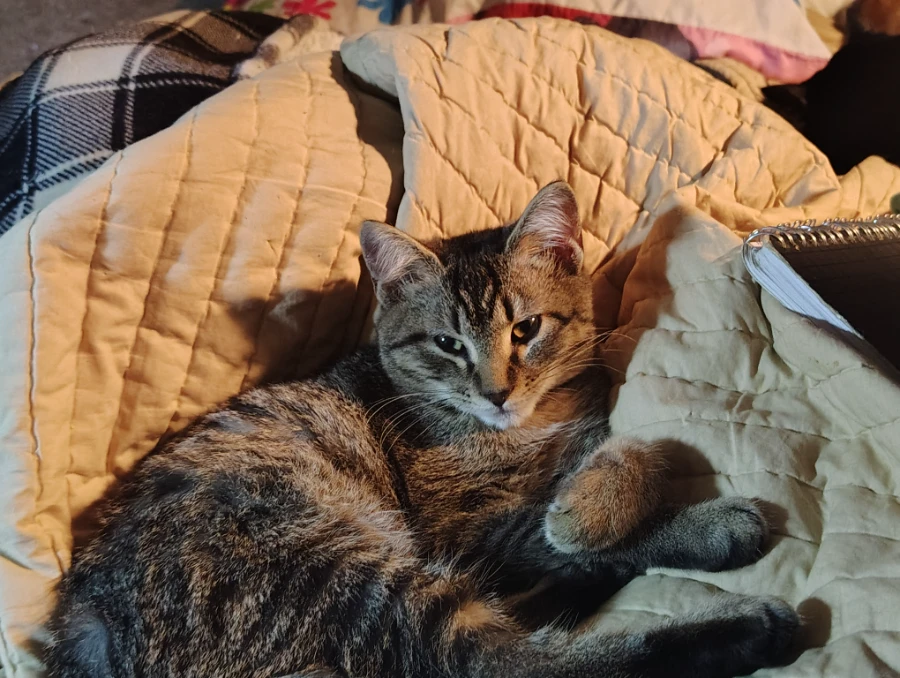
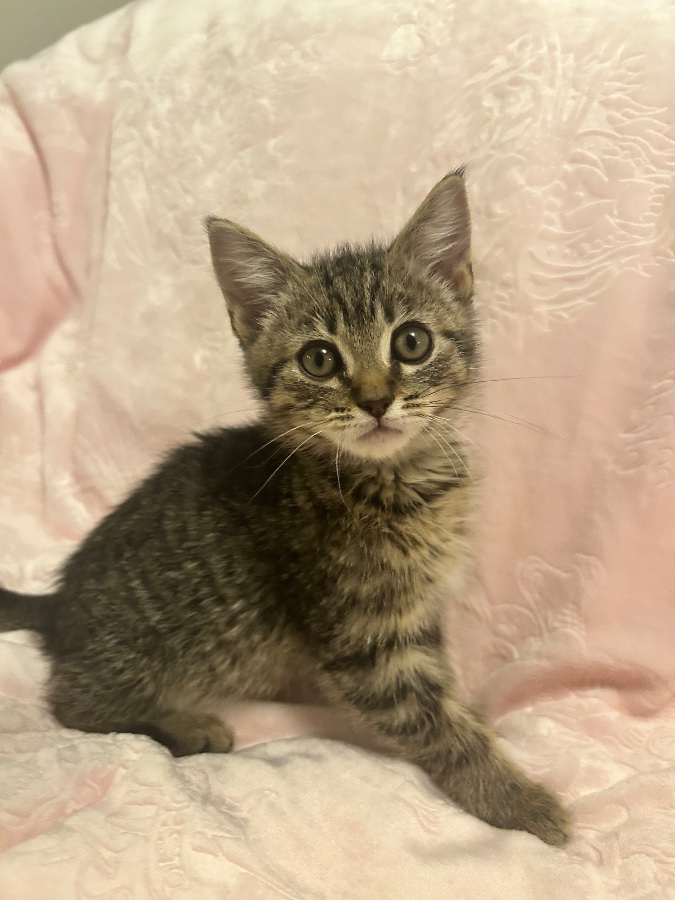
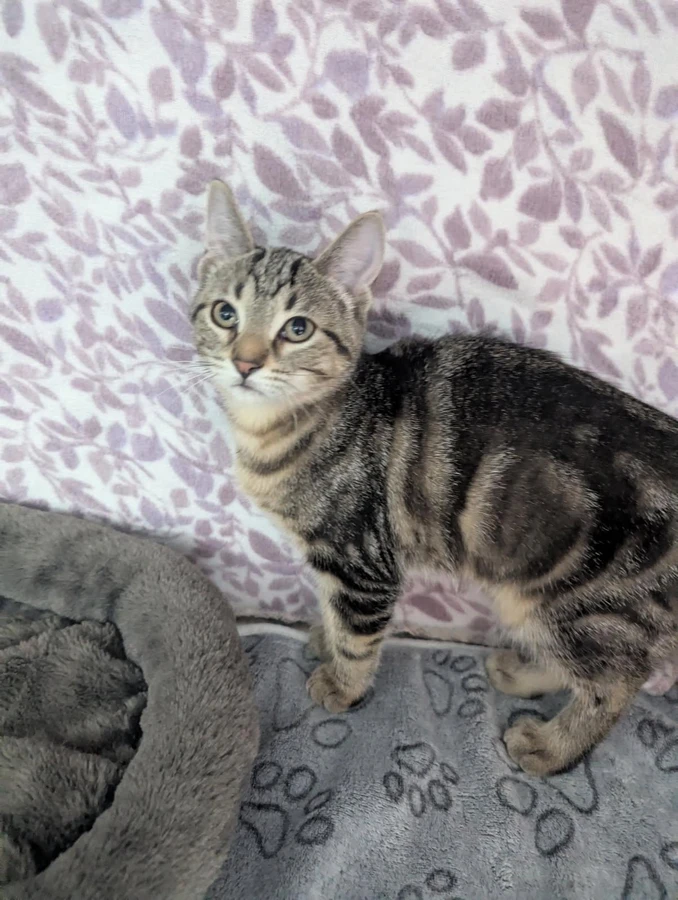
Tabby describes a coat pattern: the M-shaped mark on the forehead plus stripes, swirls, spots or ticked hairs. The four main patterns are mackerel, classic, spotted and ticked, and the colors run from brown and orange to gray, silver and cream. Most tabbies waiting for homes are domestic shorthairs, typically 6 to 14 pounds, though the pattern also appears in longhaired cats and purebreds.

Because the pattern says nothing about personality, a tabby can be a lap cat, a shy observer or a busy climber. In Hamilton Township, where a cat will likely live indoors in a house or townhouse, what matters most is how a particular cat handles routine, other pets and visitors. Spend time with the cat, watch its body language, and expect a lifespan of 12 to 18 years.

Weight
6–14 lbs
Height
8–10 in
Lifespan
12–18 yrs
Temperament
Curious, Adaptable, Affectionate
Shedding
Moderate

Owning a Tabby in Hamilton Township

Having a Tabby in Hamilton Township

Stripes don't predict behavior, so a tabby's traits depend on its age, background and any breed mix. In Hamilton Township, energy level, coat length and comfort with indoor life will tell you more about fit than the coat pattern does.

Temperament

Tabbies run the full range, from outgoing lap cats to shy or independent ones. Many are curious and adaptable, which helps in a busy household with children, visitors or other pets. Spend time with a cat before adopting, and judge by how it reacts to handling, noise and new people rather than by its color.

Exercise Needs

Plan on daily play that mimics hunting: wand toys, chasing and pouncing, ideally in a few short sessions. In Hamilton Township's houses, a window perch overlooking the yard, a tall cat tree and sturdy scratching posts add exercise for an indoor cat. Kittens need more play, while seniors prefer gentler games.

Health Considerations

Coat pattern has no known effect on health; risks follow a cat's age, mix and lifestyle. Obesity, dental disease and urinary problems are common, with kidney disease and hyperthyroidism more likely in seniors. Annual wellness exams, dental care and a healthy weight help, and a veterinarian can check a newly adopted tabby for hidden problems.

Living Space

Tabbies adapt to apartments, townhouses and detached homes when they have places to climb, scratch, hide and look outside. In a township of mostly single-family houses, keeping the cat indoors protects it from traffic and wildlife such as coyotes. Offer one litter box per cat plus one extra, and a quiet retreat.

What it costs to own a Tabby in Hamilton Township

ExpenseTypical costPer year
Food$25 to $50 per month$300 to $600
Pet insurance$20 to $45 per month$240 to $540
Routine vet care$150 to $350 per year$150 to $350
Other*$450 to $1,150 per year$450 to $1,150
Estimated yearly total (after year one)$1,140 to $2,640

Other costs are estimates and vary with size, age and health.

* Litter, flea and tick prevention, a dental cleaning allowance, toys, scratchers and bedding, and occasional grooming.

Adopt a Tabby in Hamilton Township.

Now that you know more, let’s find you a new best friend. These rescues and shelters below currently have Tabbies available.

Rescues in Hamilton Township with Tabbies Available

Hamilton Township's shelter and area rescues care for cats of every age, and tabbies are a common coat pattern. Here are the rescues & shelters in the Hamilton Township area where you can find Tabbies and other cats available for adoption.

Frequently Asked Questions

Yes, you can. Tabby is a coat pattern rather than a breed, so no breed restrictions come into play. Hamilton Township's household pet cap depends on your home type and zone, with four dogs and cats combined typical for single-family homes. Renters should also read their lease for pet limits, deposits and monthly pet rent before bringing a cat home.

Yes, most tabbies do well in an apartment in Hamilton Township if they have vertical space, scratchers and daily play. Cats need less room than dogs, and a window perch gives them something to watch. Check your lease for pet limits and fees, and plan one litter box per cat plus one extra, placed away from noisy appliances.

A tabby is a good fit if you want a low-key indoor companion in a car-oriented township of houses and townhouses. Cats don't need walks or trips to parks, though they do need daily play and attention. Since a tabby's personality varies, judge fit by the cat's age, energy and comfort with your household, not by its stripes.

Yes, but only in a carry-on carrier. NJ Transit trains and buses, including service from Hamilton station, allow small pets in carry-on travel cages, along with service animals. There is no subway in the township. Choose a sturdy, well-ventilated carrier and get your cat comfortable inside it before the trip, since noise and crowds can be stressful.

Yes, indoor tabbies handle Hamilton Township winters well. Nights drop below freezing about 97 times a year, so a tabby should stay inside. All it needs is a cozy bed, a sunny window spot and steady play to burn off winter energy. Dry heated air can make skin flaky, so regular brushing and fresh water help.

Most tabbies need little grooming. A short-coated tabby does well with a weekly brush, more often in spring and fall when shedding picks up, while a longhaired tabby needs brushing several times a week to prevent mats. Nail trims and dental care matter too. Occasional grooming falls within the $450 to $1,150 yearly Other costs.

A tabby cat is any cat with a tabby coat pattern, meaning stripes, swirls, spots or ticked hairs plus a distinctive M-shaped marking on the forehead. Tabby is not a breed. The pattern appears in domestic shorthairs and longhairs as well as many pedigreed breeds, such as the American Shorthair, Maine Coon and Abyssinian, and it is one of the most common cat patterns.

A tabby cat isn't any one breed, because tabby is a coat pattern. Cats with the pattern include shelter domestic shorthairs and longhairs as well as breeds such as the American Shorthair, Maine Coon, Bengal and Abyssinian. Most tabbies available for adoption are mixed-breed domestic cats, so browse the cats listed here and look at each one's age and personality.

We have 1 rescue with Tabbies available: Pet Rescue of Mercer. You can see every rescue with Tabbies available in the list above these questions, or scroll to the top to see the Tabbies near Hamilton Township.

A tabby typically costs about $1,140 to $2,640 a year in Hamilton Township. That adds up food at $25 to $50 a month, insurance at $20 to $45 a month, routine vet care at $150 to $350 a year, and other costs such as litter, flea prevention and dental care at $450 to $1,150 a year. Emergencies and illness are extra.

Explore Other Breeds in Hamilton Township

Looking for a different breed? Browse other cats available for adoption in Hamilton Township.