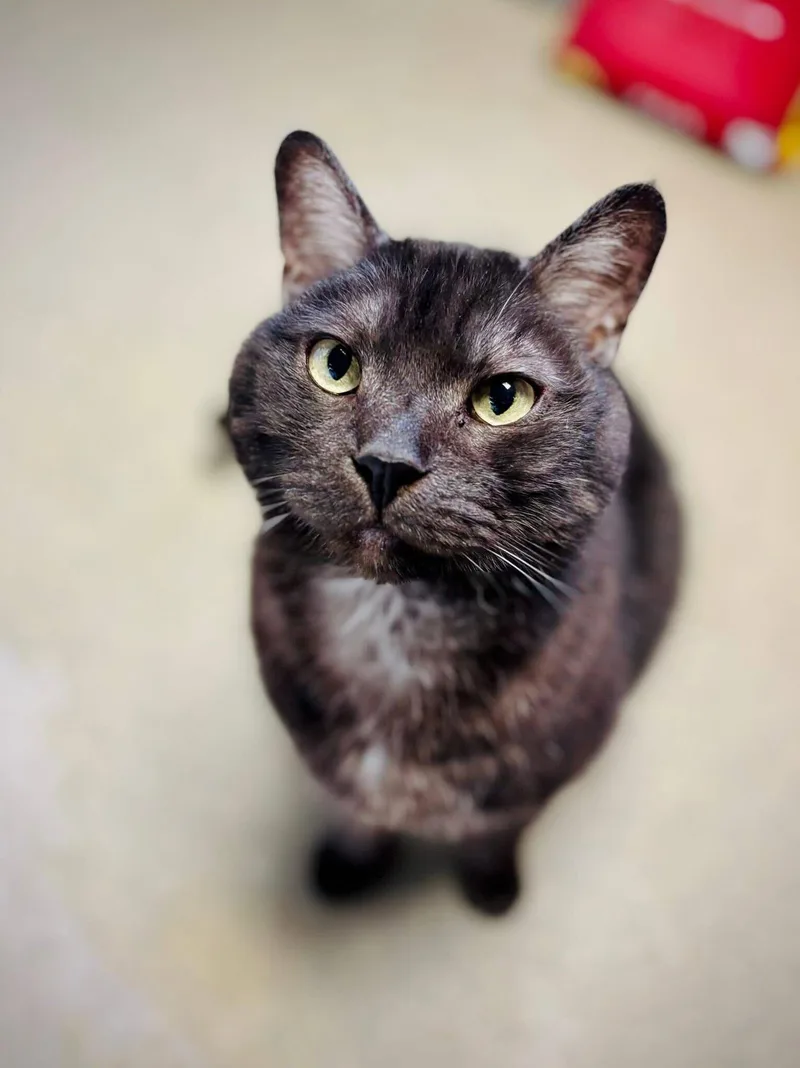
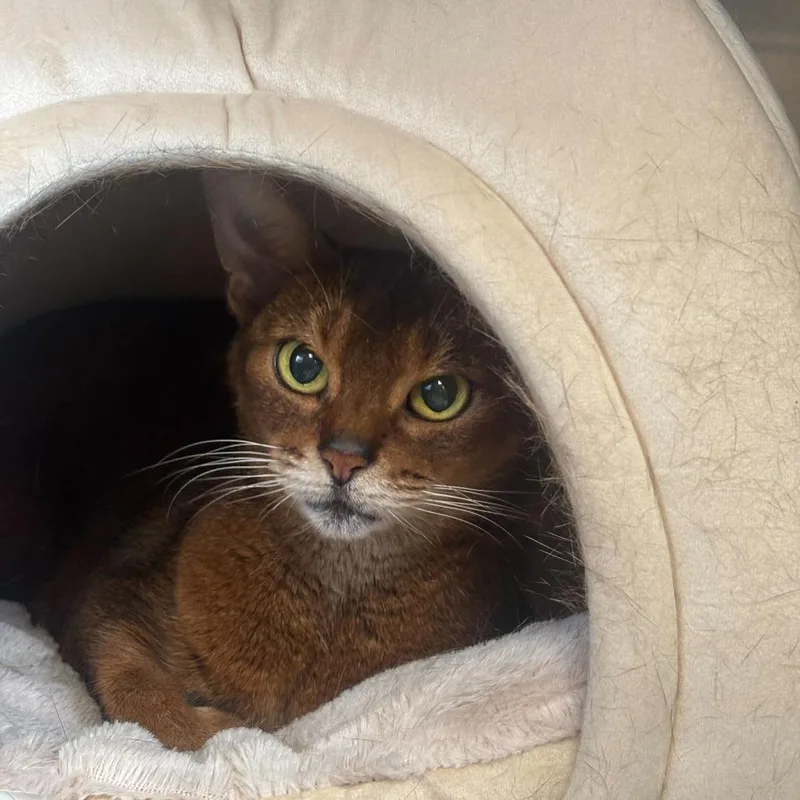
Domestic Short Hair Cats for Adoption in Manchester, NH

Your guide to finding and caring for a Domestic Short Hair in Manchester

A Domestic Short Hair is a natural fit for Manchester's apartments and upstairs flats. Whether it's a second-floor place in Rimmon Heights or a converted mill condo downtown, these cats are happy with a window perch, a scratching post and a daily play session. They come in every color and temperament, so a quiet street-watcher and a sofa-hogging lap cat are equally possible. Long winters mean plenty of cozy indoor time, which most DSH cats don't mind at all.

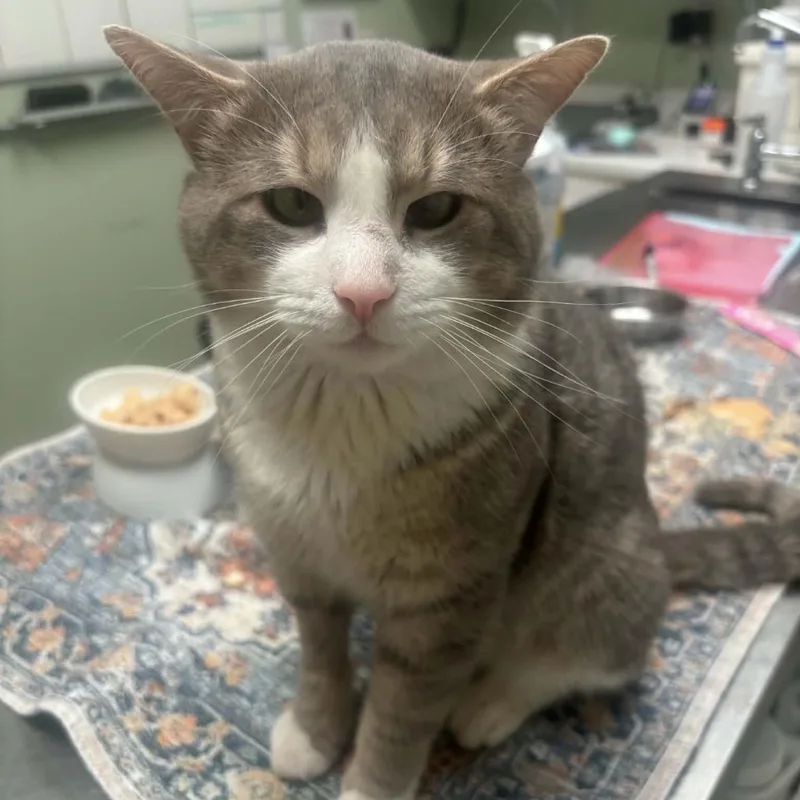
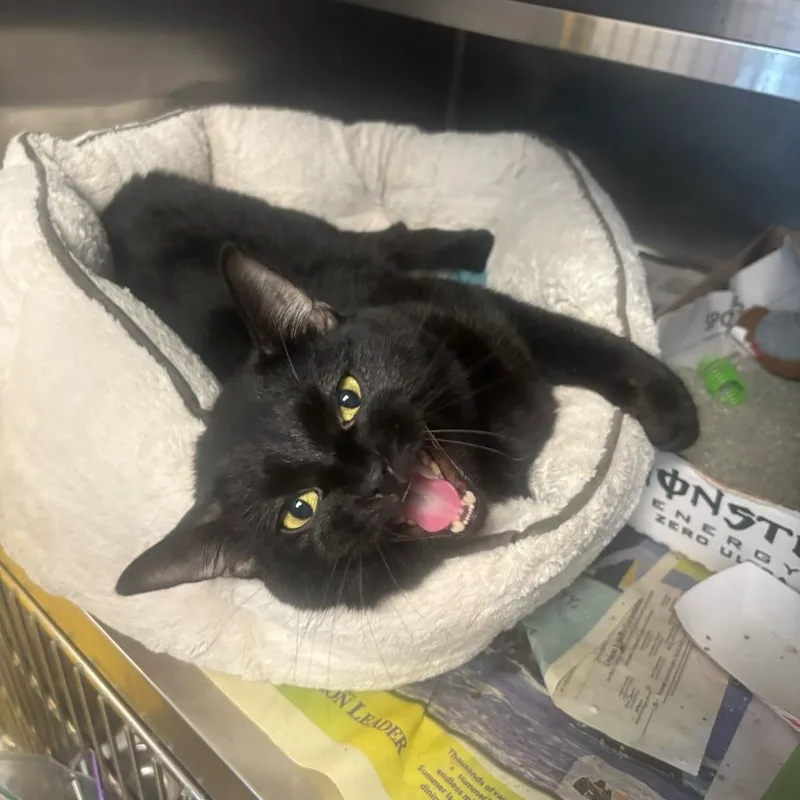
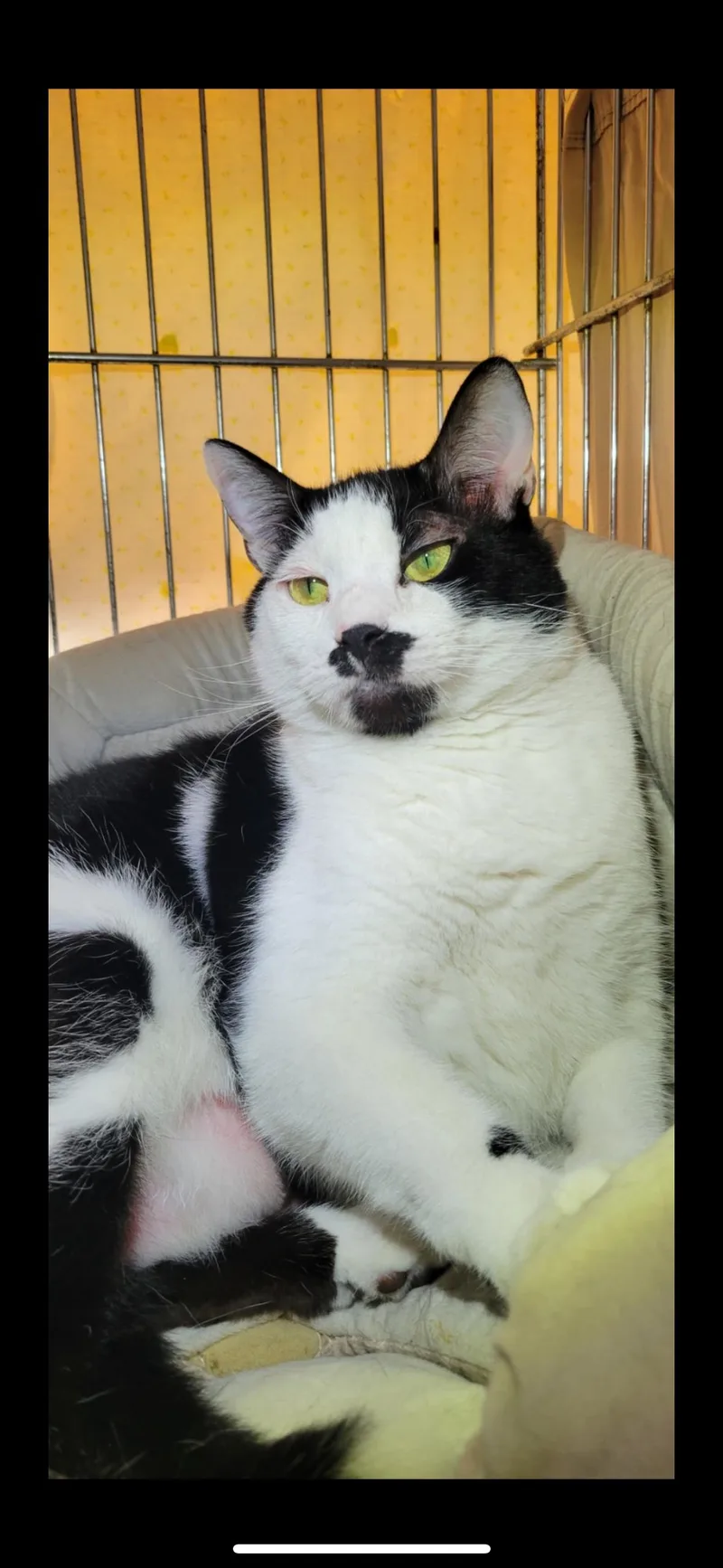
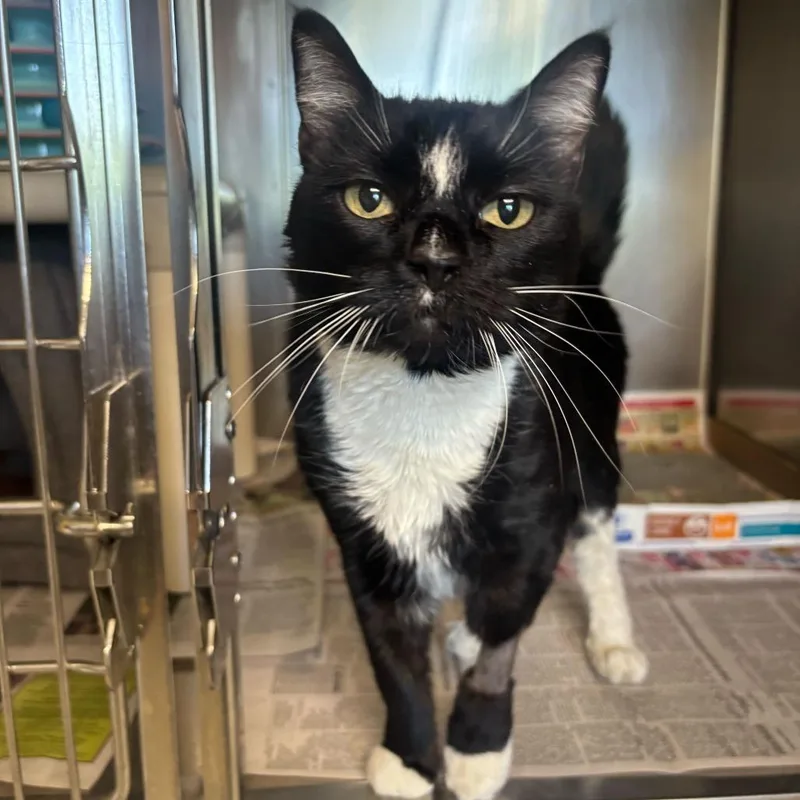
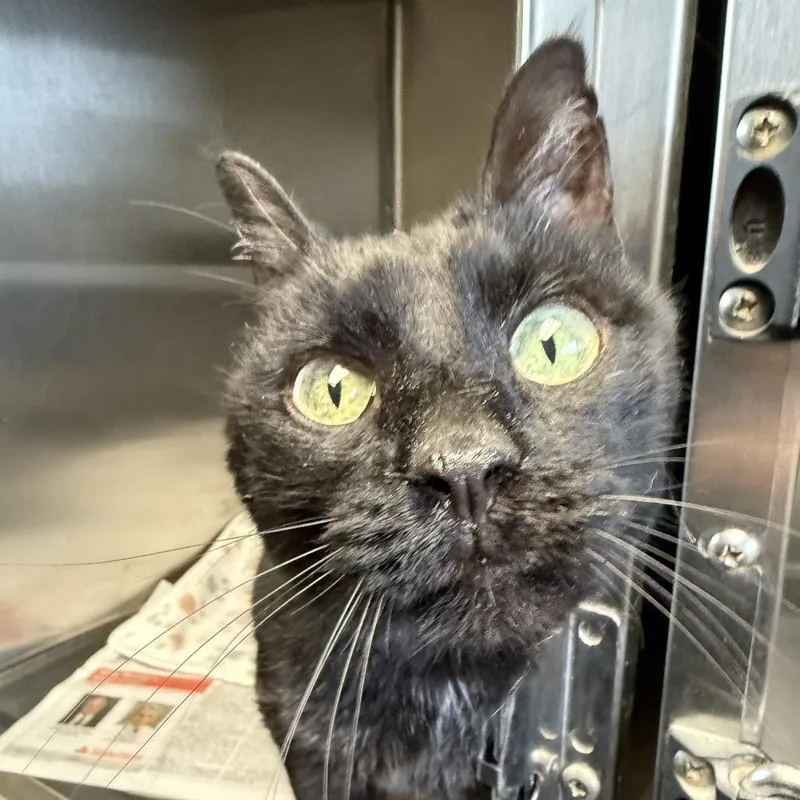
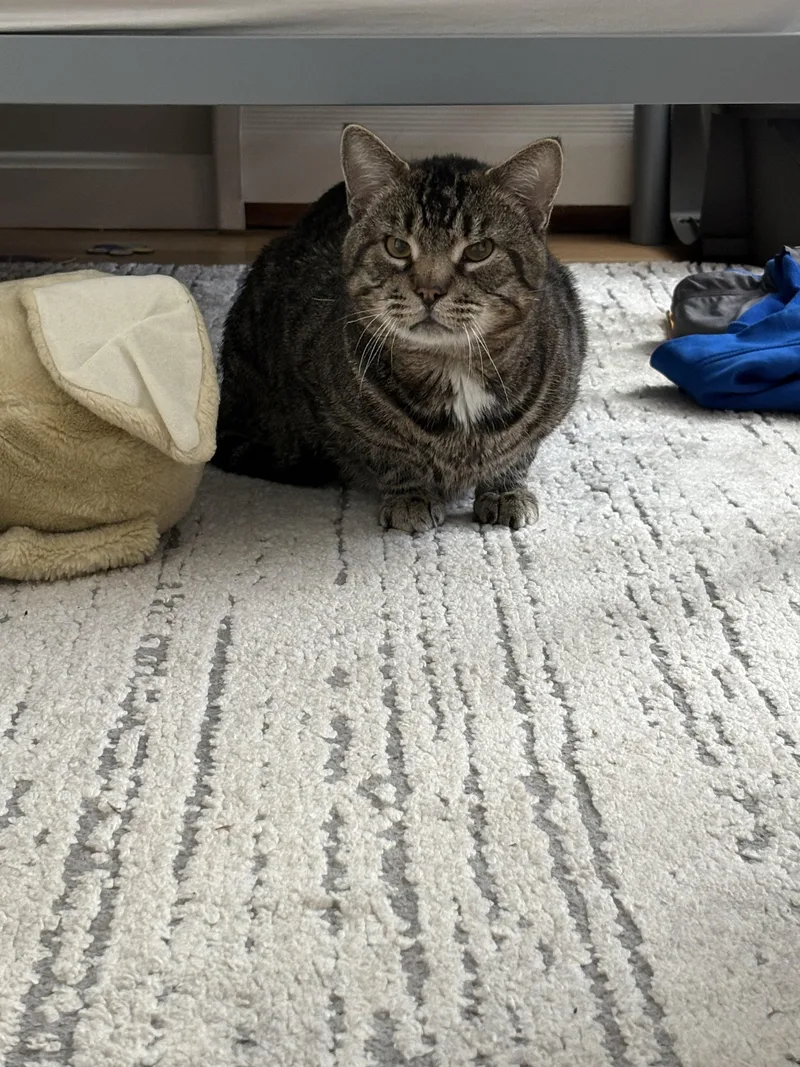
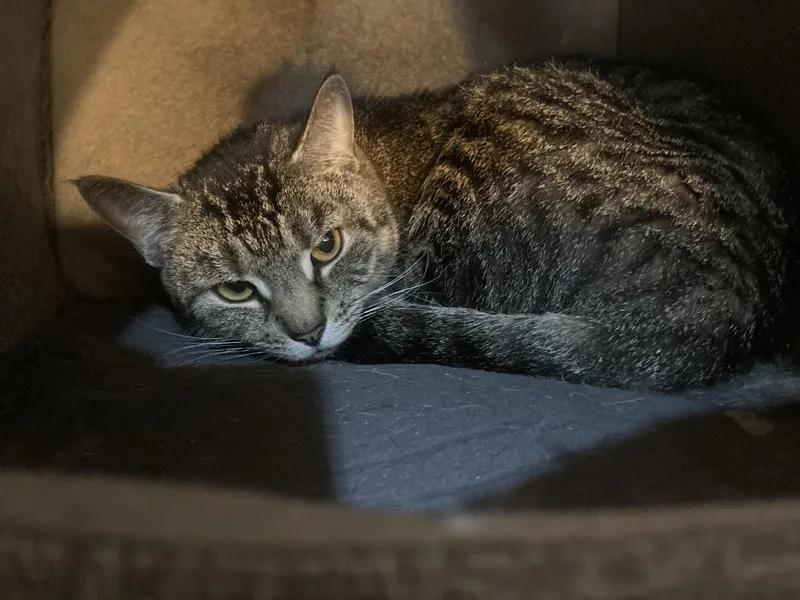
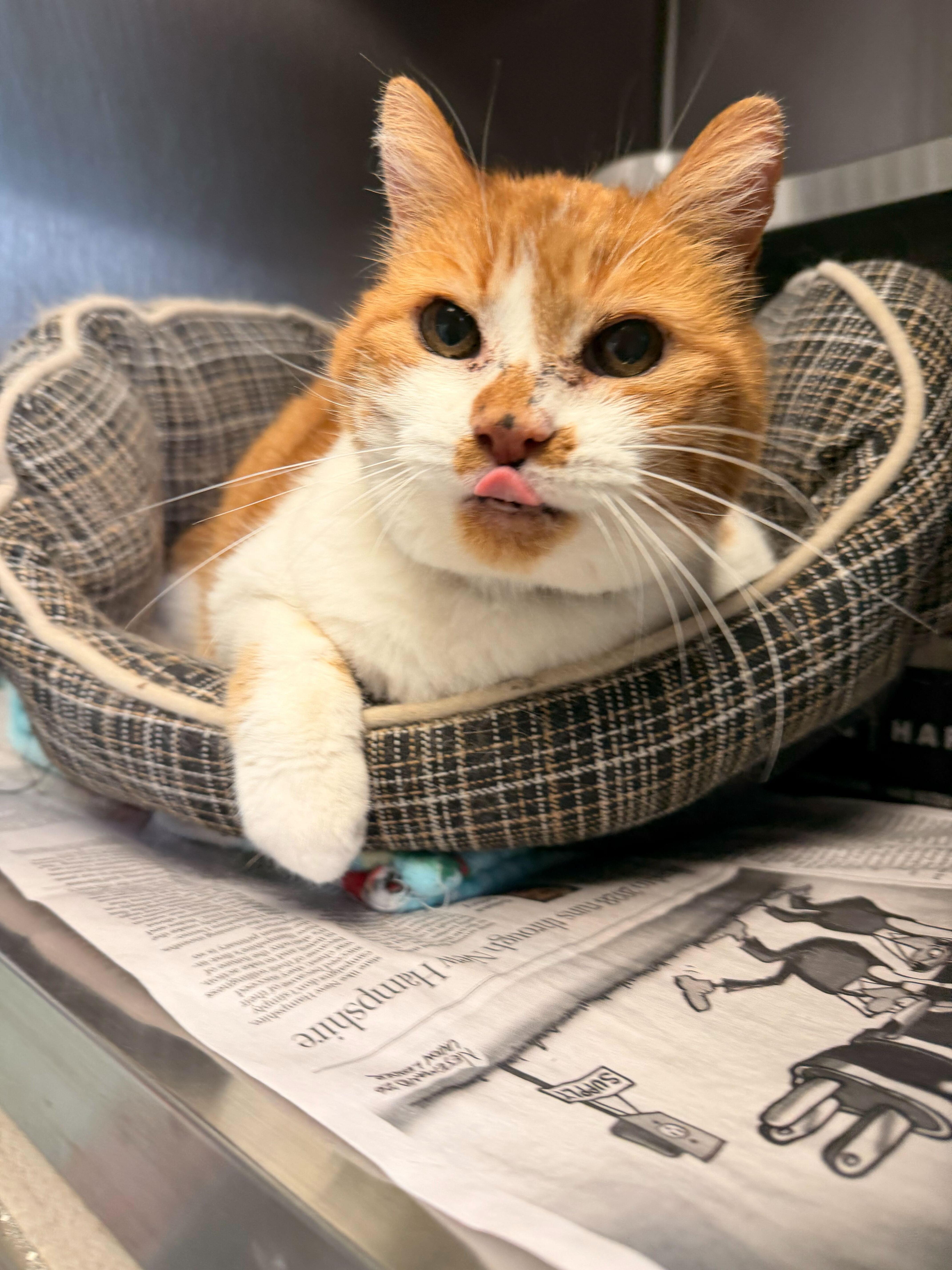
11 Domestic Short Hairs available for adoption in Manchester

Find your Domestic Short Hair

Domestic Short Hairs Available for Adoption in Manchester

About the Domestic Short Hair breed

Domestic Short Hair is a label for a short-coated cat of mixed or unknown ancestry, not a pedigreed breed, and it's the most common kind of cat in American homes. You'll see it abbreviated DSH on adoption records. These cats come in every color and pattern, from tabby and tuxedo to calico and solid black, and most are medium-sized, sturdy and easy to keep tidy.

Because the gene pool is so wide, personality is hard to predict. Some DSH cats are chatty lap-sitters, others are reserved window-watchers. In Manchester, where winters keep most cats indoors for months, a cat's age, energy and comfort with city noise are better guides than coat. Plan on moderate shedding, daily play and regular vet visits, and expect many to stay healthy well into their teens.

Weight
6–14 lbs
Height
8–10 in
Lifespan
12–18 yrs
Temperament
Adaptable, Curious, Affectionate
Shedding
Moderate

Owning a Domestic Short Hair in Manchester

Having a Domestic Short Hair in Manchester

Domestic Short Hair is a type of cat, not a breed, so size, energy and personality vary from cat to cat. In Manchester, the practical questions are indoor enrichment, winter-ready routines and finding a cat whose age and pace match your home.

Temperament

Domestic Short Hairs range from outgoing lap cats to shy window-watchers, and coat type doesn't predict which. In a Manchester apartment, a social cat may enjoy company through the day, while a more reserved one may prefer a quiet room. Notice how a cat reacts to new sounds, since neighbors and street noise are part of city life.

Exercise Needs

Plan on daily interactive play: wand toys, chase games and food puzzles. Manchester's long cold season keeps most cats inside anyway, so a cat tree, window perches and two or three short play sessions a day help burn energy. Kittens want more bursts of activity, while seniors do well with gentler sessions.

Health Considerations

Common concerns include obesity, dental disease and urinary problems, with kidney disease, hyperthyroidism and diabetes more likely in older cats. Indoor winters can mean less activity, so keep an eye on weight. Regular vet exams catch problems early, and a veterinarian can check a new cat's teeth, weight and overall condition soon after adoption.

Living Space

These cats usually do well in apartments and houses alike when they have vertical space, hiding spots and a clean litter box. That suits Manchester's mix of flats and single-family homes. Secure window screens matter in upper-floor units, and keeping a cat indoors protects it from traffic, wildlife and winter cold.

What it costs to own a Domestic Short Hair in Manchester

ExpenseTypical costPer year
Adoption fee$250, one time$250 in year one
Food$25 to $50 per month$300 to $600
Pet insurance$20 to $45 per month$240 to $540
Routine vet care$150 to $350 per year$150 to $350
Other*$450 to $1,150 per year$450 to $1,150
Estimated yearly total (after year one)$1,140 to $2,640
First-year total (with adoption fee)$1,390 to $2,890

Adoption fee is the fee on Domestic Short Hair listings in Manchester on GetBuddy today. Other costs are estimates and vary with size, age and health.

* Litter, flea and tick prevention, a dental cleaning allowance, toys, scratchers and other supplies, and minimal home grooming.

Adopt a Domestic Short Hair in Manchester.

Now that you know more, let’s find you a new best friend. These rescues and shelters below currently have Domestic Short Hairs available.

Rescues in Manchester with Domestic Short Hairs Available

Manchester's rescue community includes a city-contracted shelter and nearby groups that care for cats of every age and coat. Here are the rescues & shelters in the Manchester area where you can find Domestic Short Hairs and other cats available for adoption.

Frequently Asked Questions

Yes, they usually do well in apartments. Manchester has plenty of flats, from converted mill buildings downtown to two- to four-unit buildings on the West Side. A cat tree, window perch, scratching post and daily play matter more than square footage. Secure window screens, and confirm your landlord's pet policy before you commit.

Yes, and the paperwork is light. Manchester has no breed-specific rules and doesn't license cats, though New Hampshire requires rabies vaccination from 3 months of age, so keep the certificate handy. There's no known limit on household cat numbers, but a lease may set its own, so read it before adopting.

Often, yes, if you can offer indoor enrichment. Domestic Short Hairs adapt to flats and houses, and Manchester's long cold season suits cats who like cozy indoor time. They need daily play, a safe window perch and routine vet care. Personalities vary widely, so judge each cat's age and energy rather than assuming coat type decides.

Yes, as indoor cats. Their short coats offer little insulation, but a cat living in a heated home handles Manchester's long, snowy winters comfortably. Add warm perches away from drafts, and keep blankets, water and food ready for power outages. Never leave a cat in a cold car, since state law treats that as cruelty.

Very little. A short coat usually needs a quick brush once or twice a week, a bit more in spring when shedding increases. Nail trims and occasional ear checks cover the rest. Grooming costs are minimal and already sit within the yearly Other line. A senior or overweight cat that can't self-groom may need help from a vet or groomer.

Yes, but only in a carrier. Manchester Transit Authority buses require pets to be fully contained in a pet carrier and under control at all times, so a Domestic Short Hair travels easily in a sturdy, ventilated one. Manchester has no subway or rail system, so buses are the option. Check current fares with MTA.

Domestic shorthair cats typically live about 12 to 18 years, and many indoor cats reach their late teens or early twenties. Large UK veterinary studies have found mixed-breed cats tend to live slightly longer than pedigreed cats on average. Spaying or neutering, indoor living, a healthy weight, dental care and regular checkups all help a cat enjoy a longer life.

No, domestic shorthair cats are not hypoallergenic. The main cat allergen, a protein called Fel d 1, comes from saliva and skin glands, so short fur does not prevent reactions. Allergen levels vary between individual cats, and some people react less to certain cats. Spending time with a specific cat before adopting is the best way to test your response.

We have 2 rescues with Domestic Short Hairs available: Friends of the Manchester Animal Shelter and Animal Welfare Alliance Resource & Education of NH. You can see every rescue with Domestic Short Hairs available in the list above these questions, or scroll to the top to see the Domestic Short Hairs in Manchester.

Expect roughly $1,140 to $2,640 a year for a Domestic Short Hair in Manchester. That covers food at $25 to $50 a month, insurance at $20 to $45 a month, routine vet care at $150 to $350 a year, and other costs such as litter, flea prevention and dental care at $450 to $1,150 a year.

Explore Other Breeds in Manchester

Looking for a different breed? Browse other cats available for adoption in Manchester.