Ocicat Cats for Adoption in Fargo, ND

Your guide to finding and caring for an Ocicat in Fargo

Ocicats suit Fargo's apartments and townhomes well, as long as someone's around to play with them. They're social, athletic cats, so a duplex in Roosevelt or a townhome in Urban Plains works with a tall cat tree by a window and a wand-toy session every day. Fargo's long winters keep cats indoors anyway, which is where this breed is safest. If you adopt one, expect a cat that meets guests at the door and wants to join whatever you're doing.

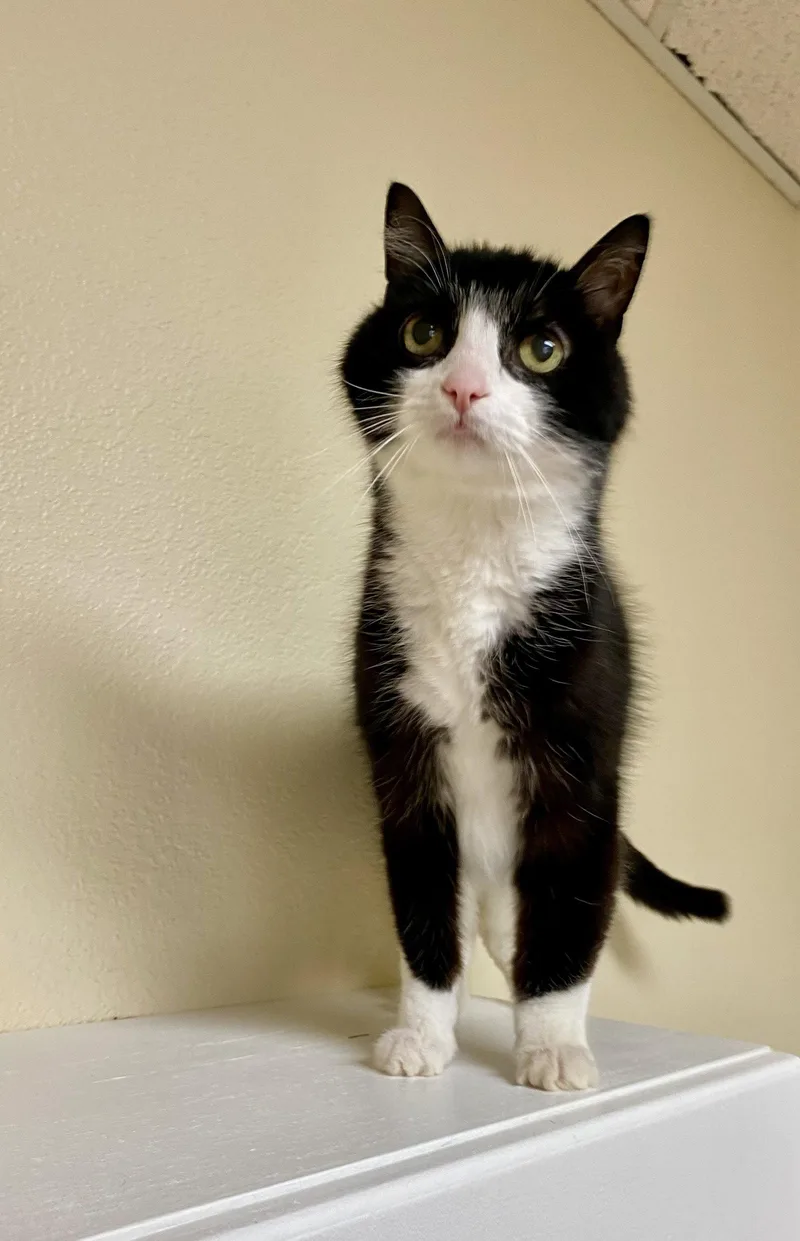
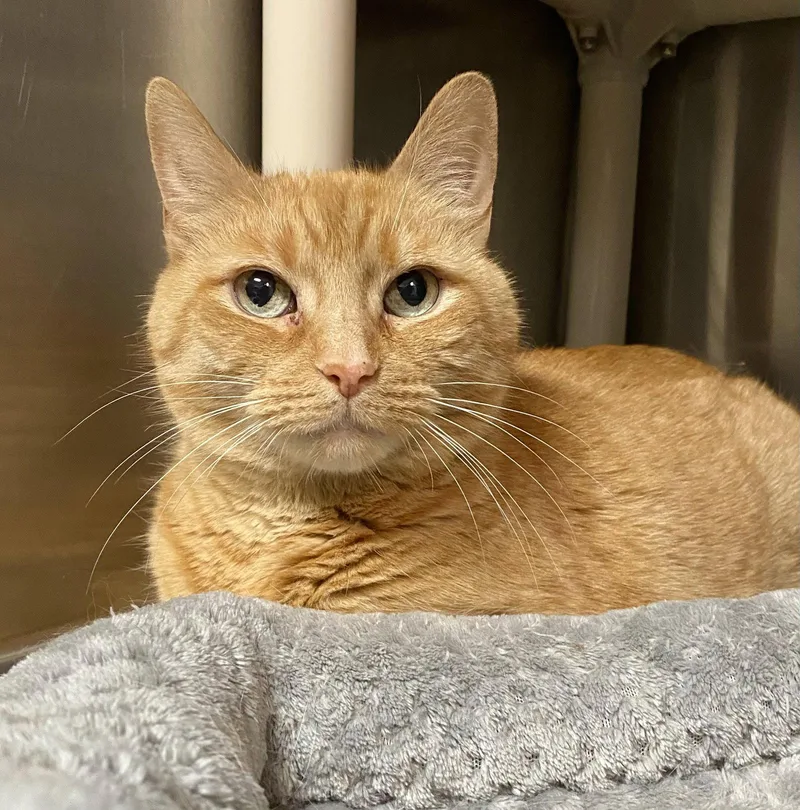
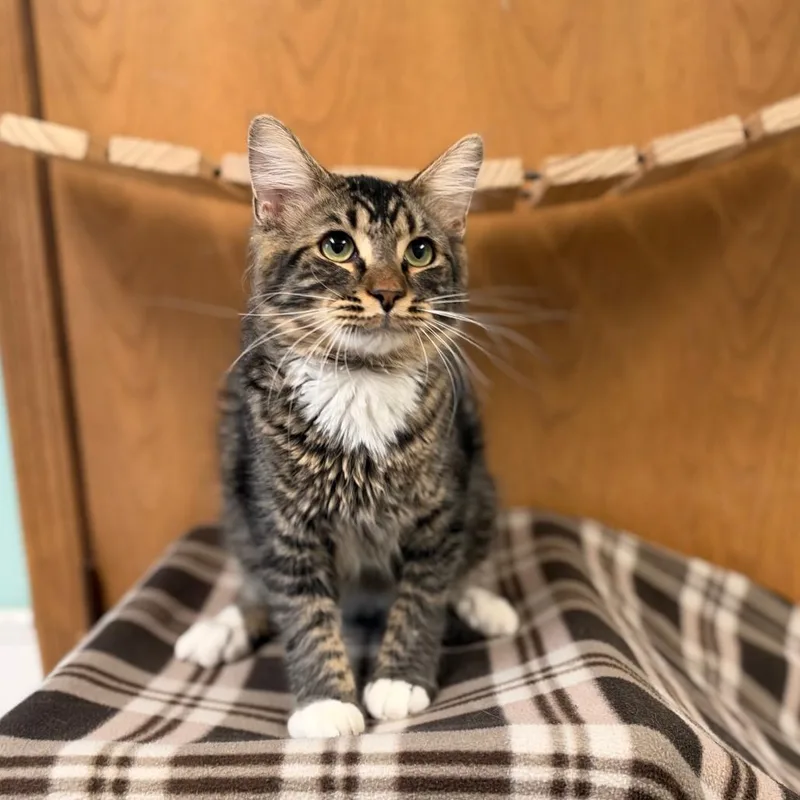
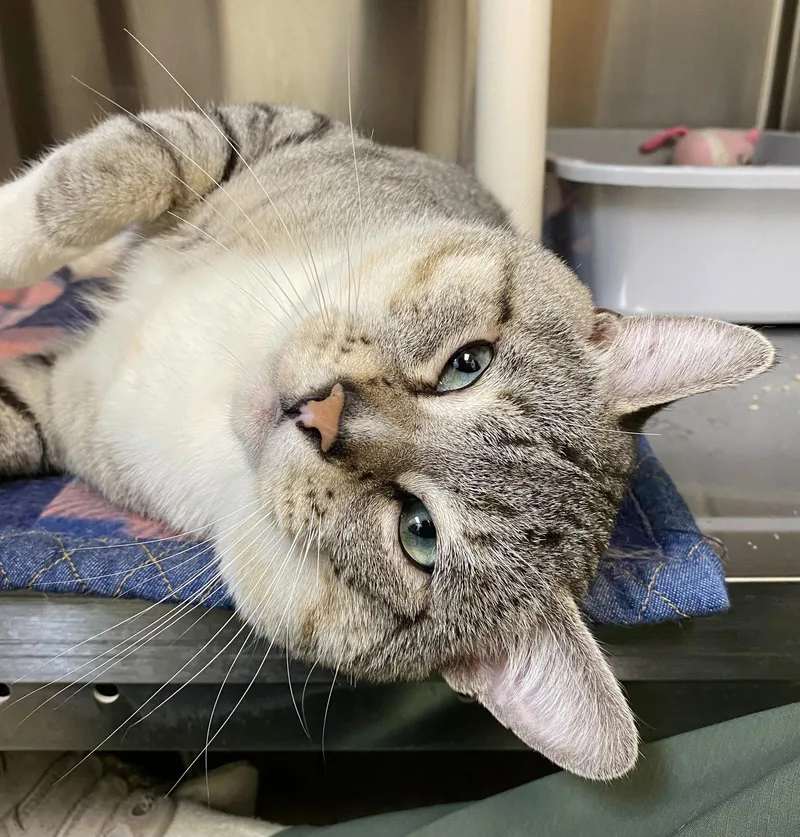
18 Ocicats available in Fargo and nationwide

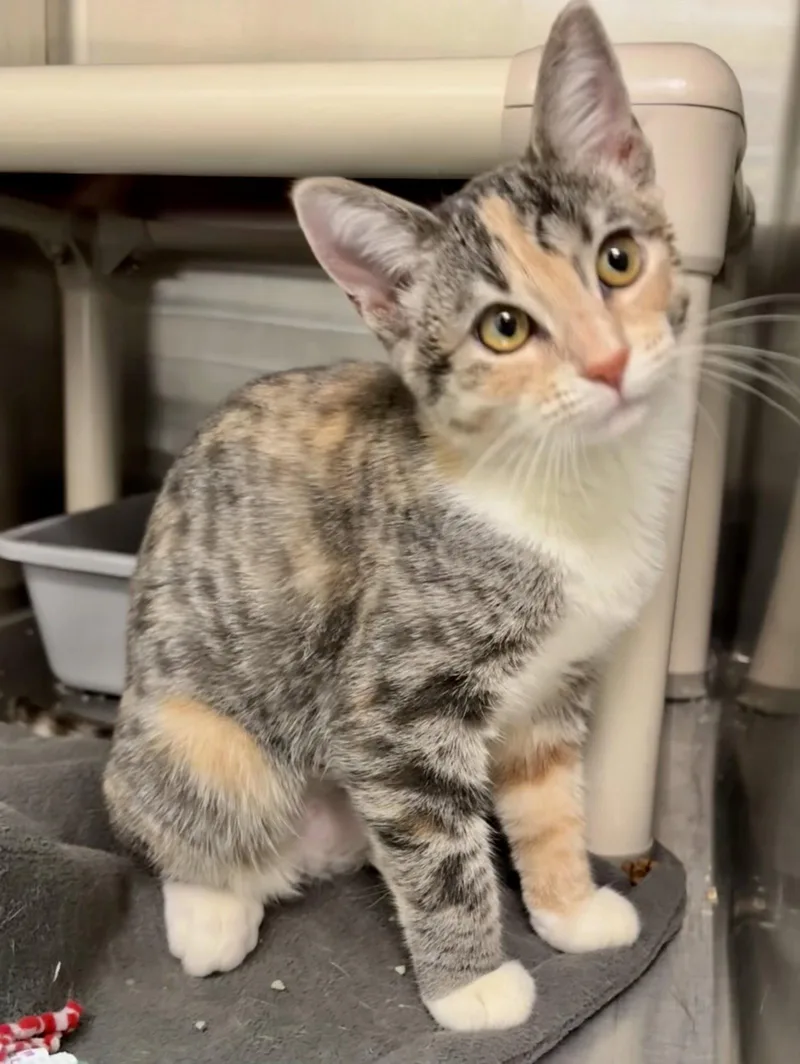
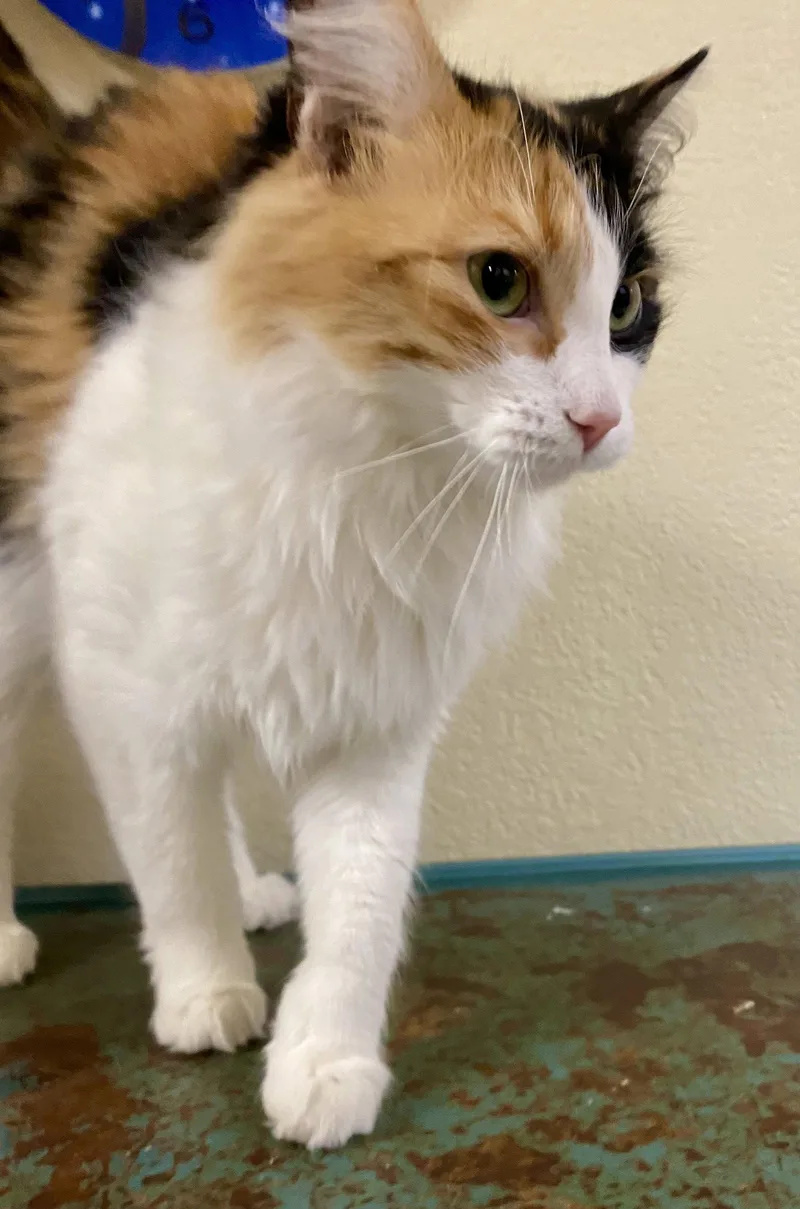
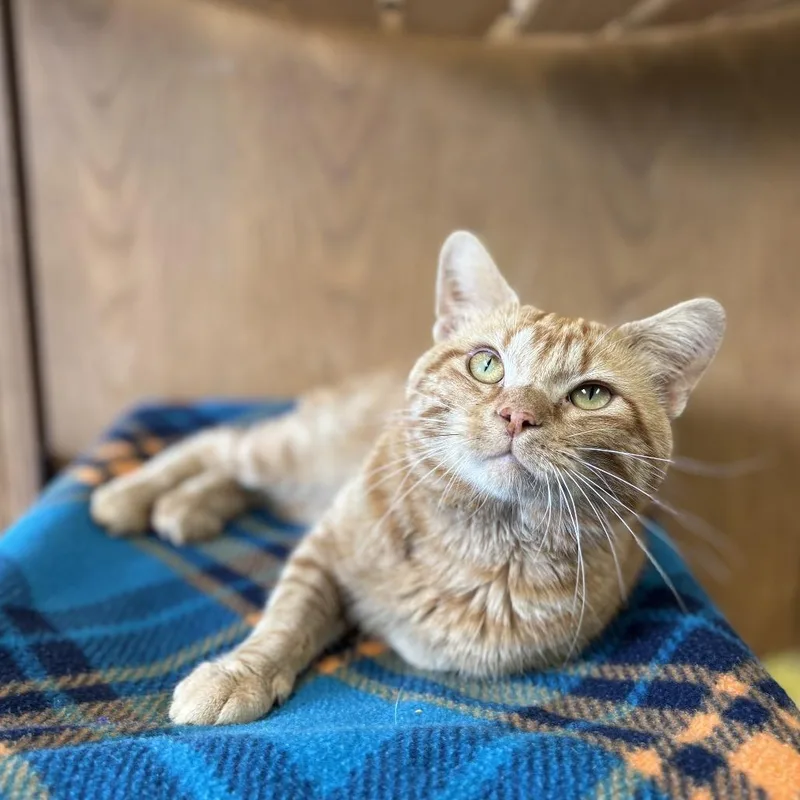
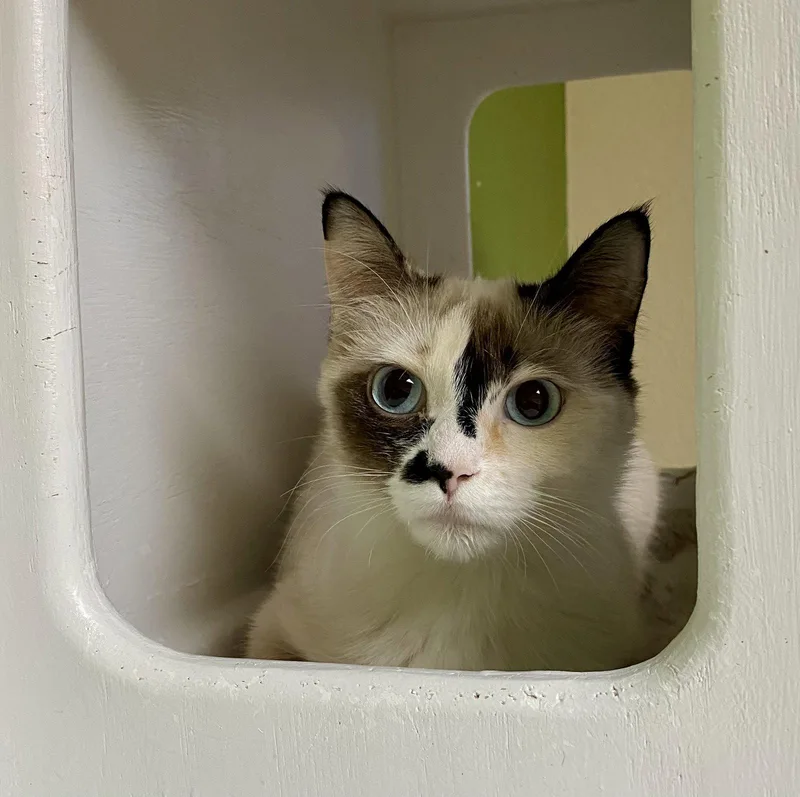
Say hello to your Ocicat

While we don't have enough cats near Fargo, keep in mind that many rescues may offer transport.

Ocicats Available for Adoption Near Fargo

About the Ocicat breed

The Ocicat is a fully domestic cat with a spotted, wildcat look. It was created in the 1960s from Abyssinian and Siamese cats, with American Shorthairs added later, and the name nods to the ocelot. Adults are muscular and heavier than they look, usually 6 to 15 pounds, with a short, satiny coat marked in thumbprint spots.

In Fargo, personality matters more than the coat. Ocicats are social, quick learners who like fetch, puzzle feeders and company, so they usually do best where someone is home part of the day or another playful pet is around. Their short coat gives little protection against a North Dakota winter, which is one more reason they're happiest as indoor cats with plenty of climbing space. Every cat is different, so spend time with a cat before deciding.


Weight
6–15 lbs
Height
9–11 in
Lifespan
12–18 yrs
Temperament
Social, Active, Intelligent, Devoted
Shedding
Low to Moderate

Owning an Ocicat in Fargo

Having an Ocicat in Fargo

Ocicats are sociable, athletic and smart, and in Fargo those traits play out mostly indoors. Daily play, vertical space and steady company matter more than the spotted coat, and each cat's history shapes how these traits show up.

Temperament

Ocicats tend to be outgoing and attached to their people, often greeting visitors at the door. That suits a busy household or a duplex with frequent guests, but many dislike long, empty days and may turn loud or restless. Cats vary, so notice how a cat handles touch, noise and new people.

Exercise Needs

Plan on daily interactive play: wand toys, fetch, puzzle feeders and a tall cat tree. Winter keeps Fargo cats inside for months, so indoor play carries most of the load. Some Ocicats learn to walk on a harness, which adds variety on a calm summer evening, with a leash no longer than six feet.

Health Considerations

Ocicats can inherit conditions such as renal amyloidosis, pyruvate kinase deficiency, progressive retinal atrophy and heart disease, though many cats are never affected. A Fargo veterinarian can review health records, discuss heart and kidney screening and keep dental care on schedule. Current rabies vaccination is also required for the city license.

Living Space

Ocicats adapt to Fargo's mix of apartments, duplexes and single-family homes when they have climbing room, window perches and company. Shelves and a tall tree give them somewhere to leap during the long indoor season. Living indoors keeps them safe from cold, traffic and wildlife.

What it costs to own an Ocicat in Fargo

ExpenseTypical costPer year
Food$25 to $50 per month$300 to $600
Pet insurance$30 to $60 per month$360 to $720
Routine vet care$150 to $350 per year$150 to $350
Other*$455 to $1,155 per year$455 to $1,155
Estimated yearly total (after year one)$1,265 to $2,825

Other costs are estimates and vary with size, age and health.

* The $5 Fargo cat license, litter, flea prevention, a dental cleaning allowance, toys, scratchers and climbing furniture, and minimal home grooming.

Adopt an Ocicat in Fargo.

Now that you know more, let’s find you a new best friend. These rescues and shelters below have cats available in and near Fargo.

Rescues and Shelters in or near Fargo

Fargo's shelters and rescues care for cats of every breed and mix, and the ones below list their pets here. Here are the rescues & shelters in the Fargo area with cats available for adoption, worth asking whether an Ocicat is coming in.

Frequently Asked Questions

Yes, you can own an Ocicat in Fargo. The city has no breed ban, so the same rules apply to every cat. Each cat needs a $5 city license with proof of rabies vaccination, even if it lives indoors, and a household can have up to six dogs and cats combined. Check your lease too, since landlords set their own pet terms.

Yes, most Ocicats adapt well to apartments as long as they get vertical space, daily play and company. Noise is worth planning for: problem howling can draw a complaint under Fargo's animal noise ordinance, and a bored, lonely Ocicat can get vocal. Window perches, puzzle feeders and a play session before you leave help.

Yes, as indoor cats. An Ocicat's short coat gives little protection, and Fargo stays below freezing on about 93 days a year, with nights below 0°F around 42 times. Keep your cat inside, offer warm perches away from drafts, and keep up active play on blizzard days. Cats left outdoors in deep freezes risk frostbite.

Yes, but only in a carrier. MATBUS buses allow pets in a cage or container that stays on your lap, doesn't block the aisle or take a seat, and doesn't become a nuisance or hazard. Fargo has no subway. A secure, ventilated carrier your Ocicat already knows makes short trips easier.

Very little. An Ocicat's short, satiny coat needs about a weekly brushing, plus occasional nail trims and regular dental care. Fargo's dry winter indoor air can dry out skin, so brush a little more often and keep fresh water out. Professional grooming isn't normally needed, and the small cost falls within the Other costs above.

An Ocicat can be a good fit for Fargo if you're home often and enjoy an active cat. Long winters mean lots of indoor time, which suits a social, playful cat that wants company. It's a tougher match if you're away long days, since many Ocicats get lonely. Cats vary, so judge each one on its own temperament.

An Ocicat is a domestic cat breed with a spotted coat that resembles a wild ocelot, though it has no wild ancestry. It was developed in the 1960s from Abyssinian, Siamese and American Shorthair cats. Ocicats are muscular, medium to large and come in twelve colors. Many are social, trainable and often called dog-like in personality.

No, Ocicats are not hypoallergenic. Their short, close-lying coat sheds lightly, but cat allergies are triggered mainly by proteins in saliva and skin that all cats produce. Some allergic people tolerate low-shedding cats better than others, but there is no guarantee. Spend extended time with the specific cat, and talk with your doctor, before adopting.

The name Ocicat blends ocelot and cat. When the first spotted kitten appeared in 1964, a young girl in the household said he looked like an ocelot, a wild spotted cat of the Americas, and the name stuck. It describes only the look; the Ocicat is fully domestic and descends from Abyssinian, Siamese and American Shorthair cats.

Expect roughly $25 to $50 a month for food and $30 to $60 for insurance, plus $150 to $350 a year for routine vet care and $455 to $1,155 for other costs such as litter, dental care and the city license. That comes to about $1,265 to $2,825 a year, not counting the adoption fee.