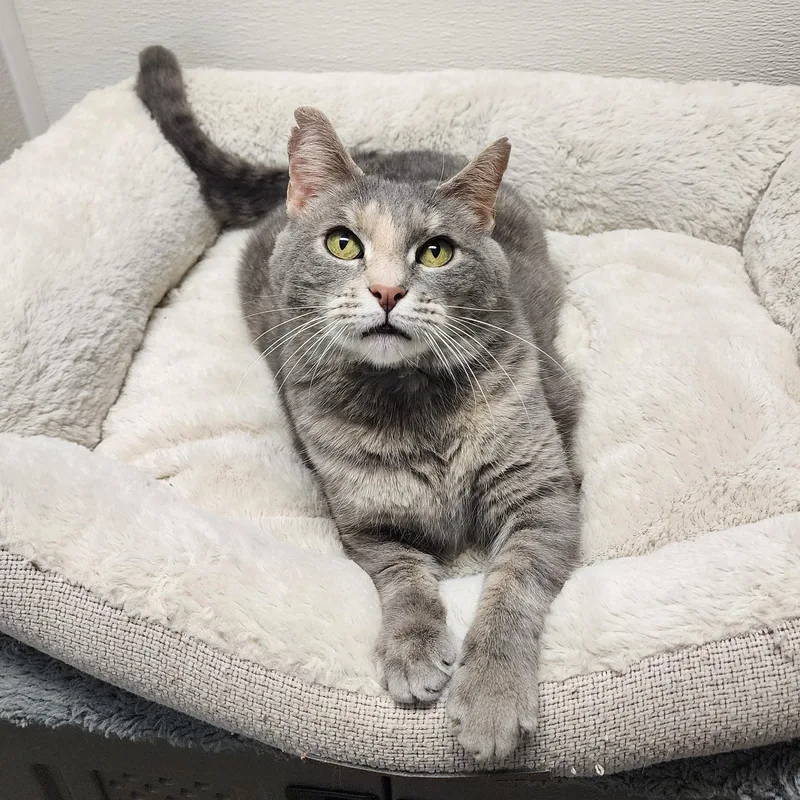
Turkish Van Cats for Adoption in Greensboro, NC

Your guide to finding and caring for a Turkish Van in Greensboro

Turkish Vans do well in Greensboro's older, close-in neighborhoods, as long as they get room to climb. In College Hill or Glenwood, a Van can patrol a window perch by day and race through a bungalow's rooms at dusk. They're big, clever, chatty cats, so expect daily wand-toy sessions and plenty of commentary. A Van likes company on its own terms, which suits someone who's home in the evenings to play.

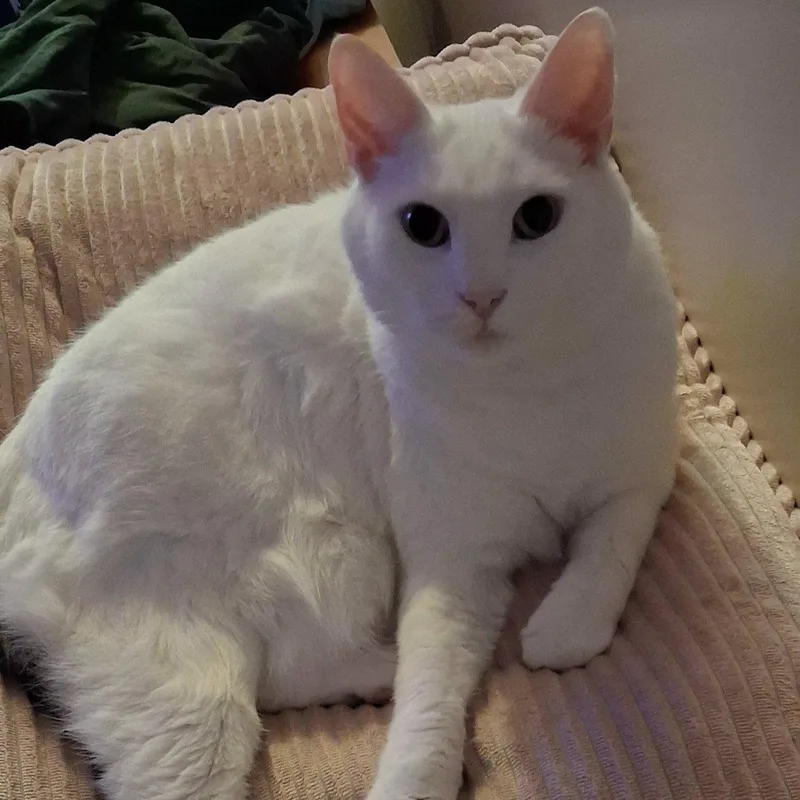
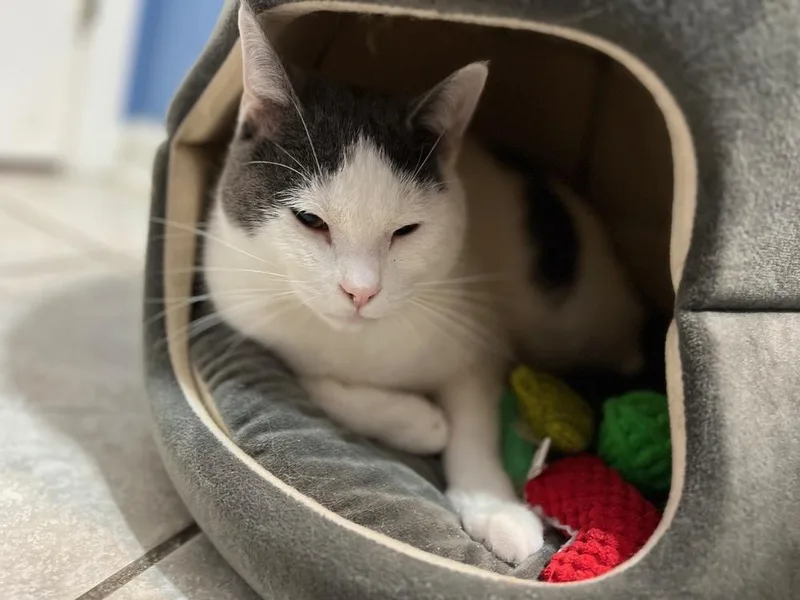
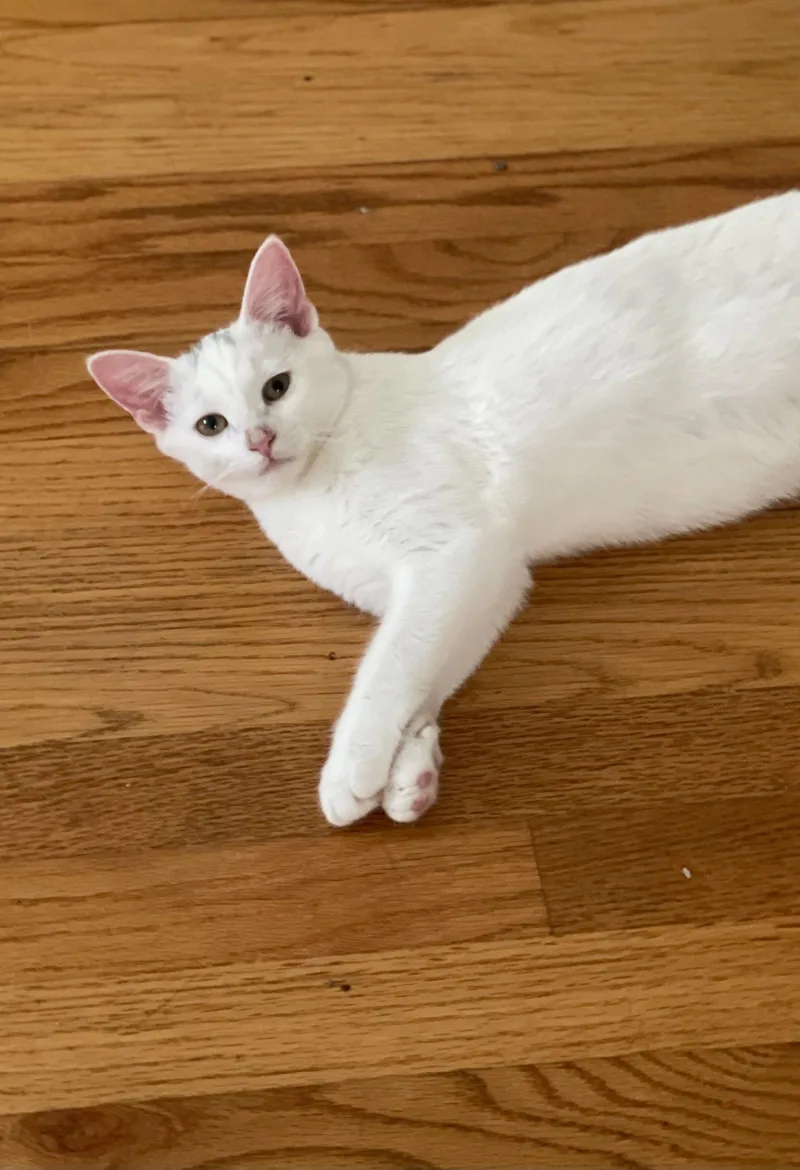
163 Turkish Vans available in Greensboro and nationwide

Bring home a Turkish Van

While we don't have enough cats near Greensboro, keep in mind that many rescues may offer transport.

Turkish Vans Available for Adoption Near Greensboro

About the Turkish Van breed

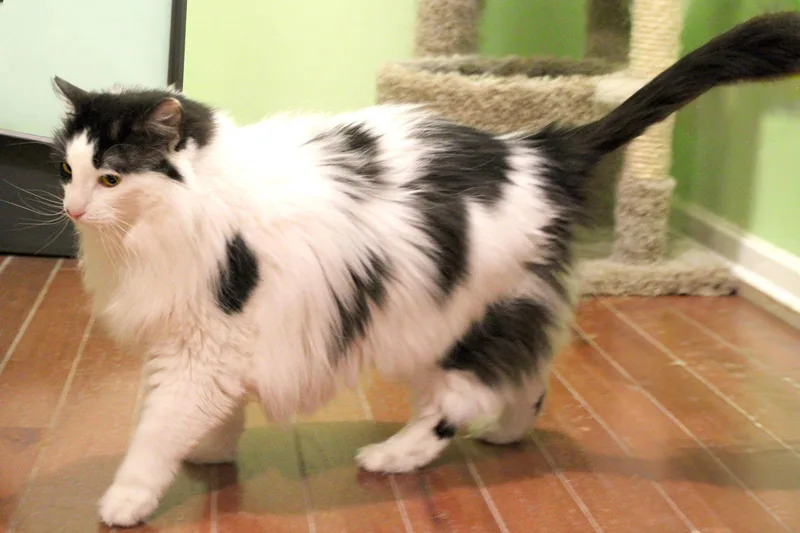
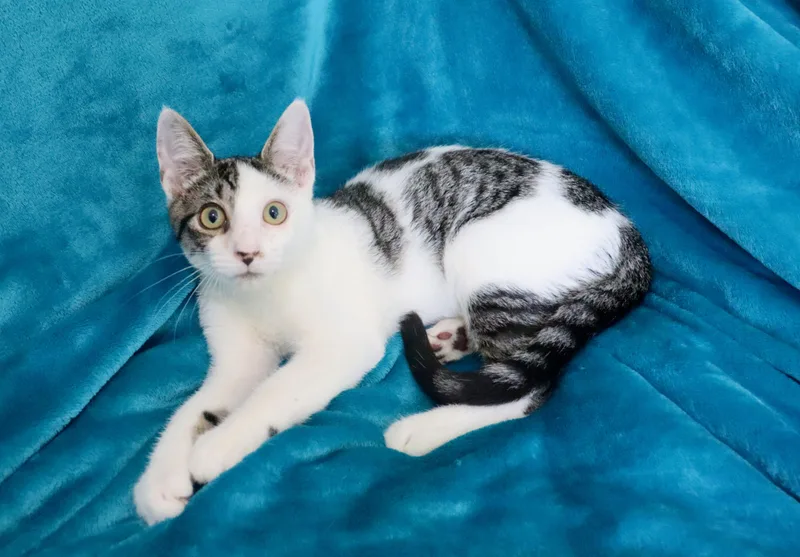
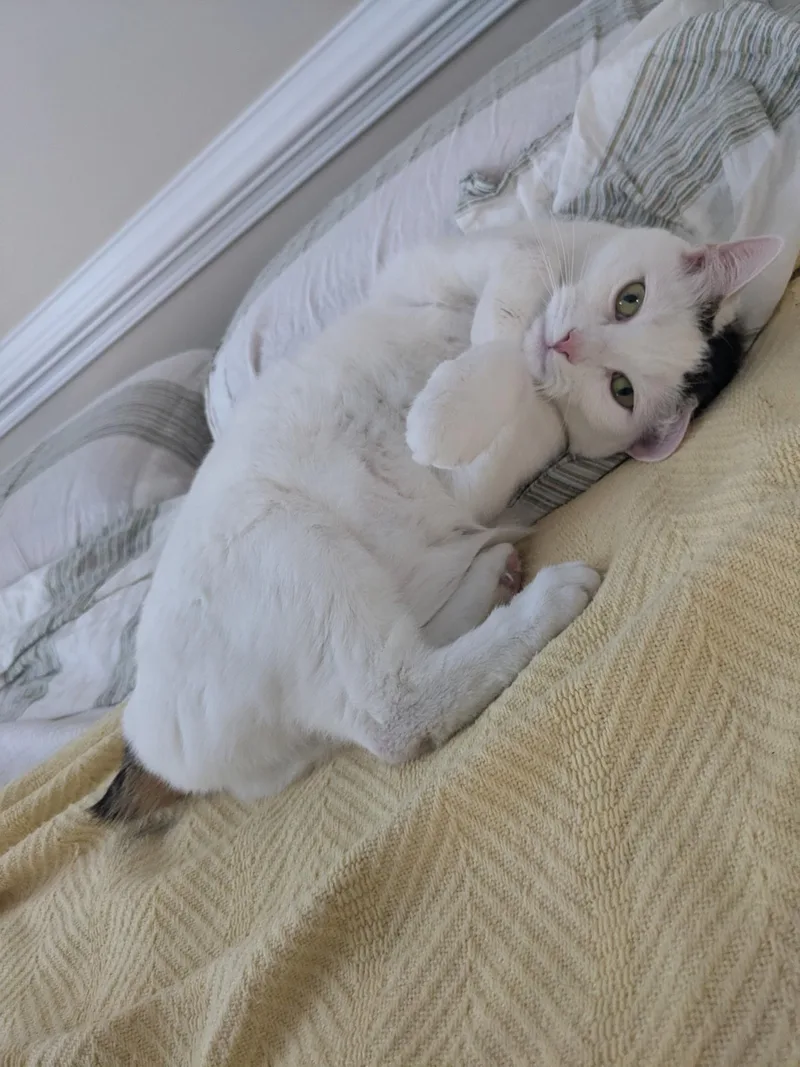
The Turkish Van is a large, semi-longhaired cat with a white body and color on the head and tail, a pattern called van. The breed was developed in Britain from cats brought back from Turkey in 1955 and is named for the Lake Van region. The single coat has no undercoat, feels cashmere-soft and resists water, and many Vans enjoy splashing in a sink or tub.

Vans mature slowly, often taking three to five years to reach full size, and adults range from about 7 to 20 pounds. Many are energetic and vocal, and most would rather sit beside you than be held. In Greensboro, that means indoor life with climbing space, secure toilet lids and a steady play routine. Cats vary, so a Van's own behavior tells you more than the breed label.

Weight
7–20 lbs
Height
10–14 in
Lifespan
12–17 yrs
Temperament
Active, Intelligent, Playful
Shedding
Moderate

Owning a Turkish Van in Greensboro

Having a Turkish Van in Greensboro

A Turkish Van is an athletic, clever cat that needs daily play, vertical space and a weight-conscious routine. In Greensboro, apartments and older houses can both work, provided there's room to climb and a plan for the Piedmont's storms.

Temperament

Turkish Vans tend to be bold, curious and loyal, often following their people from room to room and chatting in a soft voice. Many dislike being carried, and some are wary of strangers. Cats vary, so spend time with a Van before adopting. A high shelf or quiet retreat helps when guests visit.

Exercise Needs

Plan on daily energetic play: wand toys, fetch and chase sessions that let a Van sprint and leap. Puzzle feeders and rotating toys add mental work. In Greensboro this is mostly indoor exercise, with tall cat trees and window perches, since a bored Van may start emptying shelves.

Health Considerations

Turkish Vans have few well-documented inherited conditions, though heart muscle disease has been reported, and a veterinarian can listen to the heart at a first checkup. Their large frame makes weight control important, and dental disease is common in all cats. Rabies vaccination is required in North Carolina by four months of age.

Living Space

A Van can do well in a Greensboro apartment or an older house as long as it has vertical space. Tall cat trees, wall shelves and window perches matter more than square footage. Secure toilet lids and latched cabinets are smart, since many Vans investigate water and open doors.

What it costs to own a Turkish Van in Greensboro

ExpenseTypical costPer year
Food$30 to $60 per month$360 to $720
Pet insurance$25 to $55 per month$300 to $660
Routine vet care$150 to $350 per year$150 to $350
Other*$500 to $1,250 per year$500 to $1,250
Estimated yearly total (after year one)$1,310 to $2,980

Other costs are estimates and vary with size, age and health.

* Litter, flea prevention, a dental cleaning allowance, climbing trees, toys and supplies, and combing the semi-long coat through seasonal molts.

Adopt a Turkish Van in Greensboro.

Now that you know more, let’s find you a new best friend. These rescues and shelters below currently have Turkish Vans available.

Frequently Asked Questions

Yes. Nothing in Greensboro's rules singles out Turkish Vans. North Carolina requires rabies vaccination once a cat is over four months old, and renters need their landlord's pet permission. Keep your Van indoors and microchipped, since stray animals are typically held only a minimum of 72 hours before the county decides their outcome.

No. Pets are prohibited on Greensboro Transit Agency buses, paratransit vehicles and facilities, and the policy has no carrier exception. Only trained service animals assisting people with disabilities may ride. If you don't have a car, plan vet trips around a ride that permits carriers, and keep a sturdy, secure carrier ready.

Yes, a Turkish Van can thrive in a Greensboro apartment if it has tall cat trees, window perches and daily play. Vans are chatty and athletic, so scratching posts and evening play sessions keep both neighbors and furniture happier. Make sure window screens are secure, since climbers test them, and get the landlord's pet permission in writing.

It can be, for adopters who want an active, talkative indoor cat. Greensboro's four seasons are easy on a water-resistant single coat, and older close-in neighborhoods offer plenty of window views. A Van is a poorer match for anyone wanting a cuddly lap cat or who's away for long stretches every day.

Yes, Turkish Van cats are rare, especially in the United States, where relatively few are registered each year. Even in Europe, where the breed is better known, they make up only a tiny share of pedigreed kitten registrations. Because purebred Vans seldom reach shelters, adopters often find van-patterned domestic cats, which share the striking look but not necessarily the breed's personality.

A Turkish Van is a large, semi-longhaired cat breed known for its white body with color only on the head and tail. The breed was developed in Britain from cats brought from Turkey in 1955 and named after the Lake Van region. Vans are typically athletic, clever and playful, with a soft, water-resistant coat that lacks an undercoat.

No, Turkish Van cats are not hypoallergenic. Their single coat without an undercoat may shed less visible fluff than some longhairs, but allergens come mainly from proteins in saliva and skin, which every cat produces. People with mild allergies sometimes tolerate individual cats better than others, so spending extended time with the specific Van before adopting is the best test.

Turkish Van cats commonly live about 12 to 17 years, and many healthy indoor cats reach their late teens. The breed has relatively few documented inherited diseases, which helps. Keeping a Van lean, active and on top of dental care supports a long life, along with regular checkups that can catch heart, kidney or thyroid problems early.

We have 1 rescue with Turkish Vans available: Sheets Pet Adoption. You can see every rescue with Turkish Vans available in the list above these questions, or scroll to the top to see the Turkish Vans near Greensboro.

Expect roughly $1,300 to $3,000 a year for a Turkish Van. Food runs $30 to $60 a month and insurance $25 to $55, while routine vet care is about $150 to $350 a year. Other costs add $500 to $1,250 a year, including litter, parasite prevention, dental care and supplies. Adoption fees are separate.

Find Turkish Vans in Nearby Cities

Expand your search to find Turkish Vans available for adoption near Greensboro.