Dilute Calico Cats for Adoption in Jackson, MS

Your guide to finding and caring for a Dilute Calico in Jackson

A dilute calico suits Jackson's mix of older bungalows and rental apartments, because she mostly needs a sunny window and a daily play session. In a Midtown historic home or an Alta Woods rental, a cat like this can claim a windowsill and watch the squirrels all afternoon. Dilute calicos are almost always female, and their personalities run from shy to bossy, so spend some time with a cat before deciding. Jackson's humid summers also make indoor life the easy choice.

252 Dilute Calicos available in Jackson and nationwide

Say hello to your Dilute Calico

While we don't have enough cats near Jackson, keep in mind that many rescues may offer transport.

Dilute Calicos Available for Adoption Near Jackson

About the Dilute Calico breed

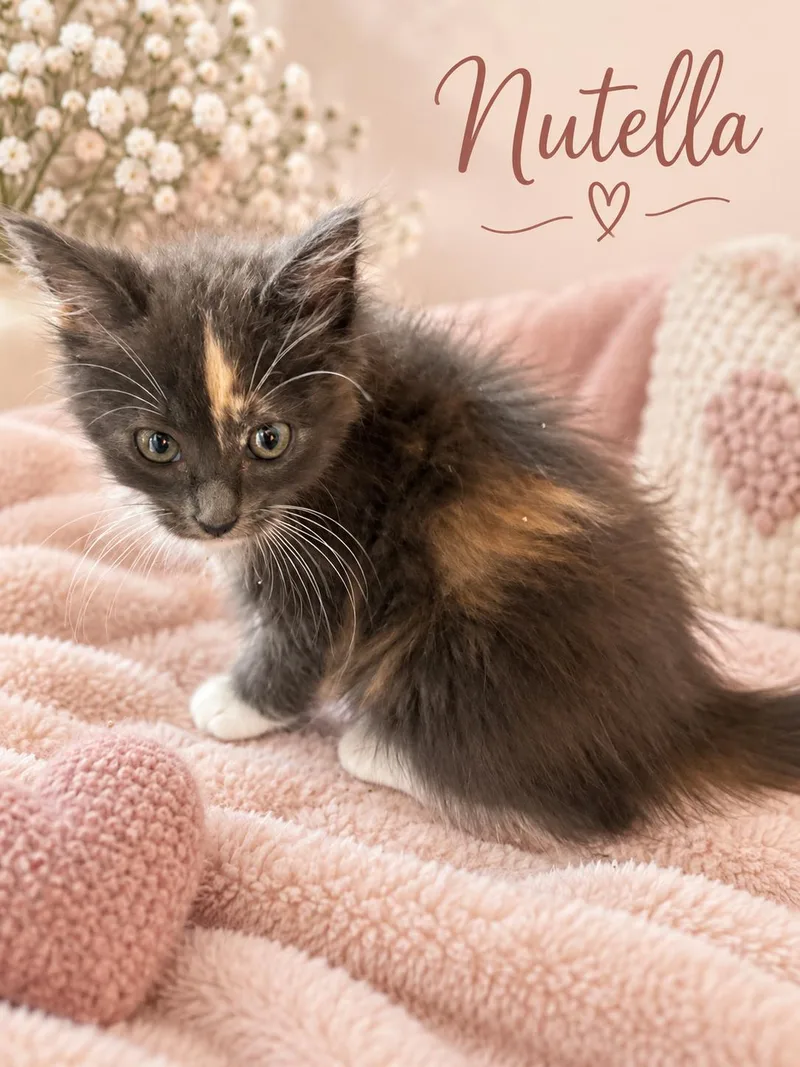
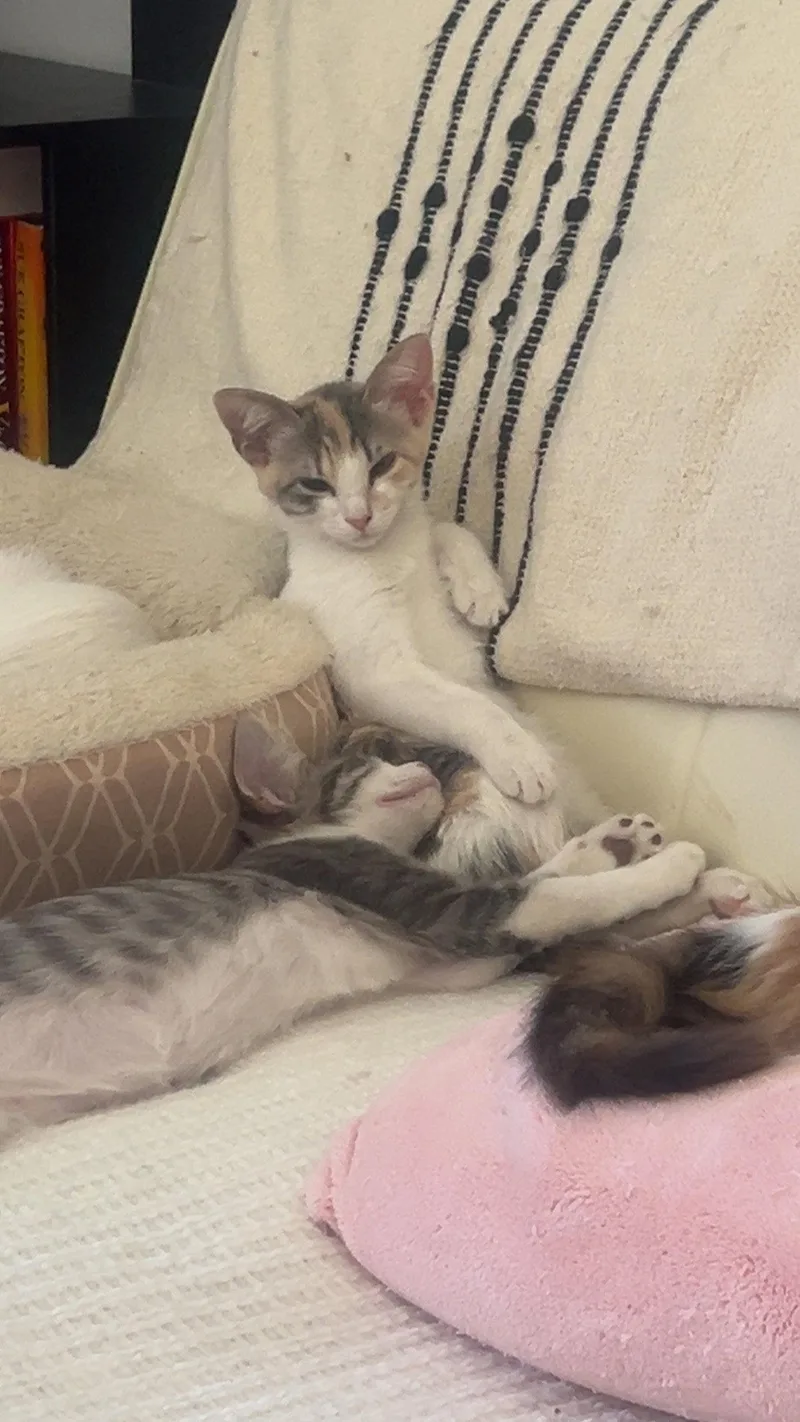
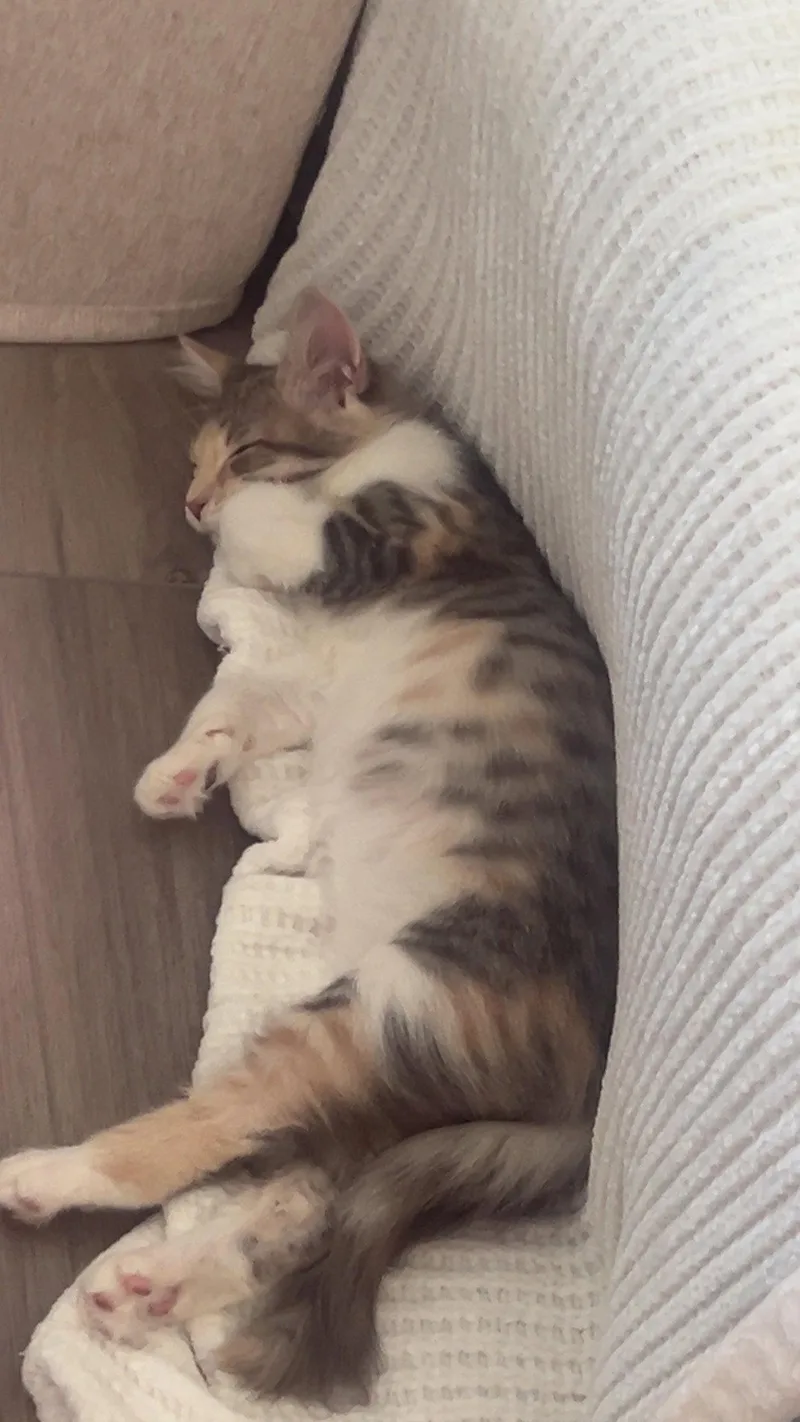
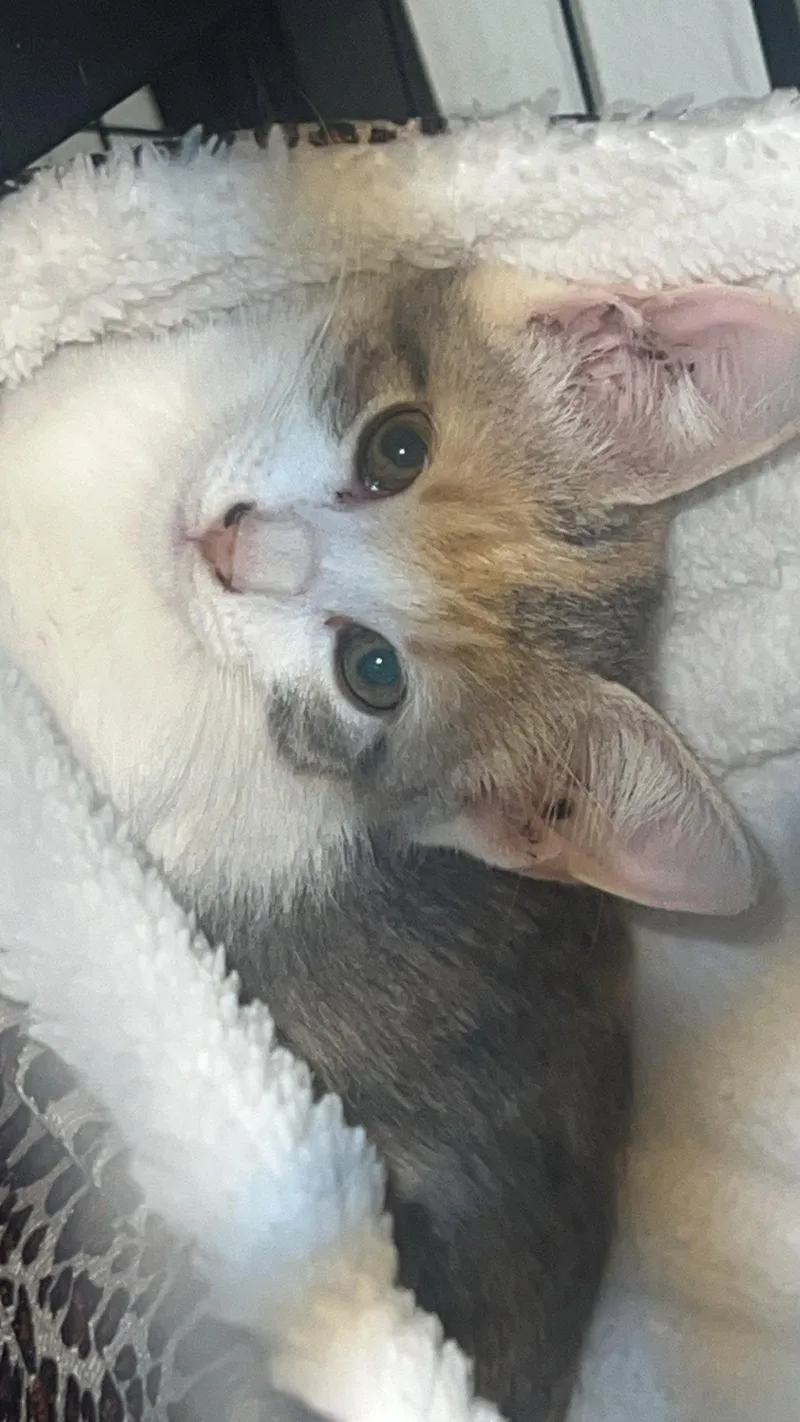
Dilute calico is a coat pattern, not a breed: white with soft patches of blue-gray and cream, the pastel cousin of the black, orange and white calico. The paler shades come from a recessive dilution gene, and the amount of white can range from a little on the paws to most of the body. Nearly all are female, since the orange color gene rides on the X chromosome.

Most dilute calicos you'll meet are domestic shorthairs or longhairs, though the pattern shows up in many breeds. Color says little about personality, so a Jackson adopter might meet a lap cat, a reserved observer or a playful troublemaker. Age, history and how the cat handles a new home are better guides than the coat.

Weight
6–14 lbs
Height
8–10 in
Lifespan
12–18 yrs
Temperament
Affectionate, Curious, Independent
Shedding
Moderate

Owning a Dilute Calico in Jackson

Having a Dilute Calico in Jackson

Most dilute calicos are domestic cats with a wide range of personalities, so the coat tells you little. These cards cover what usually applies, plus what matters when you're keeping a cat comfortable and safe in Jackson.

Temperament

Calico and tortie cats have a reputation for sass, but coat color doesn't set personality. Many dilute calicos are affectionate and curious, and some are more reserved. Jackson's quiet residential streets and apartment complexes both work, as long as a shy cat gets a calm room and time to settle in.

Exercise Needs

Most dilute calicos enjoy daily play with wand toys, balls and puzzle feeders, and kittens and young adults want more of it. In Jackson's long hot summers, indoor play is the dependable routine. Window perches and a tall cat tree give an indoor cat room to climb and watch the yard.

Health Considerations

The dilute pattern itself causes no health problems in female cats, though the rare males often have extra chromosomes and added health concerns. Cats in Jackson need rabies vaccination, and the city's code calls for it yearly. Dental care and weight control matter most, and a vet can check any cat's overall health.

Living Space

Dilute calicos adapt to apartments, duplexes and houses alike, so Jackson's mix of rentals and older homes works. Scratching posts, climbing space and a quiet hideaway help. Coyotes are common in Mississippi, so keeping a cat indoors or on a secure catio is the safer choice.

What it costs to own a Dilute Calico in Jackson

ExpenseTypical costPer year
Food$25 to $50 per month$300 to $600
Pet insurance$20 to $45 per month$240 to $540
Routine vet care$150 to $350 per year$150 to $350
Other*$450 to $1,150 per year$450 to $1,150
Estimated yearly total (after year one)$1,140 to $2,640

Other costs are estimates and vary with size, age and health.

* Litter, flea and tick prevention, a dental cleaning allowance, toys and supplies, and home grooming.

Adopt a Dilute Calico in Jackson.

Now that you know more, let’s find you a new best friend. These rescues and shelters below have cats available in and near Jackson.

Rescues and Shelters in or near Jackson

With the city shelter closed since 2021, Jackson's nonprofit rescues handle most cat adoptions in the area. Here are the rescues & shelters in the Jackson area with cats available for adoption, worth asking whether a Dilute Calico is coming in.

Frequently Asked Questions

Yes. Jackson has no breed ban, and a dilute calico is a coat pattern rather than a restricted breed. Cats need a rabies vaccine at three months and then yearly, plus a metal tag worn at all times. Watch the listings on this page, since the cats available change often.

Yes, as indoor cats. Jackson averages more than 80 days a year at or above 90°F, with humid nights in the low 70s. Keep the home air-conditioned, offer fresh water in several spots and avoid sunny windows at midday. Have a cooling plan for power outages, since heat indoors can become dangerous.

Yes. Dilute calicos adapt well to apartments, and about half of Jackson households rent. Mississippi sets no cap on pet deposits or pet rent, so read the lease for fees. Provide a scratching post, a window perch and daily play, and a long-haired cat needs room for brushing.

Often, yes, if the cat stays indoors. Jackson's heat, coyotes, spring storms and occasional ice-storm outages are easy to manage with a cool home, secure spaces and an emergency kit. Personality varies from cat to cat, so the best match is the cat whose energy suits your household.

A short-haired dilute calico needs a weekly brushing, while a long-haired cat does better with brushing several times a week. Jackson's humidity can make mats form faster, and shedding is moderate. Home grooming costs little and falls within the Other costs of about $450–$1,150 a year.

Almost all calico cats are female. The genes for orange and black coat color sit on the X chromosome, and a cat needs two X chromosomes to show both colors at once. Females have two X chromosomes; males normally have one. Rare male calicos usually carry an extra X chromosome and are estimated at roughly 1 in 3,000 calicos.

A calico cat is a cat with a three-color coat of white plus patches of black-based and orange-based color. Calico is a color pattern, not a breed, and it appears in domestic cats and many purebred breeds. Dilute calicos show blue-gray and cream instead of black and orange. Nearly all calicos are female.

Yes, calico cats can be male, but it is very rare. Most male calicos have an extra X chromosome, written XXY, which lets them carry both orange and black color genes. A few are chimeras, formed when two embryos fuse. Male calicos are almost always sterile and may have additional health concerns.

Calico cats are nearly all female because the orange and black color genes are carried on the X chromosome. A female has two X chromosomes, so she can carry one of each, and random inactivation of one X in each cell creates the patchwork. Males usually have one X, so they show only orange or black.

Expect roughly $25–$50 a month for food, $20–$45 a month for insurance, $150–$350 a year for routine vet care and $450–$1,150 a year for other costs such as litter, prevention and dental care. That adds up to about $1,140–$2,640 a year. Jackson publishes no cat license fee.