Chartreux Cats for Adoption in Brookhaven, MS

Your guide to finding and caring for a Chartreux in Brookhaven

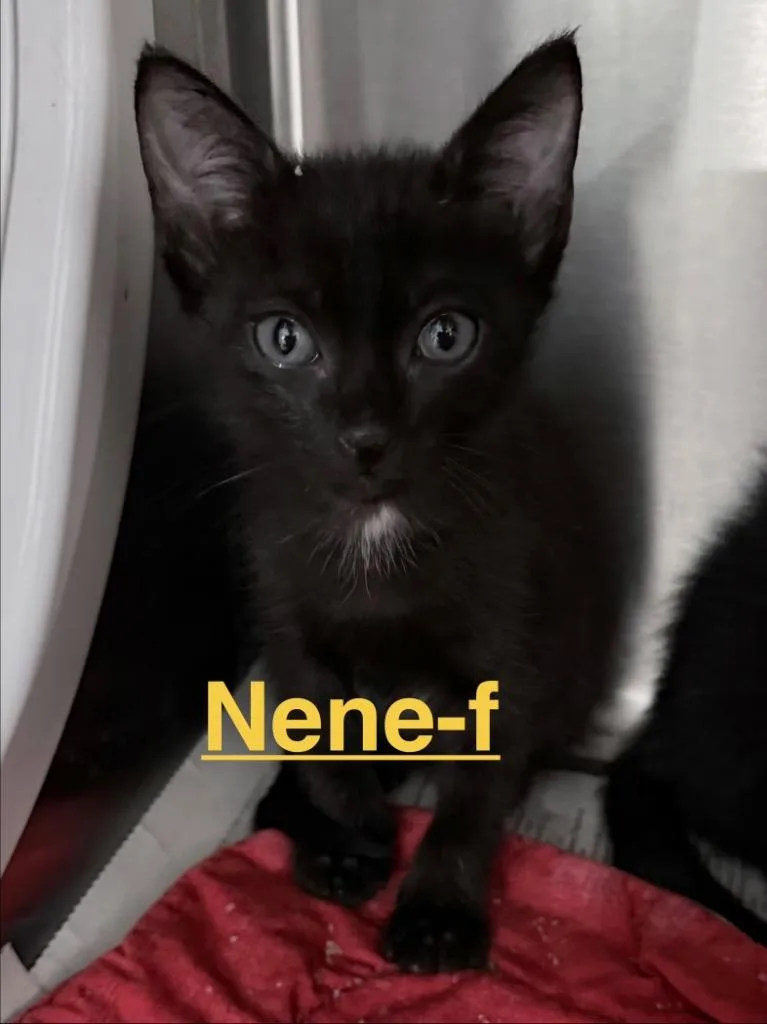
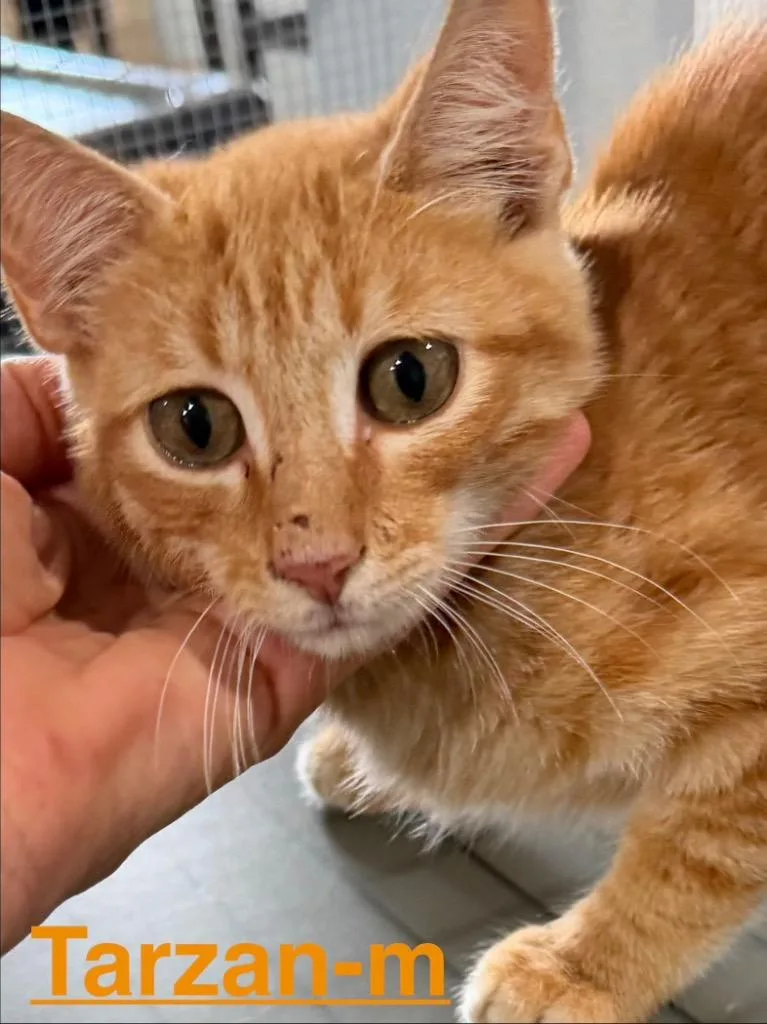
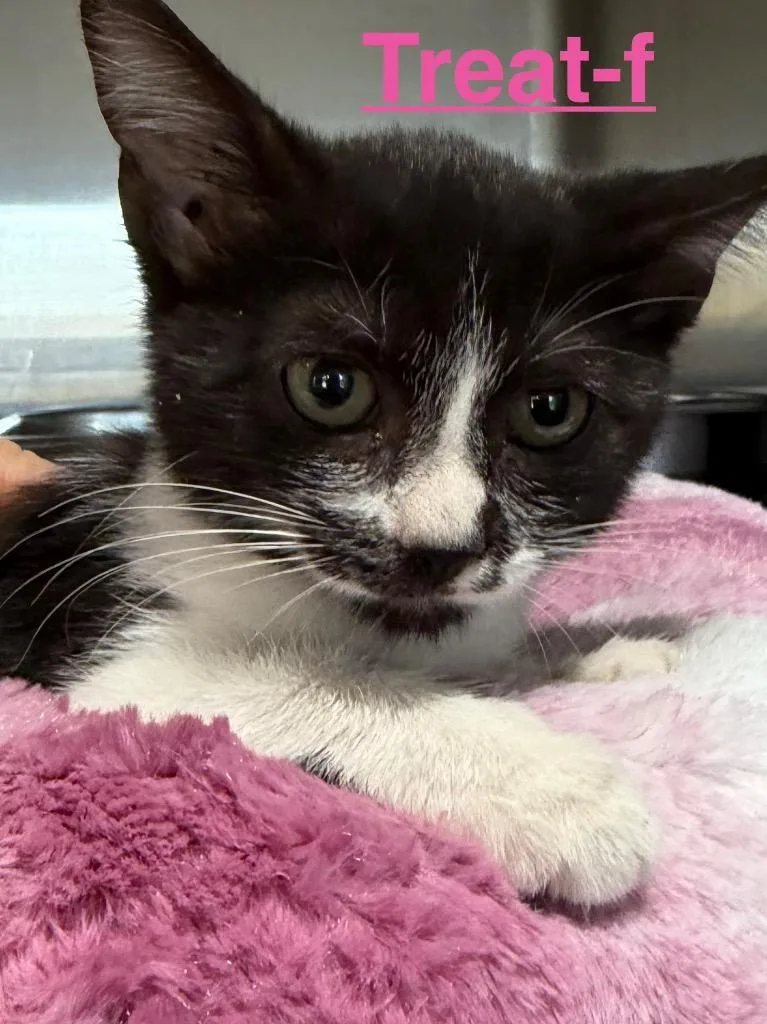
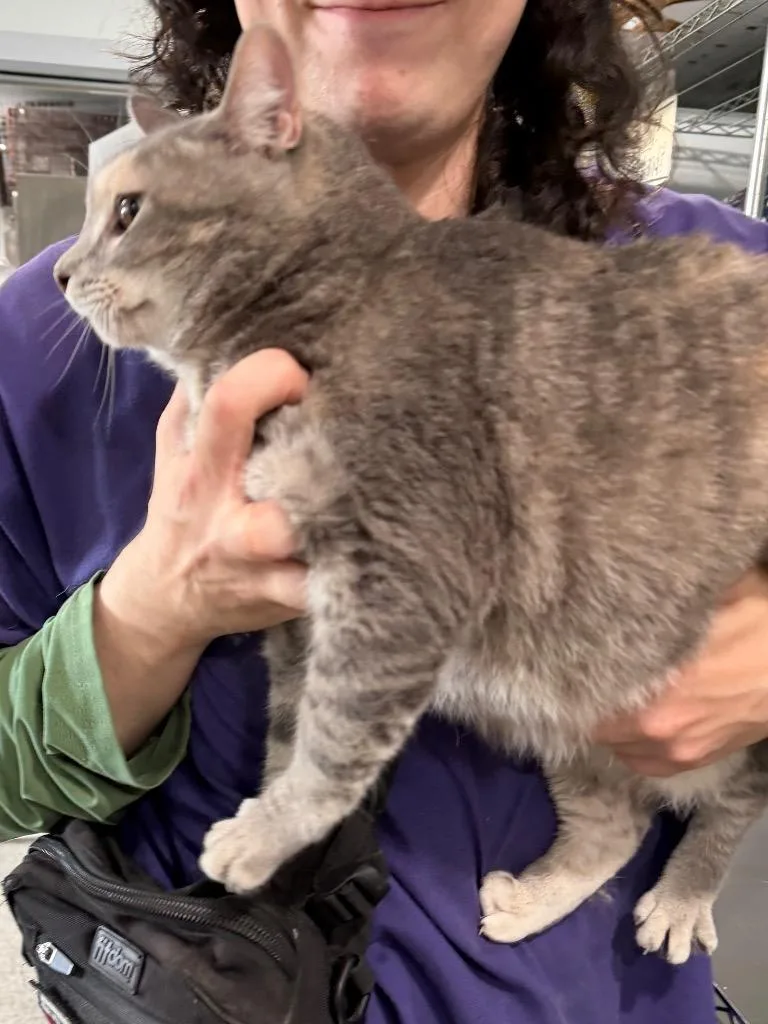
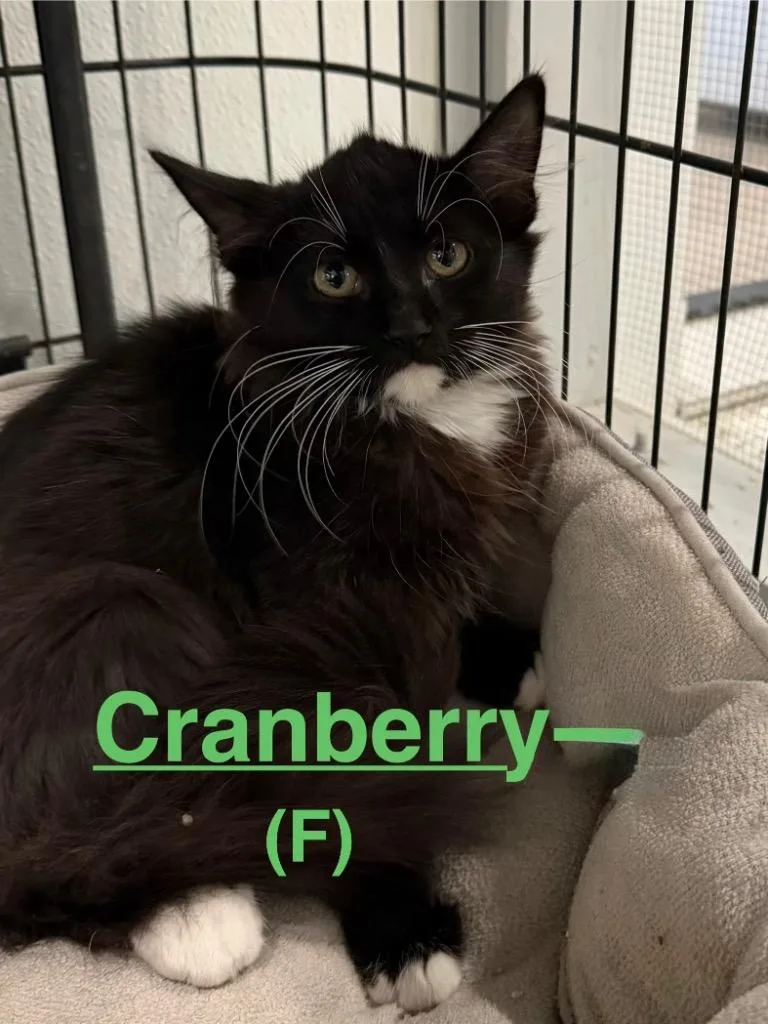
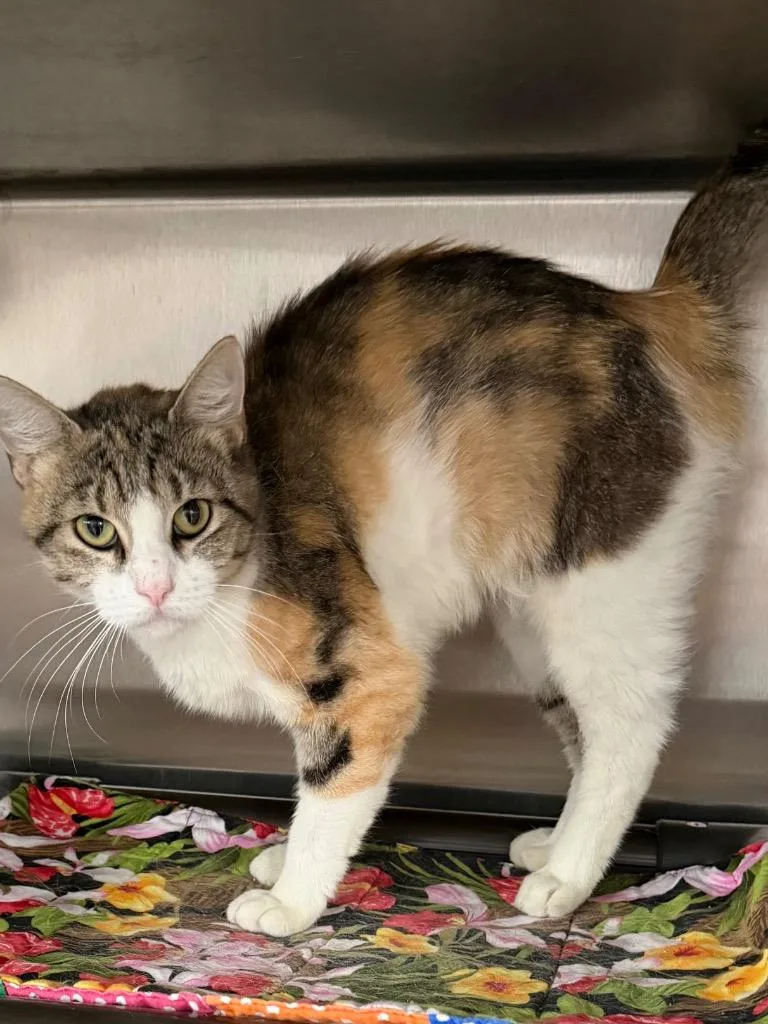
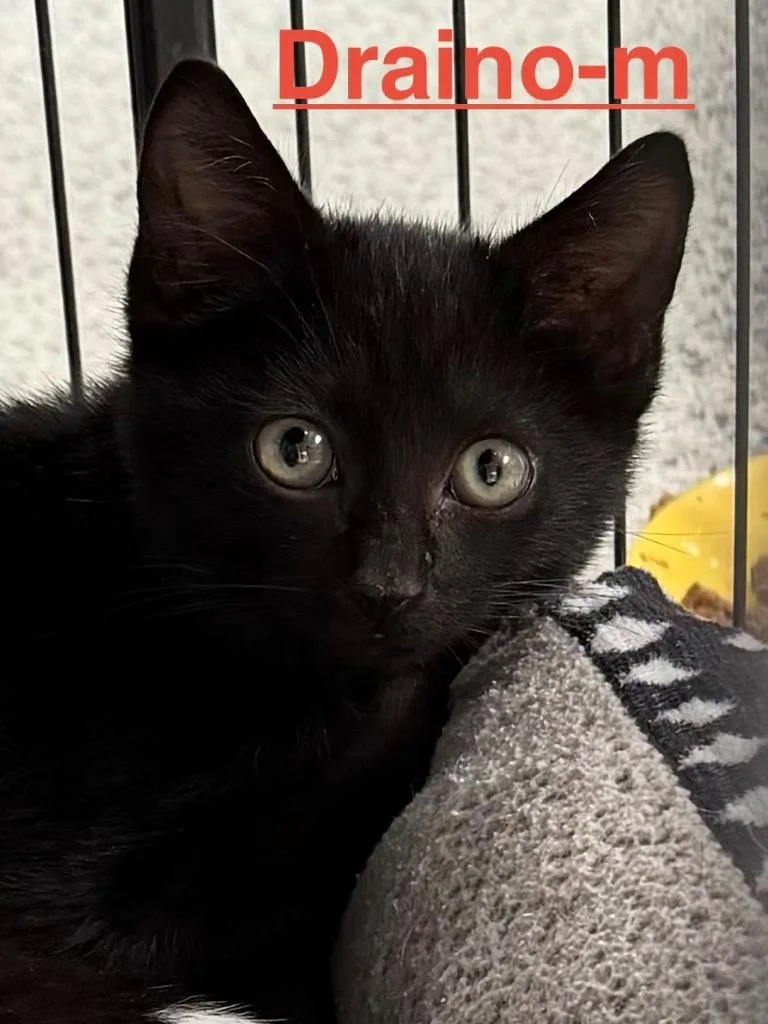
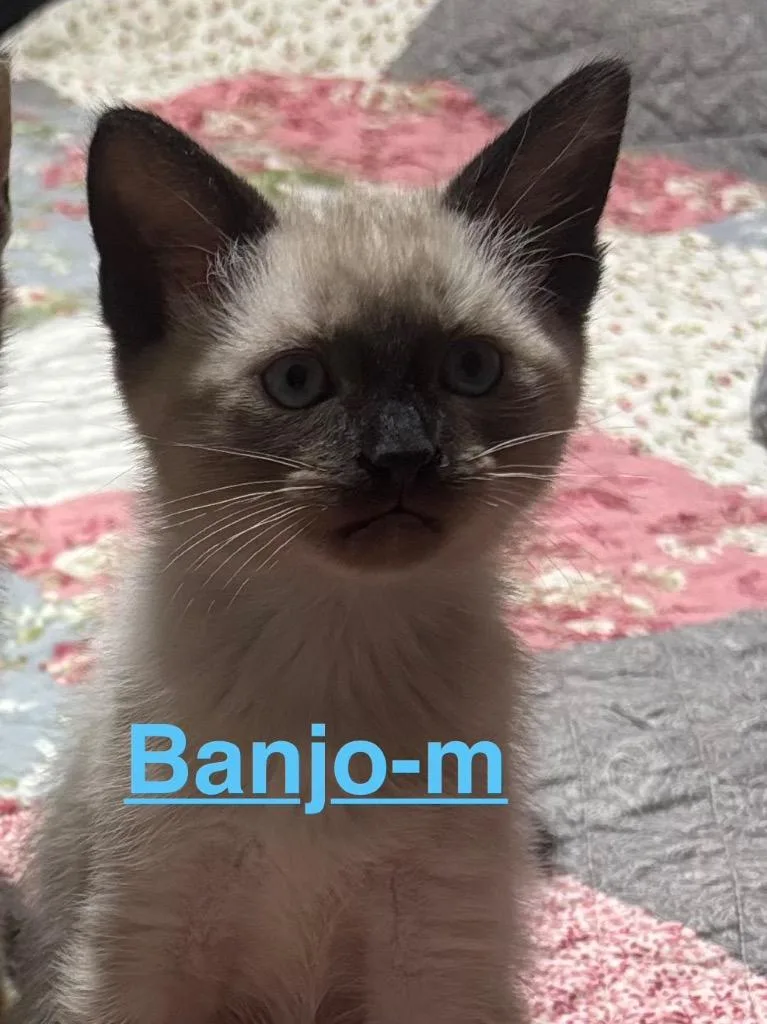
16 Chartreuxes available in Brookhaven and nationwide

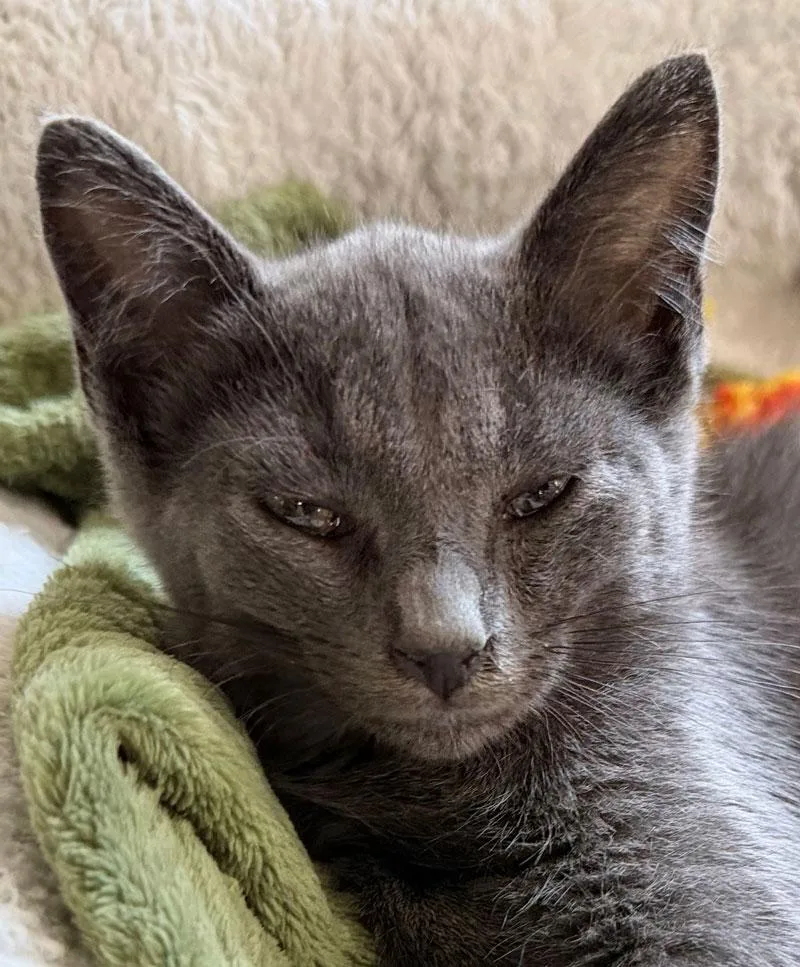
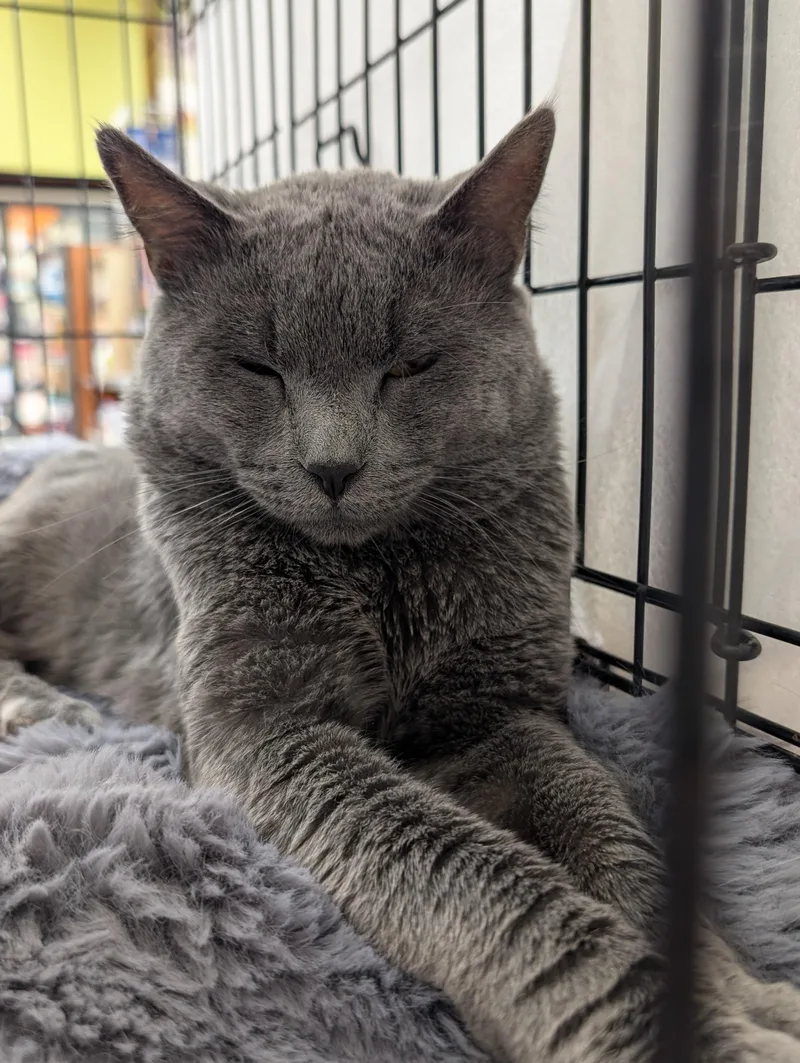
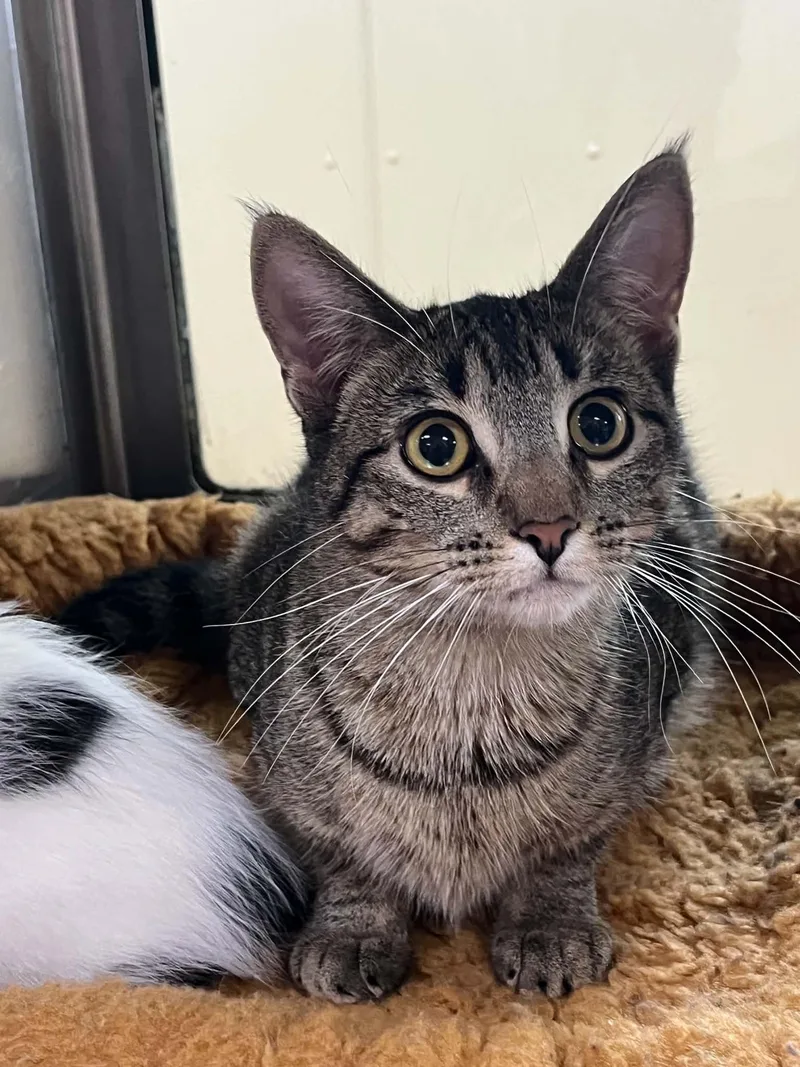
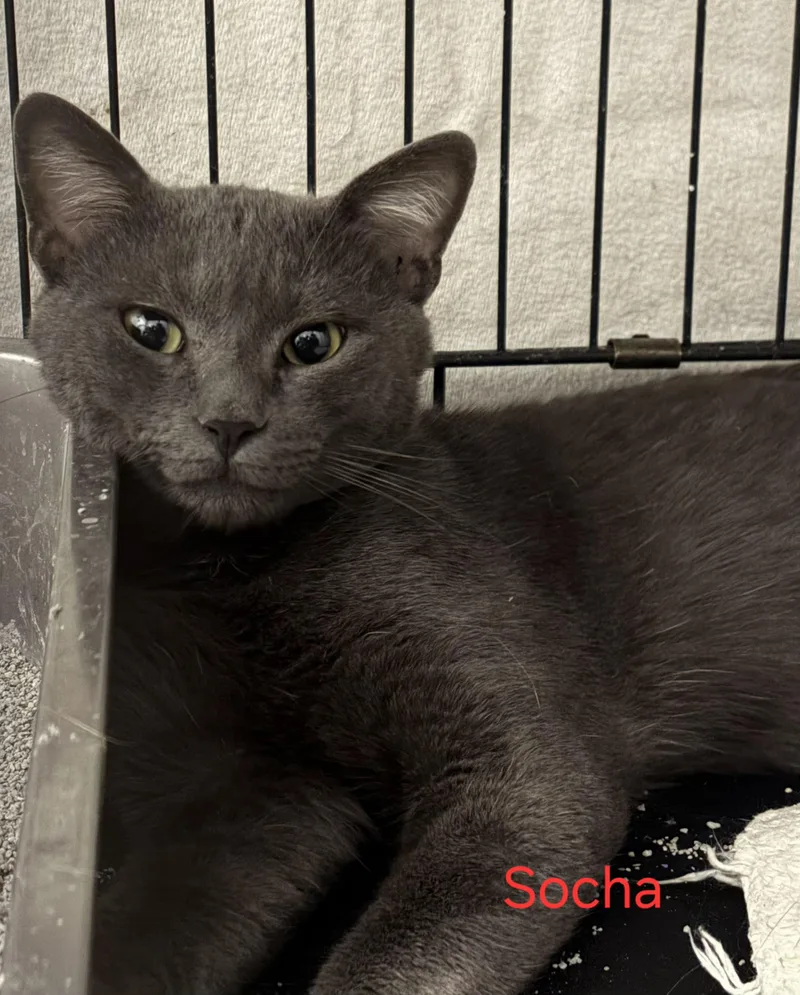
Say hello to your Chartreux

While we don't have enough cats near Brookhaven, keep in mind that many rescues may offer transport.

Chartreuxes Available for Adoption Near Brookhaven

About the Chartreux breed

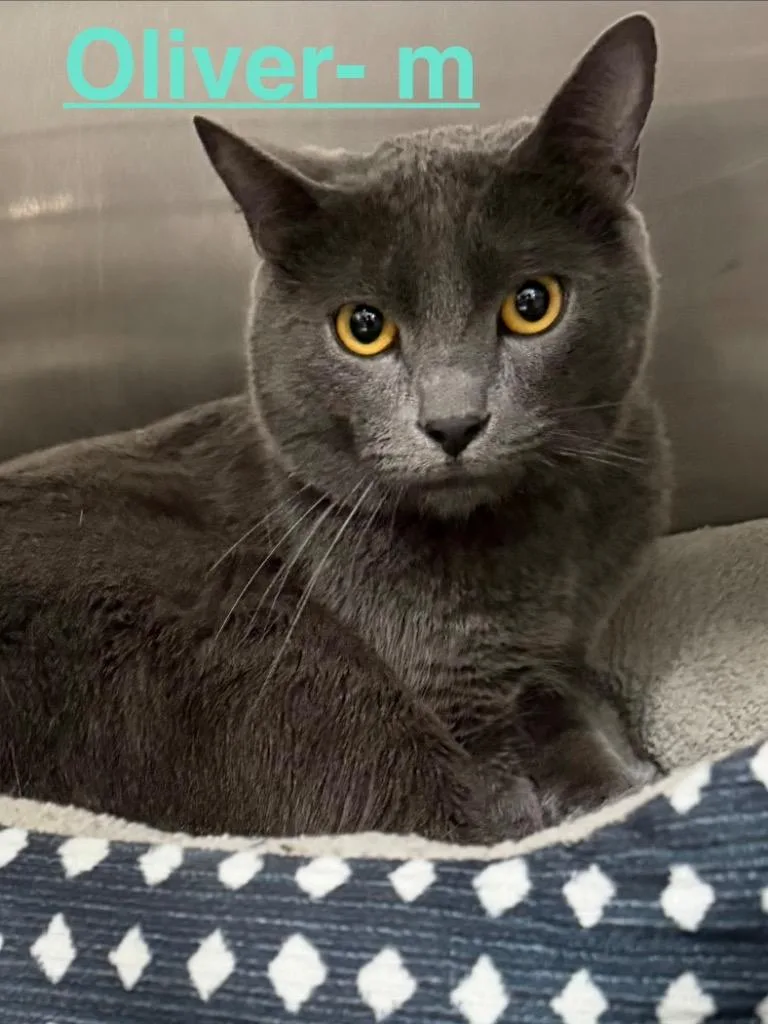
Blue-gray cats have lived in France for centuries, appearing in sixteenth-century writing, and the Chartreux is the breed that grew from them. After nearly disappearing following World War I, it was rebuilt in the 1920s from natural colonies of blue cats, and it remains uncommon. Every Chartreux is blue, with a dense, woolly, water-resistant coat, gold to copper eyes, a sturdy muscular body on fairly short legs and a tapered muzzle that seems to smile.

Many Chartreux are calm, gentle and quietly devoted, often following one favorite person from room to room. They tend to communicate with soft chirps rather than meows, and some barely make a sound. Most play in short bursts and enjoy hunting toys. Adopters should expect slow maturity, seasonal shedding of the thick coat, and a cat that gains weight easily without play and measured meals.

Weight
7–14 lbs
Height
9–11 in
Lifespan
12–15 yrs
Temperament
Quiet, Loyal, Calm, Gentle
Shedding
Moderate

Owning a Chartreux in Brookhaven

Having a Chartreux in Brookhaven

A Chartreux brings a solid, muscular body, a plush blue coat and an unusually quiet voice to family life. Its steady temperament, bursts of hunting play and tendency to put on weight shape the routines and household that suit this calm breed best.

Temperament

Chartreux cats are often calm, gentle and loyal, bonding closely with their household and sometimes choosing one favorite person. Many get along with respectful children and calm pets after gradual introductions. They tend to observe newcomers before engaging. An adopted Chartreux's history and comfort level tell you more than breed generalizations.

Exercise Needs

Most Chartreux are moderately active, playing in short, intense bursts and then resting. Toys that mimic prey, such as wands, feathers and toy mice, suit their strong hunting instinct. Food puzzles add mental exercise. Regular play is important because this solid breed gains weight easily, and some Chartreux need encouragement to stay active.

Health Considerations

Chartreux are generally hardy cats, but patellar luxation, a kneecap that slips out of place, is documented in the breed. Weight gain is a common concern in mature cats, and dental disease can occur. Keeping the cat lean with measured meals and play helps. Discuss an adopted cat's history and schedule regular veterinary checkups.

Living Space

A Chartreux usually adapts well to an apartment or a house, especially with a calm atmosphere, a cat tree and window perches for watching birds. Indoor living keeps them safe and healthy. They tend to tolerate time alone better than very social breeds, but they still appreciate company and steady routines.

What it costs to own a Chartreux

ExpenseTypical costPer year
Food$25 to $50 per month$300 to $600
Pet insurance$25 to $50 per month$300 to $600
Routine vet care$150 to $350 per year$150 to $350
Other*$450 to $1,150 per year$450 to $1,150
Estimated yearly total (after year one)$1,200 to $2,700

Other costs are national averages for Chartreuxes; we don't have costs specific to Brookhaven yet.

* Litter, parasite prevention, a dental cleaning allowance, toys and scratchers, and brushing supplies for seasonal shedding of the dense coat.

Adopt a Chartreux in Brookhaven.

Now that you know more, let’s find you a new best friend. These rescues and shelters below currently have Chartreuxes available.

Rescues in Brookhaven with Chartreuxes Available

Here are the rescues & shelters in the Brookhaven area where you can find Chartreuxes and other cats available for adoption.

Frequently Asked Questions

Yes, Chartreux cats are rare, especially outside France. Relatively few are registered each year in the United States, and they seldom appear in shelters. Many blue-gray shelter cats are domestic shorthairs or mixes rather than Chartreux. Breed rescues and cat rescues occasionally have adult Chartreux available, so watching listings regularly helps.

Chartreux is pronounced shar-TROO in French, and many English speakers say shar-TREW. The name may come from the Carthusian monks of the Grande Chartreuse monastery, though some historians link it to a Spanish wool. Whichever origin is true, the breed's name is tied to its French homeland.

You can identify a Chartreux by its solid blue-gray woolly coat, gold to copper eyes, sturdy muscular body on fairly short legs and a rounded head with a tapered muzzle that looks like a smile. Look-alikes include Russian Blues, which have green eyes and a sleeker coat, and British Shorthairs, which are rounder. Pedigree papers confirm a purebred.

No, Chartreux cats are not hypoallergenic. They produce the same main cat allergen, a protein called Fel d 1, as other cats, and their dense double coat sheds seasonally. People with cat allergies are likely to react. Spending time with a specific cat before adopting is the best way to judge how you'll respond.

Yes, Chartreux cats shed, especially during seasonal coat changes in spring and fall. Their dense, woolly double coat drops undercoat in larger amounts at those times. Weekly brushing is usually enough most of the year, with more frequent brushing during heavy sheds to reduce hairballs and hair around the home.

A Chartreux is a rare French cat breed known for its solid blue-gray coat, gold to copper eyes and sturdy, muscular build. Chartreux are typically calm, quiet and devoted, often communicating with soft chirps instead of meows. The breed developed from natural populations of blue cats in France and is recognized by major cat registries.

Yes, Chartreux cats are usually friendly, though in a calm, quiet way. Many are affectionate with their family and may follow one favorite person around the house. They tend to watch strangers before approaching. Most get along with respectful children and calm pets after gradual introductions, though each cat's history plays a role.

No, a purebred Chartreux should not have green eyes. The breed standard calls for gold to copper eyes, with a brilliant orange preferred, and green eyes disqualify a cat from showing. Kittens are born with blue eyes that change as they grow. A blue-gray cat with green eyes is more likely a Russian Blue or a mix.

No, a purebred Chartreux should not have white spots. The breed is blue only, in shades of blue-gray, and white markings are not part of the standard. A blue cat with white patches is most likely a domestic shorthair or a mix. That doesn't affect its value as a companion, but it isn't a Chartreux.

We have 1 rescue with Chartreuxes available: Brookhaven Animal Rescue League. You can see every rescue with Chartreuxes available in the list above these questions, or scroll to the top to see the Chartreuxes near Brookhaven.