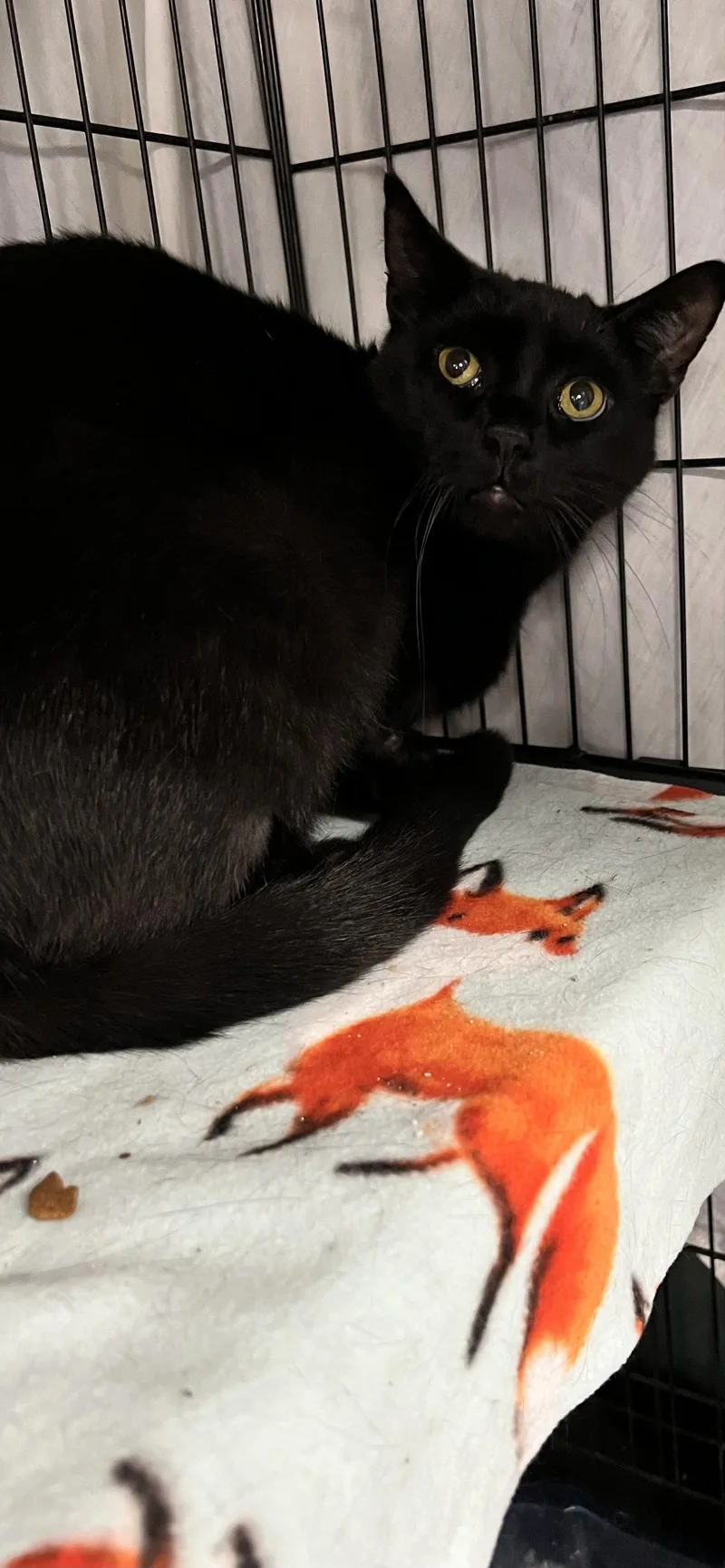
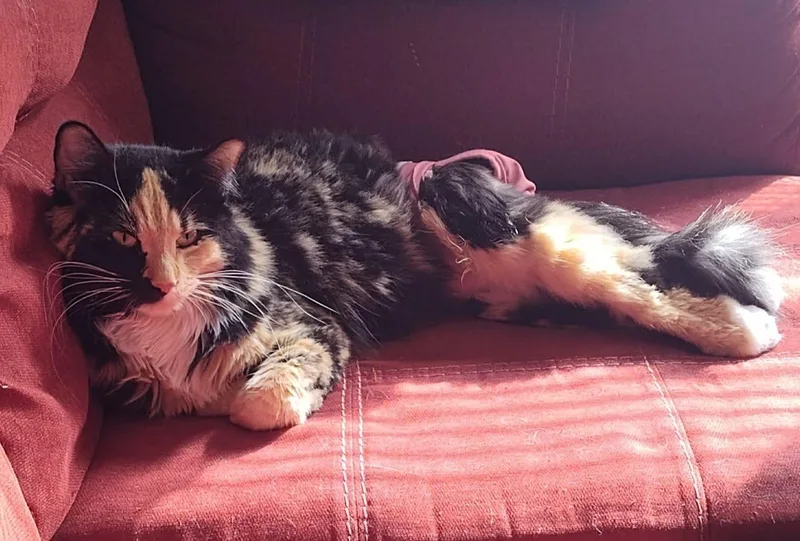
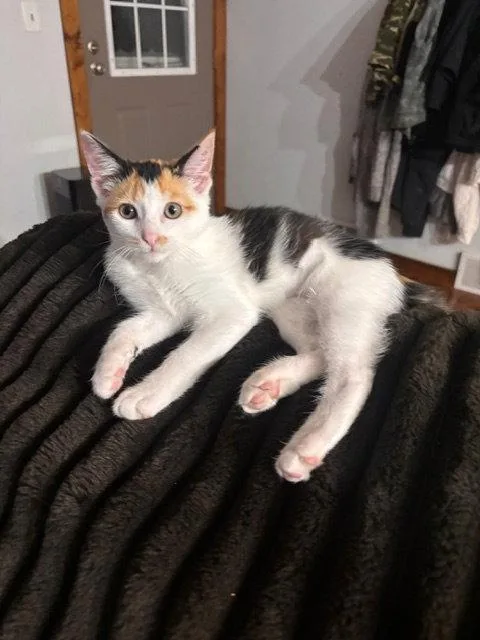
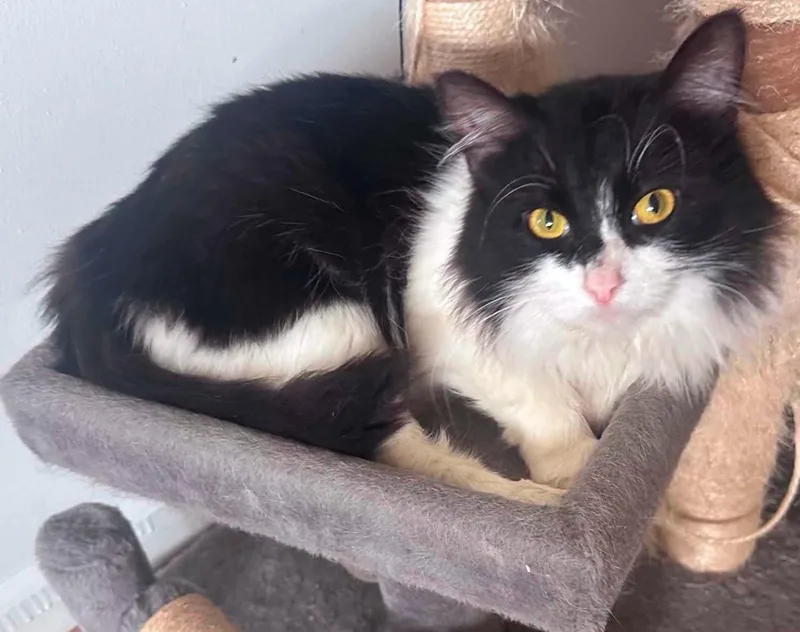
Extra-Toes Cat / Hemingway Polydactyls for Adoption in Holland, MI

Your guide to finding and caring for an Extra-Toes Cat / Hemingway Polydactyl in Holland

An Extra-Toes Cat fits easily into a Holland apartment or one of the older homes in the Historic Neighborhood. These are domestic cats with bigger paws, so personalities run from lap-sitters to window watchers. A sunny sill over a tree-lined street near Hope College gives a cat plenty to track, and a downtown loft has room for a tall cat tree. The only real routine difference is trimming those extra claws every few weeks.

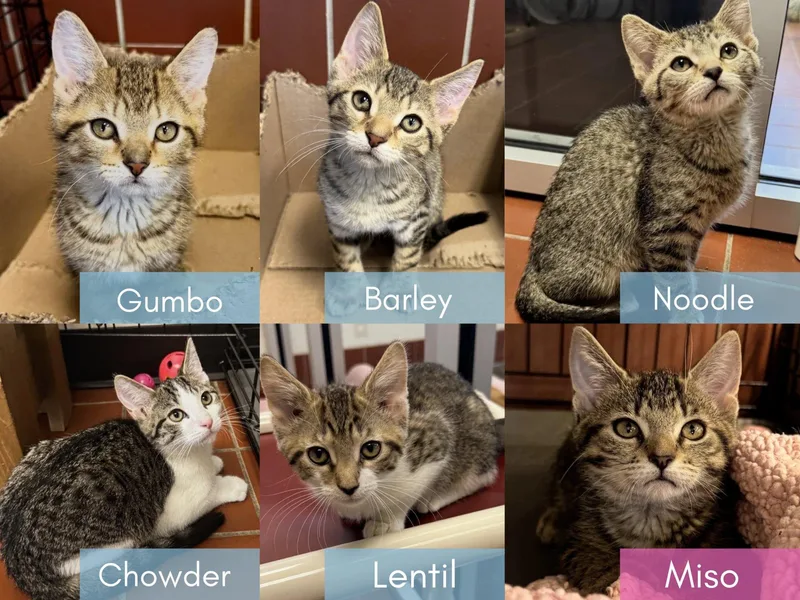
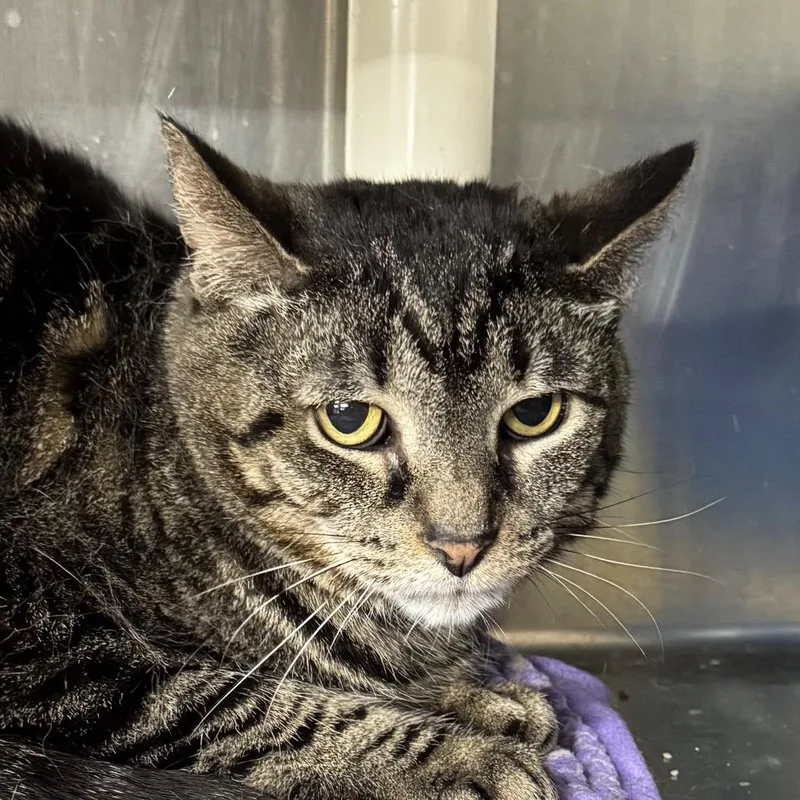
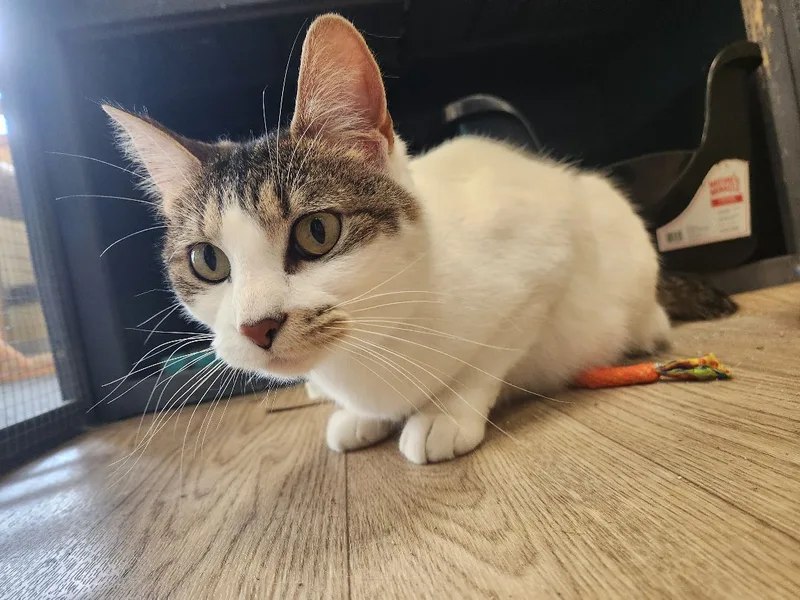
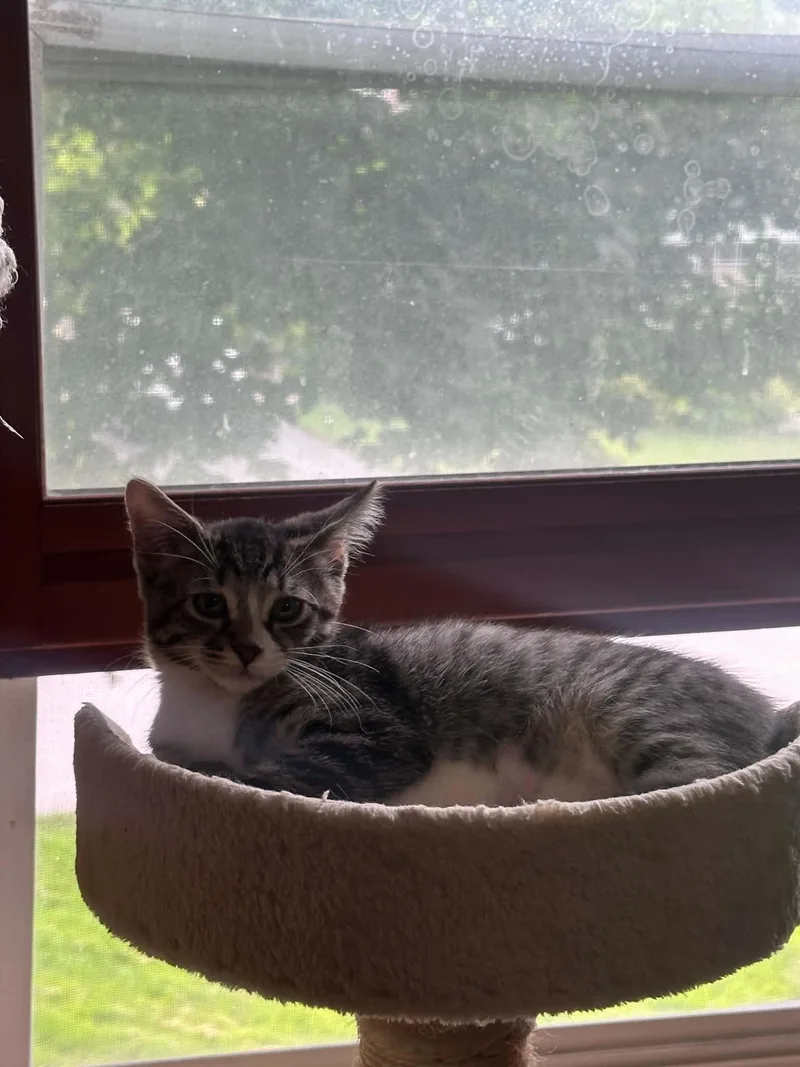
187 Extra-Toes Cat / Hemingway Polydactyls available in Holland and nationwide

Adopt a Polydactyl cat today

While we don't have enough cats near Holland, keep in mind that many rescues may offer transport.

Extra-Toes Cat / Hemingway Polydactyls Available for Adoption Near Holland

About the Extra-Toes Cat / Hemingway Polydactyl breed

An Extra-Toes Cat, often called a Hemingway cat, isn't a breed. It's any cat born with polydactyly, a harmless genetic variation that adds toes to one or more paws. A typical cat has 18 toes, while polydactyls often have six or seven on a front paw, sometimes forming a mitten-like thumb. The trait is dominant and is especially common in New England and Atlantic Canada, where ship cats were prized as mousers.

Most extra-toed cats in shelters are domestic shorthairs or longhairs, so size, coat and personality vary as much as in any cat. In Holland, where winters keep cats indoors for months, that means planning for play and climbing space. The one care difference is claws: the extras may not wear down and can curl into the paw pads, so regular trims matter.

Weight
6–15 lbs
Height
8–10 in
Lifespan
12–18 yrs
Temperament
Adaptable, Curious, Affectionate
Shedding
Moderate

Owning an Extra-Toes Cat / Hemingway Polydactyl in Holland

Having an Extra-Toes Cat / Hemingway Polydactyl in Holland

Extra toes make for oversized paws, but they don't set personality or health. For Holland adopters, what matters most is each cat's age, coat and history, plus steady claw care and enough indoor enrichment to get through long winters.

Temperament

Extra-Toes Cats range from bold, chatty companions to shy cats who warm up slowly, just like other domestic cats. Toe count doesn't predict friendliness. In a Holland apartment or a busy house near Hope College, a confident cat may enjoy the activity, while a shy one may want a quiet room and time to settle.

Exercise Needs

Plan on daily interactive play with wand toys, balls and puzzle feeders, since many of these cats are agile climbers. Holland has roughly 40 days a year that never climb above freezing, so indoor play matters most from December through February. Kittens and young adults usually want more activity than seniors.

Health Considerations

Common polydactyly usually causes no health problems on its own. Extra claws may not wear down and can grow into the paw pads, so check and trim them every few weeks. A veterinarian can rule out a rare look-alike limb condition and screen for dental disease, obesity and kidney disease, which affect cats of any kind.

Living Space

These cats adapt to Holland's mix of downtown lofts, student apartments and older single-family homes. Give them vertical space, sturdy scratching posts that help keep extra claws in shape, hiding spots and clean litter boxes. Indoor living or a secure enclosure protects against traffic, and window screens prevent falls from upper floors.

What it costs to own an Extra-Toes Cat / Hemingway Polydactyl in Holland

ExpenseTypical costPer year
Food$25 to $50 per month$300 to $600
Pet insurance$20 to $45 per month$240 to $540
Routine vet care$150 to $350 per year$150 to $350
Other*$450 to $1,150 per year$450 to $1,150
Estimated yearly total (after year one)$1,140 to $2,640

Other costs are estimates and vary with size, age and health.

* Litter, flea and tick prevention, a dental cleaning allowance, toys and scratching posts, and home claw trims and coat care.

Adopt an Extra-Toes Cat / Hemingway Polydactyl in Holland.

Now that you know more, let’s find you a new best friend. These rescues and shelters below currently have Extra-Toes Cat / Hemingway Polydactyls available.

Rescues in Holland with Extra-Toes Cat / Hemingway Polydactyls Available

Shelters and rescues serving Holland care for cats of every age, coat and toe count, from kittens to seniors. Here are the rescues & shelters in the Holland area where you can find Extra-Toes Cat / Hemingway Polydactyls and other cats available for adoption.

Frequently Asked Questions

Yes. Extra toes are a physical trait, not a regulated type, and no known Holland rule treats these cats differently. Dogs are limited to two per dwelling unit, but no cat limit is known. Ottawa County's cat license is optional, so the main requirement is a lease that allows cats.

Yes, these cats adapt well to apartments, including downtown lofts and student apartments. Provide a tall cat tree, a window perch, sturdy scratching posts and daily play with wand toys. Get your landlord's pet permission in writing, and ask about pet rent or fees before you sign. Cats don't need a yard.

Often, yes, if you can offer an indoor life. Holland's long winters keep most cats inside for months, so a good fit means daily play, climbing space and a window view. Temperament varies by cat, so judge each cat's age, energy and coat rather than the toe count, and match them to your routine.

Yes, as indoor cats. Holland has roughly 120 to 130 freezing nights a year and lake-effect snow, so keep your cat inside and give it warm, draft-free perches. Extra toes don't change much about winter care, but a cat that slips outside should have its paws checked for ice and salt. Plan extra play to burn winter energy.

Yes, but only in a carrier. MAX, Holland's local bus system, prohibits animals other than ADA service animals unless they travel in a suitable crate or carrier. Choose a sturdy, well-ventilated carrier your cat is used to, and line it with a towel. Holland has no subway or other urban rail.

Claw care is the main task: check and trim the extra claws every few weeks so they don't curl into the paw pads. Short coats need weekly brushing, while longhairs need it more often. Winter doesn't change much indoors, but wipe paws after any outdoor time on salted ground. Home trims add no separate cost.

A cat normally has 18 toes: five on each front paw and four on each back paw. The fifth front toe is the dewclaw, set higher on the inside of the leg like a thumb, so it doesn't touch the ground when the cat walks. Polydactyl cats have more than 18, most often an extra one or two per front paw.

Cats don't have true thumbs. The dewclaw on each front paw sits in a similar position to a human thumb and helps a cat grip prey and climb, but it isn't opposable. Some polydactyl cats have extra toes on the inner side of the paw that look like a thumb, which is where the nickname thumb cat comes from.

We have 1 rescue with Extra-Toes Cat / Hemingway Polydactyls available: Tyson's Place Animal Rescue. You can see every rescue with Extra-Toes Cat / Hemingway Polydactyls available in the list above these questions, or scroll to the top to see the Extra-Toes Cat / Hemingway Polydactyls near Holland.

Plan on roughly $25 to $50 a month for food, $20 to $45 a month for pet insurance, $150 to $350 a year for routine vet care and $450 to $1,150 a year for everything else, including litter. That's about $1,140 to $2,640 a year in total, before one-time adoption costs or unexpected illness.

Find Extra-Toes Cat / Hemingway Polydactyls in Nearby Cities

Expand your search to find Extra-Toes Cat / Hemingway Polydactyls available for adoption near Holland.

Explore Other Breeds in Holland

Looking for a different breed? Browse other cats available for adoption in Holland.