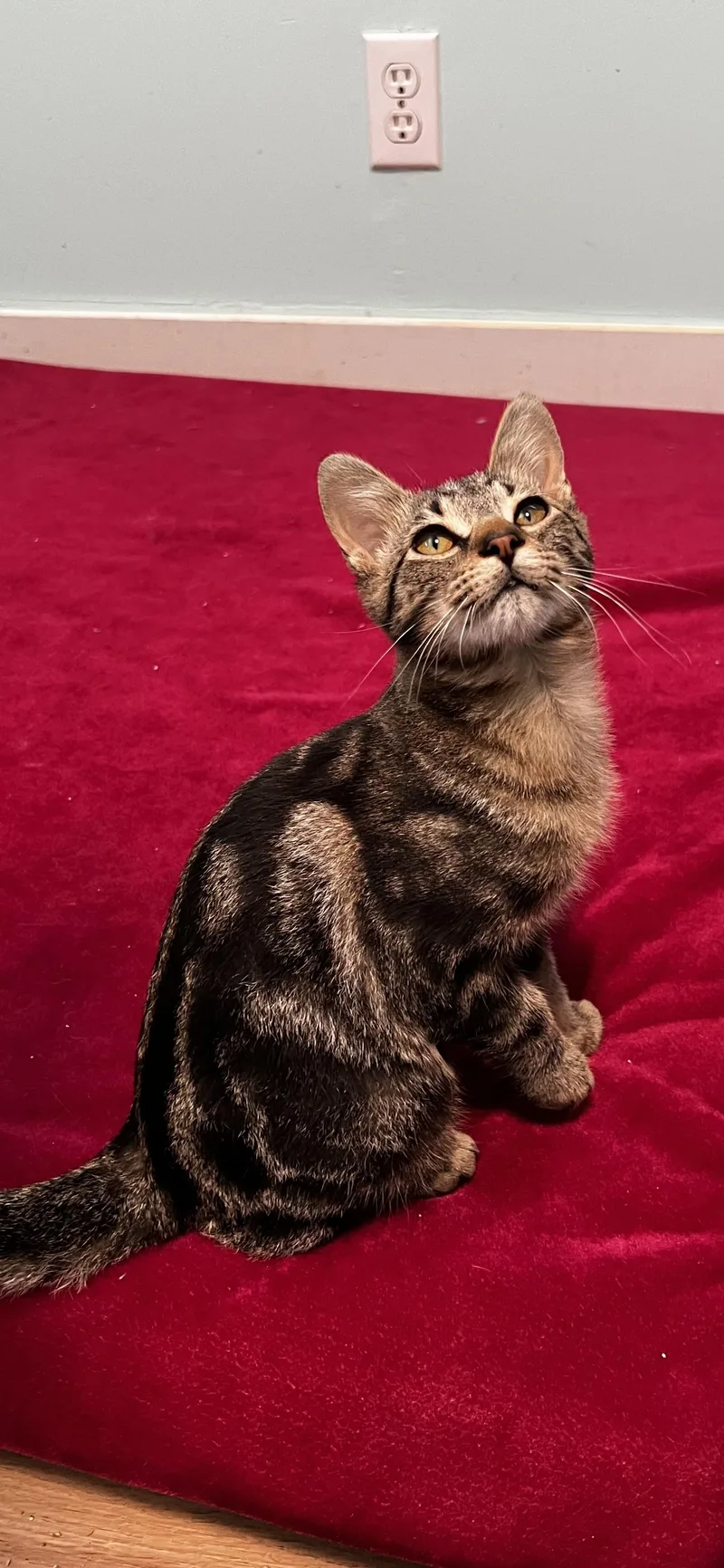
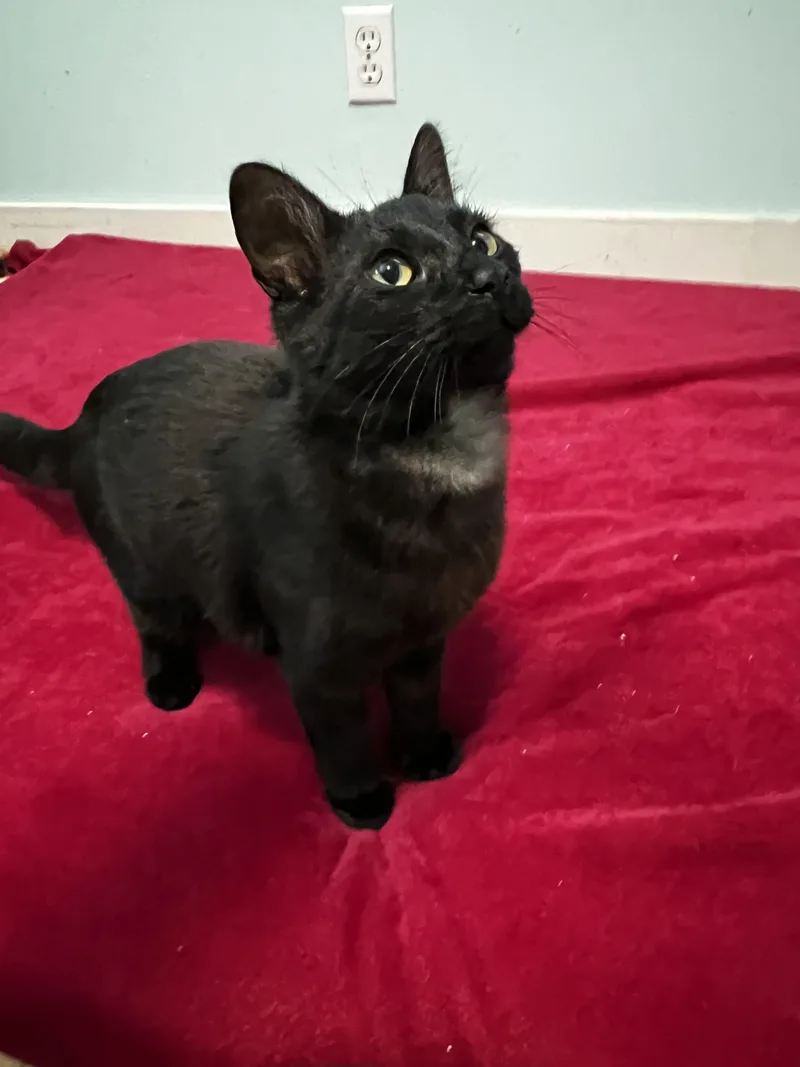
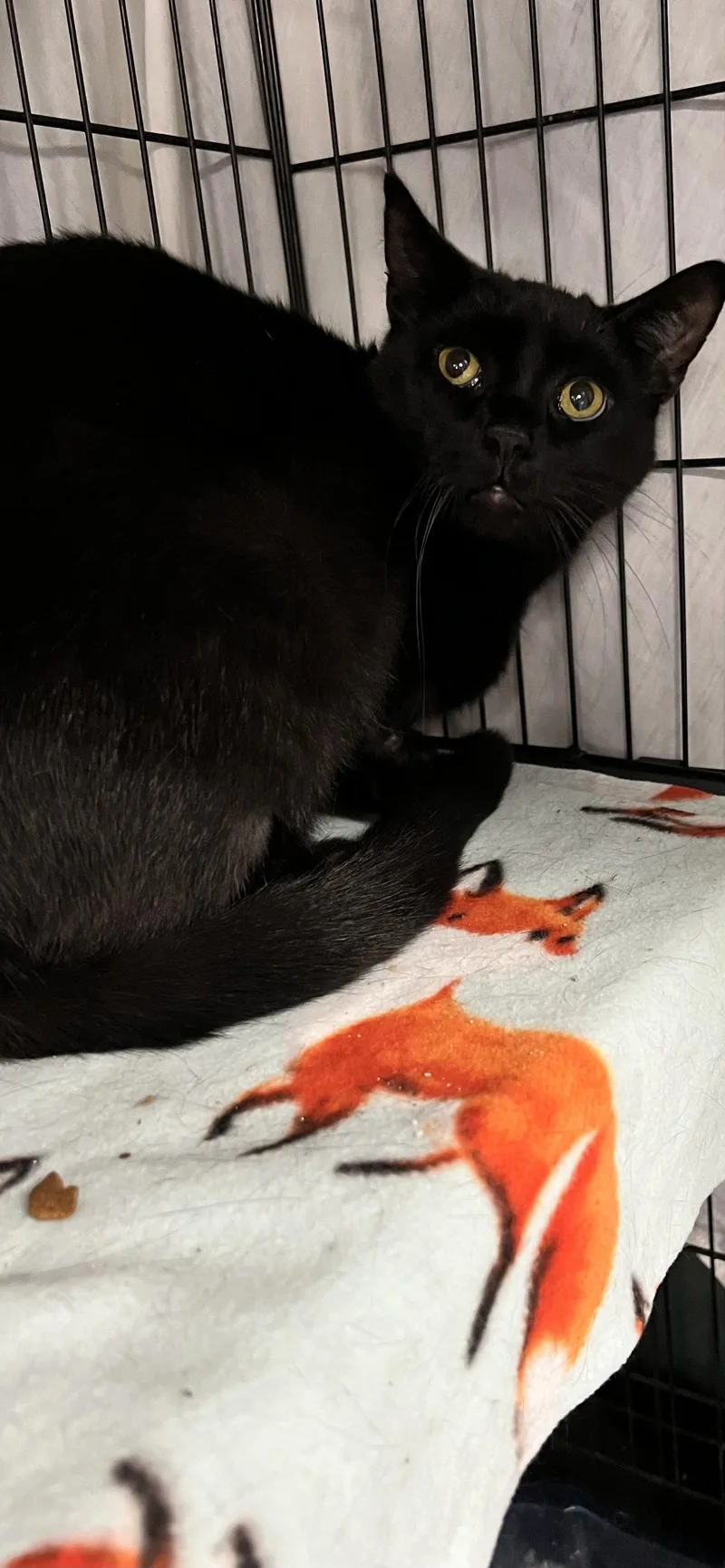
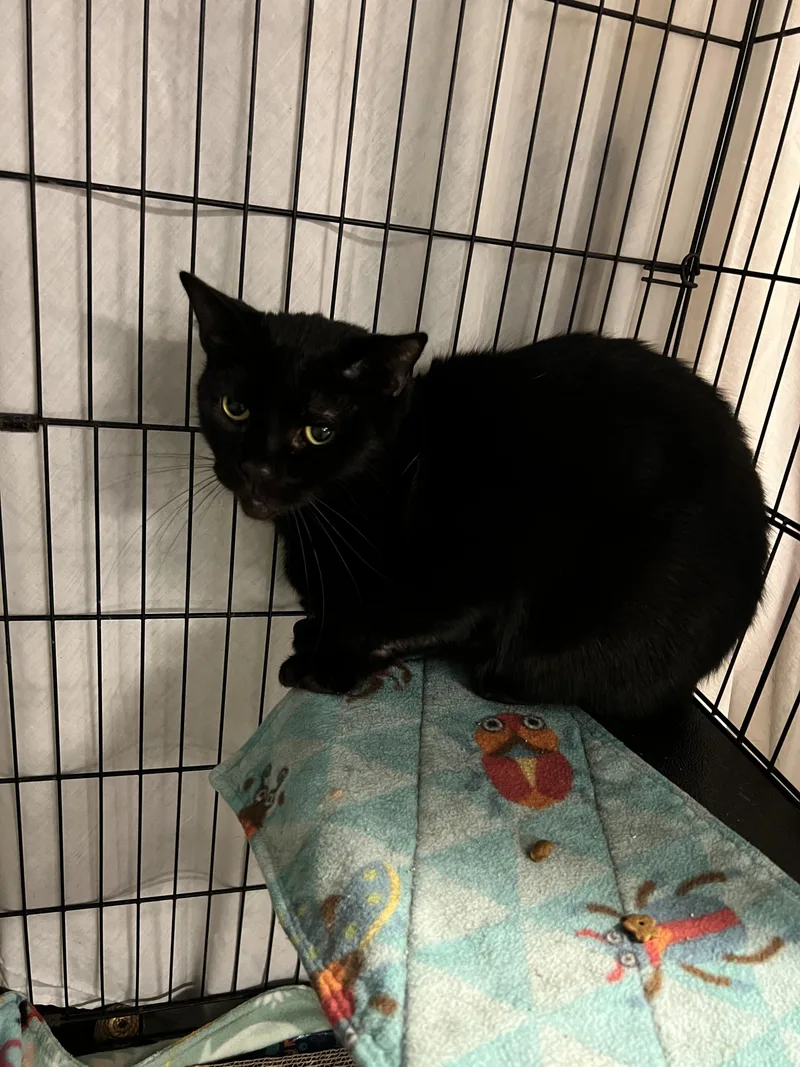
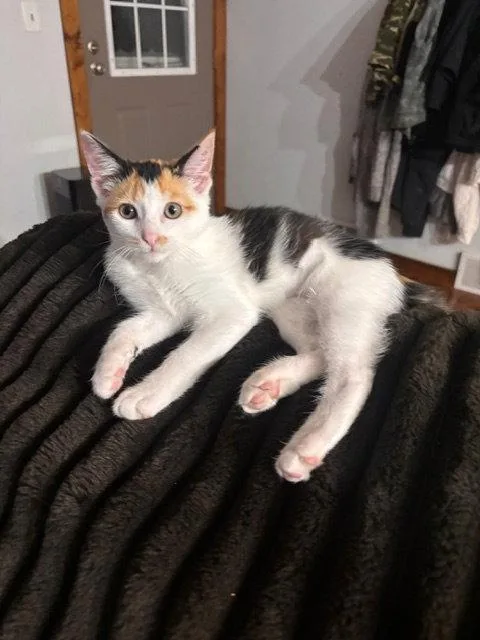
Domestic Short Hair Cats for Adoption in Holland, MI

Your guide to finding and caring for a Domestic Short Hair in Holland

A Domestic Short Hair fits Holland's older homes and apartments well. In the Historic Neighborhood, a cat can claim a sunny window in a century-old house and watch the block go by. Near Hope College, an apartment with a porch view gives a curious cat plenty to study. These cats vary a lot, so you can find a lap-sitter or a busy climber. Holland winters are long, so a cat who likes a good window perch and indoor play will do best.

27 Domestic Short Hairs available for adoption in Holland

Find your Domestic Short Hair

Domestic Short Hairs Available for Adoption in Holland

About the Domestic Short Hair breed

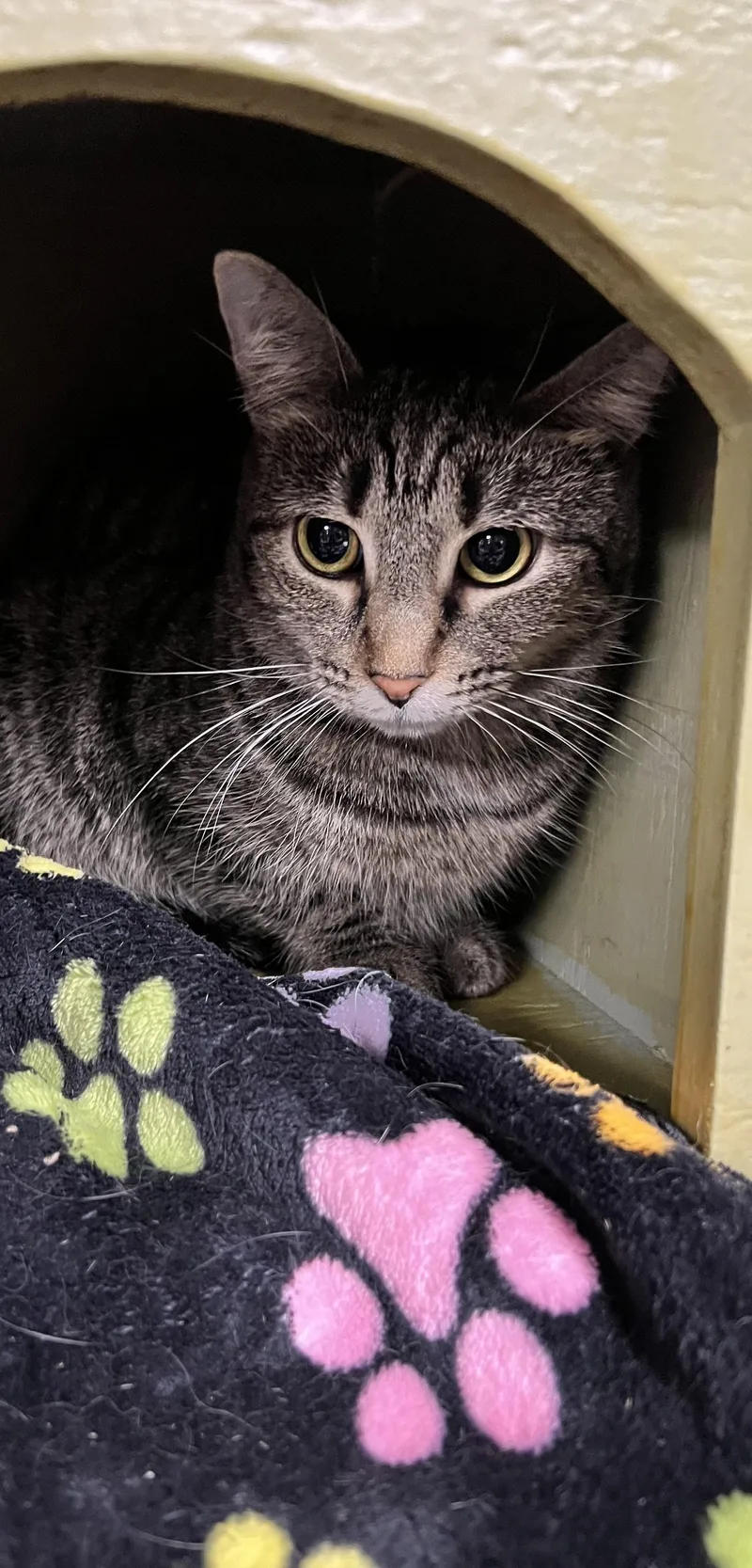
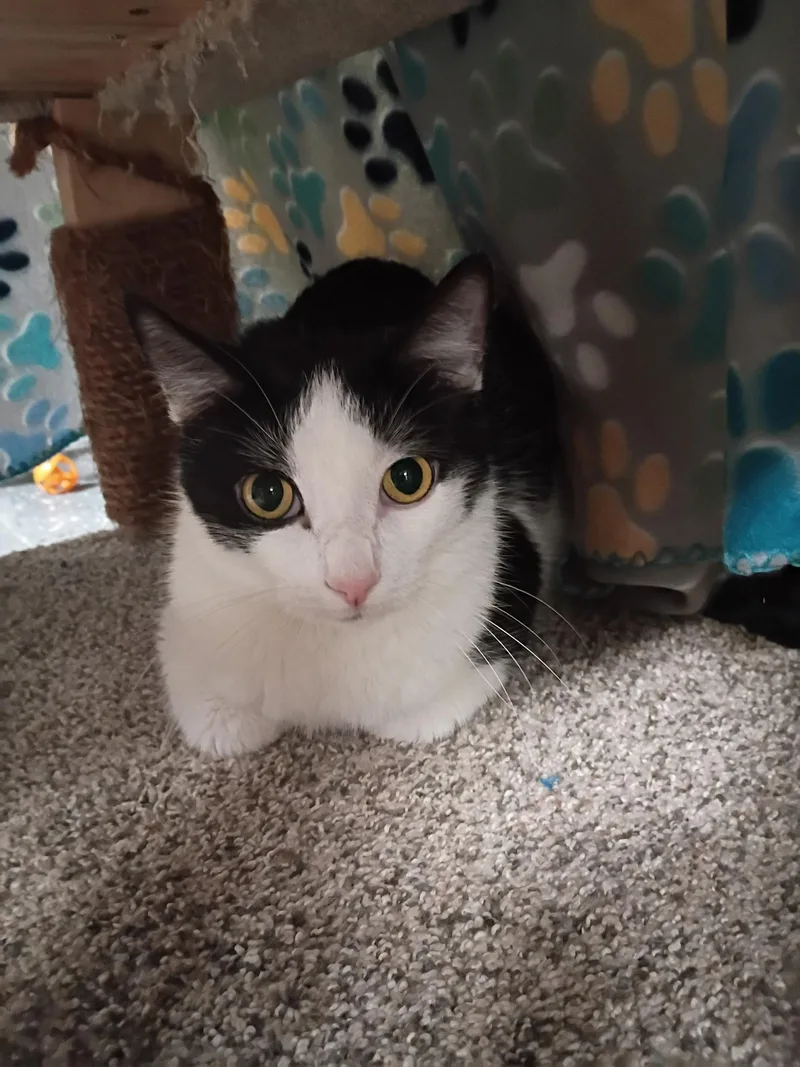
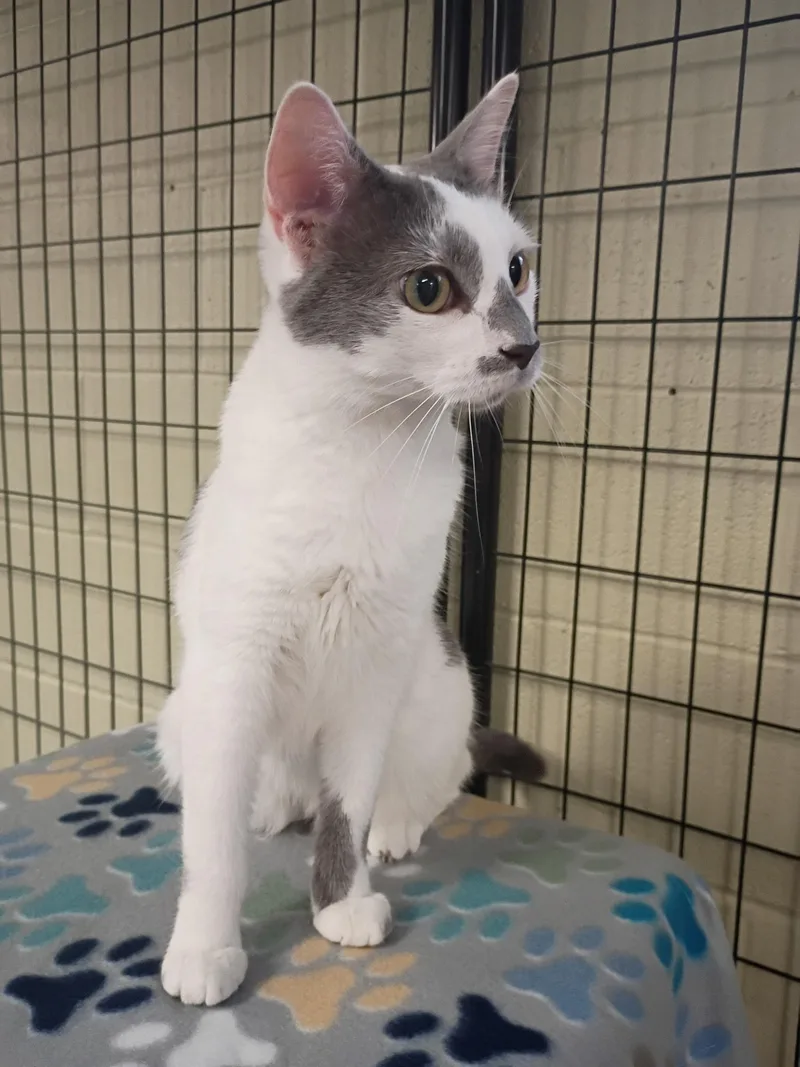
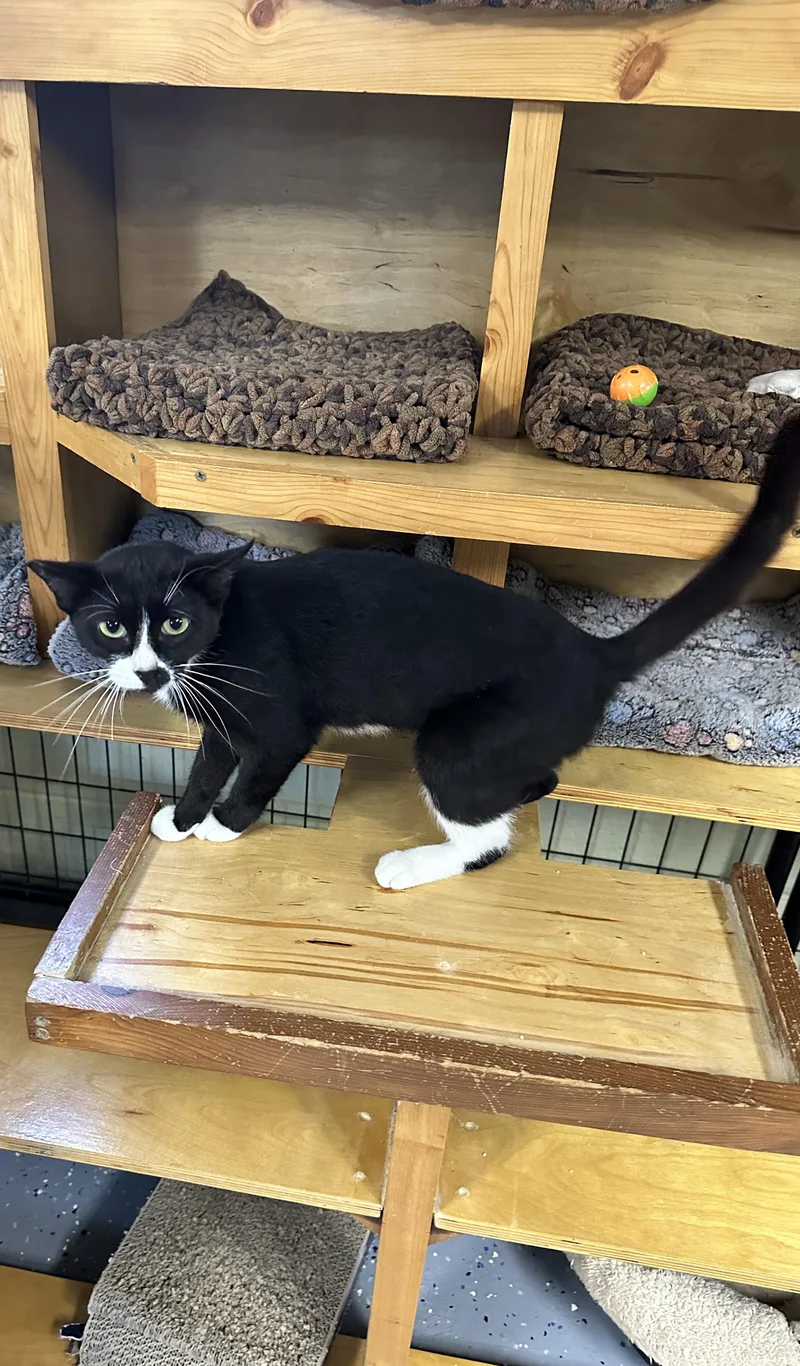
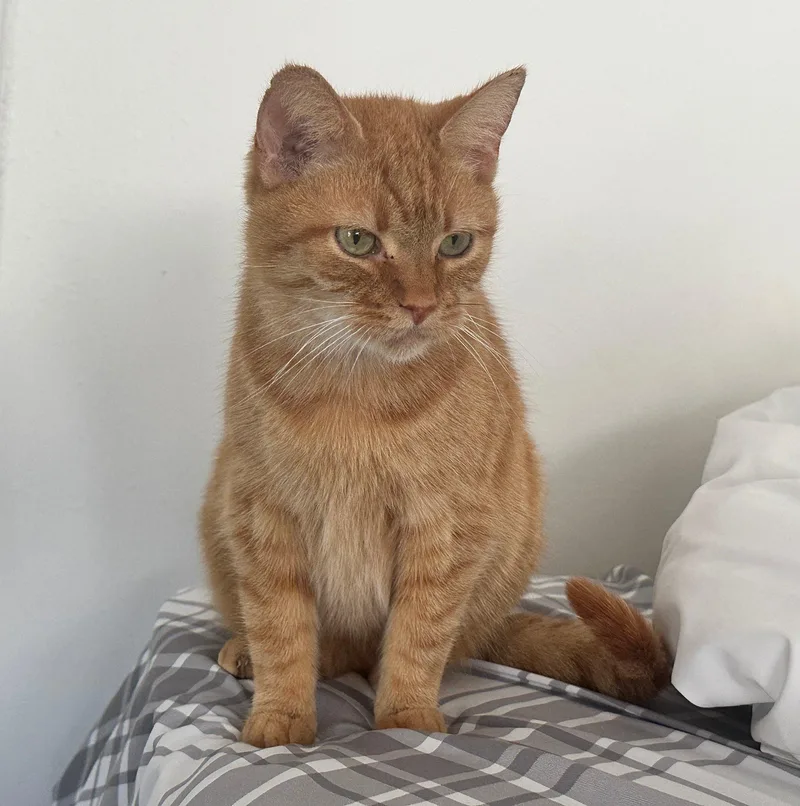
Domestic Short Hair describes a coat type, not a pedigreed breed. These are short-coated cats of mixed or unknown ancestry, and they're the most common cats in American homes. You'll often see DSH on adoption records. They come in every color and pattern, from tabby and tuxedo to calico and solid black, and most are medium-sized at roughly 6 to 14 pounds.

Personality is wide open. Some DSH cats are lap-seekers, some are talkative, and some prefer watching from a perch. In Holland, where winter keeps cats inside for months, the best match is a cat whose energy and sociability fit your household, so pay attention to each cat's age and behavior. The short coat needs only a weekly brush, and moderate shedding is typical.

Weight
6–14 lbs
Height
8–10 in
Lifespan
12–18 yrs
Temperament
Adaptable, Curious, Affectionate
Shedding
Moderate

Owning a Domestic Short Hair in Holland

Having a Domestic Short Hair in Holland

A DSH cat's coat is easy to care for, but almost everything else varies. In Holland, the useful questions are how much play a cat wants, how well it handles a quiet apartment, and whether it enjoys a window view through long winters.

Temperament

DSH cats range from outgoing lap cats to shy observers, and coat type alone doesn't predict which you'll get. Many adapt well to new homes, other cats and calm dogs after slow introductions. In a busy Holland household, watch how a cat reacts to noise and handling, and give a shy cat a quiet room to start.

Exercise Needs

Plan on daily interactive play, since Holland winters keep most cats inside. Wand toys, food puzzles and chase games burn energy, and kittens may want several bursts a day. Cat trees and window perches add stimulation. Some cats enjoy harness walks in milder months, though many prefer a secure catio or screened porch.

Health Considerations

DSH cats commonly face obesity, dental disease and urinary problems, and older cats may develop kidney disease, hyperthyroidism or diabetes. Long indoor winters can encourage weight gain, so measure meals and keep play regular. Ottawa County is a known Lyme-risk area, so any cat with outdoor access needs tick prevention. A veterinarian can check weight and teeth early.

Living Space

DSH cats do well in Holland's apartments, lofts and single-family homes alike. Vertical space, hiding spots, scratching posts and a clean litter box matter more than square footage. Keep cats indoors or in a secure enclosure, and put screens on windows and balcony doors, especially once the weather warms and windows open.

What it costs to own a Domestic Short Hair in Holland

ExpenseTypical costPer year
Adoption fee$75 to $100, one time$75 to $100 in year one
Food$25 to $50 per month$300 to $600
Pet insurance$20 to $45 per month$240 to $540
Routine vet care$150 to $350 per year$150 to $350
Other*$450 to $1,150 per year$450 to $1,150
Estimated yearly total (after year one)$1,140 to $2,640
First-year total (with adoption fee)$1,215 to $2,740

Adoption fee is the range of fees on Domestic Short Hair listings in Holland on GetBuddy today. Other costs are estimates and vary with size, age and health.

* Litter, flea and tick prevention, a dental cleaning allowance, toys, scratchers and other supplies, and minimal home grooming.

Adopt a Domestic Short Hair in Holland.

Now that you know more, let’s find you a new best friend. These rescues and shelters below currently have Domestic Short Hairs available.

Rescues in Holland with Domestic Short Hairs Available

Holland-area shelters and rescues take in plenty of short-haired cats and kittens, and the groups below show who's looking for a home. Here are the rescues & shelters in the Holland area where you can find Domestic Short Hairs and other cats available for adoption.

Frequently Asked Questions

Yes, you can get a Domestic Short Hair in Holland. No known city rules limit them, since the term describes a coat type rather than a breed. Ottawa County offers an optional $10 cat license, and renters should confirm the lease allows pets first. Watch the listings on this page, and consider saving a search to hear about new cats.

Yes, a Domestic Short Hair can live happily in a Holland apartment. About a third of the city's households rent, so get pet permission in writing and ask about pet fees. Give the cat a window perch, a tall scratching post and daily play, and keep screens on windows and balcony doors.

Yes, most Domestic Short Hairs handle Holland winters well as indoor cats. Freezing nights come on roughly 120 to 130 days a year, so keep the cat inside with a warm bed away from drafts. Add a sunny window perch and extra play sessions for the cabin-bound months, and watch weight, since indoor cats gain easily.

A Domestic Short Hair can fit Holland well if you're home for regular play. Older homes and walkable neighborhoods offer plenty of window views, and cats don't need dog-park trips. Since personalities vary, look for a cat whose energy and sociability match your routine, whether that's a quiet senior or a playful kitten.

Yes, but only in a suitable crate or carrier. MAX, Holland's bus system, prohibits animals other than ADA service animals unless they're crated or carried. Holland has no subway or rail transit. A sturdy carrier lined with a towel keeps a nervous cat calmer, and checking current fares with MAX before you ride saves surprises.

Very little. A weekly brush handles most Domestic Short Hairs in Holland, with a few sessions a week during spring shedding. Dry winter air can add dander, so regular brushing keeps the coat comfortable. Most cats don't need professional grooming, so any cost stays at the low end of the Other line. Trim nails every few weeks.

Probably not. Michigan's Food Law bars pet animals from food-service premises, including outdoor dining areas, unless a local health department grants a variance, and patio access depends on each restaurant. Most cats are also happier at home than in a busy dining space. Leave your Domestic Short Hair home, and use a carrier for any trip.

Domestic shorthair cats typically live about 12 to 18 years, and many indoor cats reach their late teens or early twenties. Large UK veterinary studies have found mixed-breed cats tend to live slightly longer than pedigreed cats on average. Spaying or neutering, indoor living, a healthy weight, dental care and regular checkups all help a cat enjoy a longer life.

We have 4 rescues with Domestic Short Hairs available, including Kittens In The Mitten, BestPals Animal Rescue Center and Headin' Home Pet Rescue, Inc.. You can see every rescue with Domestic Short Hairs available in the list above these questions, or scroll to the top to see the Domestic Short Hairs in Holland.

A DSH cat in Holland typically costs about $25 to $50 a month for food, $20 to $45 for insurance, $150 to $350 a year for routine vet care, and $450 to $1,150 a year for other costs. Together that's roughly $1,140 to $2,640 a year, before any emergencies or illness.

Explore Other Breeds in Holland

Looking for a different breed? Browse other cats available for adoption in Holland.