Devon Rex Cats for Adoption in New Orleans, LA

Your guide to finding and caring for a Devon Rex in NOLA

Devon Rexes suit a New Orleans shotgun double better than you might expect. They're small, they climb everything, and they'll happily claim a front-window perch to watch Freret Street go by. Their thin coat doesn't handle chill well, so a cat that seeks out the warmest spot in the house is right at home in a Mid-City rental. If someone's around most days, a Devon will follow you from room to room, perch on your shoulder and supervise dinner.

17 cats similar to Devon Rex available in New Orleans and nationwide

Find your forever Devon Rex

While we don't have enough cats near New Orleans, keep in mind that many rescues may offer transport.

Devon Rexes and Similar Breeds Available for Adoption Near New Orleans

About the Devon Rex breed

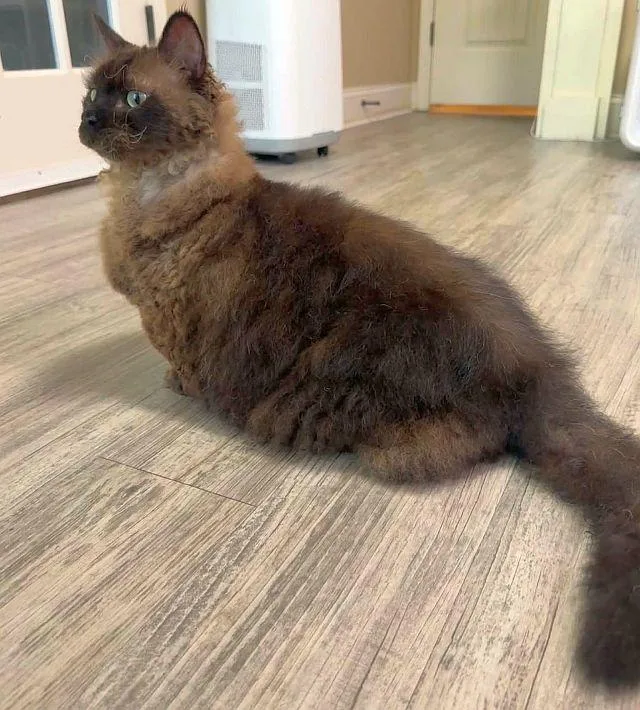
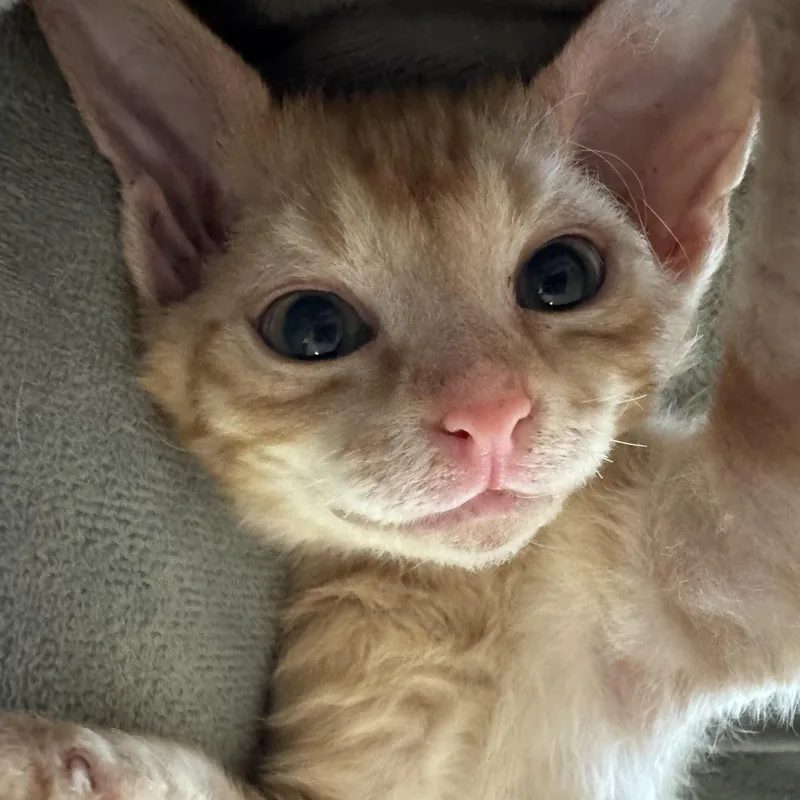
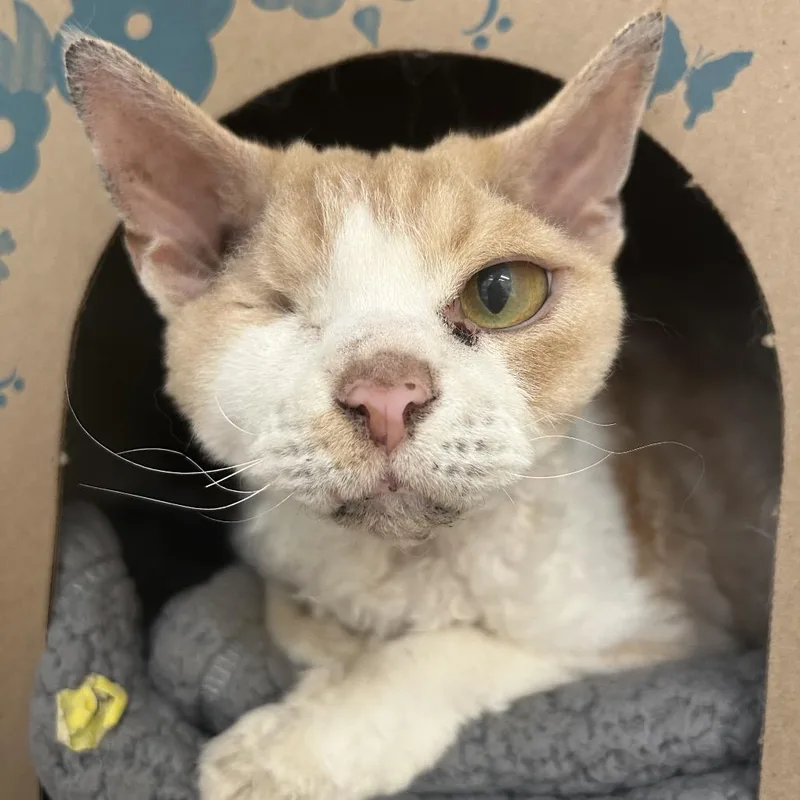
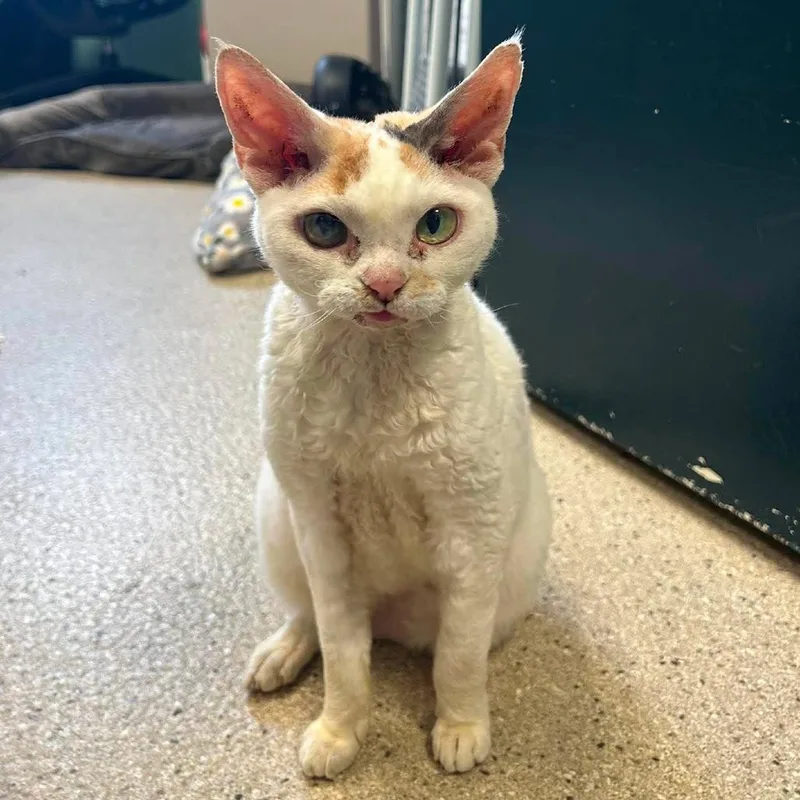
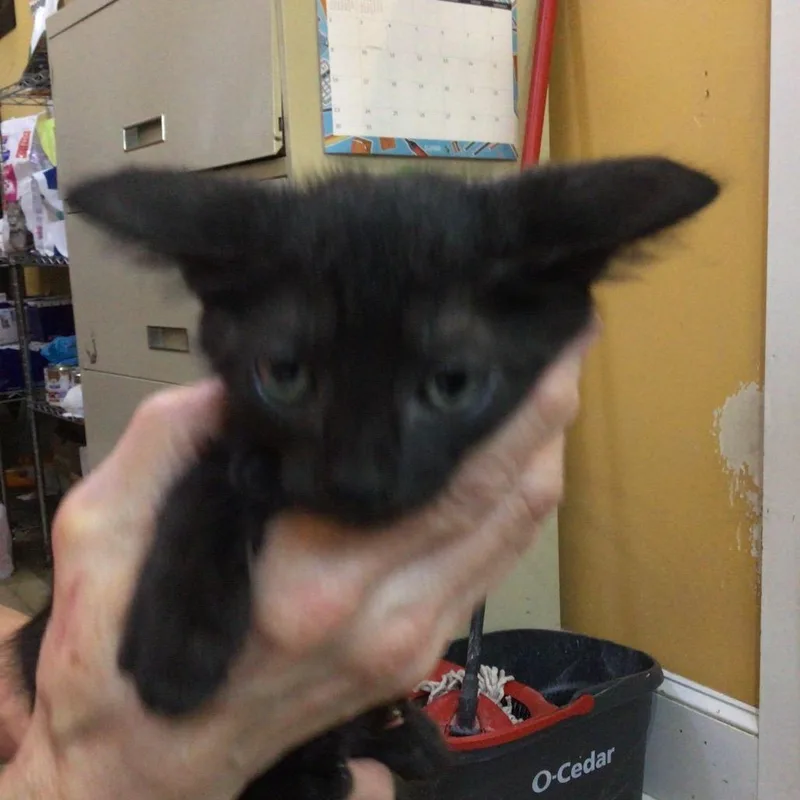
With oversized ears, huge eyes and a short, rippling coat, the Devon Rex looks a little like an elf. The breed began around 1960 in Devon, England, with a curly-coated kitten named Kirlee, and its wavy fur comes from a different gene than the Cornish Rex's. The coat is soft and sparse, and the whiskers are often short and crinkled.

Devons are playful, people-focused cats that follow their owners around and join in whatever's happening. Many are food-motivated and easy to teach tricks. They shed less than most cats but aren't hypoallergenic, and the thin coat means oily skin, waxy ears and a love of warm laps. In New Orleans, that makes them indoor cats with a cool, cozy home and plenty of company.

Weight
5–10 lbs
Height
10–12 in
Lifespan
9–15 yrs
Temperament
Playful, Affectionate, Curious
Shedding
Low

Owning a Devon Rex in New Orleans

Having a Devon Rex in NOLA

Devon Rexes pair high energy with a delicate coat and a few breed-linked health concerns. In New Orleans, the main considerations are keeping a thin-coated cat comfortable through hot summers and planning ahead for hurricane season and power outages.

Temperament

Devons are typically outgoing, clownish and closely bonded to their people, and many get along with respectful children and cat-friendly dogs. They tend to be unhappy alone all day, so a household with someone home, or a second cat, suits them. Personalities vary, so meeting a particular cat tells you more than the breed's reputation.

Exercise Needs

Expect daily play: wand toys, puzzle feeders and tall cat trees keep a Devon busy, and many learn to fetch. Since cats here are safest indoors, a window perch overlooking the street or a shaded, secure catio provides stimulation. Regular play also helps keep these food-loving cats at a healthy weight.

Health Considerations

Devons can carry a hereditary muscle disorder that shows up in kittenhood, and a DNA test exists for it. Heart disease, kneecap problems and skin yeast infections are also reported. Warm, humid weather can make skin and ear trouble more likely, so watch for greasy fur, itching or dark wax, and keep up regular vet checkups.

Living Space

A Devon fits a small apartment or a shotgun double as long as it has vertical space, toys and company. Cooled indoor air keeps it comfortable in summer, and a heated pad or sunny window perch helps through winter. Keep window screens secure, since these agile climbers can slip out.

What it costs to own a Devon Rex in New Orleans

ExpenseTypical costPer year
Food$20 to $40 per month$240 to $480
Pet insurance$25 to $50 per month$300 to $600
Routine vet care$150 to $350 per year$150 to $350
Other*$510 to $1,360 per year$510 to $1,360
Estimated yearly total (after year one)$1,200 to $2,790

Other costs are estimates and vary with size, age and health.

* The $10 City license for a spayed or neutered cat, flea prevention, a dental cleaning allowance, litter, toys and bedding, and ear cleaning, baths and warm bedding for a thin-coated cat.

Adopt a Devon Rex in New Orleans.

Now that you know more, let’s find you a new best friend. These rescues and shelters below have cats available in and near New Orleans.

Frequently Asked Questions

Yes. No breed-specific rules for cats are known in New Orleans. Your cat needs a City license tag from a veterinarian, which requires a current rabies vaccination, and state law requires that vaccine after 3 months of age. Devon Rexes are uncommon, so watch the listings on this page, save a search, or browse similar breeds and nearby cities.

Yes, indoors with air conditioning. Summers here reach about 90°F with heavy humidity, and a Devon's thin coat doesn't shield it from heat or sun. Keep the house cool, offer fresh water and cool floor spots, and skip outdoor time. If the power goes out, move the cat to the coolest room and watch for panting or drooling.

Yes, a Devon Rex does well in an apartment, shotgun double or condo if it has climbing space and company. Because it's an indoor cat, secure window screens matter more than square footage. Read the lease for pet terms and deposit conditions, and keep the unit cool in summer, since a thin-coated cat leans on air conditioning.

Only in a carrier. RTA buses and streetcars allow pets only in a small carrier that fits on your lap, which works for a Devon Rex at 5 to 10 pounds. Service animals are the exception. The ferries' pet rules aren't spelled out, so check current RTA rules before boarding one.

Very little brushing, but regular skin and ear care. Humidity can leave a Devon's skin oily and its ears waxy, so expect occasional baths and ear cleaning with a vet-approved solution, which fall under the Other line in the cost table. Skip hard brushing, since it breaks the fragile hair. A soft cloth or gentle hand-stroking works.

It can be, for households that are home often and keep the cat indoors. Devons crave company and warmth, which suits a cooled shotgun home with a window perch. The catch is planning: hurricane season and outages call for a carrier, vaccination records, microchip registration and a pet-friendly place to go.

No, Devon Rex cats are not hypoallergenic, and the CFA cat registry says so directly. They shed less than most cats, but the main cat allergen comes from saliva and skin glands, not hair alone. Some people with mild allergies find Devons easier to live with, but spending extended time with a specific cat before adopting is the safest approach.

A Devon Rex is a small, slender cat breed from England with a short, wavy, soft coat, very large ears and big eyes. It developed from a curly-coated kitten found in Devon around 1960. Devons are known for playful, people-loving personalities and are often described as acting more like dogs or monkeys than typical aloof cats.

Yes, Devon Rex cats shed, but much less than most cats. Their coat is short and sparse, with fewer guard hairs, so loose hair is less noticeable around the home. Some Devons go through thinner phases, particularly as kittens. Bald patches with redness, scabs or itching are not normal shedding and should be checked by a veterinarian.

Expect roughly $1,200 to $2,800 a year, or about $100 to $230 a month, for a Devon Rex in New Orleans. That covers food at $20 to $40 a month, insurance at $25 to $50 a month, routine vet care at $150 to $350 a year and $510 to $1,360 in other yearly costs. Emergencies and illness are extra.