Chartreux Cats for Adoption in New Orleans, LA

Your guide to finding and caring for a Chartreux in NOLA

A Chartreux suits a Mid-City shotgun house or a converted Warehouse District condo better than you might expect. These quiet blue cats are happy with a window perch and a wand toy, and a long, narrow floor plan gives them room for a sprint down the hall. They chirp more than they meow, so shared walls and close neighbors rarely cause trouble. Chartreux are uncommon, but most want a calm home with steady routines.

16 Chartreuxes available in New Orleans and nationwide

Say hello to your Chartreux

While we don't have enough cats near New Orleans, keep in mind that many rescues may offer transport.

Chartreuxes Available for Adoption Near New Orleans

About the Chartreux breed

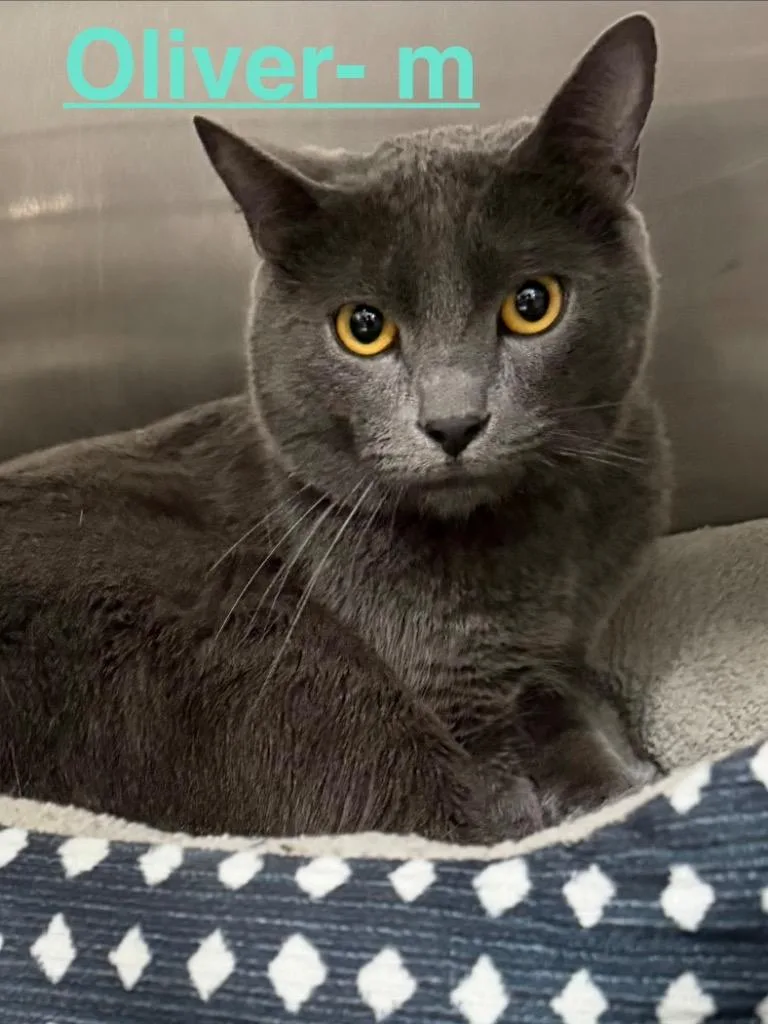
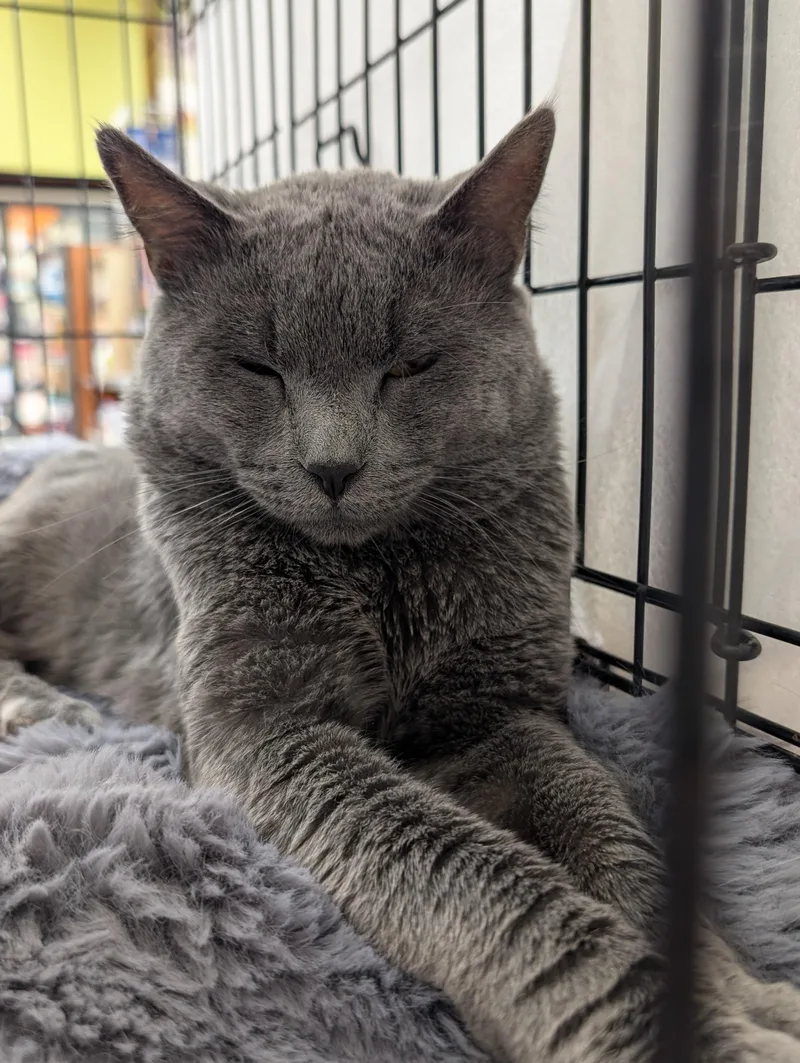
The Chartreux is a French breed with a dense, woolly, water-resistant blue-gray coat, gold to copper eyes and a sturdy, muscular build on fairly short legs. Its tapered muzzle gives it a faint smile. The breed was rebuilt in the 1920s from natural colonies of blue cats after nearly disappearing, and it is still uncommon in the US.

Many Chartreux are calm, gentle and quietly devoted, often following a favorite person from room to room. They tend to chirp softly and play in short bursts, with a strong taste for hunting toys. In New Orleans, expect a thick coat that sheds seasonally, a cat that needs measured meals and play to stay lean, and slow maturity, since Chartreux can take years to fill out.

Weight
7–14 lbs
Height
9–11 in
Lifespan
12–15 yrs
Temperament
Quiet, Loyal, Calm, Gentle
Shedding
Moderate

Owning a Chartreux in New Orleans

Having a Chartreux in NOLA

In New Orleans, a Chartreux's dense coat, quiet nature and love of hunting play meet a hot, humid climate and older, often compact housing. Indoor living, cool resting spots and a regular play routine suit this breed here.

Temperament

Chartreux are often calm, gentle and loyal, and some pick one favorite person to follow around. That steady manner suits a quiet shotgun house or apartment, and the breed's soft voice rarely bothers neighbors. Many watch newcomers before engaging, so give visitors and other pets time. Each cat's own comfort level matters more than breed averages.

Exercise Needs

Chartreux play in short, intense bursts, so a few sessions a day with a wand, feather or toy mouse usually cover it. Food puzzles add mental work. In humid New Orleans summers, indoor play keeps a cat active without heat stress, and a cat tree by a window gives hunting instincts a place to land.

Health Considerations

Patellar luxation, a kneecap that slips out of place, is documented in the breed, and weight gain and dental disease are common concerns. Measured meals and regular play help keep a Chartreux lean. Year-round parasite prevention makes sense in New Orleans's warm climate, and a veterinarian can check the knees and teeth at a first visit.

Living Space

A Chartreux adapts well to apartments and houses alike, which fits New Orleans's mix of shotgun doubles, converted warehouse condos and raised bungalows. Keep the cat indoors, since coyotes live in the city and alligators turn up in some waterways. Add a cat tree, a window perch and a steady routine.

What it costs to own a Chartreux in New Orleans

ExpenseTypical costPer year
Food$25 to $50 per month$300 to $600
Pet insurance$25 to $50 per month$300 to $600
Routine vet care$150 to $350 per year$150 to $350
Other*$450 to $1,150 per year$450 to $1,150
Estimated yearly total (after year one)$1,200 to $2,700

Other costs are estimates and vary with size, age and health.

* Litter, parasite prevention, a dental cleaning allowance, toys and scratchers, and brushing supplies for seasonal shedding of the dense coat.

Adopt a Chartreux in New Orleans.

Now that you know more, let’s find you a new best friend. These rescues and shelters below have cats available in and near New Orleans.

Frequently Asked Questions

Yes, you can own a Chartreux in New Orleans, and no known breed-specific rule applies to cats. The usual requirements are a rabies vaccine and the annual city license tag, both handled through a veterinarian. Since Chartreux are uncommon, watch the listings on this page, try similar breeds or nearby cities, and save a search to hear about new cats.

Yes, a Chartreux usually does well in an apartment in NOLA. The breed is quiet, chirps more than it meows, and is content with a cat tree and window perch, which suits older buildings with shared walls, such as shotgun doubles and converted warehouse condos. Add a few daily play sessions with a wand toy, and keep the lease's pet terms in writing.

Yes, a Chartreux can handle a New Orleans summer if it lives indoors with air conditioning. The dense coat holds heat, so the real risk is a power outage after a storm. Keep a cool interior room, fresh water and a battery fan ready, and watch for heavy panting, drooling or weakness, which means an immediate vet visit.

Yes, as long as the Chartreux rides in a carrier that fits on your lap. RTA buses and streetcars allow pets only in small carriers, which works for many adult Chartreux, though a large male near 14 pounds may be a tight fit. Practice carrier time at home first so streetcar rides stay calm.

Yes, a Chartreux is a good fit for New Orleans life if it stays indoors in a cool, calm home. It's quiet, handles apartments and houses, and tolerates some time alone, which suits busy schedules. The trade-offs are heat, a hurricane plan that includes a carrier, and a coat that needs regular brushing. Each cat's personality matters more than the breed.

Plan on brushing a Chartreux about once a week, and several times a week during spring and fall sheds. Brush rather than shave the dense coat, which helps keep the cat comfortable in New Orleans humidity. Professional grooming is rarely needed, and brushing supplies fall within the yearly Other costs of $450 to $1,150 shown on this page.

Yes, Chartreux cats are rare, especially outside France. Relatively few are registered each year in the United States, and they seldom appear in shelters. Many blue-gray shelter cats are domestic shorthairs or mixes rather than Chartreux. Breed rescues and cat rescues occasionally have adult Chartreux available, so watching listings regularly helps.

Chartreux is pronounced shar-TROO in French, and many English speakers say shar-TREW. The name may come from the Carthusian monks of the Grande Chartreuse monastery, though some historians link it to a Spanish wool. Whichever origin is true, the breed's name is tied to its French homeland.

You can identify a Chartreux by its solid blue-gray woolly coat, gold to copper eyes, sturdy muscular body on fairly short legs and a rounded head with a tapered muzzle that looks like a smile. Look-alikes include Russian Blues, which have green eyes and a sleeker coat, and British Shorthairs, which are rounder. Pedigree papers confirm a purebred.

Expect roughly $1,200 to $2,700 a year for a Chartreux in New Orleans. Food runs about $25 to $50 a month, pet insurance $25 to $50 a month, routine vet care $150 to $350 a year, and other costs such as litter, parasite prevention and dental care $450 to $1,150 a year. Costs vary with each cat's health and needs.