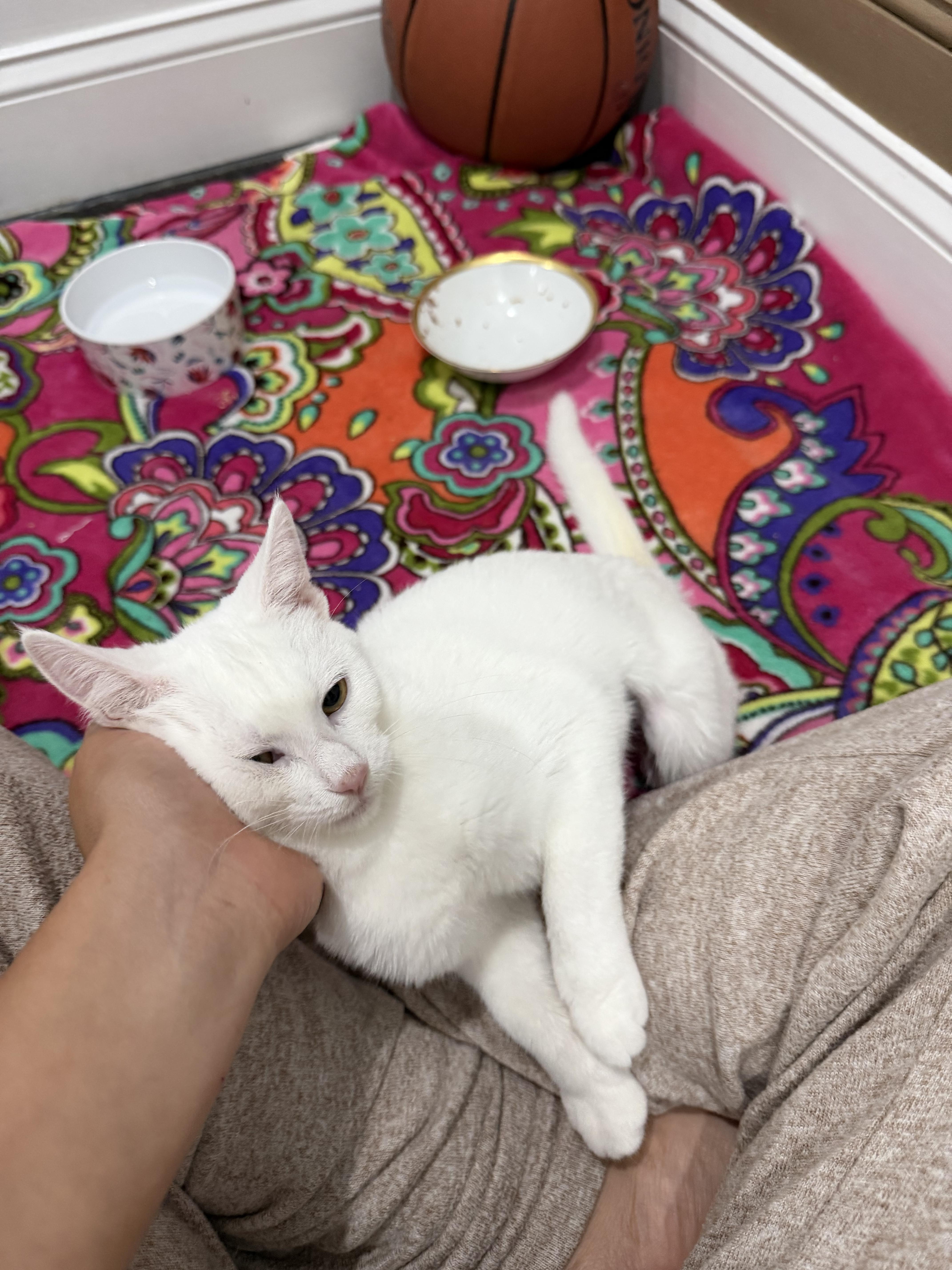
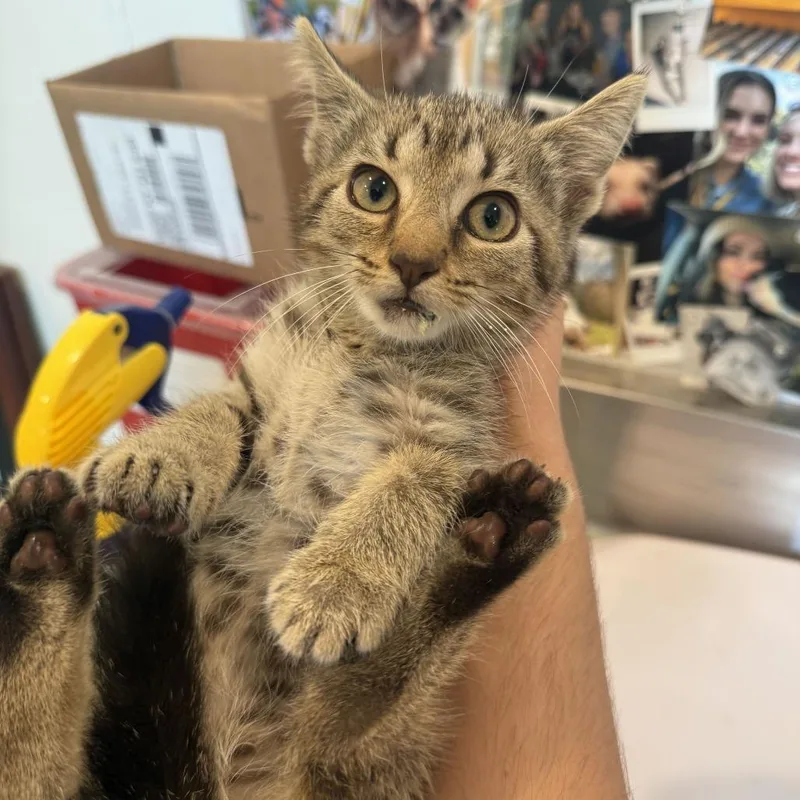
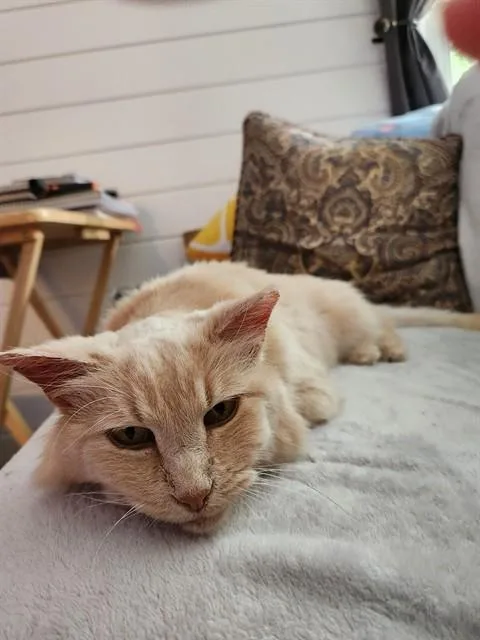
Turkish Angora Cats for Adoption in Louisville, KY

Your guide to finding and caring for a Turkish Angora in Louisville

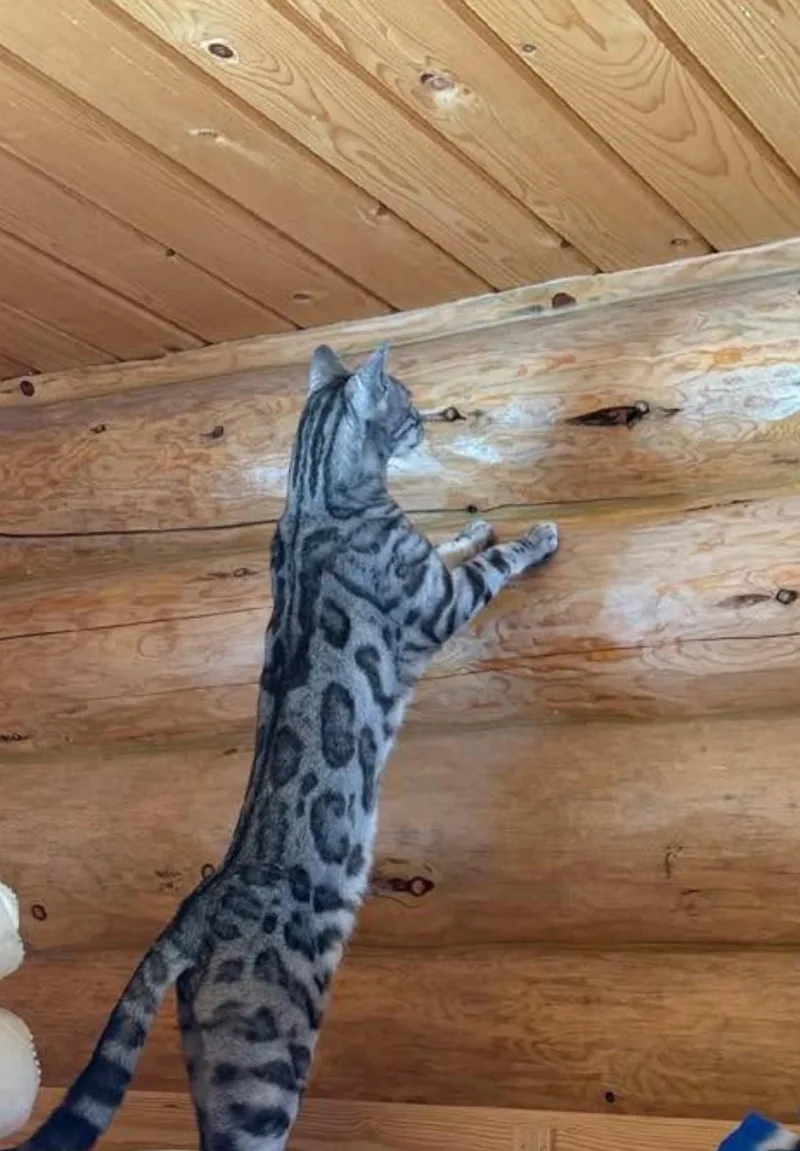
A Turkish Angora suits a Louisville apartment well, provided it has something tall to climb. In Old Louisville, where many brick Victorian mansions have been split into apartments, a cat tree by a front window gives an Angora a perch and a street to watch. In Germantown's shotgun houses, the long, narrow rooms are good for chasing a wand toy. These cats are busy, clever and attached to their people, so plan on daily play and a household where someone's around for much of the day.

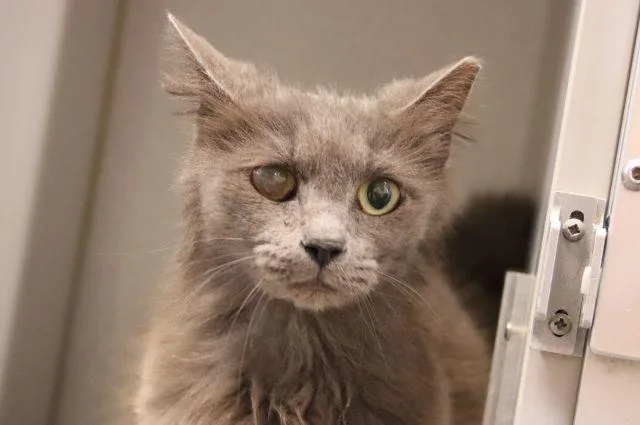
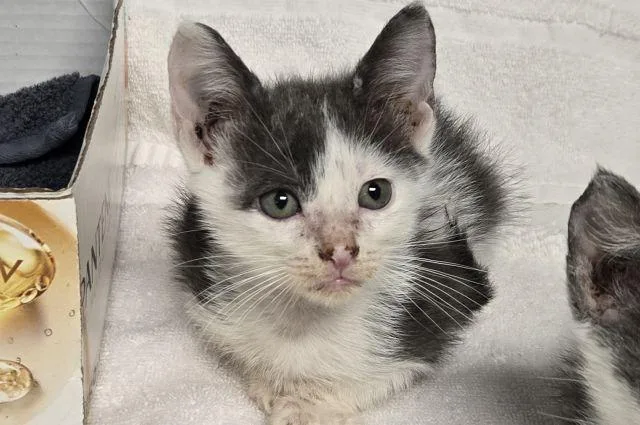
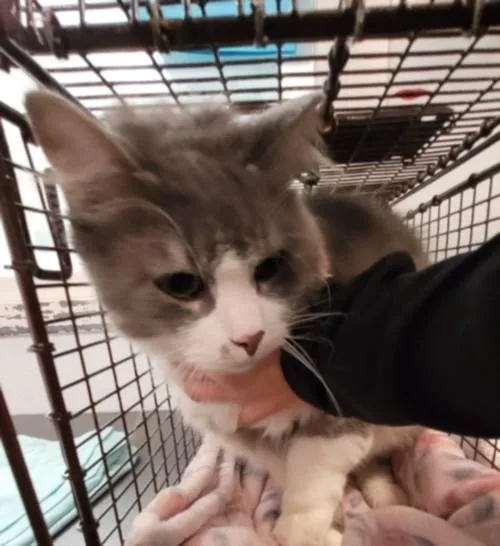
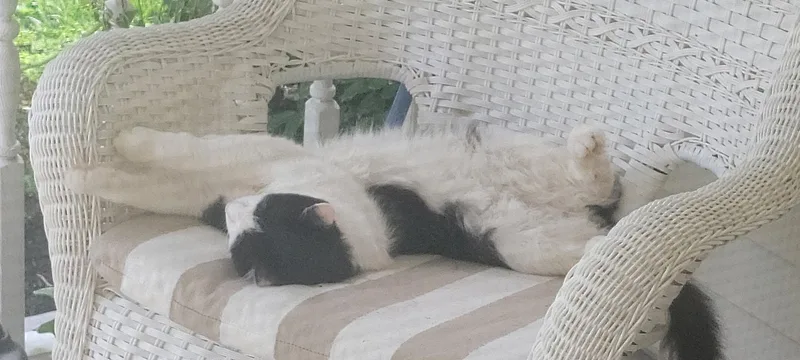
55 Turkish Angoras available in Louisville and nationwide

Your Turkish Angora is waiting

While we don't have enough cats near Louisville, keep in mind that many rescues may offer transport.

Turkish Angoras Available for Adoption Near Louisville

About the Turkish Angora breed

The Turkish Angora is one of the oldest documented longhaired breeds, a natural cat from the Ankara region of Turkey that reached Europe by the 1600s. Crossing with Persians nearly erased the original type in the West, and white cats kept at the Ankara Zoo helped carry it forward. Today Angoras come in nearly every color, with a fine-boned body, large upright ears and a plumed tail.

The silky single coat has no undercoat and resists matting, so combing a couple of times a week is usually enough, with more during spring shedding. Angoras tend to be athletic and clever, follow their person from room to room and claim the highest perch. Some bond mostly with one person. In Louisville, that means a tall cat tree and a few play sessions a day matter more than a big floor plan.

Weight
6–12 lbs
Height
9–11 in
Lifespan
12–16 yrs
Temperament
Active, Affectionate, Intelligent, Playful
Shedding
Moderate

Owning a Turkish Angora in Louisville

Having a Turkish Angora in Louisville

Angoras combine an elegant look with a busy mind. Daily play, a tall place to climb, hearing checks for white cats and light coat care shape life with one, whether in a Louisville apartment or a house.

Temperament

Many Turkish Angoras are sociable, chatty in their own way and strongly attached to one favorite person. They often dislike sudden changes, so a steady routine helps in a busy Louisville household. Some do well with calm dogs and respectful children after slow introductions, but each cat's personality matters more than breed expectations.

Exercise Needs

Plan on several active play sessions a day with wand toys, fetch and food puzzles. Louisville's cold winter days and hot, humid summers make indoor play the main outlet, so a tall cat tree, window perches and rotating toys help keep a clever Angora from inventing its own mischief.

Health Considerations

Turkish Angoras are generally healthy, but white cats, especially blue-eyed or odd-eyed ones, have a higher chance of congenital deafness. Hypertrophic cardiomyopathy, a heart disease, has been reported in adults. A veterinarian can check hearing and heart health, and regular checkups, dental care and weight monitoring help. Rabies vaccination is required in Louisville.

Living Space

Apartments and houses both work if there are cat trees, shelves and windows to watch from. Vertical space matters more than square footage, which suits Louisville's converted Victorian apartments and narrow shotgun houses. Secure windows and balconies, and keep deaf cats strictly indoors. Many Angoras prefer a predictable household with someone home much of the day.

What it costs to own a Turkish Angora in Louisville

ExpenseTypical costPer year
Food$25 to $50 per month$300 to $600
Pet insurance$25 to $50 per month$300 to $600
Routine vet care$150 to $350 per year$150 to $350
Other*$510 to $1,260 per year$510 to $1,260
Estimated yearly total (after year one)$1,260 to $2,810

Other costs are estimates and vary with size, age and health.

* Litter, flea prevention, a dental cleaning allowance, toys and supplies, coat combing, and the $10 Louisville license for a spayed or neutered cat.

Adopt a Turkish Angora in Louisville.

Now that you know more, let’s find you a new best friend. These rescues and shelters below currently have Turkish Angoras available.

Frequently Asked Questions

Yes. Louisville's Metro code has no known breed-specific rules for cats, so a Turkish Angora is treated like any other cat. You'll need a county license for cats four months and older, rabies vaccination and a microchip. The license costs $10 for one year for a spayed or neutered cat, versus $120 a year for an unaltered one.

Yes, Turkish Angoras do well in Louisville apartments when they have vertical space and daily play. Prioritize a tall cat tree, a window perch and secure screens. About 39% of local households rent, so apartments are common, but get the lease's pet terms and fees in writing. A bored Angora left alone all day may get destructive.

Yes, indoors with air conditioning or good airflow. Louisville summers are hot and humid, with about 40 days a year at 90°F or higher and warm nights in July and August. The Angora's single coat is shorter in summer, but keep fresh water available, close blinds on sunny windows and never leave a cat in a parked car.

Plan on combing a couple of times a week, and more often during spring shedding. The silky single coat has no undercoat and resists matting, so it's easier than many longhairs. Home combing costs little, and any occasional professional grooming fits within the $510 to $1,260 a year in the Other cost line.

Louisville's TARC runs buses only, and its code of conduct allows service animals on board. For a pet cat, check TARC's current rules before riding. Either way, use a secure, ventilated carrier and keep it on your lap or at your feet. For vet visits, a car is usually the simplest option.

Often, yes, for people who are home a fair amount and enjoy daily play. Louisville's mix of apartments and older houses suits an indoor Angora with a cat tree, and its seasons are easy to manage indoors. Expect a clever, attached cat that dislikes sudden change, so steady routines work better than frequent long absences.

You can often identify a Turkish Angora by its fine-boned, elegant body, long legs, large upright ears set high on a wedge-shaped head, almond eyes and a silky single coat ending in a long plumed tail. Many are white, but other colors exist. Looks alone cannot confirm ancestry, so a long-haired rescue cat may resemble the breed without being purebred.

Turkish Angoras commonly live about 12 to 16 years, and some reach their late teens. Estimates vary between sources, with some suggesting a shorter range. Regular veterinary care, a healthy weight, dental care and keeping the cat indoors or safely enclosed help support a long life, though no range predicts an individual cat's future.

We have 1 rescue with Turkish Angoras available: Remy's Reach Animal Rescue, Inc.. You can see every rescue with Turkish Angoras available in the list above these questions, or scroll to the top to see the Turkish Angoras near Louisville.

Plan on roughly $1,260 to $2,810 a year for a Turkish Angora in Louisville. That adds food at $25 to $50 a month, pet insurance at $25 to $50 a month, routine vet care at $150 to $350 a year, and other costs of $510 to $1,260 a year, including litter and the county license.