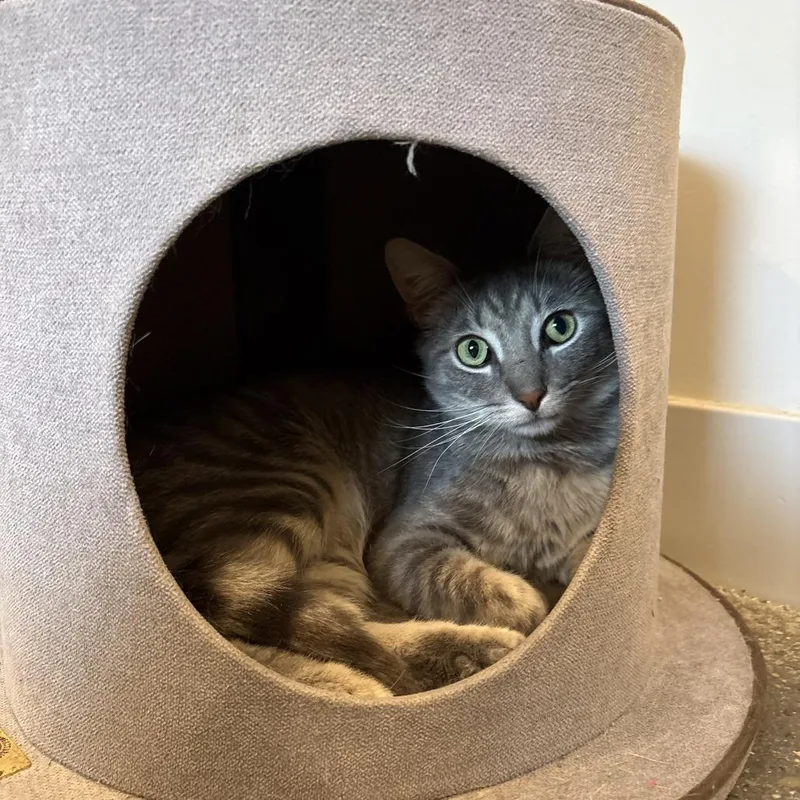
Chartreux Cats for Adoption in Louisville, KY

Your guide to finding and caring for a Chartreux in Louisville

A Chartreux suits the quieter side of Louisville living, from a converted Victorian apartment in Old Louisville to a shotgun house in Germantown. These calm, soft-voiced cats settle into a sunny window and follow their favorite person from room to room, so close neighbors and thin walls rarely cause trouble. They do need short bursts of play every day, since a Chartreux gains weight easily. Think wand toys and a tall cat tree rather than a big yard.

16 Chartreuxes available in Louisville and nationwide

Say hello to your Chartreux

While we don't have enough cats near Louisville, keep in mind that many rescues may offer transport.

Chartreuxes Available for Adoption Near Louisville

About the Chartreux breed

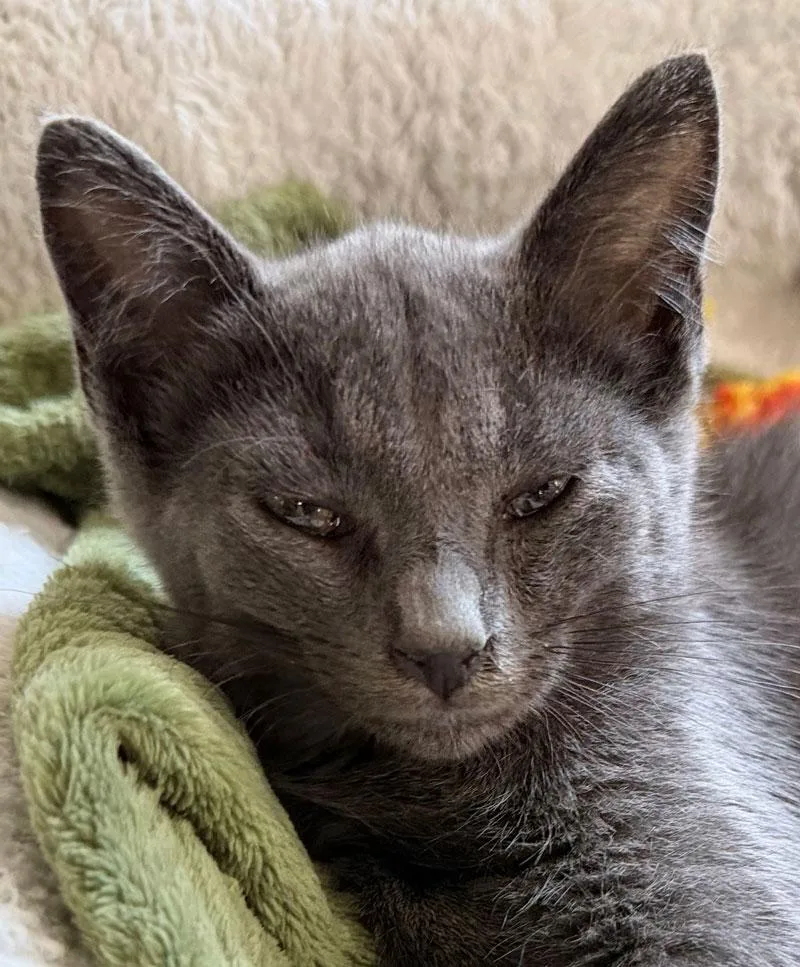
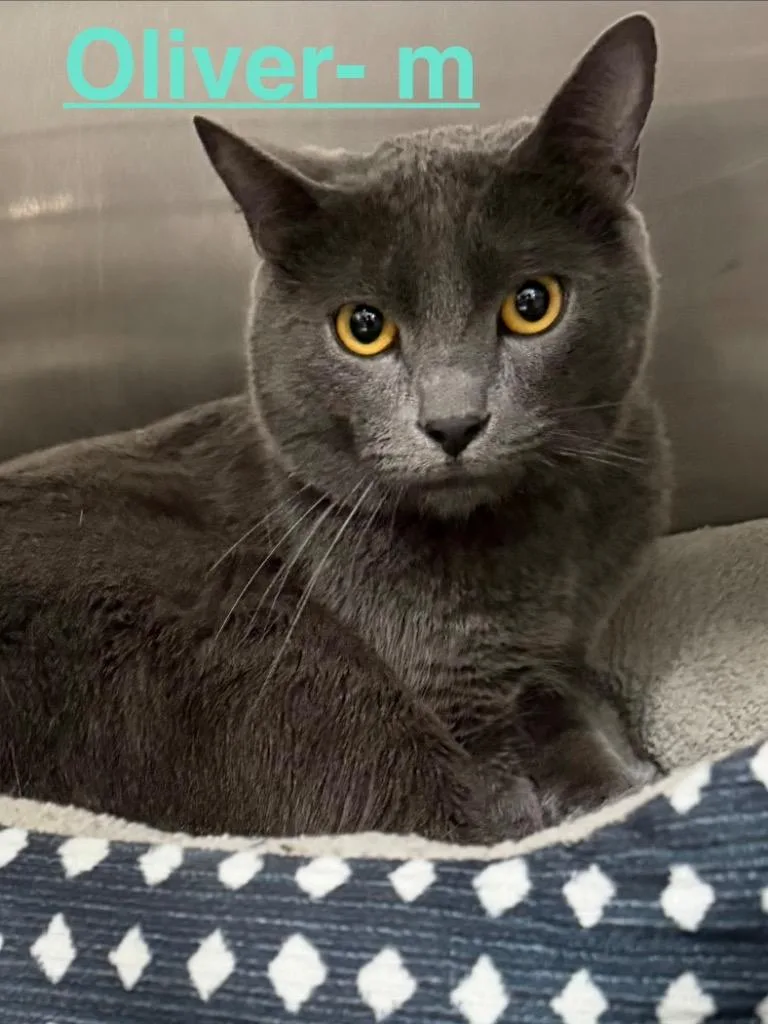
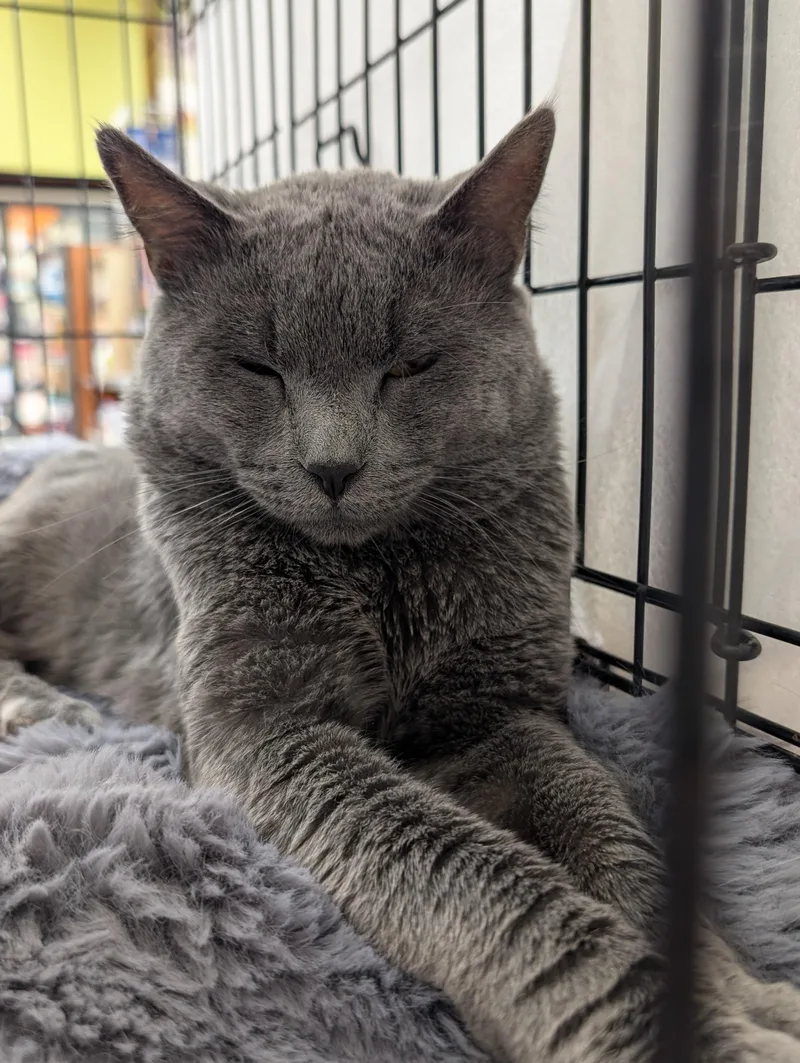
The Chartreux is a French natural breed that grew from blue-gray cats written about in France as far back as the sixteenth century. It nearly disappeared after World War I and was rebuilt in the 1920s from colonies of blue cats living on an island off the French coast. Every Chartreux is blue, with a dense, woolly, water-resistant coat, gold to copper eyes and a sturdy body on fairly short legs.

Many Chartreux are quietly devoted and communicate with chirps rather than meows. They mature slowly, often over three to five years. The thick coat sheds more in spring and fall, so weekly brushing helps, and measured meals plus daily play keep the weight in check. Personalities vary, so spend time with a cat before deciding.

Weight
7–14 lbs
Height
9–11 in
Lifespan
12–15 yrs
Temperament
Quiet, Loyal, Calm, Gentle
Shedding
Moderate

Owning a Chartreux in Louisville

Having a Chartreux in Louisville

A Chartreux pairs a plush blue coat and sturdy build with a calm, low-key presence. Short bursts of play, a tendency to gain weight and a preference for steady routines shape the home that suits this breed.

Temperament

Chartreux are often gentle, loyal and calm, and some pick one favorite person to follow around. Many do well with respectful children and calm pets after gradual introductions. They tend to watch newcomers before engaging. In a Louisville apartment, their soft chirps and quiet manner are an easy match for shared walls.

Exercise Needs

Most Chartreux play in short, intense bursts and then rest. Wand toys, feathers and toy mice suit their hunting instinct, and food puzzles add mental exercise. In Louisville, a window perch with a view of birds and a tall cat tree provide daily activity, and two or three play sessions a day help prevent weight gain.

Health Considerations

Chartreux are generally hardy, but patellar luxation, a kneecap that slips out of place, is documented in the breed. Weight gain and dental disease are also common concerns. Measured meals, regular play and routine veterinary checkups help. A veterinarian can check the kneecaps and teeth soon after adoption.

Living Space

A Chartreux usually adapts well to an apartment or a house, which suits Louisville's mix of Victorian flats, shotgun houses and suburban homes. Indoor living keeps them safe. A cat tree, window perches and a steady routine matter more than square footage, and many handle time alone better than very social breeds.

What it costs to own a Chartreux in Louisville

ExpenseTypical costPer year
Food$25 to $50 per month$300 to $600
Pet insurance$25 to $50 per month$300 to $600
Routine vet care$150 to $350 per year$150 to $350
Other*$460 to $1,160 per year$460 to $1,160
Estimated yearly total (after year one)$1,210 to $2,710

Other costs are estimates and vary with size, age and health.

* Litter, the $10 yearly Louisville cat license for a spayed or neutered cat, parasite prevention, a dental cleaning allowance, toys and scratchers, and brushing supplies for seasonal shedding.

Adopt a Chartreux in Louisville.

Now that you know more, let’s find you a new best friend. These rescues and shelters below have cats available in and near Louisville.

Frequently Asked Questions

Yes, Louisville has no known breed-specific rule for cats. You'll need a county license once the cat is four months old, a registered microchip for cats over three months, and a rabies vaccination by four months. Watch the listings on this page for Chartreux, since this uncommon breed's availability changes often.

Yes, a Chartreux usually does well in an apartment. These cats are quiet, chirp rather than meow, and are content with a cat tree and a sunny window. About 39% of Louisville households rent, so get pet fees and rules in writing before signing a lease. Daily play keeps the weight down.

Yes, as an indoor cat a Chartreux handles Louisville summers well. About 40 days a year reach 90°F and nights stay warm and humid, so keep the home cool, offer plenty of fresh water and brush out loose fur from the dense coat. Never leave a cat in a parked car, which is illegal here.

Brush a Chartreux about once a week, and several times a week during the heavy sheds that come with Louisville's spring and fall. The dense, woolly coat rarely needs professional grooming, so a good brush is usually the only expense, covered in the Other line of the cost table.

Louisville's TARC runs buses only, with no subway or rail. Service animals are allowed on board, but the rules for pet cats aren't established, so check TARC's current policy before planning a ride. For a vet visit, a sturdy carrier and a ride in the car are the easier option.

Yes, Chartreux cats are rare, especially outside France. Relatively few are registered each year in the United States, and they seldom appear in shelters. Many blue-gray shelter cats are domestic shorthairs or mixes rather than Chartreux. Breed rescues and cat rescues occasionally have adult Chartreux available, so watching listings regularly helps.

Chartreux is pronounced shar-TROO in French, and many English speakers say shar-TREW. The name may come from the Carthusian monks of the Grande Chartreuse monastery, though some historians link it to a Spanish wool. Whichever origin is true, the breed's name is tied to its French homeland.

You can identify a Chartreux by its solid blue-gray woolly coat, gold to copper eyes, sturdy muscular body on fairly short legs and a rounded head with a tapered muzzle that looks like a smile. Look-alikes include Russian Blues, which have green eyes and a sleeker coat, and British Shorthairs, which are rounder. Pedigree papers confirm a purebred.

No, Chartreux cats are not hypoallergenic. They produce the same main cat allergen, a protein called Fel d 1, as other cats, and their dense double coat sheds seasonally. People with cat allergies are likely to react. Spending time with a specific cat before adopting is the best way to judge how you'll respond.

A Chartreux in Louisville typically costs about $1,200 to $2,700 a year. Food runs $25 to $50 a month, insurance $25 to $50 a month, routine vet care $150 to $350 a year, and other costs $460 to $1,160 a year, including litter, parasite prevention, dental care and the cat license.