Domestic Short Hair Cats for Adoption in Kansas City, KS

Your guide to finding and caring for a Domestic Short Hair in KCK

Domestic Short Hairs suit Kansas City, Kansas about as well as any cat could. They're medium-sized and easygoing, so a rental near Rosedale and a quieter house in Piper both work, as long as there's a sunny window and a few minutes of play every day. Cats here are expected to stay under their owner's control, which makes indoor living the simple answer. Add a perch facing the street in Strawberry Hill or Argentine, and a DSH will happily supervise the block.

17 Domestic Short Hairs available for adoption in Kansas City

Find your Domestic Short Hair

Domestic Short Hairs Available for Adoption in Kansas City

About the Domestic Short Hair breed

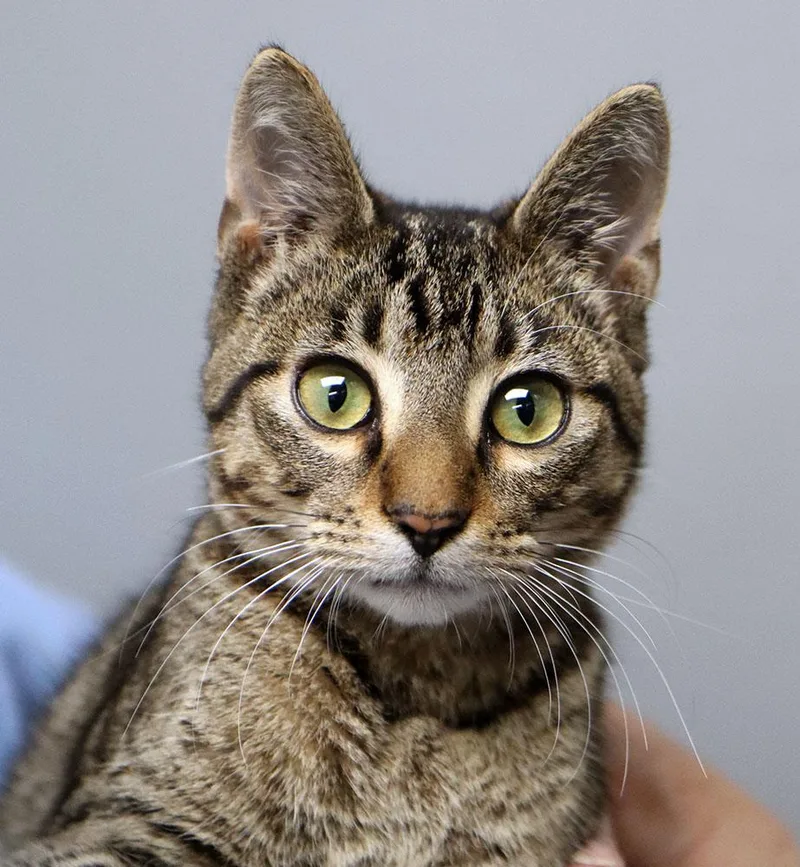
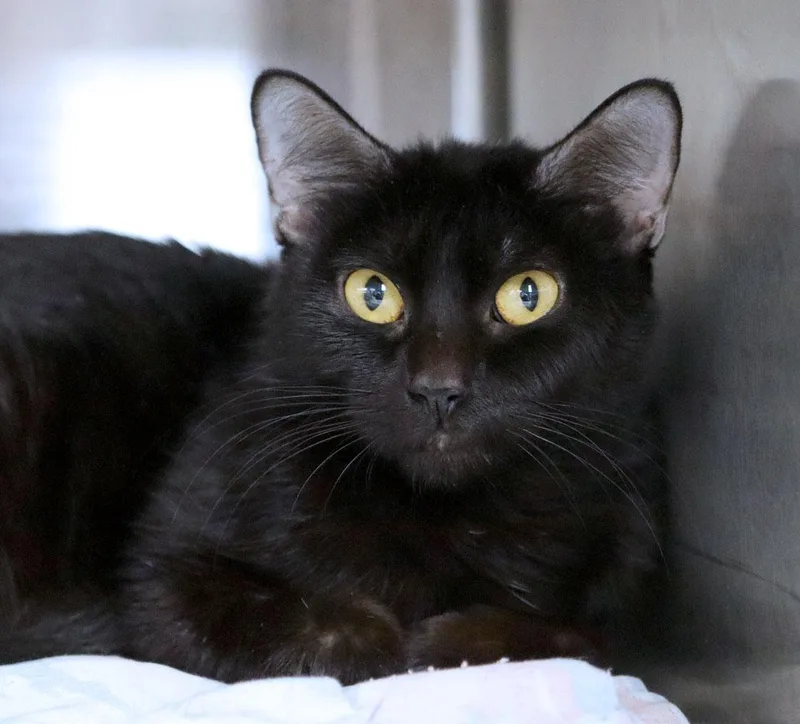
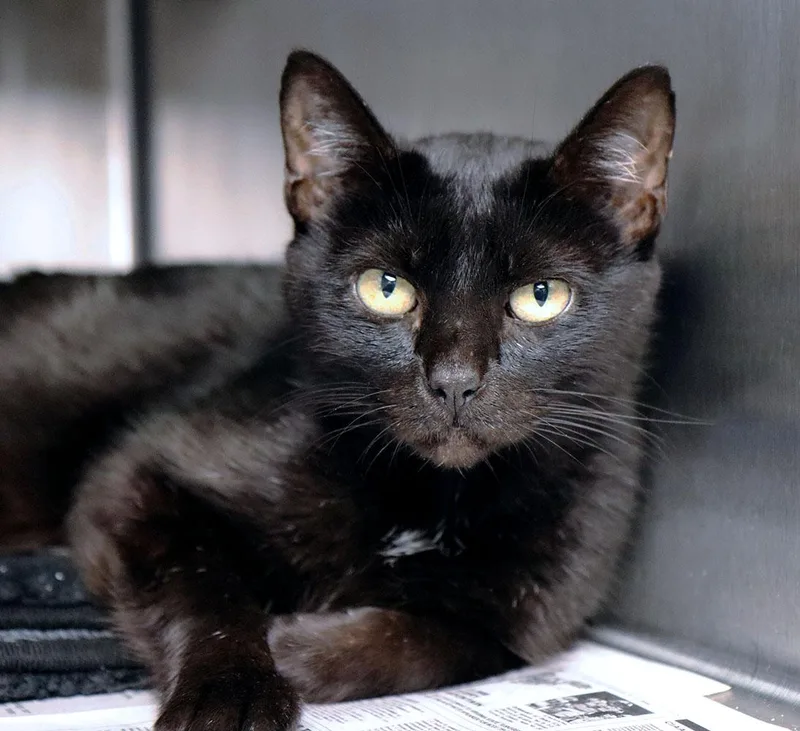
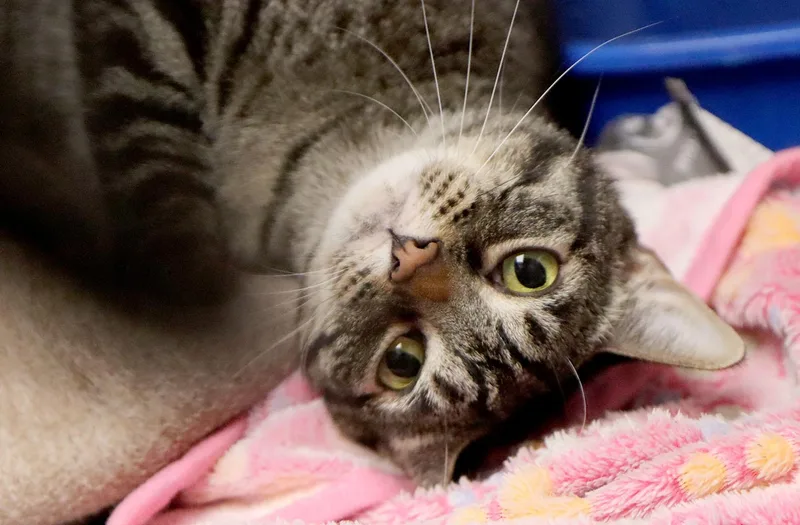
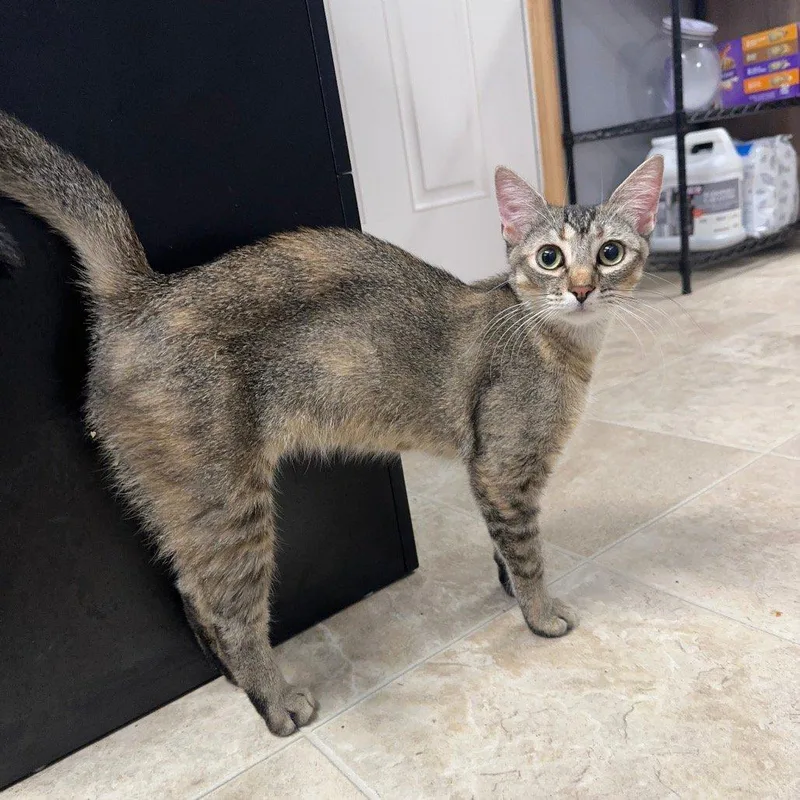
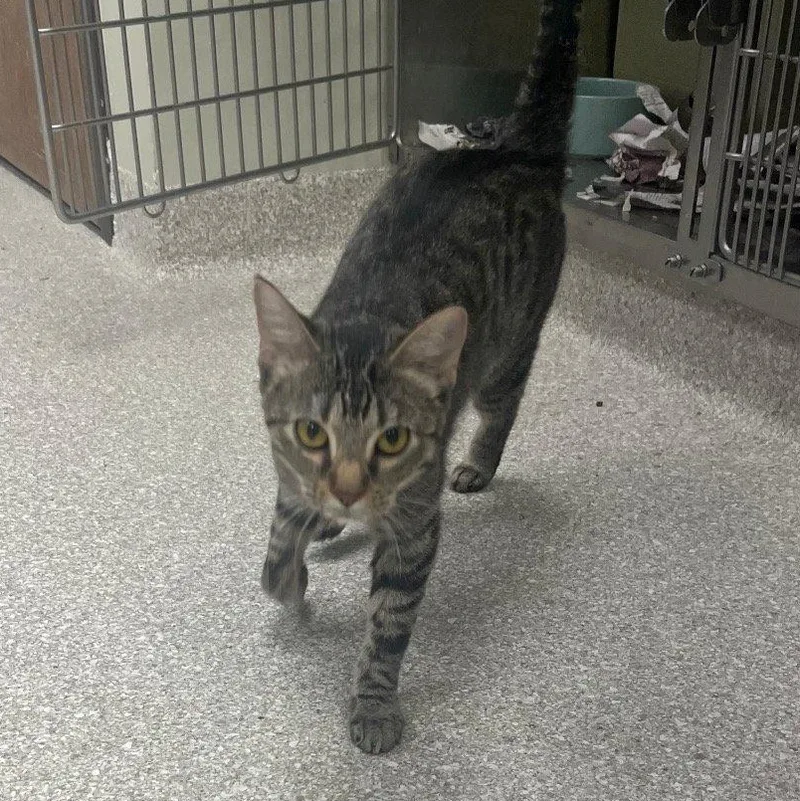
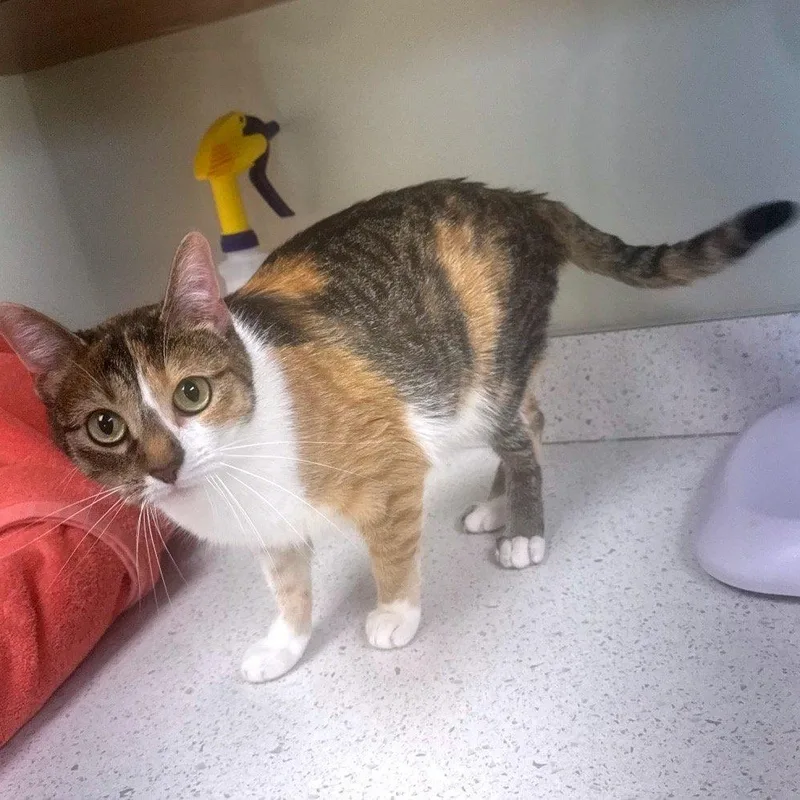
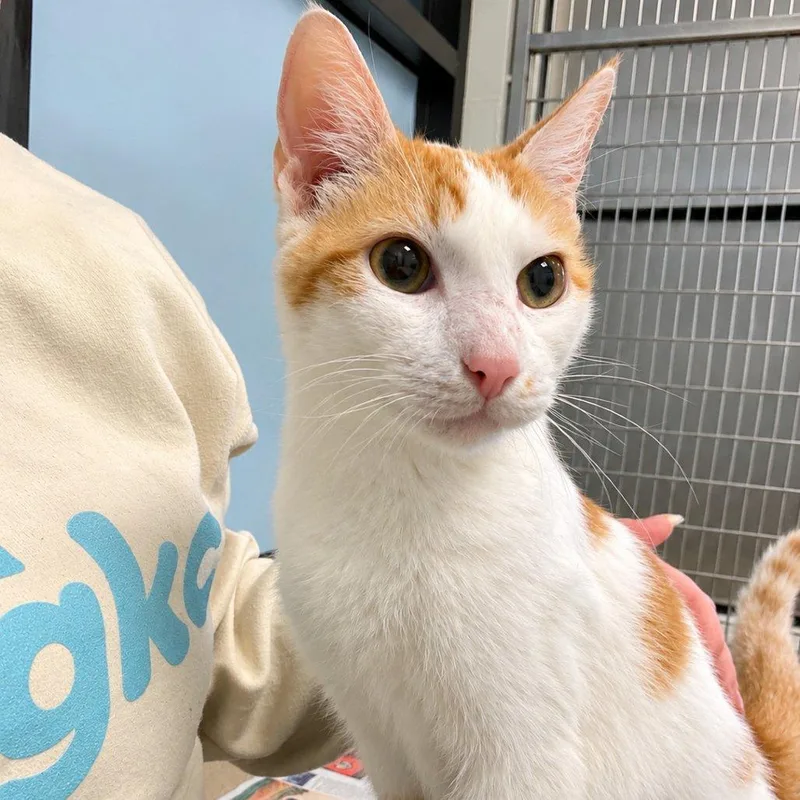
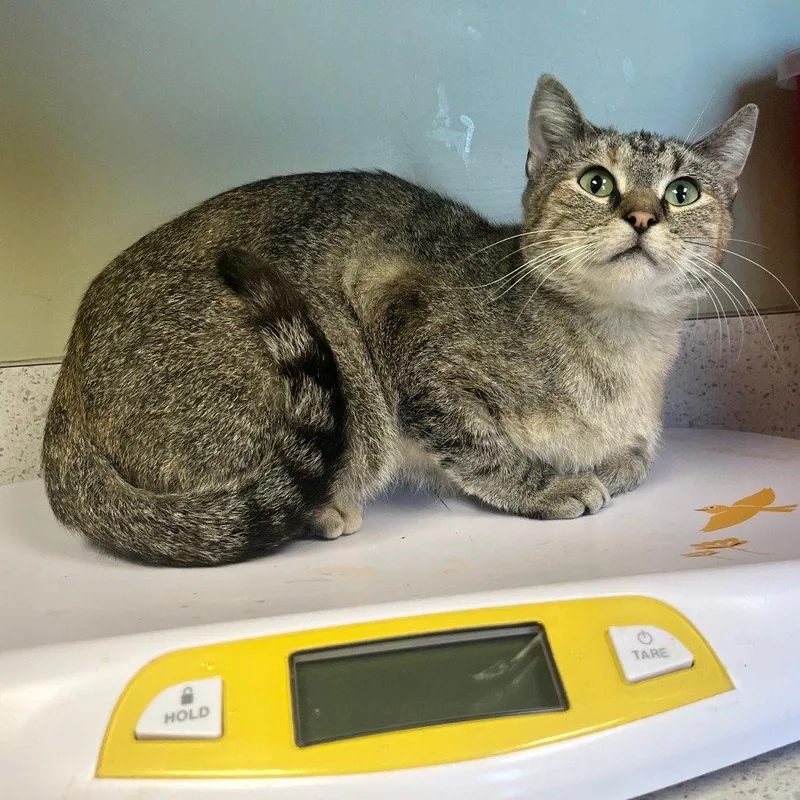
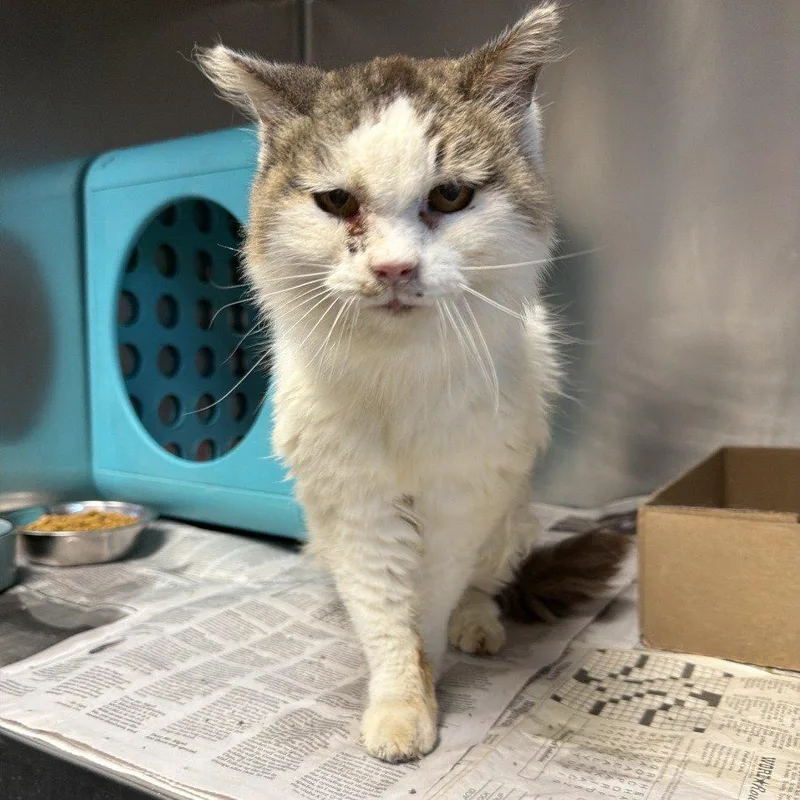
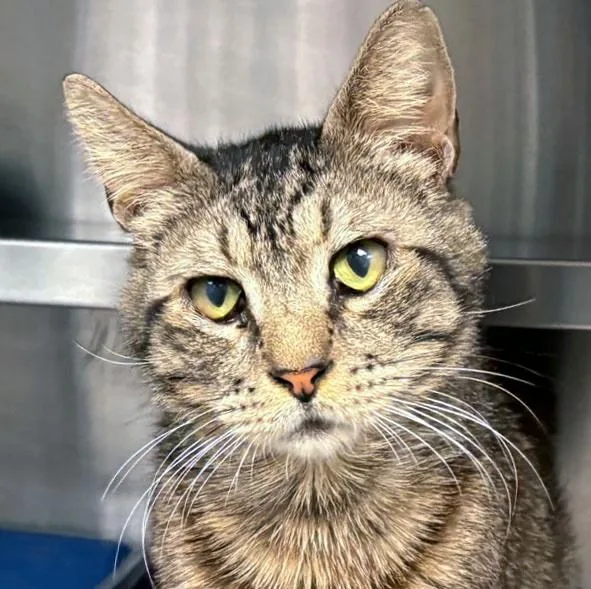
Domestic Short Hair is a type of cat rather than a pedigreed breed: a short-coated cat of mixed or unknown ancestry, and the most common kind of cat in American homes. Records often abbreviate it DSH. Coats come in every color and pattern, from tabby and tuxedo to calico and solid black, and most DSHs are medium-sized, roughly 6 to 14 pounds.

Personality is wide open. Some are lap cats, some are chatty, and some are happiest watching from a windowsill, and age shapes behavior as much as anything. A short coat copes easily with humid Kansas City summers, and weekly brushing is usually plenty. Plan on daily play, a clean litter box and indoor living, which also suits the area's cold winters and spring storm season.

Weight
6–14 lbs
Height
8–10 in
Lifespan
12–18 yrs
Temperament
Adaptable, Curious, Affectionate
Shedding
Moderate

Owning a Domestic Short Hair in Kansas City

Having a Domestic Short Hair in KCK

A DSH's coat tells you little about its personality, so look at each cat's age, energy and comfort around people. In KCK, the useful questions are practical: how a cat handles apartment living, noisy early-July evenings and a long indoor winter.

Temperament

DSH cats run from outgoing lap cats to shy, independent watchers, and kittens are usually bolder than settled adults. For city life, a cat that stays calm around doorbells, neighbors and thunder is a plus, but plenty of cats adjust with time and a quiet room. Watch how a cat reacts to new people and sudden sounds when you meet it.

Exercise Needs

Plan on daily play: a few short bursts for young cats and gentler sessions for seniors. Wand toys, food puzzles and a tall perch cover most of it indoors. Kansas City winters keep cats inside for long stretches, so a window with a view of the birds and a good scratching post make gray weeks easier.

Health Considerations

Common DSH concerns include obesity, dental disease and urinary problems, with kidney disease, hyperthyroidism and diabetes more likely in older cats. Yearly exams, weight checks and dental care catch trouble early. Rabies vaccination is also required for cats under Kansas City code, so a veterinarian can set that up at the first visit.

Living Space

DSH cats usually adapt to apartments and houses alike. Vertical space, hiding spots, scratching posts and a clean litter box matter more than square footage. Screens on windows and balconies prevent falls, and a secure enclosed porch or catio gives a cat fresh air without letting it roam the neighborhood.

What it costs to own a Domestic Short Hair in Kansas City

ExpenseTypical costPer year
Adoption fee$20 to $125, one time$20 to $125 in year one
Food$25 to $50 per month$300 to $600
Pet insurance$20 to $45 per month$240 to $540
Routine vet care$150 to $350 per year$150 to $350
Other*$460 to $1,160 per year$460 to $1,160
Estimated yearly total (after year one)$1,150 to $2,650
First-year total (with adoption fee)$1,170 to $2,775

Adoption fee is the range of fees on Domestic Short Hair listings in Kansas City on GetBuddy today. Other costs are estimates and vary with size, age and health.

* The $10 Kansas City cat registration, litter, flea prevention, a dental cleaning allowance, toys, scratchers and other supplies, and minimal home grooming.

Adopt a Domestic Short Hair in Kansas City.

Now that you know more, let’s find you a new best friend. These rescues and shelters below currently have Domestic Short Hairs available.

Rescues in Kansas City with Domestic Short Hairs Available

Shelters and rescues in the Kansas City area care for cats of every age, color and personality. Here are the rescues & shelters in the KCK area where you can find Domestic Short Hairs and other cats available for adoption.

Frequently Asked Questions

Yes, nothing in Kansas City's animal rules restricts Domestic Short Hairs or singles out cats by type. What to plan for is the six-month mark: after that, a cat must be registered, vaccinated for rabies and spayed or neutered. Young kittens have time, but it helps to budget for those steps from the start.

Yes, DSH cats are among the easiest cats to keep in an apartment, since climbing space and a clean litter box matter more than square footage. City code covers noise that disturbs neighbors, so play with a cat before bed to head off nighttime yowling. On upper floors, secure window and balcony screens to prevent falls.

Yes, if the cat is in a carrier. RideKC's code of conduct allows only service animals and small pets in cages or carriers, so a DSH should ride in a secure, ventilated carrier and never loose or on a leash. Kansas City, Kansas has buses rather than a subway, and most DSH cats fit a standard carrier.

Yes, as indoor cats they handle it well. With lows near 25°F and many freezing nights, a short coat offers little protection outdoors, so outdoor access isn't a good idea. City code also requires weatherproof shelter for any animal kept outside. Indoors, a warm bed away from drafts is usually all a DSH needs.

Very little: a weekly brushing handles most DSH coats, with a few extra sessions during spring and fall shedding. Humid Kansas City summers don't call for baths. The modest cost of home grooming is already counted in the yearly estimate, and a groomer is rarely needed except for a senior or overweight cat that can't reach its own coat.

Domestic shorthair cats typically live about 12 to 18 years, and many indoor cats reach their late teens or early twenties. Large UK veterinary studies have found mixed-breed cats tend to live slightly longer than pedigreed cats on average. Spaying or neutering, indoor living, a healthy weight, dental care and regular checkups all help a cat enjoy a longer life.

No, domestic shorthair cats are not hypoallergenic. The main cat allergen, a protein called Fel d 1, comes from saliva and skin glands, so short fur does not prevent reactions. Allergen levels vary between individual cats, and some people react less to certain cats. Spending time with a specific cat before adopting is the best way to test your response.

A domestic shorthair cat is a short-coated cat of mixed or unknown ancestry rather than a member of a pedigreed breed. It is the most common type of cat in the United States and in shelters. Domestic shorthairs come in every color and pattern, and their size and personality vary widely depending on their varied genetic background.

We have 2 rescues with Domestic Short Hairs available: The Humane Society of Greater Kansas City and Kansas City Kansas Animal Control. You can see every rescue with Domestic Short Hairs available in the list above these questions, or scroll to the top to see the Domestic Short Hairs in Kansas City.

Expect roughly $1,150 to $2,650 a year for a DSH in Kansas City, covering food ($25 to $50 a month), insurance ($20 to $45 a month), routine vet care ($150 to $350 a year) and other costs ($460 to $1,160 a year). Illness and emergencies are extra, and the low end assumes a healthy adult cat.

Explore Other Breeds in Kansas City

Looking for a different breed? Browse other cats available for adoption in Kansas City.