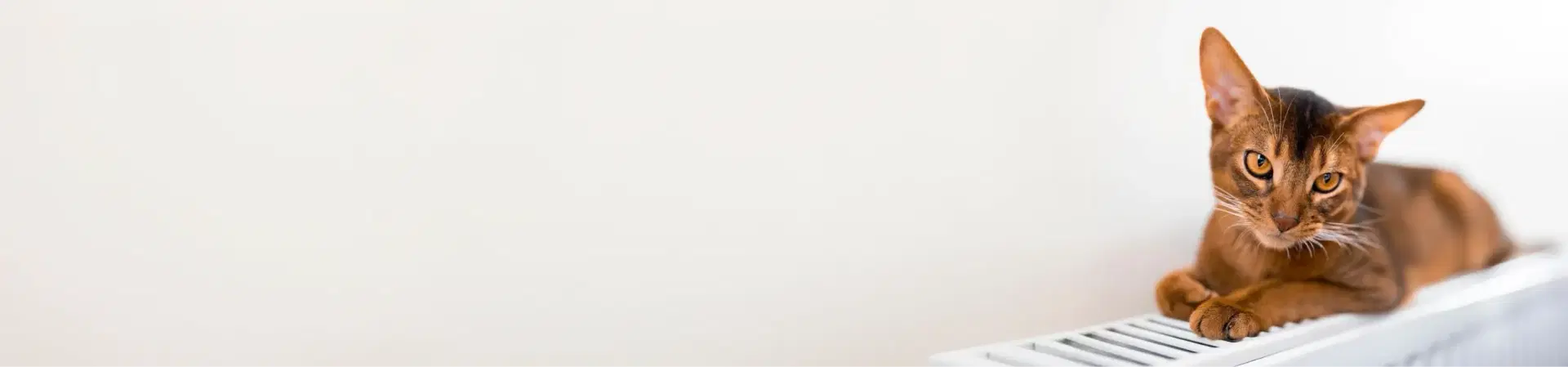
Abyssinian cat

Abyssinian Cats for Adoption in Wheaton, IL

Your guide to finding and caring for an Abyssinian in Wheaton

127 Abyssinians available in Wheaton and nationwide

Find your forever Abyssinian

Abyssinians Available for Adoption Near Wheaton

About the Abyssinian breed

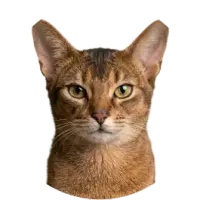
Each hair of an Abyssinian's short coat carries several bands of color, giving the breed its glowing ticked look, large alert ears and almond eyes that suggest a small wildcat. The name comes from Abyssinia, now Ethiopia, because some of the first cats shown in England in the 1870s came from there, but genetic research points to ancestors from the Indian Ocean coast and Southeast Asia. The breed was developed in Britain and is among the oldest recognized.

Abys are famously busy, curious and athletic, climbing to high perches and investigating everything. Many are affectionate and people-focused without being lap cats, preferring to play and follow their owners around. They usually suit homes that offer daily interactive play, vertical space and company, and adopters should know about inherited conditions such as pyruvate kinase deficiency and retinal degeneration.

Weight
6–12 lbs
Height
8–10 in
Lifespan
9–15 yrs
Temperament
Active, Curious, Playful, Social
Shedding
Low to Moderate

Owning an Abyssinian in Wheaton

Having an Abyssinian in Wheaton

An Abyssinian brings nonstop curiosity, athleticism and a strong attachment to people in an easy-care short coat. Knowing how its energy, social needs and inherited health risks play out helps adopters judge whether this lively cat fits their household.

Temperament

Abyssinians tend to be inquisitive, energetic and social, often following their people from room to room and joining every activity. Many are affectionate on their own terms rather than lap cats, and some are shy with strangers at first. They usually enjoy other cats and gentle children. Individual personalities vary, so meet the specific cat before adopting.

Exercise Needs

Most Abyssinians need daily interactive play, such as wand toys, fetch and chase games, to burn their considerable energy. Mental stimulation matters as much: puzzle feeders, clicker training and rotating toys keep them engaged. Tall cat trees and shelves satisfy their love of climbing. Without enough activity, many become restless or invent their own mischief.

Health Considerations

Abyssinians can inherit pyruvate kinase deficiency, a cause of anemia, and progressive retinal atrophy, which leads to vision loss; DNA tests exist for both. Kidney amyloidosis, kneecap luxation and gum disease also appear in the breed. Regular dental care and checkups help. Ask about any testing and health history, and discuss the cat's needs with a veterinarian.

Living Space

An Abyssinian can thrive in an apartment or a house as long as it has vertical space to climb and plenty of play. Cat trees, window perches and wall shelves matter more than floor area. Indoor living or a secure catio keeps these curious explorers safe. Households where someone is home often, or a second cat, suit them well.

What it costs to own an Abyssinian

ExpenseTypical costPer year
Food$25 to $50 per month$300 to $600
Pet insurance$30 to $60 per month$360 to $720
Routine vet care$150 to $350 per year$150 to $350
Other*$450 to $1,150 per year$450 to $1,150
Estimated yearly total (after year one)$1,260 to $2,820

Other costs are national averages for Abyssinians; we don't have costs specific to Wheaton yet.

* Flea prevention, a dental cleaning allowance, litter, toys, scratchers and cat trees, and occasional brushing for a short coat.

Abyssinian cat

Adopt an Abyssinian in Wheaton.

Now that you know more, let’s find you a new best friend. These rescues and shelters below currently have Abyssinians available.

Rescues in Wheaton with Abyssinians Available

Here are the rescues & shelters in the Wheaton area where you can find Abyssinians and other cats available for adoption.

Frequently Asked Questions

Abyssinian is pronounced ab-ih-SIN-ee-un, with the stress on the third syllable, SIN. The name refers to Abyssinia, the historical name for Ethiopia. Many owners simply shorten it to Aby, pronounced AB-ee. You may also hear the breed's ticked coat colors called ruddy, cinnamon or sorrel, blue and fawn.

An Abyssinian is a medium-sized shorthaired cat breed known for its ticked coat, in which each hair has bands of color that create a warm, glowing look. It has large ears, almond-shaped eyes and a lean, muscular body. Developed in Britain in the 1800s, it is one of the oldest recognized breeds and is famous for being active and curious.

Yes, Abyssinian cats shed, but usually only lightly to moderately because of their short, close-lying coat. Shedding may increase seasonally. Combing or brushing a few times a month controls loose hair, and a damp cloth or chamois rubbed over the coat adds shine. Sudden heavy shedding or bald patches should be checked by a veterinarian.

Abyssinian cats were developed in Britain, but their name comes from Abyssinia, now Ethiopia, because some of the first cats shown in England were imported from there in the 1860s and 1870s. Genetic research suggests the breed's ancestors actually came from the Indian Ocean coastal regions and Southeast Asia, mixed with European cats.

You can adopt an Abyssinian through animal shelters, cat rescues and breed-specific Abyssinian rescues, which list cats needing new homes, including adults and seniors. Purebred Abys are uncommon in shelters, so it helps to check listings regularly and consider Aby mixes or ticked-coat cats with similar personalities. Adoption fees typically range from about $50 to $250 and usually include vaccinations and spaying or neutering.

Yes, Abyssinian cats are usually affectionate, though they show it actively rather than by curling up in a lap for hours. Many follow their people around, greet them at the door and join in whatever they are doing. An Aby may tap you with a paw to ask for attention. Individual cats vary in how cuddly they are.

Many Abyssinian cats get along well with dogs, especially calm, cat-friendly dogs introduced slowly. Their confident, playful nature helps them adapt to multi-pet homes. Success depends on the individual cat and dog, so gradual introductions, escape routes and high perches for the cat are important. Dogs with strong prey drive may be unsafe with any cat.

No, Abyssinian cats are not especially vocal. Many communicate with soft chirps and trills rather than loud meows. They are expressive in other ways, using body language and persistence to get attention. Individual cats vary, and a sudden increase in vocalizing can signal stress or illness.

Abyssinian cats are medium-sized, usually weighing about 6 to 12 pounds as adults, with males generally larger than females. They have a lean, muscular build and long legs that make them look like they stand on tiptoe. Most reach full size by about one year. A veterinarian can help you judge whether an individual Aby is at a healthy weight.

We have 1 rescue with Abyssinians available: ARF-IL. You can see every rescue with Abyssinians available in the list above these questions, or scroll to the top to see the Abyssinians near Wheaton.

Find Abyssinians in Nearby Cities

Expand your search to find Abyssinians available for adoption near Wheaton.

Explore Other Breeds in Wheaton

Looking for a different breed? Browse other cats available for adoption in Wheaton.