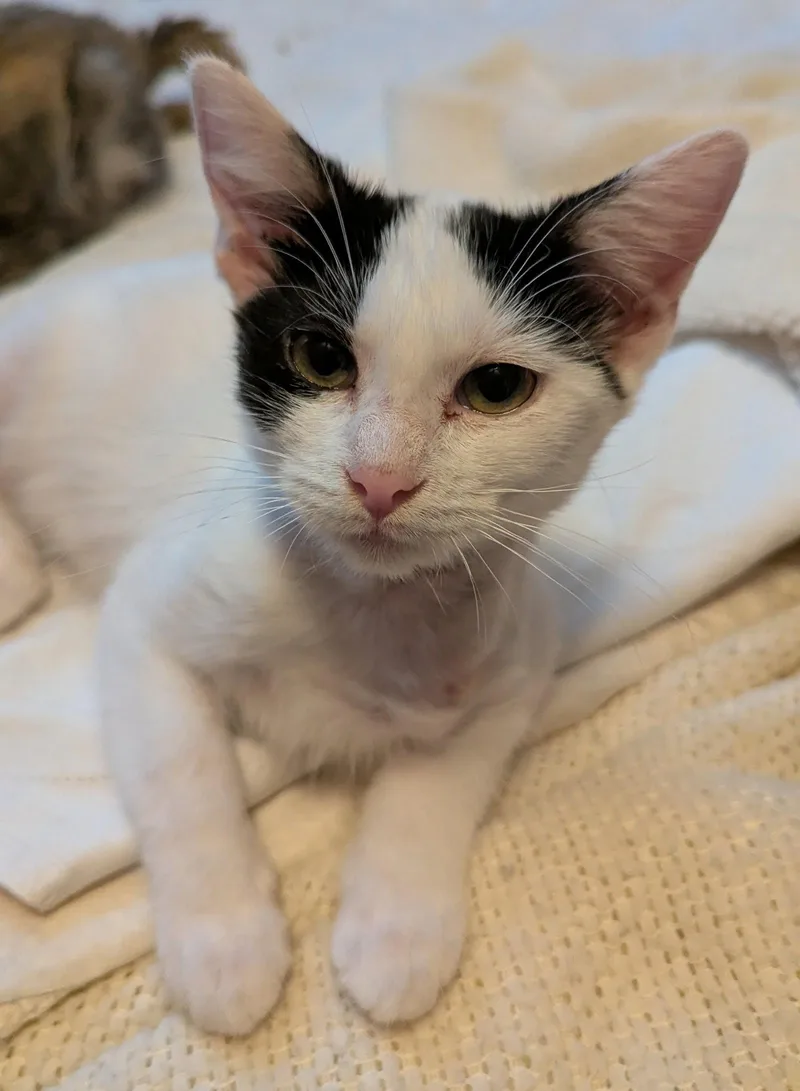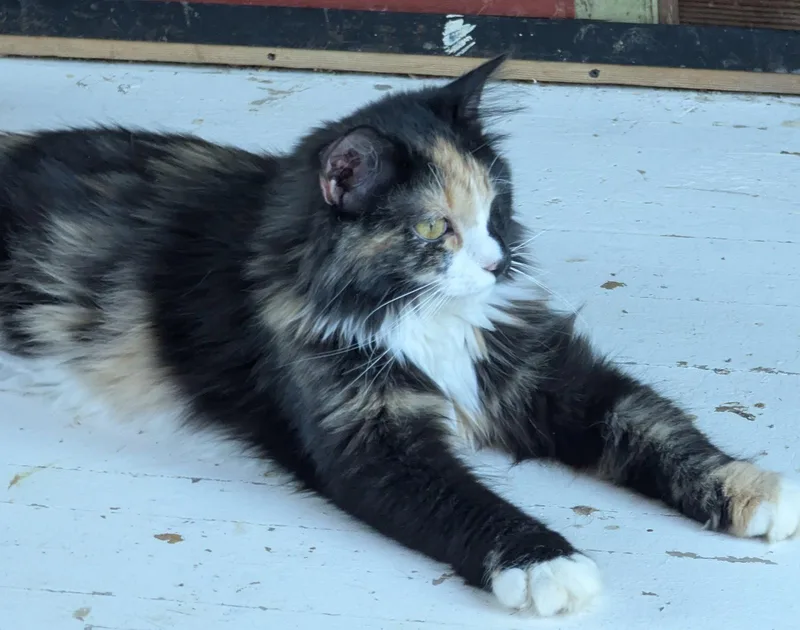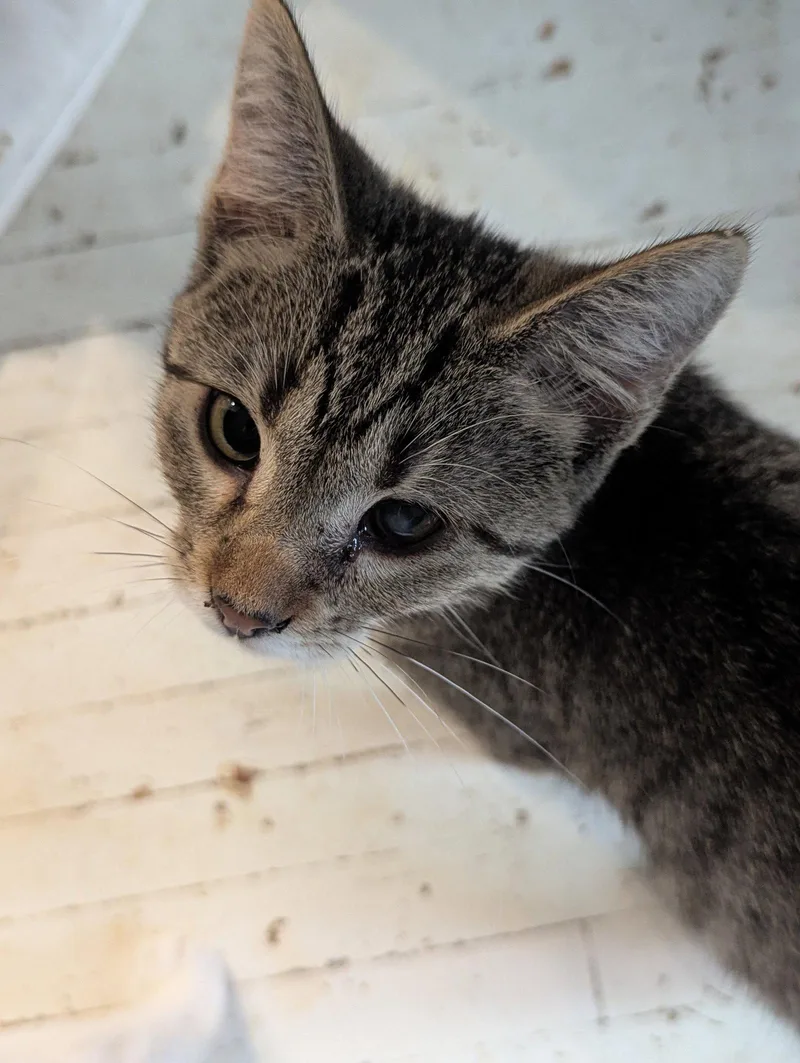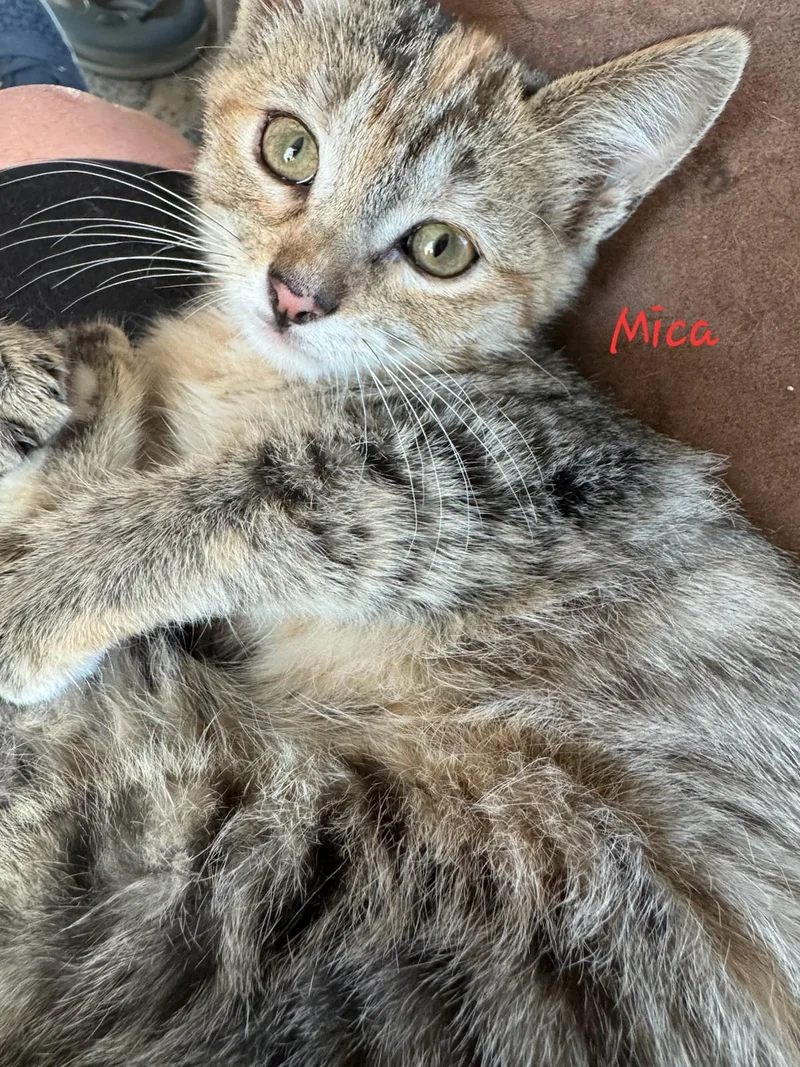
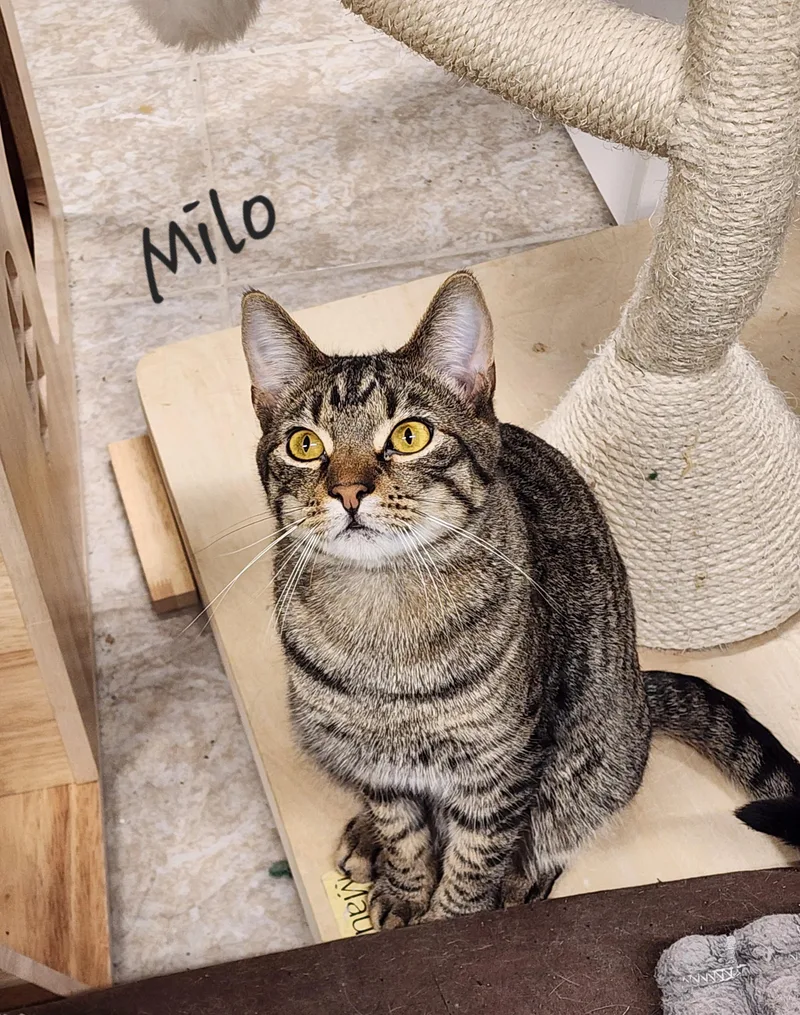
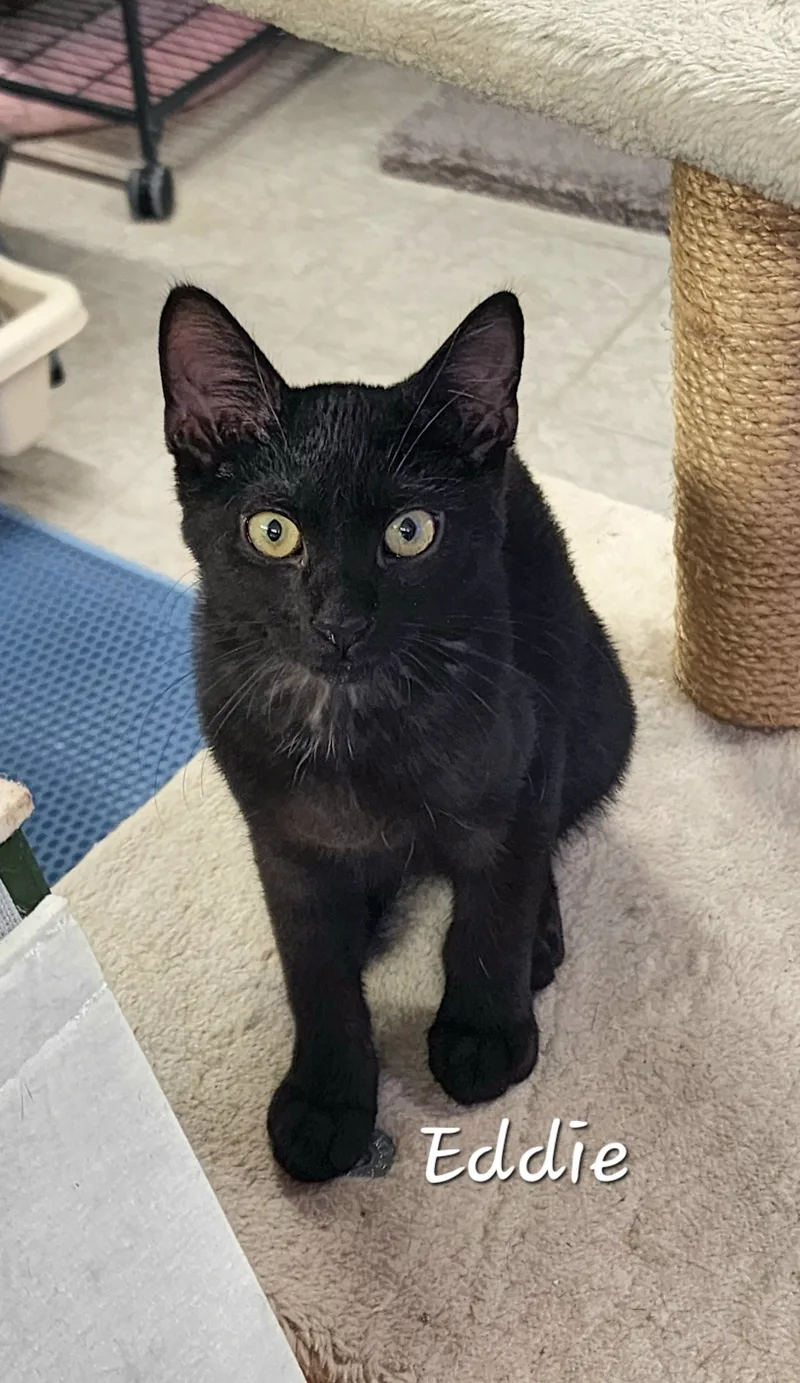
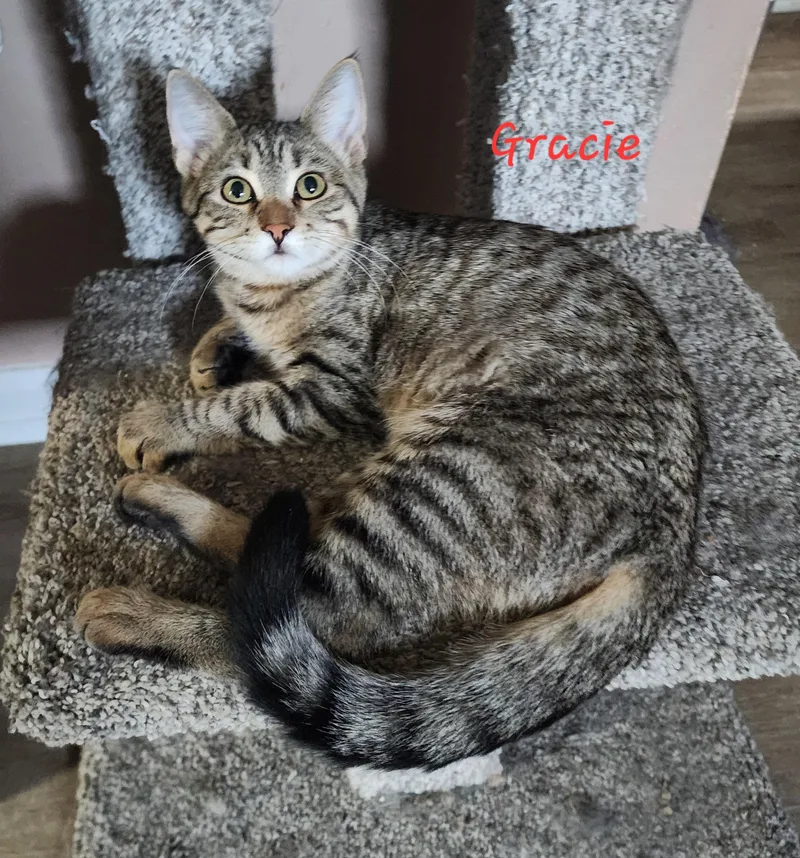
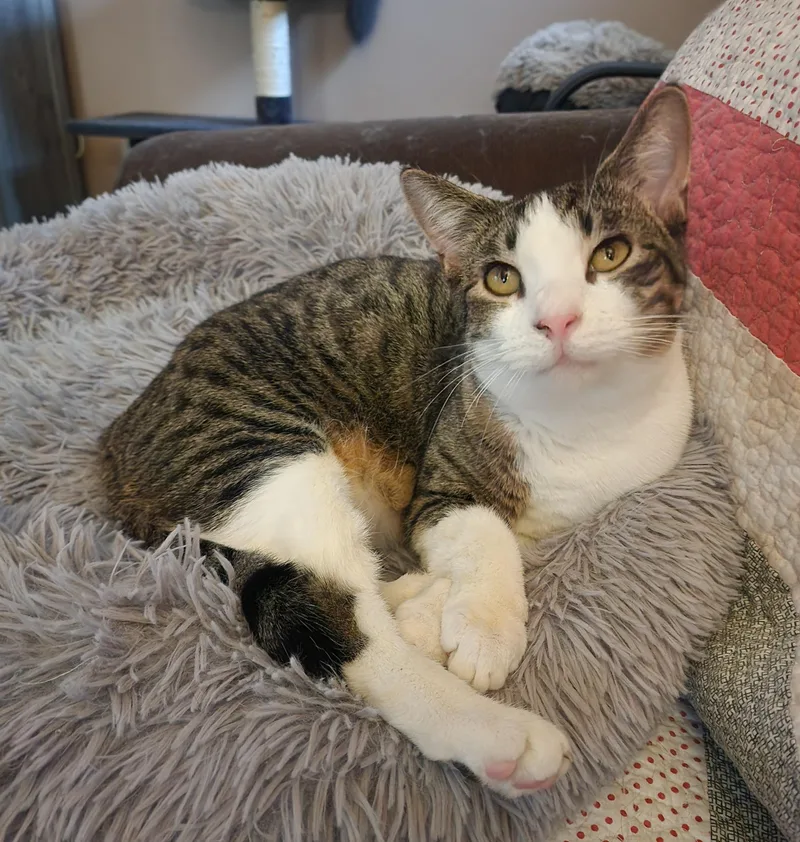
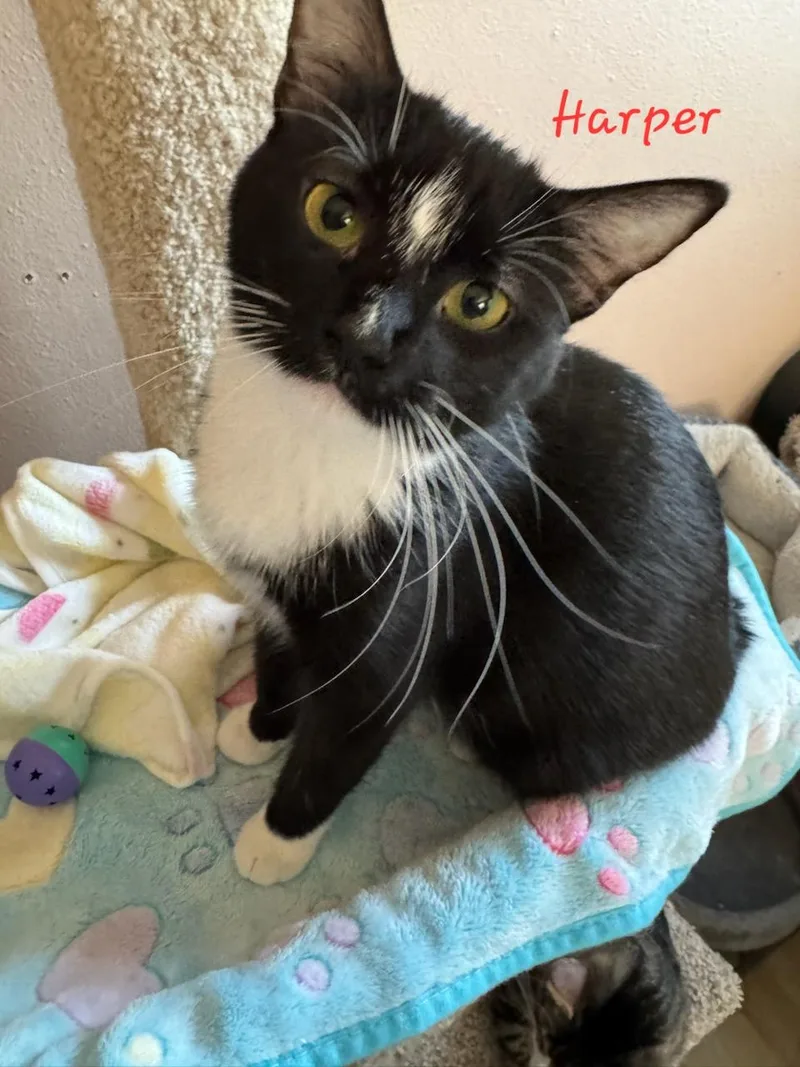
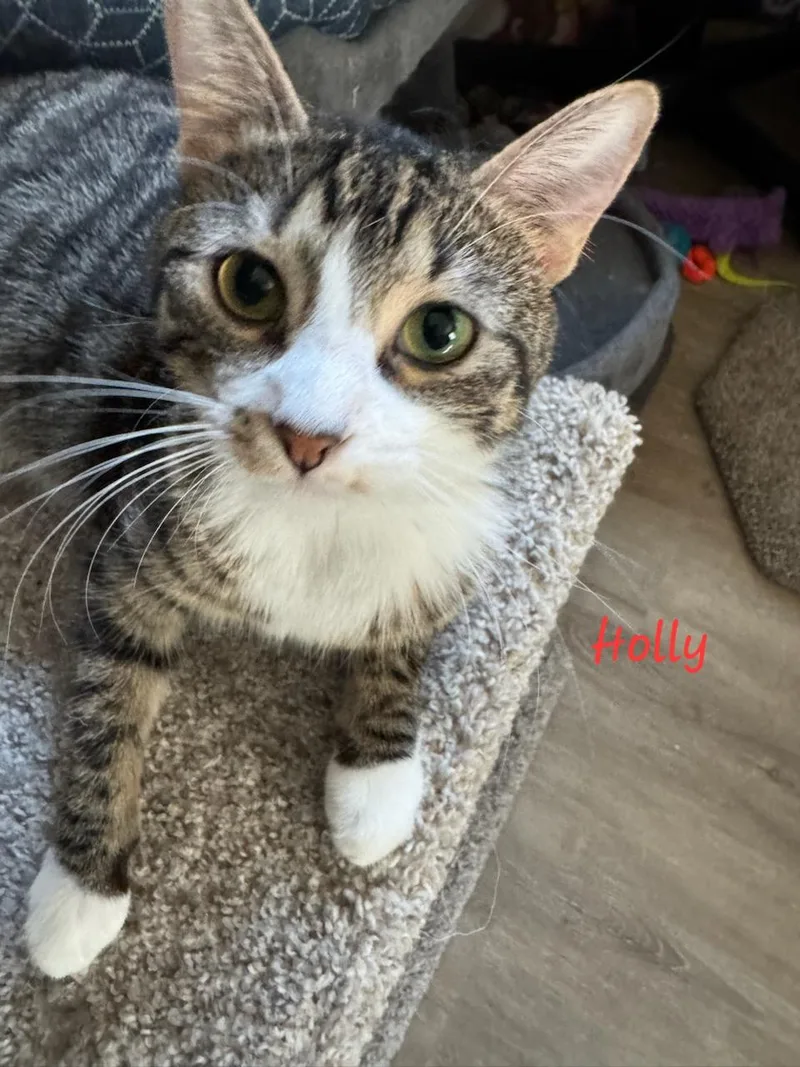
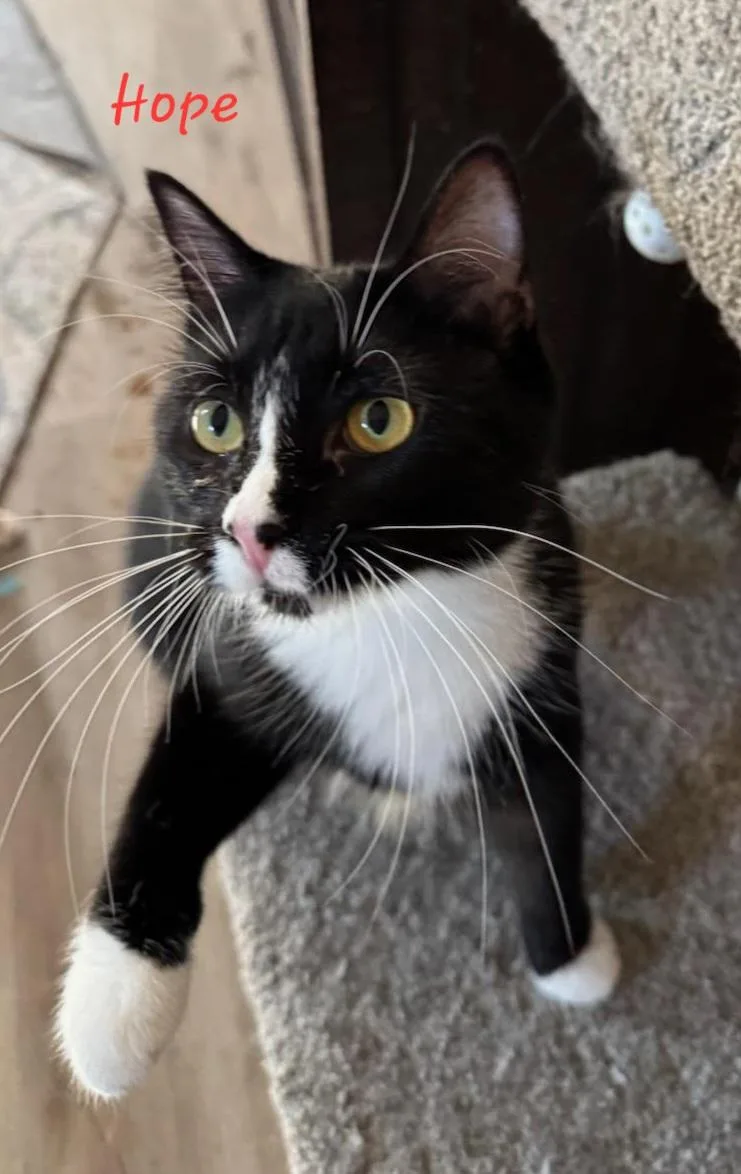

Domestic Short Hair Cats for Adoption in Waterloo, IA

Your guide to finding and caring for a Domestic Short Hair in Waterloo

A Domestic Short Hair suits Waterloo's mix of older houses and downtown apartments equally well. These cats don't need much room, just a sunny window and something to climb, so a Church Row house or a place downtown near the RiverLoop Amphitheater can both work. Domestic Short Hair is a coat type rather than a breed, so personalities run from lap cat to shy watcher. Long Iowa winters also reward a cat who's happy indoors.

32 Domestic Short Hairs available for adoption in Waterloo

Find your Domestic Short Hair

Domestic Short Hairs Available for Adoption in Waterloo

About the Domestic Short Hair breed

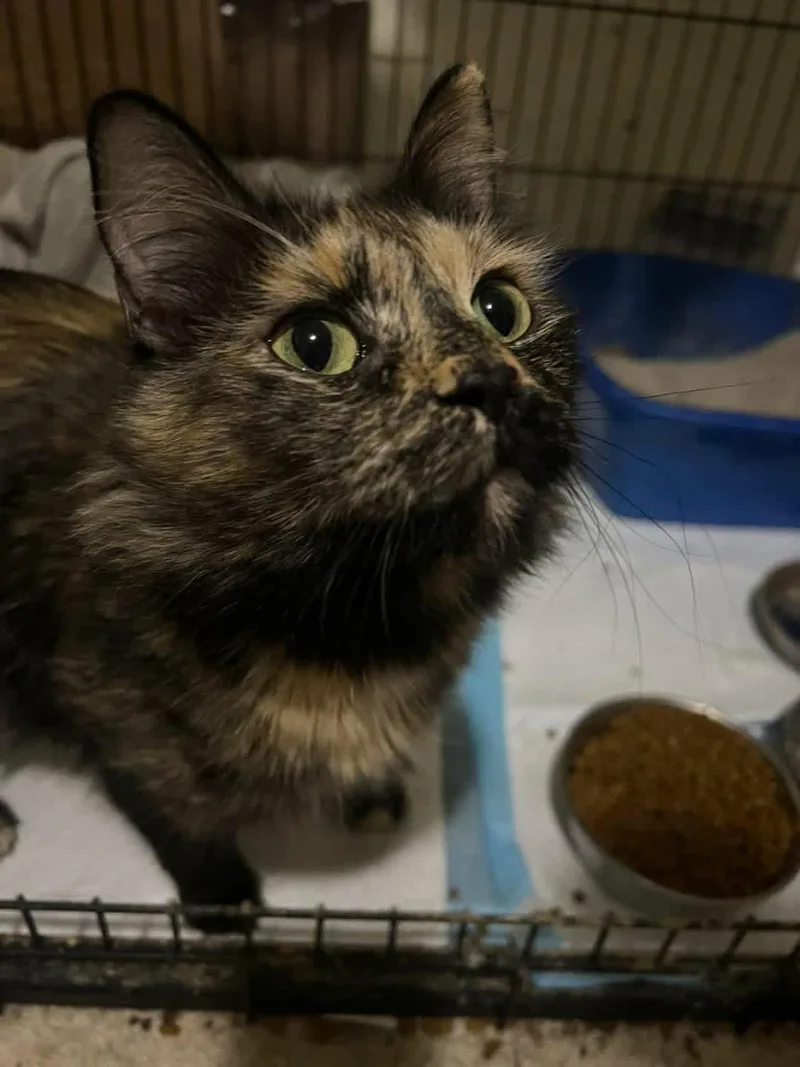
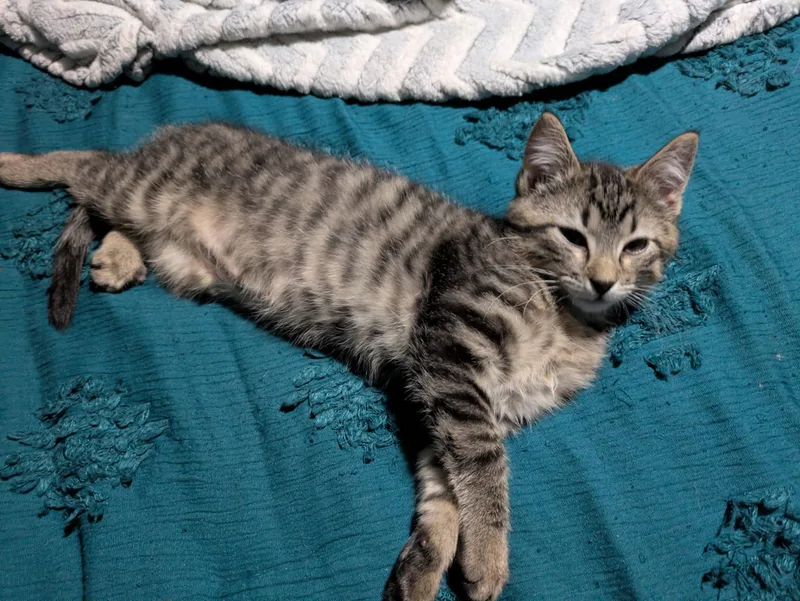
Domestic Short Hair isn't a breed. It's the label for short-coated cats of mixed or unknown ancestry, and it's the most common kind of cat in American homes. You'll see DSH on adoption records for tabbies, tuxedos, calicos, solid blacks and everything in between.

With such a wide gene pool, size and personality vary. Most weigh between 6 and 14 pounds, and the short coat needs little care beyond regular brushing. In Waterloo, where cats spend much of the year inside, age and energy matter more than coat: kittens need toys and play partners, while adults often settle into a routine of naps, window watching and an evening lap.

Weight
6–14 lbs
Height
8–10 in
Lifespan
12–18 yrs
Temperament
Adaptable, Curious, Affectionate
Shedding
Moderate

Owning a Domestic Short Hair in Waterloo

Having a Domestic Short Hair in Waterloo

A Domestic Short Hair's coat is predictable, but little else is. Energy, sociability and comfort with change differ from cat to cat, so in Waterloo it helps to think about how much time you're home and how you'll keep a cat busy through the winter.

Temperament

Domestic Short Hairs run from outgoing lap cats to quiet observers, and kittens tend to be bolder than adults. Many adapt to new homes and calm housemates with slow introductions. During Waterloo's long indoor months, a social cat will enjoy company and play, while a shy one may be happiest with a quiet room and steady routines.
Exercise Needs

Plan on daily interactive play, such as wand toys, chasing games and food puzzles, ideally in a few short bursts. Cold Waterloo months keep cats inside, so vertical space matters: a tall scratching post, a shelf and a window perch overlooking the yard give a cat something to climb and watch. Seniors prefer gentler sessions.

Health Considerations

Common concerns include obesity, dental disease and urinary problems, with kidney disease, hyperthyroidism and diabetes more likely in older cats. Indoor winters can mean less activity, so measure meals and watch weight. Waterloo licensing requires proof of rabies vaccination, and a veterinarian can check teeth, weight and bloodwork at the first visit.

Living Space

A Domestic Short Hair usually does well in a one-bedroom apartment or a larger house, since climbing shelves, scratchers, hiding spots and a clean litter box matter more than square footage. Waterloo's older houses and apartments can both work. Keep window screens snug, secure balconies, and plan on keeping the cat indoors or in a secure enclosure.

What it costs to own a Domestic Short Hair in Waterloo

ExpenseTypical costPer year
Adoption fee$75 to $100, one time$75 to $100 in year one
Food$25 to $50 per month$300 to $600
Pet insurance$20 to $45 per month$240 to $540
Routine vet care$150 to $350 per year$150 to $350
Other*$465 to $1,177 per year$465 to $1,177
Estimated yearly total (after year one)$1,155 to $2,667
First-year total (with adoption fee)$1,230 to $2,767

Adoption fee is the range of fees on Domestic Short Hair listings in Waterloo on GetBuddy today. Other costs are estimates and vary with size, age and health.

* The Waterloo cat license, litter, flea and parasite prevention, a dental cleaning allowance, toys, scratchers and other supplies, and minimal home grooming.

Adopt a Domestic Short Hair in Waterloo.

Now that you know more, let’s find you a new best friend. These rescues and shelters below currently have Domestic Short Hairs available.

Rescues in Waterloo with Domestic Short Hairs Available

Waterloo's shelters and rescues care for cats of every age, color and personality, including plenty of Domestic Short Hairs. Here are the rescues & shelters in the Waterloo area where you can find Domestic Short Hairs and other cats available for adoption.

Frequently Asked Questions

Yes. Waterloo has no known breed restrictions, and Domestic Short Hair is a coat type anyway. The practical rules are licensing and a household limit of four cats. Have rabies paperwork ready when you license, and note that adopting a cat who's already spayed or neutered keeps the license at the lower rate.

Yes, as indoor cats they handle Waterloo winters well. Their short coats aren't made for long exposure to a climate where nights sometimes drop below 0°F, so keep them inside with a warm bed away from drafts. The bigger challenge is boredom, so schedule play, rotate toys and keep a sunny window perch.

Yes. A Domestic Short Hair usually adapts well to apartments as long as there's vertical space, a scratcher, a window perch and a clean litter box. Waterloo's mix of apartments and older houses suits cats well. Before signing a lease, get any pet fees or deposits in writing, and screen windows and balconies.

Often, yes, especially if you want an adaptable indoor companion through long Iowa winters. A social cat may want company if you work long days, so consider a pair for a bored kitten. Judge each cat by age, energy and comfort with change rather than by coat, since DSH covers many personalities.

Very little. A short coat usually needs a brush once or twice a week, a bit more when shedding picks up in spring. Dry indoor air in winter can leave skin flaky, so keep fresh water out and brush gently. Home brushing costs almost nothing, and professional grooming is rarely needed.

Domestic shorthair cats typically live about 12 to 18 years, and many indoor cats reach their late teens or early twenties. Large UK veterinary studies have found mixed-breed cats tend to live slightly longer than pedigreed cats on average. Spaying or neutering, indoor living, a healthy weight, dental care and regular checkups all help a cat enjoy a longer life.

No, domestic shorthair cats are not hypoallergenic. The main cat allergen, a protein called Fel d 1, comes from saliva and skin glands, so short fur does not prevent reactions. Allergen levels vary between individual cats, and some people react less to certain cats. Spending time with a specific cat before adopting is the best way to test your response.

A domestic shorthair cat is a short-coated cat of mixed or unknown ancestry rather than a member of a pedigreed breed. It is the most common type of cat in the United States and in shelters. Domestic shorthairs come in every color and pattern, and their size and personality vary widely depending on their varied genetic background.

We have 2 rescues with Domestic Short Hairs available: Cedar Valley Pit Bull Rescue and Saving Whiskers Cat Rescue. You can see every rescue with Domestic Short Hairs available in the list above these questions, or scroll to the top to see the Domestic Short Hairs in Waterloo.

Expect roughly $1,150 to $2,650 a year for a Domestic Short Hair in Waterloo, covering food, insurance, routine vet care and other costs such as litter and flea prevention. Food runs $25 to $50 a month and insurance $20 to $45. Illness and emergencies cost extra, so a small savings cushion helps.

Explore Other Breeds in Waterloo

Looking for a different breed? Browse other cats available for adoption in Waterloo.