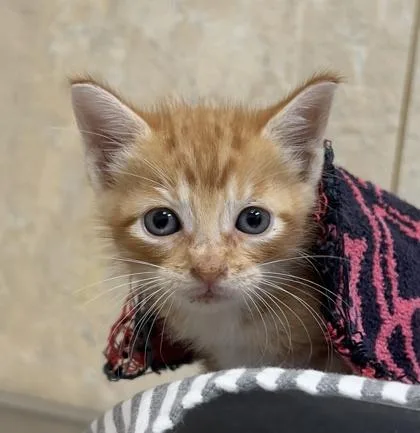
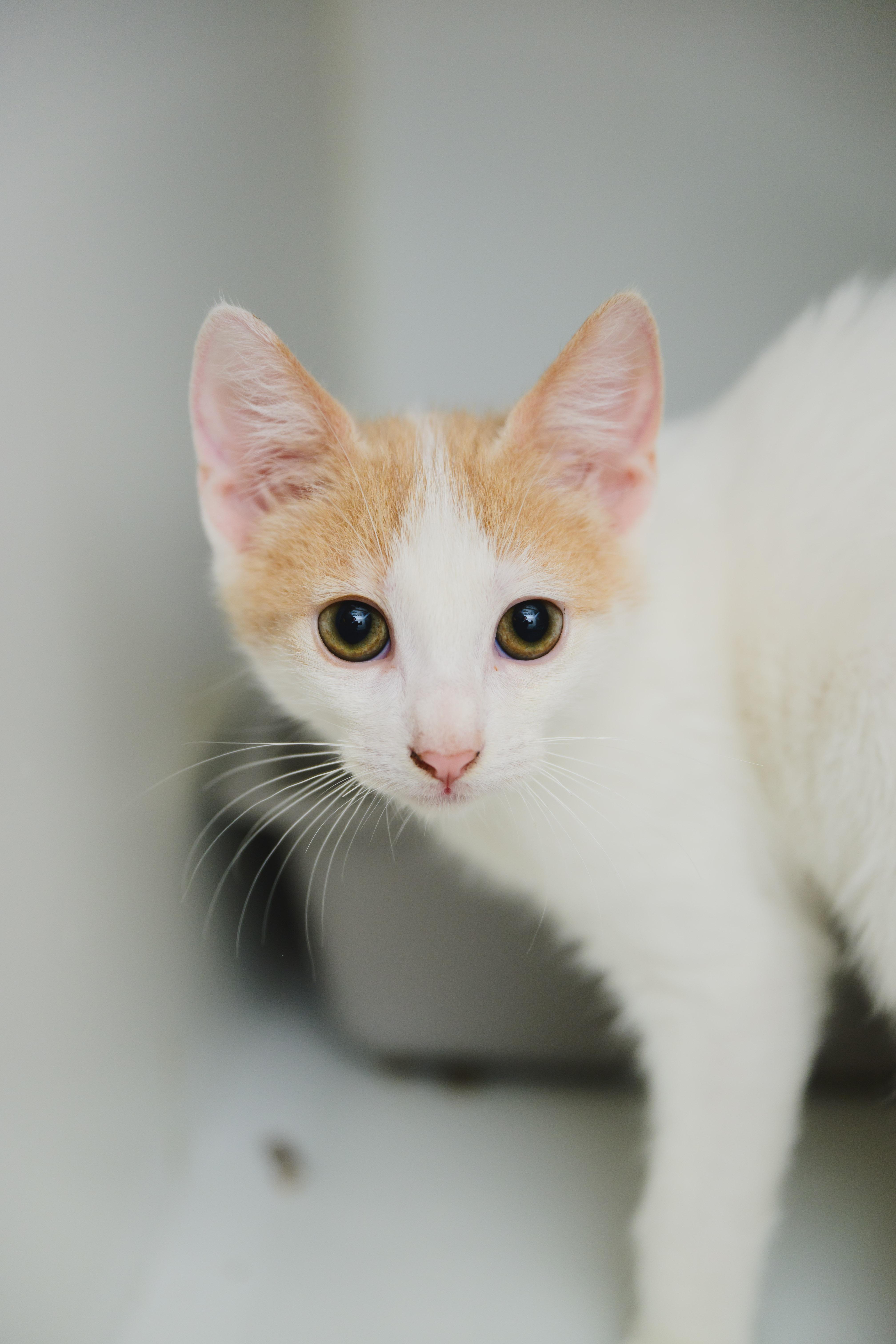
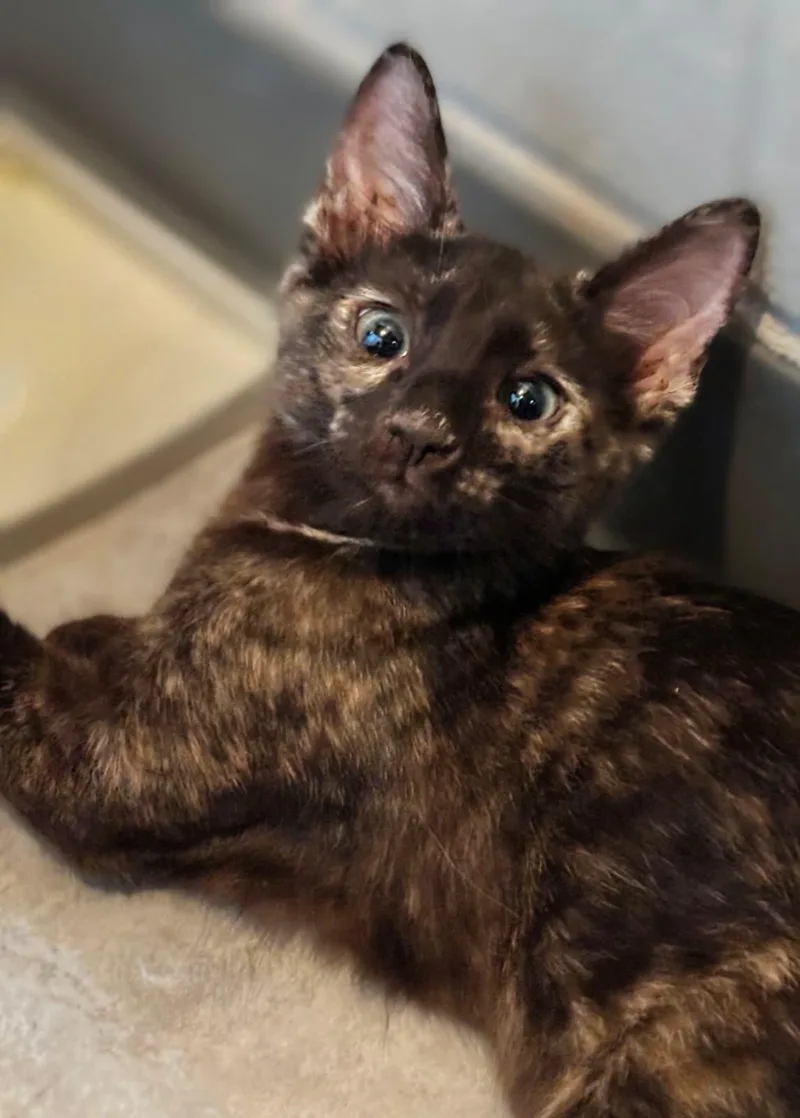
Extra-Toes Cat / Hemingway Polydactyls for Adoption in Honolulu, HI

Your guide to finding and caring for an Extra-Toes Cat / Hemingway Polydactyl in Honolulu

An Extra-Toes Cat fits indoor Honolulu life easily, whether that's a Salt Lake condo or a small Makiki apartment. These cats aren't a breed, just cats born with extra toes, so their needs look like any domestic cat's: daily play, a tall perch by a window and a scratching post sturdy enough to wear down those extra claws. Many are happy in a few hundred square feet. Plan on a wand-toy session after work, once the apartment has cooled a bit.

194 Extra-Toes Cat / Hemingway Polydactyls available in Honolulu and nationwide

Adopt a Polydactyl cat today

While we don't have enough cats near Honolulu, keep in mind that many rescues may offer transport.

Extra-Toes Cat / Hemingway Polydactyls Available for Adoption Near Honolulu

About the Extra-Toes Cat / Hemingway Polydactyl breed

An Extra-Toes Cat, also called a Hemingway polydactyl, is any cat born with polydactyly, a harmless genetic variation that adds toes to one or more paws. Most are domestic shorthairs or longhairs, so coats, sizes and personalities vary widely, usually between 6 and 15 pounds. The trait is especially common in New England, where ship cats were prized as mousers, and the nickname comes from Ernest Hemingway's six-toed cat.

In Honolulu, living with one is ordinary cat care with a single extra step. Check the claws every few weeks, since extra nails can curl into the paw pads, and keep up with brushing so the coat stays comfortable in warm weather. Whether a cat is bold or shy, young or senior depends on the cat, not the toes, so meeting a few cats helps you find the right match.

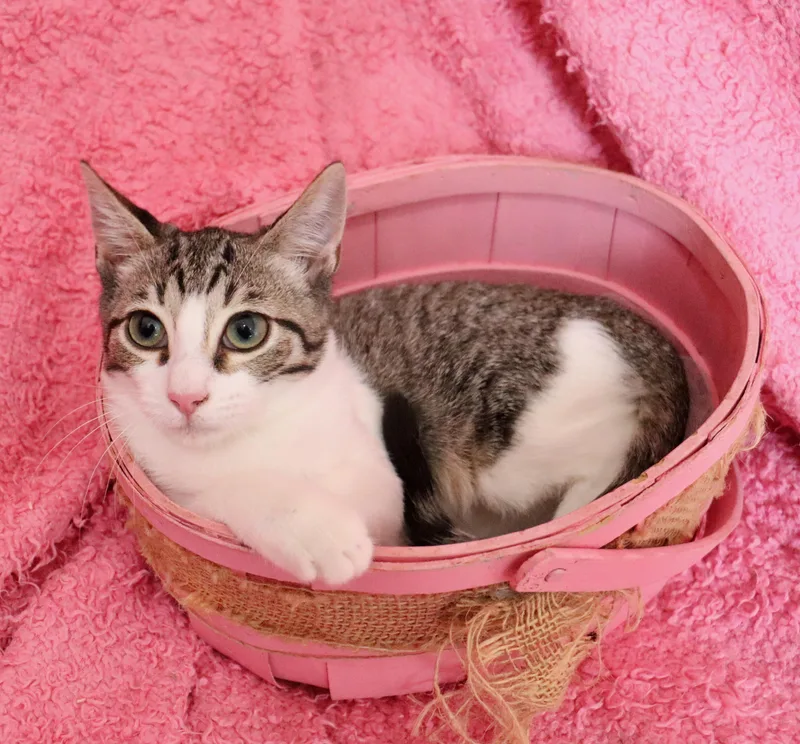
Weight
6–15 lbs
Height
8–10 in
Lifespan
12–18 yrs
Temperament
Adaptable, Curious, Affectionate
Shedding
Moderate

Owning an Extra-Toes Cat / Hemingway Polydactyl in Honolulu

Having an Extra-Toes Cat / Hemingway Polydactyl in Honolulu

Extra toes make for charming paws, but they don't set personality or health. In Honolulu, the practical points are keeping the cat indoors or in a secure enclosure, staying on top of claw checks, and choosing a cat whose age and energy fit your home.

Temperament

Extra-Toes Cats are as varied as other domestic cats, from chatty and bold to shy and slow to warm up. The toes don't predict personality. In a compact Honolulu apartment, a curious, adaptable cat often enjoys following you from room to room, while a shyer cat may want a quiet hiding spot while settling in.

Exercise Needs

Plan on daily interactive play with wand toys, balls and puzzle feeders, split into a few short sessions. A tall cat tree by a window gives apartment cats a place to climb and watch the street. Kittens and young adults want more activity than seniors, and indoor cats in small condos especially need it to avoid boredom and weight gain.

Health Considerations

The common form of polydactyly rarely causes problems, but extra claws may not wear down and can grow into the paw pads, so check and trim them regularly. A different limb condition, radial hypoplasia, is sometimes mistaken for it, and a veterinarian can tell the two apart. Dental disease, obesity and kidney disease are the usual feline concerns.

Living Space

Extra-Toes Cats adapt to Honolulu's mix of high-rise condos, older low-rise apartments and houses. Give them vertical space, a sturdy scratching post, hiding spots and a clean litter box. Keeping the cat indoors or in a secure enclosure is safest, and screens on upper-floor windows help prevent falls.

What it costs to own an Extra-Toes Cat / Hemingway Polydactyl in Honolulu

ExpenseTypical costPer year
Food$25 to $50 per month$300 to $600
Pet insurance$20 to $45 per month$240 to $540
Routine vet care$150 to $350 per year$150 to $350
Other*$450 to $1,150 per year$450 to $1,150
Estimated yearly total (after year one)$1,140 to $2,640

Other costs are estimates and vary with size, age and health.

* Litter, flea and tick prevention, a dental cleaning allowance, toys and scratching posts, and basic home grooming and claw trims.

Adopt an Extra-Toes Cat / Hemingway Polydactyl in Honolulu.

Now that you know more, let’s find you a new best friend. These rescues and shelters below have cats available in and near Honolulu.

Rescues and Shelters in or near Honolulu

Oʻahu's animal welfare community includes a large open-admission humane society and smaller no-kill and foster-based groups. Here are the rescues & shelters in the Honolulu area with cats available for adoption, worth asking whether an Extra-Toes Cat / Hemingway Polydactyl is coming in.

Frequently Asked Questions

Yes. Honolulu has no known breed rules affecting cats, and extra toes aren't a restricted trait. Cats 4 months and older must be microchipped and registered, and cats 6 months or older that go outdoors need a collar with an ID tag and must be sterilized. Browse the cats listed on this page to see who's ready for a home.

Often, yes, especially for people in condos or small apartments who can offer daily play and a few vertical perches. Indoor life also keeps a cat out of traffic and the afternoon sun. Since storms and coastal evacuations happen, keep a carrier by the door, as Oʻahu's emergency shelters accept pets.

Yes, apartment living suits most Extra-Toes Cats well. Many Honolulu households rent, so confirm your building's pet policy and any deposit in writing. Give the cat a window perch, a tall cat tree, a sturdy scratching post and daily play, and use screens on upper-floor windows to prevent falls.

Yes, for indoor cats. Honolulu has no cold season, and about 32 days a year reach 90°F, mostly from July through September. Humidity and strong sun matter more than the thermometer, so provide shade, fresh water and airflow, and brush longhaired coats. Keep the cat inside during heavy rain and storms.

Yes, in a carrier. TheBus allows animals only in a small enclosed container on your lap or under the seat, and Skyline asks that small animals ride in a cage or carrier that fits under the seat or on your lap. Most cats this size fit a standard carrier comfortably.

It depends on the coat, since most of these cats are domestic shorthairs or longhairs. Shorthairs do well with weekly brushing, and longhairs with a few sessions a week, to stay comfortable in warm, humid weather. Check the claws every few weeks too. Basic home grooming falls within the Other costs in the cost table.

A cat normally has 18 toes: five on each front paw and four on each back paw. The fifth front toe is the dewclaw, set higher on the inside of the leg like a thumb, so it doesn't touch the ground when the cat walks. Polydactyl cats have more than 18, most often an extra one or two per front paw.

Cats don't have true thumbs. The dewclaw on each front paw sits in a similar position to a human thumb and helps a cat grip prey and climb, but it isn't opposable. Some polydactyl cats have extra toes on the inner side of the paw that look like a thumb, which is where the nickname thumb cat comes from.

A polydactyl cat is a cat born with more than the usual number of toes on one or more paws. It is a genetic trait, not a breed, and it can appear in any cat, though most are domestic shorthairs or longhairs. The common form is harmless and is passed down by a dominant gene.

Expect roughly $95 to $220 a month, or about $1,140 to $2,640 a year, for an Extra-Toes Cat. That covers food, pet insurance, routine vet care and other yearly costs like litter, flea prevention and dental care. Honolulu has no cat license fee, and claw trims are done at home with no separate cost.

Explore Other Breeds in Honolulu

Looking for a different breed? Browse other cats available for adoption in Honolulu.