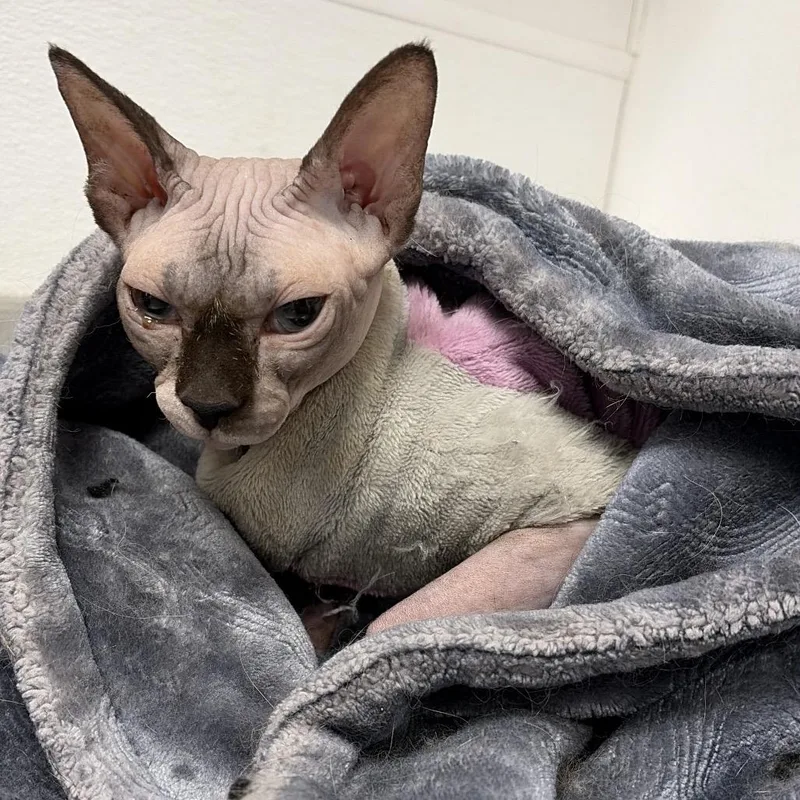
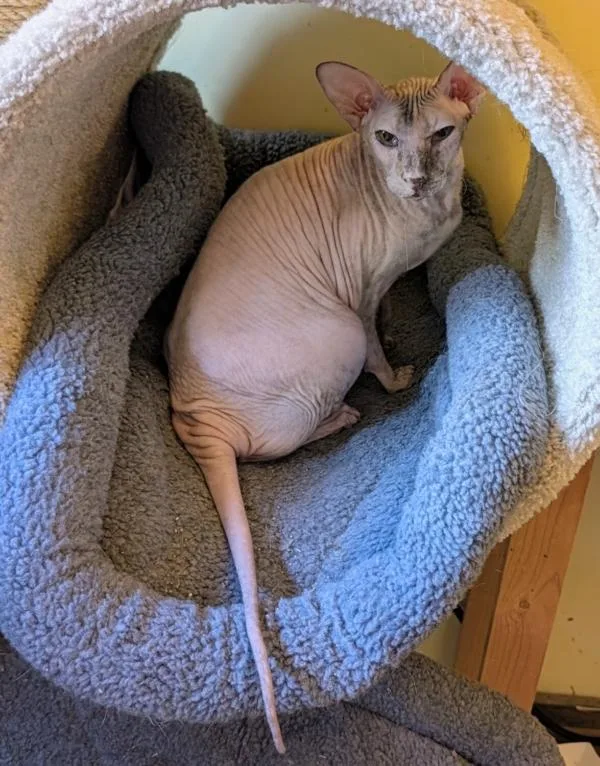
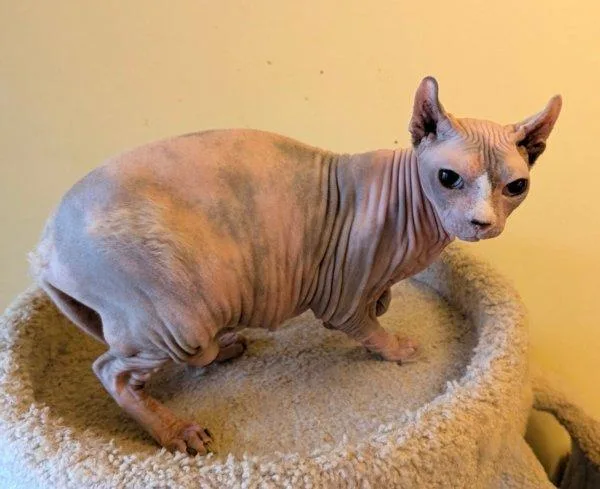
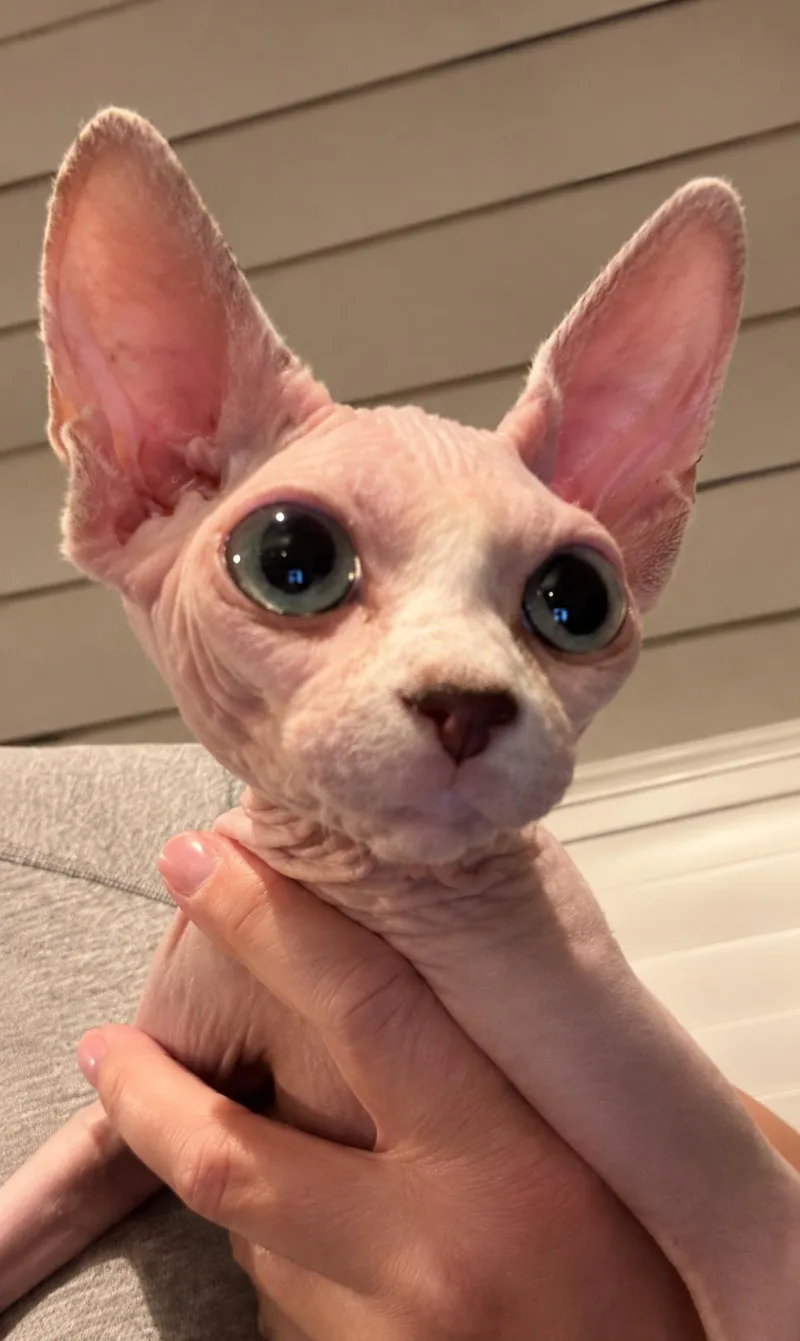
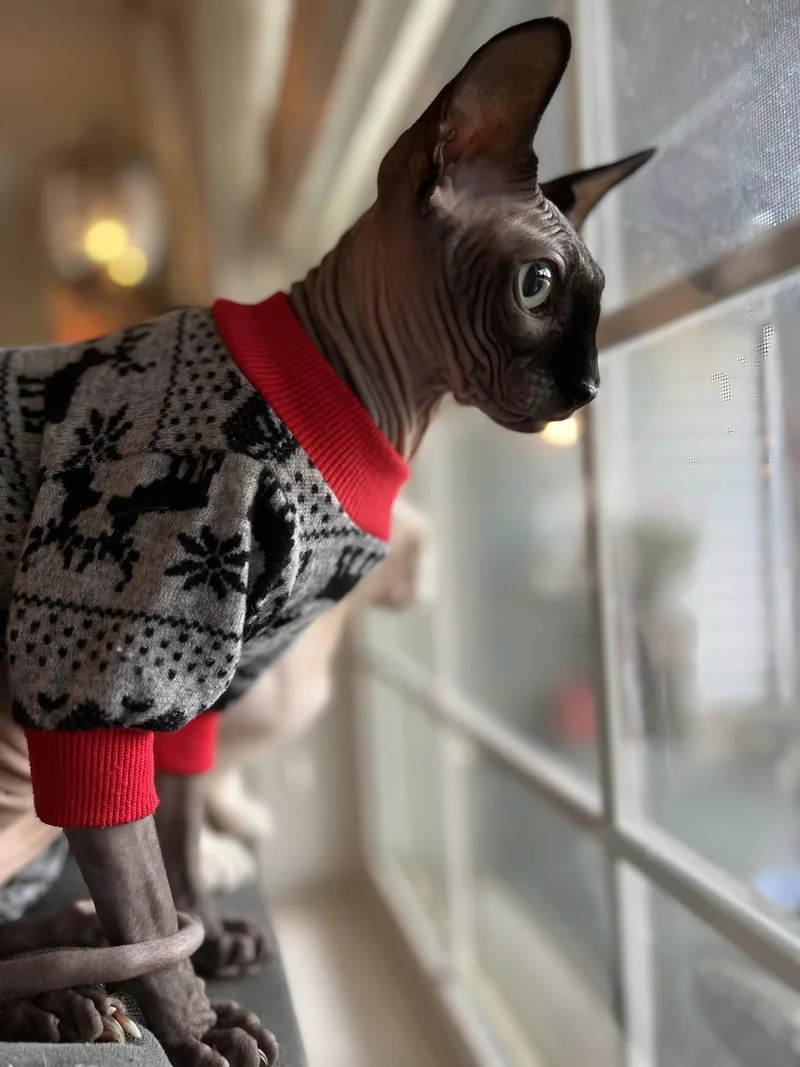
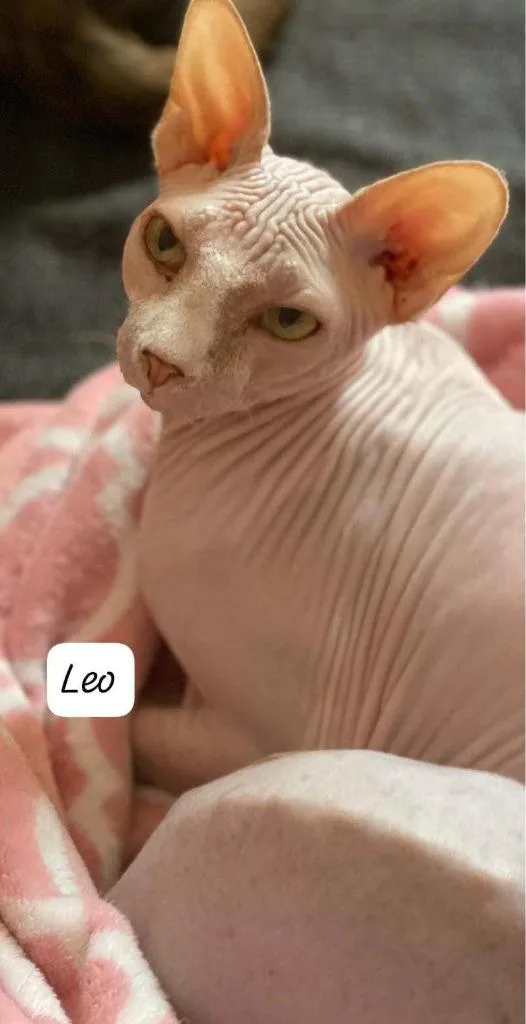
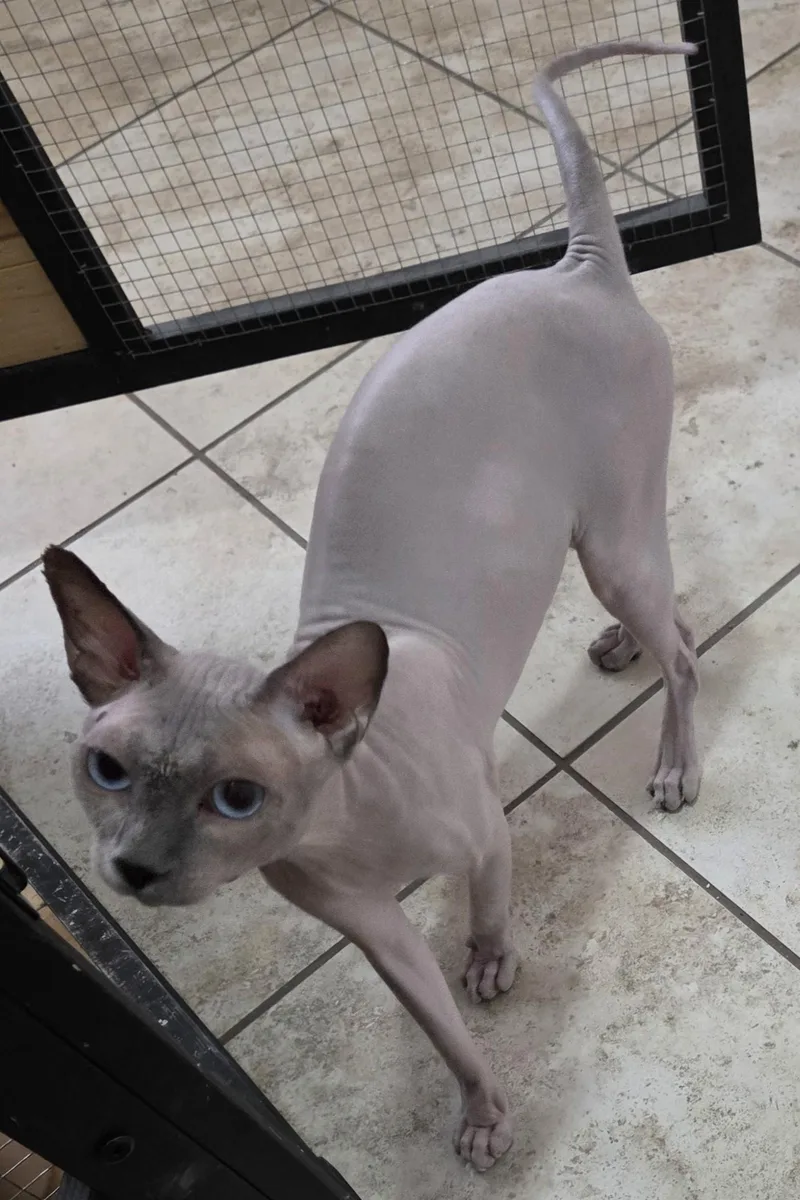
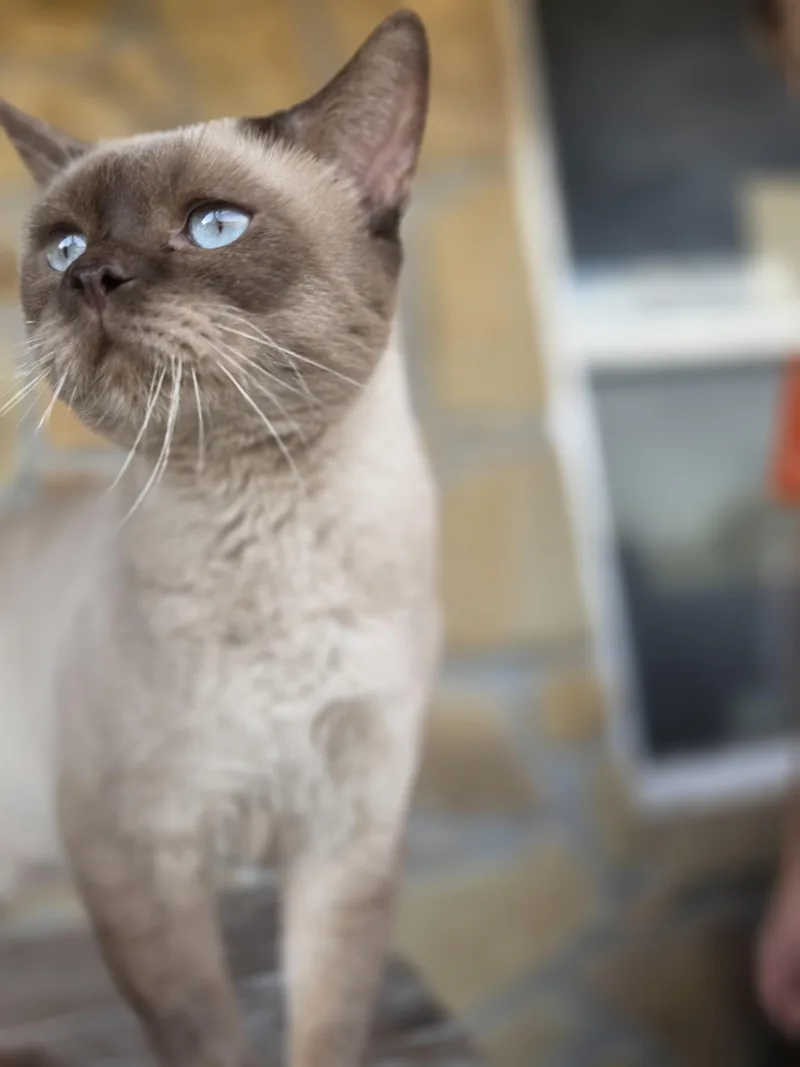
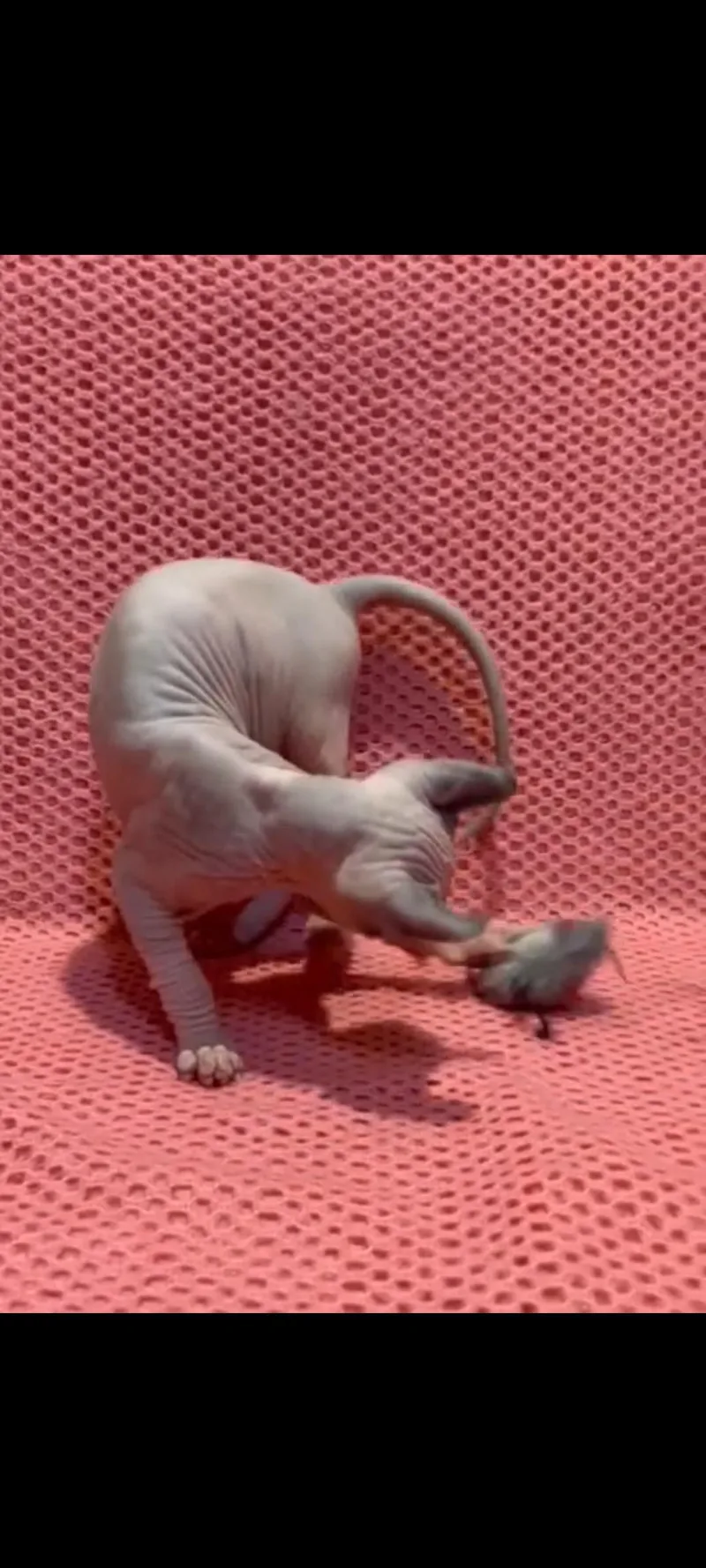
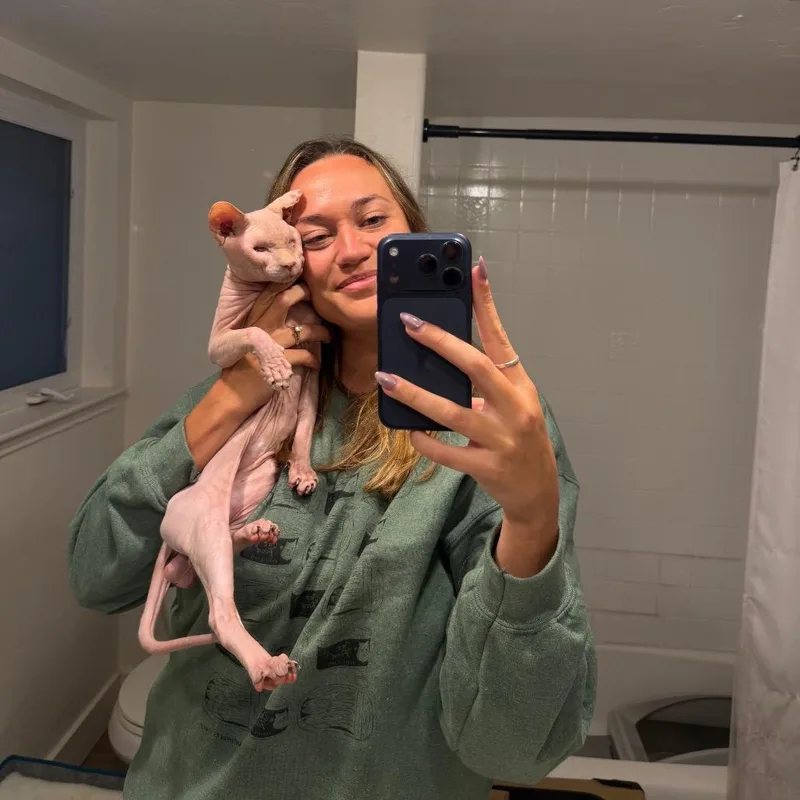
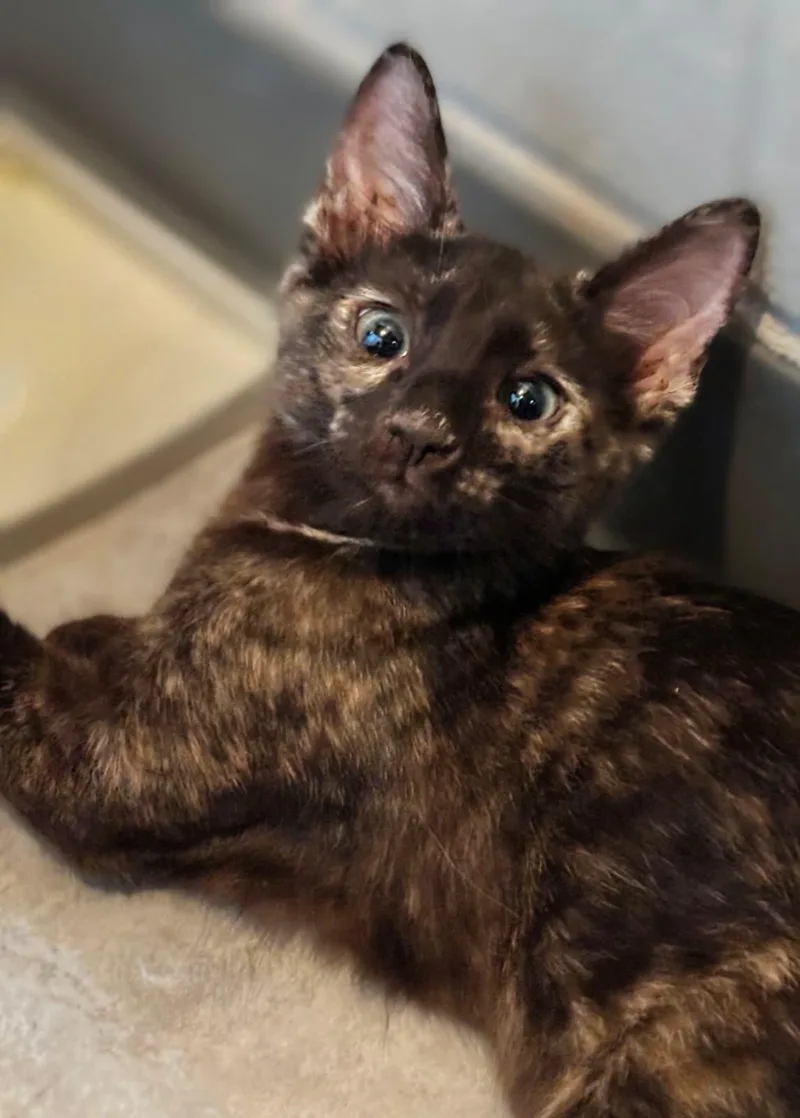
The Canadian Hairless began in Toronto in 1966, when a domestic shorthair gave birth to a hairless kitten named Prune. Hairless kittens found in Minnesota in the 1970s widened the gene pool, and the breed was later renamed the Sphynx. The hairlessness comes from a natural recessive mutation. These cats aren't truly bare: a fine peach fuzz covers skin that feels like warm suede, set off by large ears and lemon-shaped eyes.
Many are outgoing, playful and devoted, following their people from room to room and seeking out laps. That suits a Honolulu home where someone is around much of the day, or where a friendly companion pet keeps the cat company. Care takes routine: regular baths for oily skin, ear cleaning, sun protection and a vet's heart screening, since hypertrophic cardiomyopathy is common. Each cat varies in how much of this it needs.