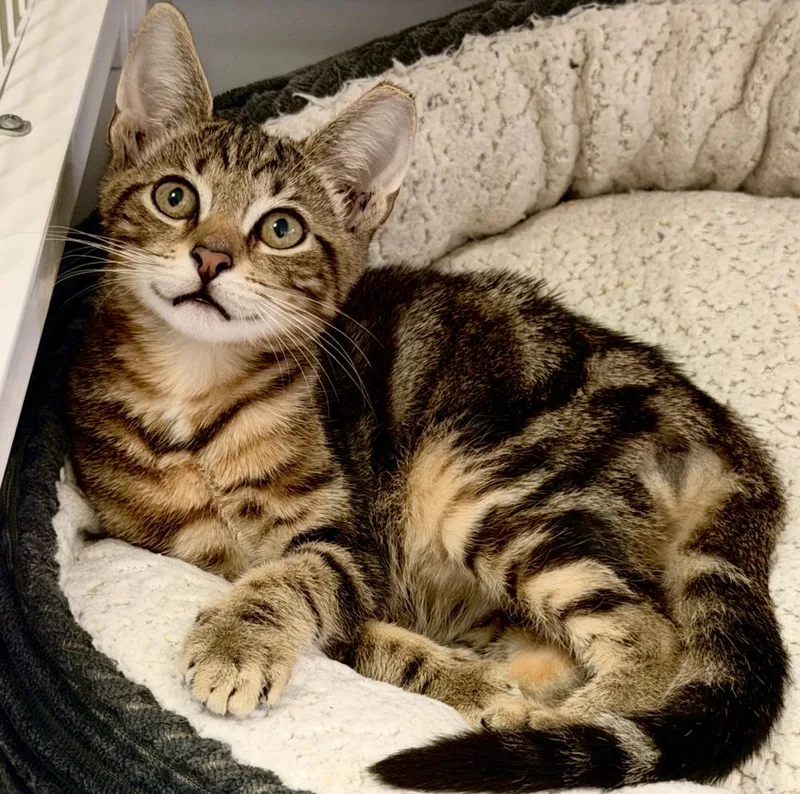
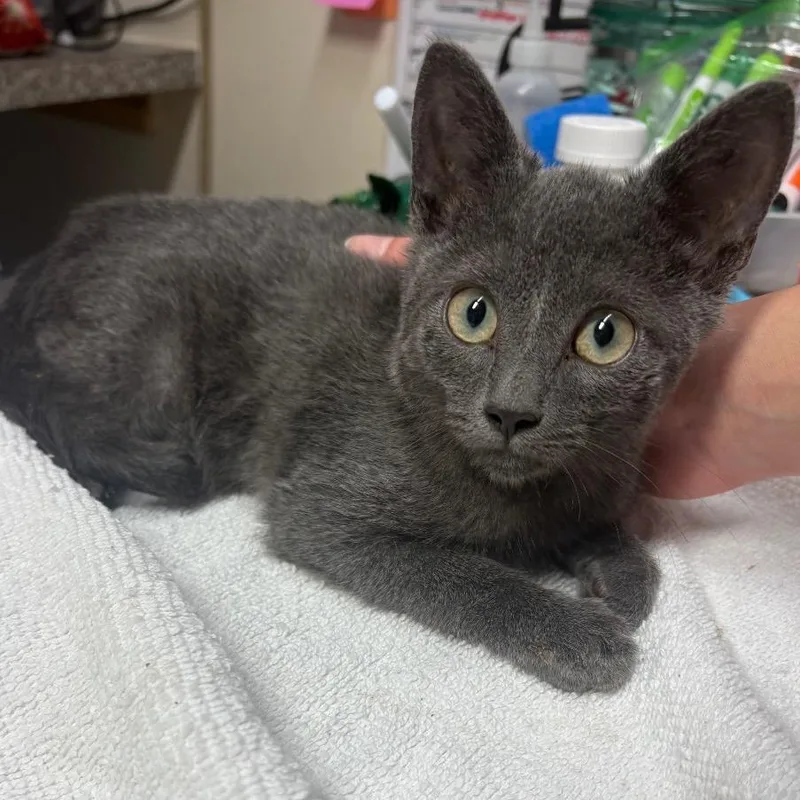
Turkish Angora Cats for Adoption in Fort Lauderdale, FL

Your guide to finding and caring for a Turkish Angora in Fort Lauderdale

Turkish Angoras fit Fort Lauderdale's high-rise condos well, because they care more about climbing space than square footage. A tall cat tree by a secured window gives an Angora a perch over the canals or the street, and its silky single coat handles the year-round warmth without much fuss. Expect to play with one every day, and expect it to follow you from room to room. In a downtown or Central Beach unit, a few wall shelves go a long way.

47 Turkish Angoras available in Fort Lauderdale and nationwide

Your Turkish Angora is waiting

While we don't have enough cats near Fort Lauderdale, keep in mind that many rescues may offer transport.

Turkish Angoras Available for Adoption Near Fort Lauderdale

About the Turkish Angora breed

The Turkish Angora is a natural longhair from the Ankara region of Turkey, documented in Europe by the 1600s. After being crossed heavily with Persians in the West, the original type nearly disappeared, and it survived partly through the white cats preserved at the Ankara Zoo. Today the breed comes in nearly every color, with a fine-boned body, tall upright ears and a plumed tail.

Angoras tend to be clever, athletic and closely tied to their people, often picking a favorite person and disliking sudden changes. The single, silky coat resists matting and needs combing a couple of times a week, more in spring. It also gets noticeably shorter in summer, which helps in a warm city. Cats vary, so a cat's own personality matters more than the breed description.

Weight
6–12 lbs
Height
9–11 in
Lifespan
12–16 yrs
Temperament
Active, Affectionate, Intelligent, Playful
Shedding
Moderate

Owning a Turkish Angora in Fort Lauderdale

Having a Turkish Angora in Fort Lauderdale

Angoras are graceful, busy and people-focused. In Fort Lauderdale, the traits that matter most are the need for daily play and vertical space, a coat that is easy to manage in the heat, and the hearing check worth doing for white cats.

Temperament

Many Turkish Angoras are affectionate, chatty company, often choosing one favorite person and feeling unsettled by sudden changes. That suits a steady routine in a condo or house, though frequent moves or a hectic schedule can stress them. Some do well with calm dogs and respectful kids after slow introductions, but each cat differs.

Exercise Needs

Plan on several active play sessions a day: wand toys, fetch, food puzzles and climbing. Fort Lauderdale's heat makes outdoor time a poor option for most cats, so tall trees, wall shelves and window perches carry the load. Rotating toys keeps a clever Angora from inventing its own games.

Health Considerations

Angoras are generally healthy, but white cats, especially blue-eyed or odd-eyed ones, have a higher risk of congenital deafness. Hypertrophic cardiomyopathy has been reported in adults, and a rare inherited ataxia affects some kittens. A veterinarian can check hearing and heart health, and can advise on year-round flea prevention in South Florida.

Living Space

Condos, apartments and houses all work when there is vertical space and secure windows. In a high-rise, keep balcony doors closed or enclosed, since a climbing Angora can slip out, and keep deaf cats strictly indoors. Many Angoras prefer homes where someone is around for much of the day.

What it costs to own a Turkish Angora in Fort Lauderdale

ExpenseTypical costPer year
Adoption fee$60, one time$60 in year one
Food$25 to $50 per month$300 to $600
Pet insurance$25 to $50 per month$300 to $600
Routine vet care$150 to $350 per year$150 to $350
Other*$525 to $1,305 per year$525 to $1,305
Estimated yearly total (after year one)$1,275 to $2,855
First-year total (with adoption fee)$1,335 to $2,915

Adoption fee is the fee on Turkish Angora listings in Fort Lauderdale on GetBuddy today. Other costs are estimates and vary with size, age and health.

* The Broward County pet tag ($25 a year if microchipped, $55 if not), litter, flea prevention, dental cleanings, toys and supplies, and combing for the long silky coat.

Adopt a Turkish Angora in Fort Lauderdale.

Now that you know more, let’s find you a new best friend. These rescues and shelters below currently have Turkish Angoras available.

Rescues in Fort Lauderdale with Turkish Angoras Available

Fort Lauderdale's rescue community includes a county shelter, a nonprofit humane society and other rescues placing cats. Here are the rescues & shelters in the Fort Lauderdale area where you can find Turkish Angoras and other cats available for adoption.

Frequently Asked Questions

Yes, a Turkish Angora can live happily in a Fort Lauderdale apartment or condo if it has tall cat trees, wall shelves and a window to watch from. Vertical space matters more than floor area. Read the pet clause before signing, and plan on daily play, since a bored Angora in a small unit will invent its own entertainment.

Yes. Florida law bars local governments from regulating pets by breed, so no Fort Lauderdale or Broward rule targets Turkish Angoras. The main requirements are a rabies vaccination and a Broward County tag for any cat four months or older. If you rent, a landlord or condo association can still set its own pet terms.

Yes, with sensible care. Summers are hot and humid, with highs near 90°F, but an indoor Angora with a single silky coat does well in a cooled home. Keep water available in several spots, block afternoon sun, and have a plan for storm-related power outages. Heavy panting, drooling or lethargy call for prompt veterinary care.

Yes, in a carrier. Fort Lauderdale has no subway, but Broward County Transit buses allow pets only in a secure cage, and Tri-Rail allows small pets enclosed in a proper carrying cage. Brightline also takes cats in a closed carrier. Getting your Angora used to the carrier at home makes any ride calmer.

Not much. The single silky coat resists matting, so combing a couple of times a week is usually enough, with extra sessions in spring when the coat thins for warm weather. The humidity doesn't change that routine. Combs and any occasional professional grooming, roughly $50 to $150 a year, fall within the Other line of the cost table.

Often, yes, for people who are home a fair amount and enjoy daily play. Angoras adapt to condos, climb well and cope with warmth thanks to the single coat. The main local task is hurricane readiness: keep a carrier, two weeks of food and litter, records and the county tag number ready before June 1.

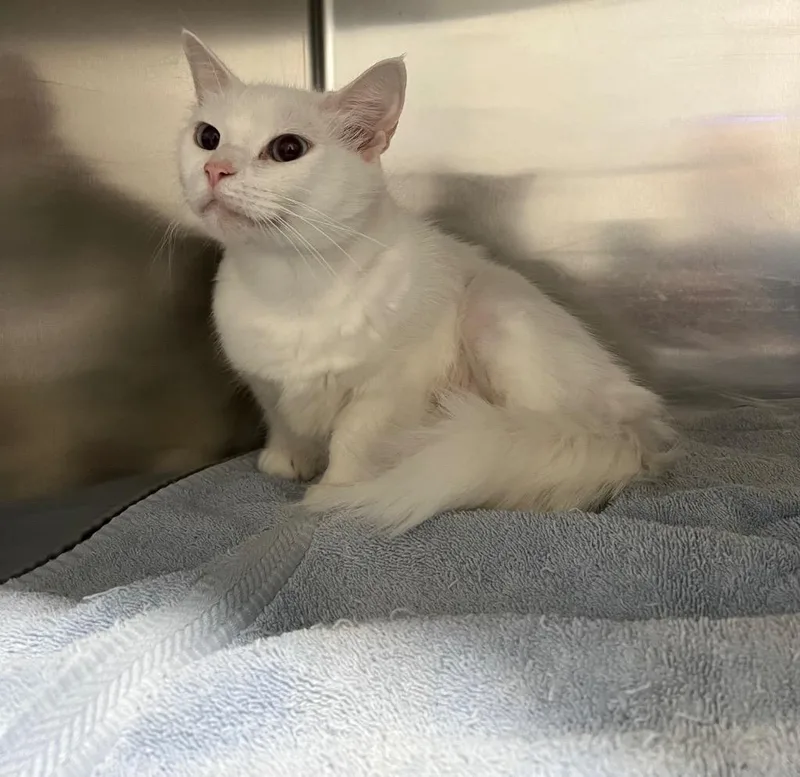
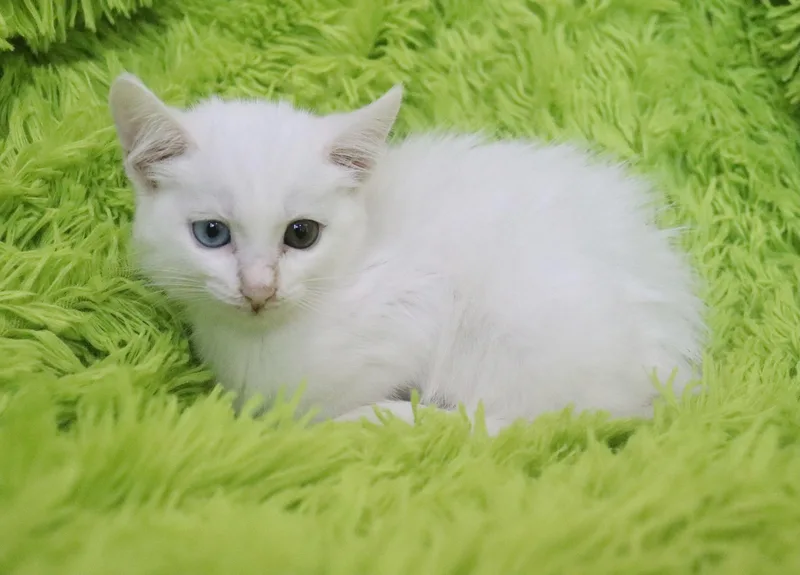
You can often identify a Turkish Angora by its fine-boned, elegant body, long legs, large upright ears set high on a wedge-shaped head, almond eyes and a silky single coat ending in a long plumed tail. Many are white, but other colors exist. Looks alone cannot confirm ancestry, so a long-haired rescue cat may resemble the breed without being purebred.

Turkish Angoras commonly live about 12 to 16 years, and some reach their late teens. Estimates vary between sources, with some suggesting a shorter range. Regular veterinary care, a healthy weight, dental care and keeping the cat indoors or safely enclosed help support a long life, though no range predicts an individual cat's future.

We have 1 rescue with Turkish Angoras available: Abandoned Pet Rescue. You can see every rescue with Turkish Angoras available in the list above these questions, or scroll to the top to see the Turkish Angoras near Fort Lauderdale.

Plan on roughly $1,275 to $2,855 a year. Food and pet insurance each run about $25 to $50 a month, routine vet care about $150 to $350 a year, and other costs such as litter, flea prevention, dental care and the county tag about $525 to $1,305. Emergencies and illness are extra.

Find Turkish Angoras in Nearby Cities

Expand your search to find Turkish Angoras available for adoption near Fort Lauderdale.