Tortoiseshell Cats for Adoption in Denver, CO

Your guide to finding and caring for a Tortoiseshell in Denver

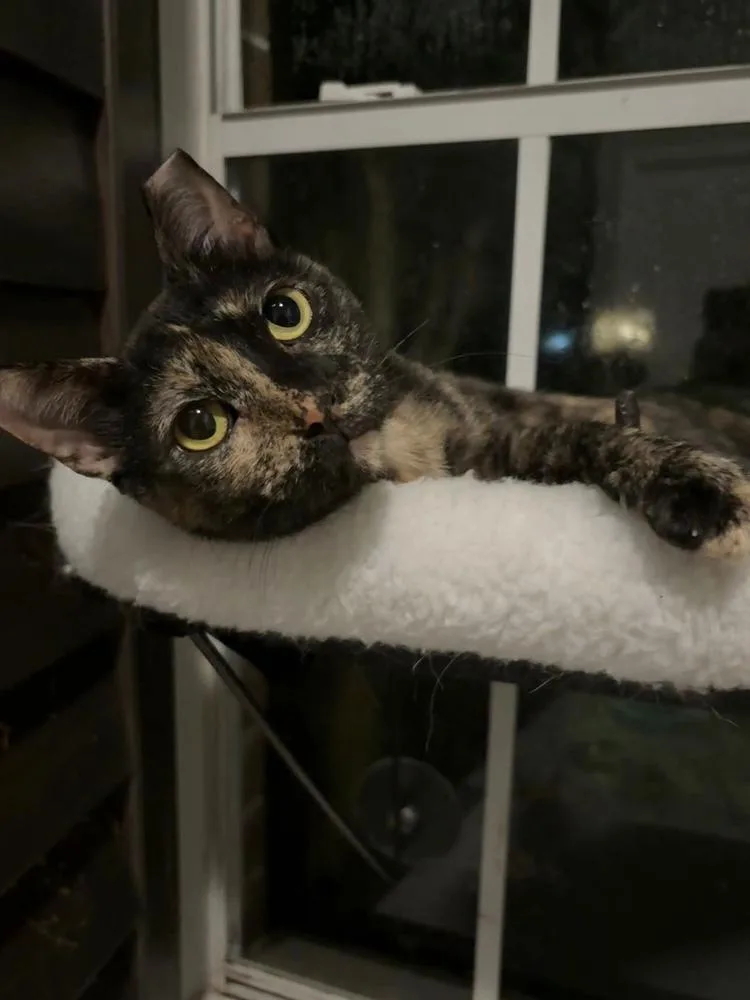
Tortoiseshell cats suit Denver's mix of brick bungalows and high-rise apartments equally well. A tortie in a Baker Victorian or a condo near Cheesman Park mostly needs a sunny window perch, a tall cat tree and daily play. Tortoiseshell is a coat pattern, not a breed, so these cats come in every age and temperament, from shy to bold. Cats who like watching the street from a sill do especially well in either.

960 Tortoiseshells available in Denver and nationwide

Your Tortoiseshell is waiting

While we don't have enough cats near Denver, keep in mind that many rescues may offer transport.

Tortoiseshells Available for Adoption Near Denver

About the Tortoiseshell breed

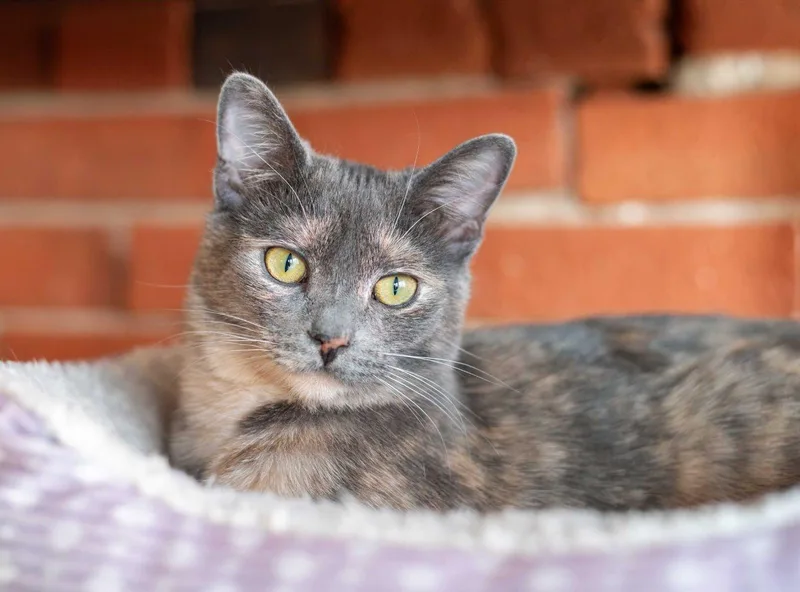
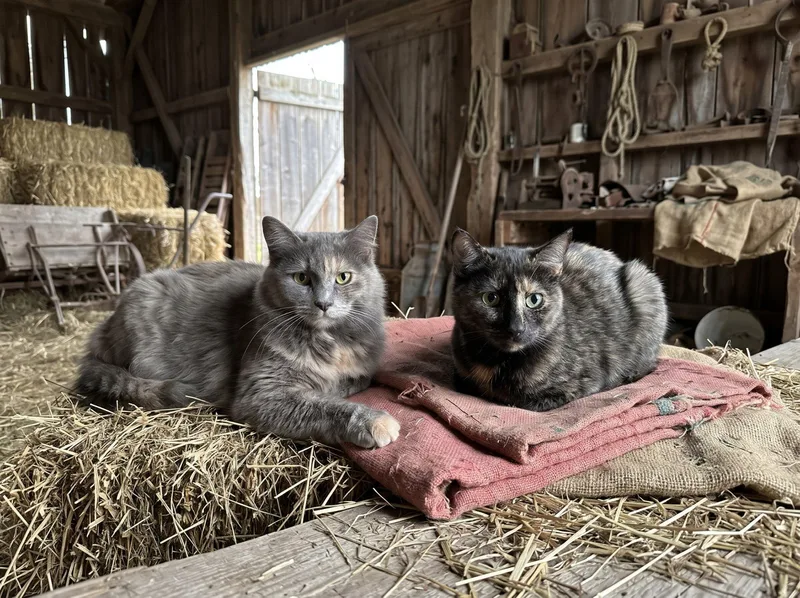
Tortoiseshell isn't a breed but a coat pattern: patches or fine mottling of black-based and orange-based colors, usually with little white. Because the orange gene sits on the X chromosome, nearly all torties are female. Dilute torties look soft gray and cream, and torbies add tabby stripes on top of the patchwork.

Most tortoiseshell cats are domestic shorthairs or longhairs, though the pattern appears in many breeds. Their reputation for "tortitude" comes mostly from owner impressions, so it's better to judge each cat by her age, history and behavior than by color. At roughly 6 to 14 pounds, torties are medium-sized and often live 12 to 18 years, so adopting one is a long commitment worth planning around.

Weight
6–14 lbs
Height
8–10 in
Lifespan
12–18 yrs
Temperament
Independent, Affectionate, Playful
Shedding
Moderate

Owning a Tortoiseshell in Denver

Having a Tortoiseshell in Denver

Because tortoiseshell describes a coat rather than a breed, a tortie's traits come mostly from her ancestry, age and upbringing. These cards cover what holds for most tortoiseshell cats adopters meet, and how those traits play out in Denver homes.

Temperament

Torties are often called spirited or opinionated, but that reputation rests on owner impressions rather than solid evidence. In a Denver apartment, what matters is how a cat handles hallway noise and neighbors. A shy tortie may want a quiet room to retreat to, while a bold one may enjoy a busy household.

Exercise Needs

Most tortoiseshell cats do well with daily interactive play, such as wand toys, chase games and puzzle feeders. Kittens and young adults usually need more activity, and seniors prefer gentler sessions. Window perches and tall cat trees give indoor cats in Denver apartments a way to climb, watch and burn energy.

Health Considerations

The tortoiseshell pattern itself carries no particular health risks in female cats, so a tortie's health depends on her breed mix, age and care. Yearly vet checkups, dental care and a healthy weight matter most. In Denver's dry air, make sure she always has fresh water, and ask a veterinarian about parasite prevention.

Living Space

Tortoiseshell cats adapt to apartments and houses alike, since space needs depend on the cat rather than the coat. Denver's condos, brick bungalows and rentals all work with scratching posts, a cat tree and a hideaway or two. Vertical space and a sunny window usually matter more than square footage.

What it costs to own a Tortoiseshell in Denver

ExpenseTypical costPer year
Food$25 to $50 per month$300 to $600
Pet insurance$20 to $45 per month$240 to $540
Routine vet care$150 to $350 per year$150 to $350
Other*$465 to $1,165 per year$465 to $1,165
Estimated yearly total (after year one)$1,155 to $2,655

Other costs are estimates and vary with size, age and health.

* The Denver cat license, litter, flea prevention, a dental cleaning allowance, toys and supplies, and home grooming.

Adopt a Tortoiseshell in Denver.

Now that you know more, let’s find you a new best friend. These rescues and shelters below have cats available in and near Denver.

Rescues and Shelters in or near Denver

Denver's municipal shelter and nonprofit rescues list adoptable cats on this page, so you can browse tortoiseshells and other cats in one place. Here are the rescues & shelters in the Denver area with cats available for adoption, worth asking whether a Tortoiseshell is coming in.

Frequently Asked Questions

Yes, Denver allows tortoiseshell cats, and no breed rules apply to cats. You'll need to license her within 30 days of arriving in the city once she's 6 months old, keep her rabies vaccination current, and have her spayed or neutered. Households can have up to five dogs and cats combined, with no more than three dogs.

Yes, tortoiseshell cats do well in apartments, since space needs depend on the cat rather than her coat. A window perch, cat tree and daily play go a long way. Because Denver doesn't grant intact permits for apartments, plan to spay or neuter, and read your lease for pet rules and fees.

Only in a carrier. RTD allows small pets in carriers on its buses and trains, while other animals are limited to service animals. A tortie fits that rule easily if she's comfortable in a carrier. On commuter rail, keep the carrier on the floor or your lap, not on a seat.

Yes, for indoor cats. Denver's dry air, freezing winter nights and hot summer afternoons are manageable inside, with a warm bed in winter and a cool room in July. Keep water available, secure window screens, and give her a quiet hiding spot during spring hail and thunderstorms.

Not much. Most torties are shorthairs with moderate shedding, so a weekly brushing is usually enough, and longhaired cats may need it a few times a week. Shedding picks up in spring and fall. Home grooming costs little, and a professional groomer is optional, so it barely changes your yearly budget.

Often, yes. A tortie can fit a Denver condo or a bungalow, as long as she has play, perches and a routine. Temperament varies by cat, so consider whether you're home enough for her energy level. Budget about $1,150 to $2,650 a year, and plan for licensing and spay/neuter.

A tortoiseshell cat is a cat with a coat pattern of black-based and orange-based colors blended or patched together, usually with little or no white. It is not a breed; the pattern appears in many breeds and most often in domestic shorthairs. Nearly all tortoiseshells are female because the genes for orange and black are carried on the X chromosome.

Almost all tortoiseshell cats are female, but not all. A female has two X chromosomes and can carry both orange and black color genes, producing the mixed coat. Males normally have only one X. Rare male torties usually have an extra X chromosome or are genetic chimeras, and they are estimated at roughly 1 in 3,000 tortoiseshells.

No, tortoiseshell cats are not rare. They are common among domestic cats and are regularly found in shelters and rescues. What is rare is a male tortoiseshell, since the pattern almost always requires two X chromosomes. Certain variations, such as long-haired or dilute torties, are less common simply because they require additional recessive genes.

Plan on roughly $1,150 to $2,650 a year for a tortoiseshell in Denver. That covers food at $25 to $50 a month, insurance at $20 to $45 a month, routine vet care at $150 to $350 a year, and about $465 to $1,165 in other costs such as litter, prevention, dental care and the city license.

Find Tortoiseshells in Nearby Cities

Expand your search to find Tortoiseshells available for adoption near Denver.