Extra-Toes Cat / Hemingway Polydactyls for Adoption in Denver, CO

Your guide to finding and caring for an Extra-Toes Cat / Hemingway Polydactyl in Denver

An Extra-Toes Cat suits a Denver apartment well, especially one with a good window. In a Capitol Hill or Cheesman Park building, a cat with mitten paws can spend the afternoon on a sill watching the street below. The extra toes don't change much day to day, though the claws need trimming every few weeks. Because so many Denver homes are rentals, read the pet terms in a lease before you fall for a listing, and put a sturdy scratching post by that window.

194 Extra-Toes Cat / Hemingway Polydactyls available in Denver and nationwide

Adopt a Polydactyl cat today

While we don't have enough cats near Denver, keep in mind that many rescues may offer transport.

Extra-Toes Cat / Hemingway Polydactyls Available for Adoption Near Denver

About the Extra-Toes Cat / Hemingway Polydactyl breed

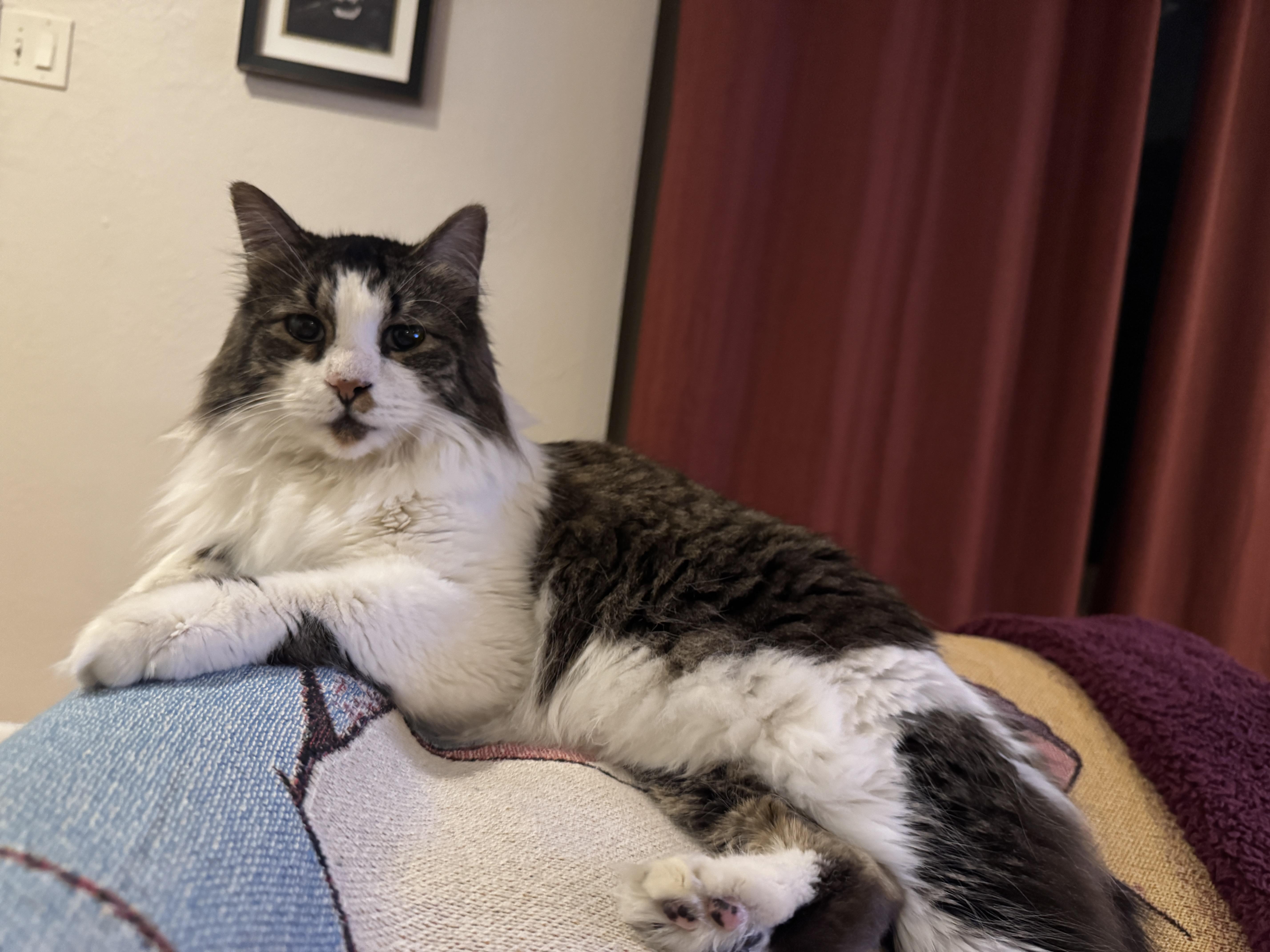
The Extra-Toes Cat, or Hemingway Polydactyl, isn't a breed. It's any cat born with polydactyly, a harmless genetic variation that adds toes to one or more paws. A typical cat has 18 toes, while polydactyls often have six or seven on a front paw, sometimes forming a mitten-like thumb. Most are domestic shorthairs or longhairs, so coats, sizes and personalities vary as widely as in any other cats.

In Denver, that means you might meet a 6-pound lap sitter or a 15-pound climber, so judge each cat by its age, energy and temperament rather than its toe count. The main care difference is claw trimming, because extra claws can curl into the paw pads. Beyond that, these cats need what any indoor cat needs: play, vertical space and regular veterinary care.

Weight
6–15 lbs
Height
8–10 in
Lifespan
12–18 yrs
Temperament
Adaptable, Curious, Affectionate
Shedding
Moderate

Owning an Extra-Toes Cat / Hemingway Polydactyl in Denver

Having an Extra-Toes Cat / Hemingway Polydactyl in Denver

Extra toes make for distinctive paws, but they don't set a cat's personality or health. What matters most is each cat's age, coat and history, plus steady claw care and enough play and climbing space for a Denver apartment or house.

Temperament

Polydactyl cats run from bold, chatty companions to shy ones who warm up slowly, just like any domestic cat. The extra toes don't predict friendliness. In a Denver apartment, a curious, adaptable cat usually does well with window views, a steady routine and daily attention, while a nervous one may need quiet hiding spots first.

Exercise Needs

Plan on daily interactive play with wand toys, balls and puzzle feeders, since many extra-toed cats are agile climbers. Indoor cats in Denver need this most on stormy or snowy days, when a window is the only entertainment. Kittens and young adults want more play than seniors, so match sessions to the cat's age.

Health Considerations

Polydactyly itself usually causes no health trouble, but extra claws may not wear down and can grow into the paw pads, so check them often. These cats share the usual feline risks, such as dental disease, obesity and kidney disease. A veterinarian can check the paws, teeth and weight after adoption and confirm the toes are normal.

Living Space

These cats adapt to apartments and houses equally well. In Denver's many apartment buildings, give them vertical space, a sturdy scratching post, hiding spots and a clean litter box. Keep window screens secure to prevent falls from upper floors, and keep the cat indoors or in a secure enclosure to avoid traffic and coyotes.

What it costs to own an Extra-Toes Cat / Hemingway Polydactyl in Denver

ExpenseTypical costPer year
Food$25 to $50 per month$300 to $600
Pet insurance$20 to $45 per month$240 to $540
Routine vet care$150 to $350 per year$150 to $350
Other*$465 to $1,165 per year$465 to $1,165
Estimated yearly total (after year one)$1,155 to $2,655

Other costs are estimates and vary with size, age and health.

* Litter, the $15 Denver cat license, flea prevention, a dental cleaning allowance, toys and scratching posts, and home claw trims and brushing.

Adopt an Extra-Toes Cat / Hemingway Polydactyl in Denver.

Now that you know more, let’s find you a new best friend. These rescues and shelters below have cats available in and near Denver.

Rescues and Shelters in or near Denver

Denver's shelters and rescues care for cats of every age and coat, and extra-toed cats can show up among them. Here are the rescues & shelters in the Denver area with cats available for adoption, worth asking whether an Extra-Toes Cat / Hemingway Polydactyl is coming in.

Frequently Asked Questions

Yes, Denver's rules apply to all cats equally, with no special rules for extra toes. The main steps are a city license, rabies vaccination and spay/neuter, and your lease must allow cats. Cats adopted from a shelter are usually already spayed or neutered and microchipped, so the paperwork is mostly the license and vaccine records.

Yes, as long as the cat travels in a carrier. RTD allows only small pets in carriers on its buses and trains, and its rules list no size limit. On commuter rail, keep the carrier on the floor or your lap, out of the aisle and off the seats. Choose a secure, ventilated carrier.

Yes, they do well in apartments when they have enough to do. Offer a window perch, a tall cat tree, a sturdy scratching post and daily play with wand toys. Secure screens matter on upper floors, since cats can fall from open windows. A bored cat may yowl, so regular play helps keep things quiet for neighbors.

Yes, indoor Extra-Toes Cats handle Denver winters well. Nights drop to freezing about 156 days a year, but afternoons usually warm into the mid-40s. Keep them inside, offer warm beds away from drafts, and wipe any paws that touch salt or ice melt. Extra toes don't make a cat more sensitive to cold.

Plan on a claw trim every few weeks, since extra claws may not wear down and can curl into the paw pads. Brush weekly to manage moderate shedding, and more often for a longhaired coat. Most owners do this at home, so grooming adds little to the yearly Other costs.

It can be, especially for people who want an indoor companion in an apartment or house. Sunny windows suit cats that love to watch the street. They need daily play, regular claw trims and a lease that welcomes cats. A cat's own personality matters more than its toe count, so look at each cat's energy and age.

A cat normally has 18 toes: five on each front paw and four on each back paw. The fifth front toe is the dewclaw, set higher on the inside of the leg like a thumb, so it doesn't touch the ground when the cat walks. Polydactyl cats have more than 18, most often an extra one or two per front paw.

Cats don't have true thumbs. The dewclaw on each front paw sits in a similar position to a human thumb and helps a cat grip prey and climb, but it isn't opposable. Some polydactyl cats have extra toes on the inner side of the paw that look like a thumb, which is where the nickname thumb cat comes from.

A polydactyl cat is a cat born with more than the usual number of toes on one or more paws. It is a genetic trait, not a breed, and it can appear in any cat, though most are domestic shorthairs or longhairs. The common form is harmless and is passed down by a dominant gene.

Expect roughly $1,150 to $2,650 a year for an adult Extra-Toes Cat in Denver. Food runs $25 to $50 a month and insurance $20 to $45, routine vet care $150 to $350 a year, and other costs such as litter, flea prevention and dental care $465 to $1,165 a year. Adoption fees appear in the listings.