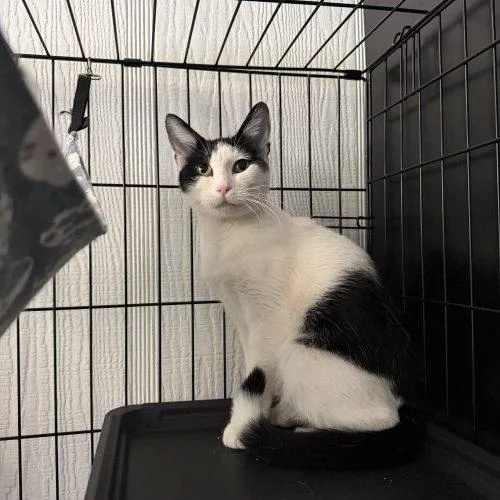
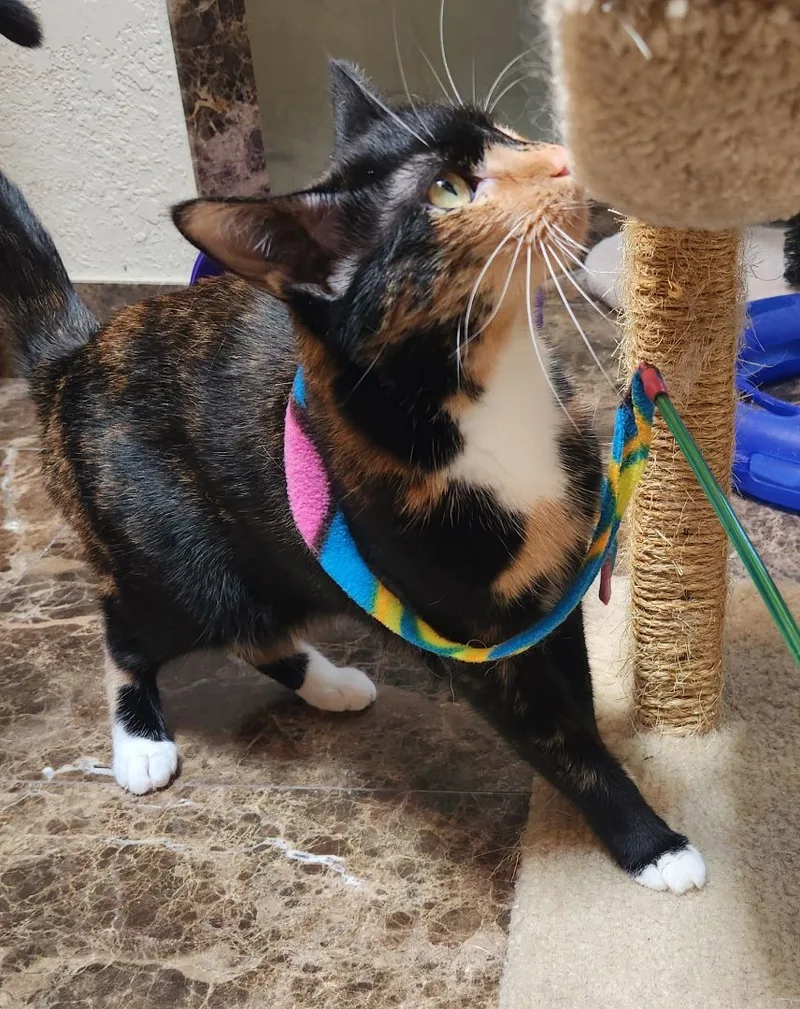
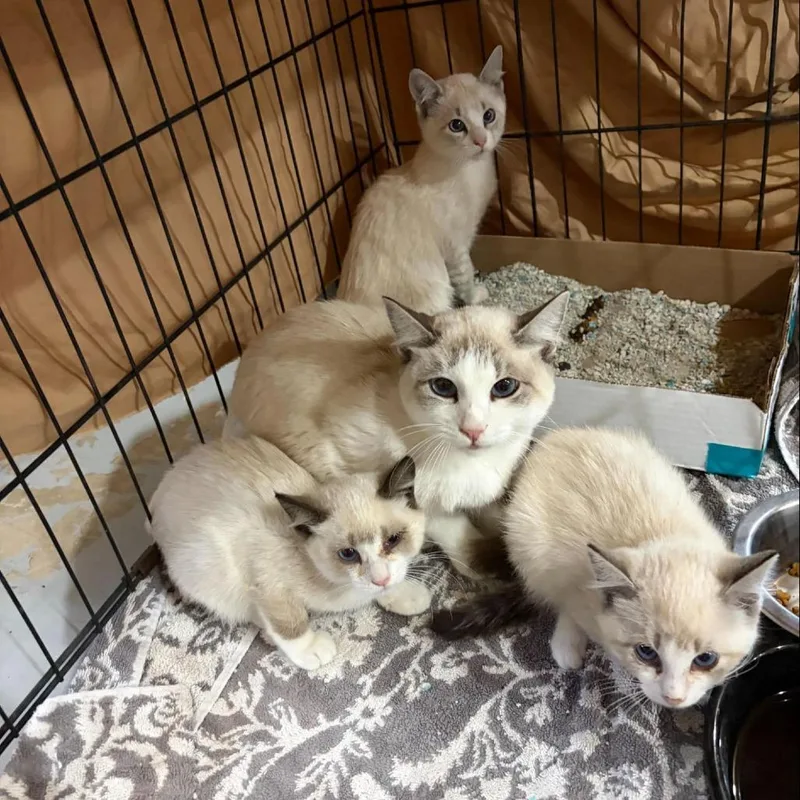
Calico Cats for Adoption in Denver, CO

Your guide to finding and caring for a Calico in Denver

Calicos fit Denver's mix of brick houses and apartment buildings because they're ordinary house cats in a distinctive coat. Calico is a coat pattern, not a breed, so personalities range from shy to bold. In Baker, where 19th-century brick houses sit beside newer apartments, a sunny sill, a scratching post and a few play sessions a day cover most of it. Keeping the cat indoors also steers her clear of the coyotes that turn up around Denver's parks and open space.

1422 Calicos available in Denver and nationwide

Bring home a Calico

While we don't have enough cats near Denver, keep in mind that many rescues may offer transport.

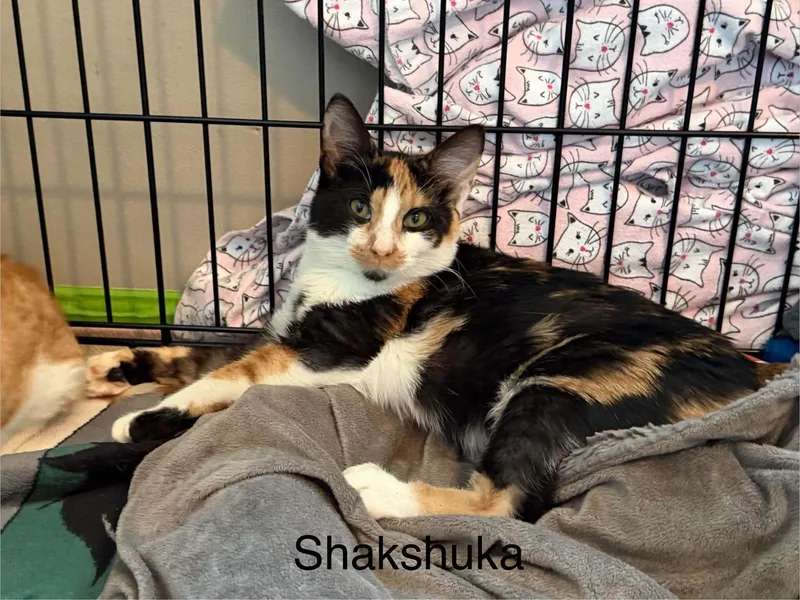
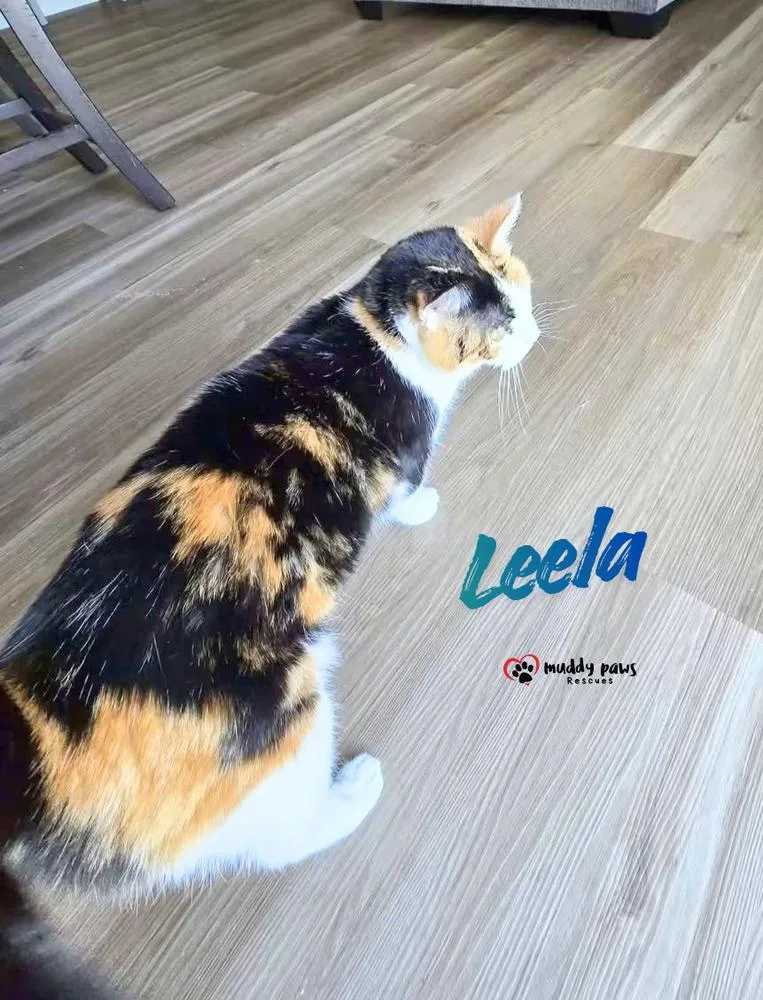
Calicos Available for Adoption Near Denver

About the Calico breed

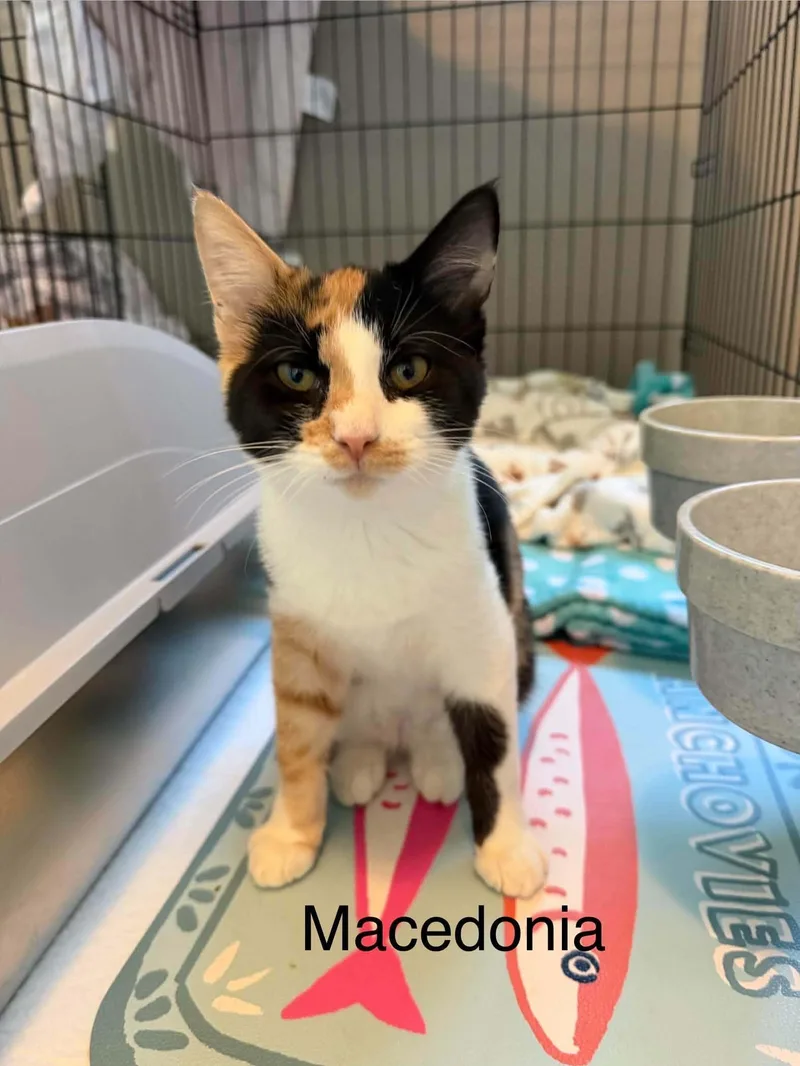
Calico describes a coat, not a breed: white with patches of black and orange, or soft gray and cream in the dilute version. The pattern shows up in domestic shorthairs and longhairs as well as many pedigreed breeds. Because the orange and black color gene sits on the X chromosome, nearly every calico is female, and the rare males usually carry an extra X chromosome.

A calico's size, coat and health follow whatever she's made of, which in most cases is a domestic shorthair weighing roughly 6 to 12 pounds and living 12 to 18 years. Shedding is moderate. Folklore credits calicos with attitude, but coat color hasn't been shown to predict personality, so meet the cat in front of you and watch how she handles people and play.

Weight
6–12 lbs
Height
8–10 in
Lifespan
12–18 yrs
Temperament
Adaptable, Affectionate, Independent
Shedding
Moderate

Owning a Calico in Denver

Having a Calico in Denver

Expect the range of an ordinary house cat: some calicos are shy, others bold. Ancestry, age and early life shape personality, grooming and care far more than the patches do, so plan around the particular cat you meet in Denver.

Temperament

Calicos can be gentle, aloof, chatty or sassy, because personality comes from genes and experience, not color. The "tortitude" reputation is folklore, though some owner surveys report slightly more feisty behavior, so be ready for a cat with opinions. In a busy Denver building, notice how a cat reacts to hallway noise and visitors.

Exercise Needs

Most calicos have moderate energy: bursts of chasing and pouncing, then long naps. Two or three short sessions a day with wand toys or food puzzles keep a cat fit, and a tall cat tree adds vertical room in a small apartment. Young cats need more play than seniors, and heavier or longhaired mixes may prefer gentler games.

Health Considerations

Coat color doesn't cause health problems in female calicos, so care means vaccines, dental care, weight control and regular checkups. Rare male calicos with an extra X chromosome can face added urinary and metabolic issues. A Denver veterinarian can also advise on parasite prevention and on keeping an indoor cat at a healthy weight.

Living Space

A calico adapts to a Denver apartment or a house when she has scratching posts, a window perch, hiding spots and regular play. A shy cat appreciates a quiet room to settle into at first. Indoor living is safest, with a catio or harness time for fresh air; keep windows and balcony doors screened.

What it costs to own a Calico in Denver

ExpenseTypical costPer year
Food$25 to $50 per month$300 to $600
Pet insurance$20 to $45 per month$240 to $540
Routine vet care$150 to $350 per year$150 to $350
Other*$465 to $1,165 per year$465 to $1,165
Estimated yearly total (after year one)$1,155 to $2,655

Other costs are estimates and vary with size, age and health.

* Litter, flea prevention, a dental cleaning allowance, toys and supplies, home brushing, and the $15 one-year Denver cat license.

Adopt a Calico in Denver.

Now that you know more, let’s find you a new best friend. These rescues and shelters below have cats available in and near Denver.

Rescues and Shelters in or near Denver

Denver's adoption community includes a city shelter and nonprofit groups, all listed below along with the cats and kittens they've posted. Here are the rescues & shelters in the Denver area with cats available for adoption, worth asking whether a Calico is coming in.

Frequently Asked Questions

Yes. Calico is a coat pattern, and Denver's breed-specific permit applies to three dog breeds, not to cats. A household may have up to five dogs and cats combined, no more than three of them dogs, so a few cats are fine. Calicos still follow the same licensing, rabies and spay/neuter rules as every Denver cat.

Yes, a Calico can live in an apartment in Denver as long as the cat has things to climb, scratch and watch from. Most calicos are ordinary domestic cats with moderate energy, so two or three short play sessions daily usually cover it. In a high-rise, keep windows and balcony doors screened or closed, since cats can fall.

Yes. A Calico living indoors handles Denver winters easily, since afternoons usually reach the mid-40s even though nights dip below freezing on about 156 days a year. Give the cat a warm bed away from drafts and expect heavy snow in March. A longhaired calico has a thicker coat, but neither type should be left outdoors in a storm.

Only in a carrier. RTD prohibits pets on its vehicles and in its facilities except small pets in carriers, so a Calico can ride RTD buses and trains if she travels in one. On commuter rail, keep the carrier on the floor out of the aisle or on your lap, not on a seat. Service animals are exempt.

A shorthaired Calico needs about a weekly brushing, while a longhaired one does better with a few brushings a week to prevent mats. Denver's dry air can make coats staticky, so a gentle comb helps. Professional grooming is rarely needed for shorthairs; an occasional mat trim for a longhaired cat fits within the yearly Other costs above.

Almost all calico cats are female, but not every single one. The genes for orange and black coat color sit on the X chromosome, so a cat normally needs two X chromosomes to show both colors at once. Roughly 1 in 3,000 calicos is male, usually because of an extra X chromosome, a genetic quirk rather than a separate type.

A calico cat is any cat with a three-color coat of white plus distinct patches of black and orange, or gray and cream in dilute calicos. Calico is a coat pattern rather than a breed, so it appears in domestic shorthairs, longhairs and many pedigreed breeds. Nearly all calicos are female because of how coat color genes are inherited.

Yes, calico cats can be male, but it is very rare. A male calico usually has XXY chromosomes instead of the typical XY, a condition similar to Klinefelter syndrome in people, or is a chimera formed from two embryos. These males are almost always sterile and may have extra health needs, so regular veterinary care is especially worthwhile.

Calico cats are not rare in general; they are a common sight in shelters and homes because the pattern appears in ordinary domestic cats. What is rare is a male calico, with only about 1 in 3,000 calicos being male. Calicos of uncommon breeds or with long coats may simply take longer to find in adoption listings.

Expect roughly $1,150 to $2,650 a year for an adult calico, based on the table's ranges. That covers food at $25 to $50 a month, insurance at $20 to $45 a month, routine vet care at $150 to $350 a year, and other yearly costs of $465 to $1,165, including litter and the city license.

Find Calicos in Nearby Cities

Expand your search to find Calicos available for adoption near Denver.