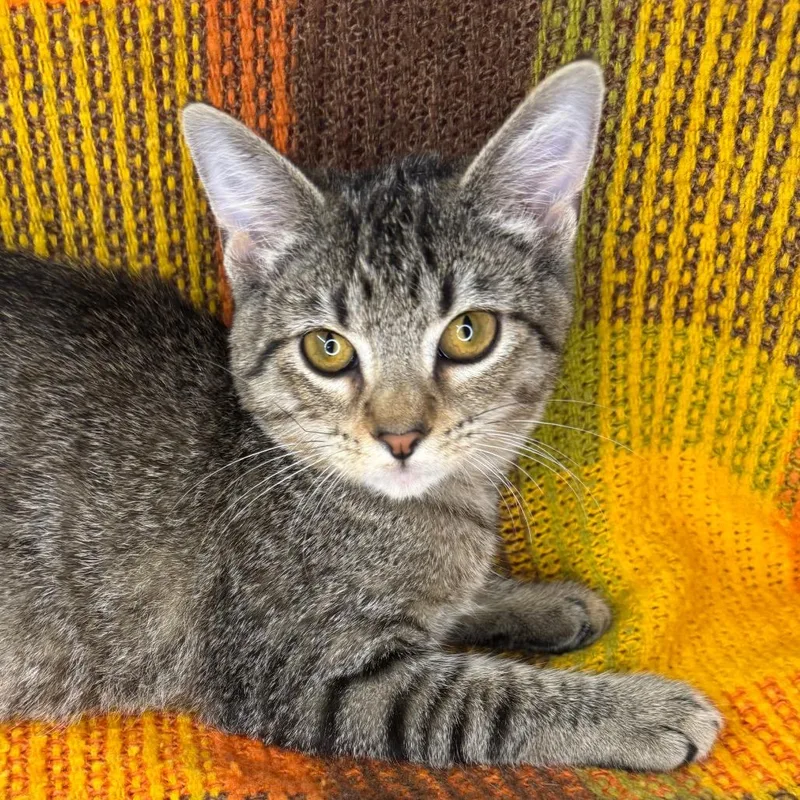
American Wirehair cat

American Wirehair Cats for Adoption in Denver, CO

Your guide to finding and caring for an American Wirehair in Denver

American Wirehairs suit Denver's apartment blocks and brick bungalows equally well. They're easygoing cats, so a one-bedroom near Cheesman Park works fine with a window perch and a daily play session. In an Athmar Park ranch, a Wirehair will happily patrol from a cat tree by the front window. They're muscular, medium-to-large cats that put on weight easily, so wand toys matter more than square footage.

21 American Wirehairs available in Denver and nationwide

Adopt an American Wirehair today

While we don't have enough cats near Denver, keep in mind that many rescues may offer transport.

American Wirehairs Available for Adoption Near Denver

About the American Wirehair breed

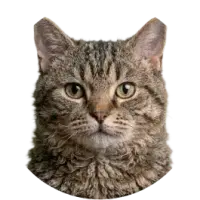
The American Wirehair started with a single red-and-white kitten born on a farm in Verona, New York, in 1966. His crimped, springy coat came from a spontaneous dominant gene, and crosses with American Shorthairs established the breed. It's still one of the rarest pedigreed cats, so Denver adopters should expect Wirehairs to be uncommon and keep similar breeds in mind too.

Wirehairs are medium to large, usually 8 to 15 pounds, with round heads, muscular bodies and a coarse, resilient coat. Even the whiskers can curl. Most are easygoing, affectionate and playful without being demanding, which suits a Denver household where people are out for part of the day. They mature slowly, often over three to four years, and each cat's personality varies.

Weight
8–15 lbs
Height
8–10 in
Lifespan
12–16 yrs
Temperament
Easygoing, Affectionate, Playful
Shedding
Low to Moderate

Owning an American Wirehair in Denver

Having an American Wirehair in Denver

Beyond the springy coat, the Wirehair is a sturdy, adaptable cat. Here's how its energy, health and space needs line up with Denver living, from small apartments to bungalows with a sunny window.

Temperament

Wirehairs are typically mellow and affectionate, happy to sit nearby while you work or cook without constantly asking for attention. Many get along with respectful children and other pets. That steadiness suits Denver's mix of busy apartments and family homes, though personalities differ, so notice how a cat reacts to noise and handling.

Exercise Needs

Expect moderate energy: short bursts of chasing and pouncing between long naps. Two brief daily sessions with wand toys, balls or food puzzles keep a Wirehair fit, and climbing shelves add exercise in a small place. Their solid build gains weight quickly if play drops off, which matters during indoor winter days.

Health Considerations

Wirehairs are generally healthy, but hypertrophic cardiomyopathy is worth discussing with a veterinarian, who can check the heart and listen for murmurs. The wiry coat can come with oily or sensitive skin, and a veterinarian can advise on skin care. Dental care and a healthy weight help these cats reach 12 to 16 years.

Living Space

A Wirehair adapts to a Denver one-bedroom or a larger house if it has scratching posts, perches, hiding spots and regular play. Vertical space matters more than floor area. Keeping it indoors is safest, with a window perch or secured catio for fresh air, since outdoor roaming carries real risks.

What it costs to own an American Wirehair in Denver

ExpenseTypical costPer year
Food$25 to $50 per month$300 to $600
Pet insurance$25 to $50 per month$300 to $600
Routine vet care$150 to $350 per year$150 to $350
Other*$465 to $1,165 per year$465 to $1,165
Estimated yearly total (after year one)$1,215 to $2,715

Other costs are estimates and vary with size, age and health.

* Litter, the $15 one-year Denver cat license, flea prevention, a dental cleaning allowance, toys, scratchers and other supplies, and occasional gentle home grooming.

American Wirehair cat

Adopt an American Wirehair in Denver.

Now that you know more, let’s find you a new best friend. These rescues and shelters below have cats available in and near Denver.

Rescues and Shelters in or near Denver

Denver has a city shelter and nonprofit rescues, and the ones listed here help match cats with homes. Here are the rescues & shelters in the Denver area with cats available for adoption, worth asking whether an American Wirehair is coming in.

Frequently Asked Questions

Yes, you can own an American Wirehair in Denver; the city's breed-specific rule covers three pit bull–type dog breeds, not cats. Any cat six months or older needs a city license, a rabies vaccination and spay/neuter. Because Wirehairs are rare, watch the listings on this page, browse similar breeds like the American Shorthair, or save a search for new cats.

Yes, an American Wirehair generally does well in a Denver apartment. The breed is calm and moderately active, so it needs vertical space more than square footage: a tall cat tree, a window perch and daily wand-toy play. Weight can creep up in a small place, so add food puzzles and climbing. Sturdy scratching posts also protect furniture.

An American Wirehair can be a good fit for Denver if you want an affectionate, easygoing cat and can offer daily play. It suits both apartments and houses, and it copes well indoors with the city's dry air and temperature swings. It's less ideal if you're gone long hours, since many Wirehairs like company. Personalities vary from cat to cat.

An American Wirehair needs only light grooming, about a gentle weekly combing. Heavy brushing can damage the crimped hairs. Denver's dry air can bother sensitive skin, so a humidifier and a veterinarian's advice on oily skin help. Baths are rarely needed, and professional grooming isn't usually necessary, so the Other cost line counts only occasional home grooming.

Yes, if the cat is in a carrier. RTD allows small pets in carriers on its buses and trains, and on commuter rail a crated pet must stay on the floor or your lap, not a seat. RTD lists no size limit, but a Wirehair near 15 pounds needs a roomy, secure carrier. Loose pets aren't allowed.

No, American Wirehair cats are not hypoallergenic. The main cat allergen comes from saliva and skin glands, not hair length or texture, so a wiry coat does not remove it. Their dense, crimped coat may shed a little less than some breeds, but allergic people should spend extended time with a specific cat before adopting and talk to their doctor.

Yes, American Wirehair cats are very rare. The entire breed descends from one kitten born in New York in 1966, and registrations with major cat associations have stayed small for decades. Few are born each year, so it is unusual to find one in a shelter. Breed rescues and saved searches give adopters the best chance of meeting one.

Yes, American Wirehair cats shed, but usually only lightly to moderately. Their dense, crimped coat holds loose hair, with somewhat heavier shedding in spring and fall. Gentle grooming with a soft brush or your hand every week or two is usually enough, because heavy brushing can damage the brittle hairs. Occasional baths help if the skin becomes oily.

American Wirehair cats are medium to large, sturdy and muscular. Males usually weigh about 11 to 15 pounds and females about 8 to 12 pounds, with a well-rounded body and strong legs. They mature slowly and may keep filling out until around three or four years old. A veterinarian can confirm whether an individual cat is at a healthy weight.

Expect roughly $100 to $225 a month in total for a Wirehair, or about $1,215 to $2,715 a year. That covers food at $25 to $50 a month, insurance at $25 to $50, routine vet care of $150 to $350 a year, and $465 to $1,165 a year in other costs. Emergencies and illness are extra.