Turkish Van Cats for Adoption in San Jose, CA

Your guide to finding and caring for a Turkish Van in San Jose

Turkish Vans do well in San Jose homes that give them plenty to climb. A Willow Glen Craftsman with tall bookshelves or an Evergreen townhome with a staircase gives a Van room to leap and patrol. These big, athletic cats like fetch, window perches and following you from room to room, though many aren't lap cats. They suit people who enjoy an active, talkative companion. Expect some splashing, too, so keep the bathtub drain closed and the toilet lid down.

180 Turkish Vans available in San Jose and nationwide

Bring home a Turkish Van

While we don't have enough cats near San Jose, keep in mind that many rescues may offer transport.

Turkish Vans Available for Adoption Near San Jose

About the Turkish Van breed

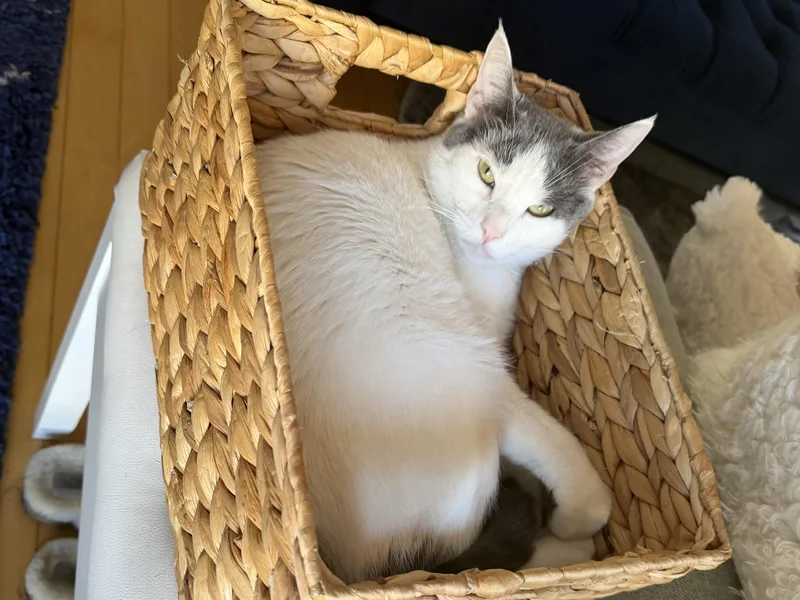
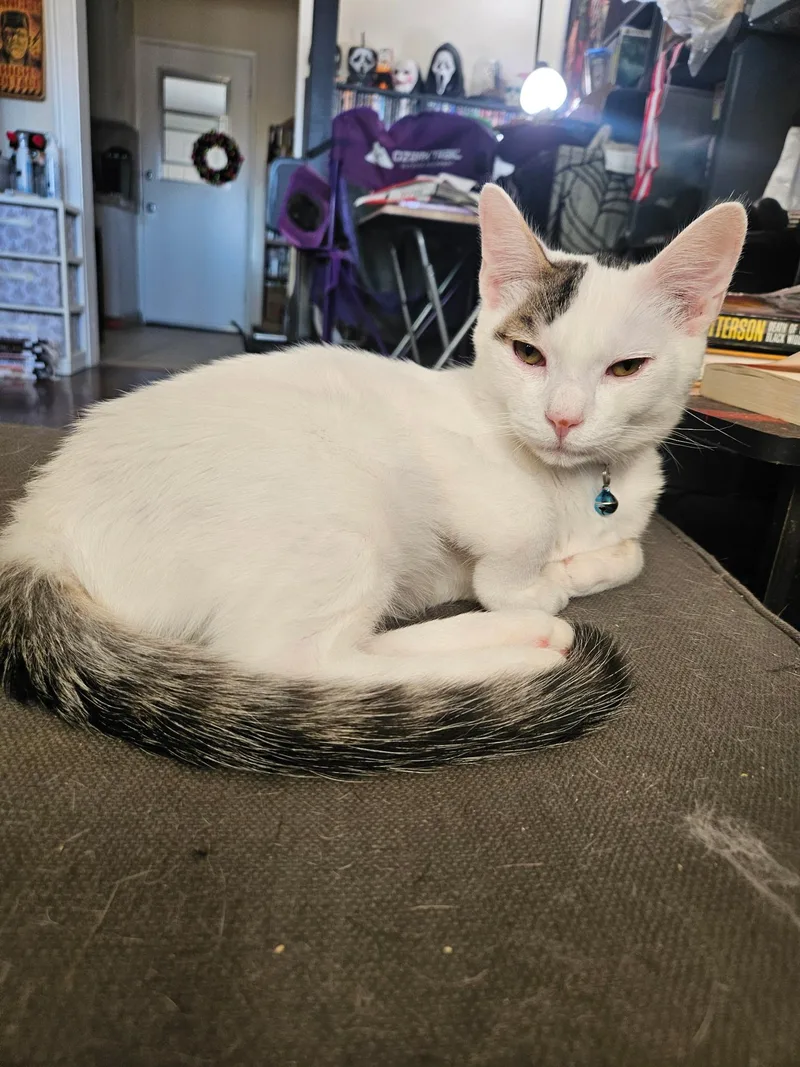
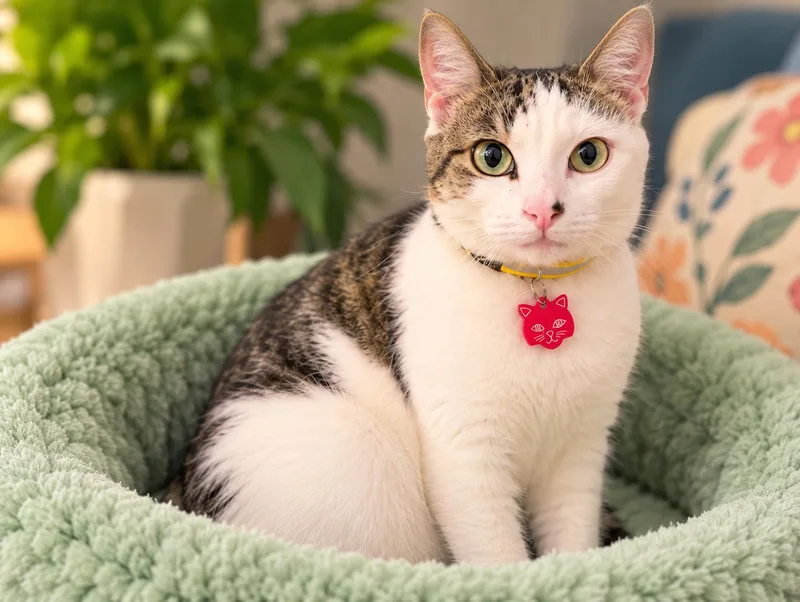
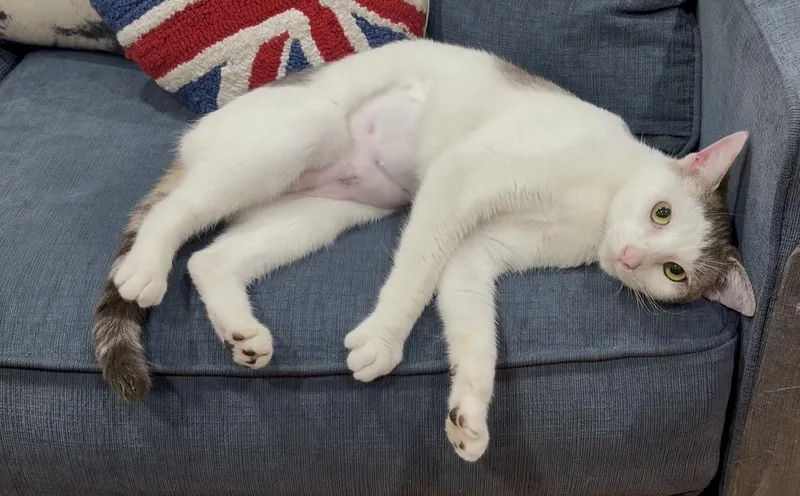
The Turkish Van is named for the Lake Van region of Turkey, where white cats with colored markings on the head and tail have lived for centuries. British photographers brought cats home from Turkey in 1955 and built the pedigreed breed from them. The classic van pattern is a white body with color on the head and tail, and the semi-long single coat is cashmere-soft and water-resistant.

Vans are large and slow to mature, often taking three to five years to reach full size. Many are clever, chatty and happiest when busy. Whether the home is a downtown condo or an Almaden house, a Van does best with tall perches and daily play. Temperament varies from cat to cat, so spend time with the cat itself rather than relying on breed reputation.

Weight
7–20 lbs
Height
10–14 in
Lifespan
12–17 yrs
Temperament
Active, Intelligent, Playful
Shedding
Moderate

Owning a Turkish Van in San Jose

Having a Turkish Van in San Jose

Turkish Vans are strong, athletic cats with a lively streak and an easy-care single coat. In San Jose, the practical questions are vertical space, daily play and keeping a water-loving cat safe and comfortable indoors.

Temperament

Many Turkish Vans are bold, curious and devoted, following their people around and chatting softly. Quite a few dislike being picked up, and some are wary of strangers. In a busy San Jose apartment building, a Van that likes its space may prefer a quiet high perch to hallway traffic. Each cat differs, so watch how a cat reacts to handling.

Exercise Needs

Most Vans need daily, energetic play: wand toys, fetch and chase games that let them sprint and leap. Puzzle feeders and rotating toys add mental work. Since the safest place for a San Jose cat is indoors, a tall tree, wall shelves and a window perch do most of the work, and a secure balcony enclosure adds fresh air.

Health Considerations

Turkish Vans have few well-documented inherited diseases, though heart muscle disease has been reported in the breed, so a veterinarian can listen to the heart at the first exam. Their large frame makes weight control important, and dental disease is common in all cats. In San Jose, cats also need a license and rabies vaccine after four months.

Living Space

A Van can live happily in an apartment or a house as long as it has vertical space. Tall cat trees, wall shelves and sturdy scratching posts matter more than square footage, which suits San Jose's mix of downtown condos, townhomes and older houses. Secure lids on toilets and aquariums are wise, since many Vans investigate water.

What it costs to own a Turkish Van in San Jose

ExpenseTypical costPer year
Food$30 to $60 per month$360 to $720
Pet insurance$25 to $55 per month$300 to $660
Routine vet care$150 to $350 per year$150 to $350
Other*$530 to $1,280 per year$530 to $1,280
Estimated yearly total (after year one)$1,340 to $3,010

Other costs are estimates and vary with size, age and health.

* Litter, the $30 San Jose license for a spayed or neutered cat, flea prevention, a dental cleaning allowance, climbing trees, toys and supplies, and combing the semi-long coat.

Adopt a Turkish Van in San Jose.

Now that you know more, let’s find you a new best friend. These rescues and shelters below currently have Turkish Vans available.

Frequently Asked Questions

Yes. No San Jose rule targets Turkish Vans or any other cat breed. Cats over four months old need a city license, which is $30 a year if spayed or neutered, plus a rabies vaccination. A household can have up to five cats if it has no dogs. Check your lease before you adopt.

Yes, as long as the apartment has tall perches and daily play. A large Van needs climbing room more than floor space, so plan a tall tree by a window and a few wall shelves. Use secure window screens, enclose any balcony, and read the lease for pet limits and deposits first.

It can be, if you're home enough for play and enjoy an active, talkative cat. A Van suits condos and houses alike when it has climbing space and daily games. It's a weaker match if you want a cuddly lap cat or are away for long hours. Cats vary, so judge the cat in front of you.

Yes, the mild Mediterranean climate suits Turkish Vans well. Summer highs average about 80°F, with around 16 days a year at 90°F or above, mostly in August and September. Winters are cool and wet with rare frost. Keep the cat indoors with water and shade on hot afternoons and on smoky days.

Plan on combing a Turkish Van once or twice a week, and more often in spring when it sheds its winter coat. The single coat tangles less than many long coats, and San Jose's mild weather adds little extra work. Baths are optional. Grooming is a small part of the yearly Other costs, mostly a comb.

Only in a carrier. VTA buses and light rail allow a pet only in a fully enclosed carrier small enough for your lap, which is tight for a large Van. BART requires a secure, enclosed pet carrier. Caltrain allows only service animals. For vet visits, most San Jose cat owners drive with the carrier secured.

Yes, Turkish Van cats are rare, especially in the United States, where relatively few are registered each year. Even in Europe, where the breed is better known, they make up only a tiny share of pedigreed kitten registrations. Because purebred Vans seldom reach shelters, adopters often find van-patterned domestic cats, which share the striking look but not necessarily the breed's personality.

A Turkish Van is a large, semi-longhaired cat breed known for its white body with color only on the head and tail. The breed was developed in Britain from cats brought from Turkey in 1955 and named after the Lake Van region. Vans are typically athletic, clever and playful, with a soft, water-resistant coat that lacks an undercoat.

We have 1 rescue with Turkish Vans available: Street Paws Rescue. You can see every rescue with Turkish Vans available in the list above these questions, or scroll to the top to see the Turkish Vans near San Jose.

Plan on roughly $1,340 to $3,010 a year for a Turkish Van in San Jose. That covers food at $30 to $60 a month, insurance at $25 to $55 a month, routine vet care at $150 to $350 a year, and other costs at $530 to $1,280 a year.

Find Turkish Vans in Nearby Cities

Expand your search to find Turkish Vans available for adoption near San Jose.