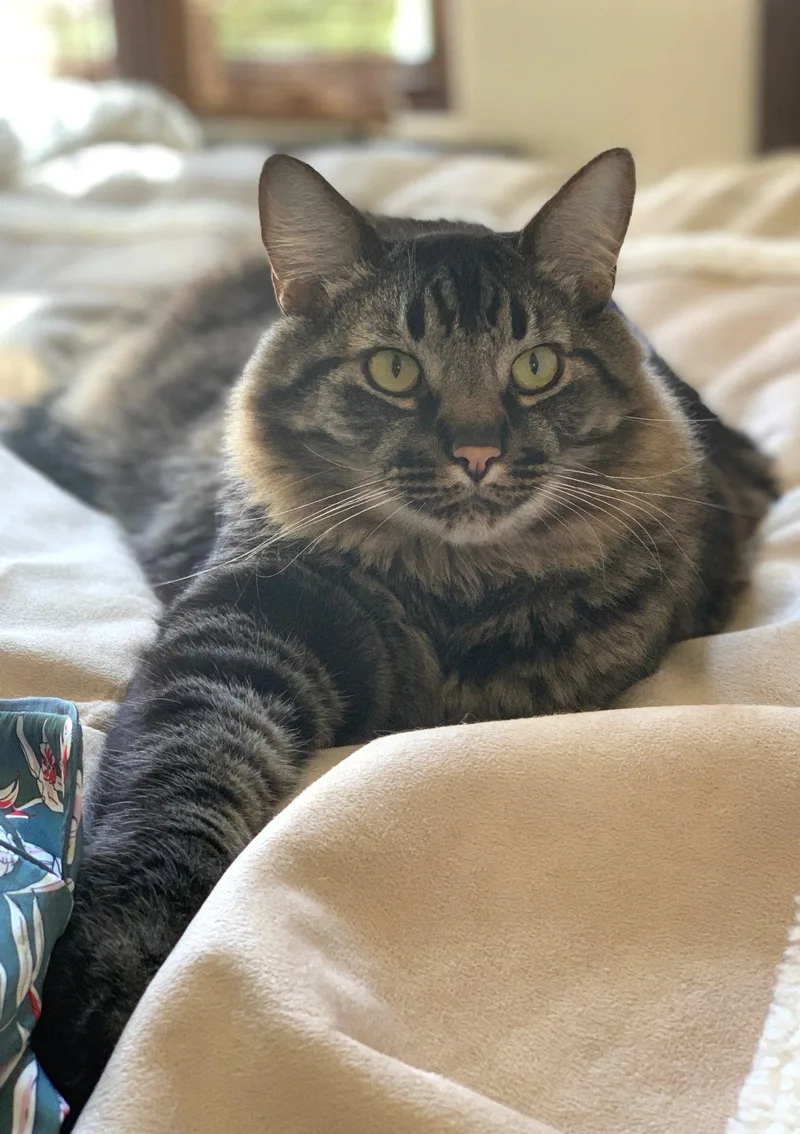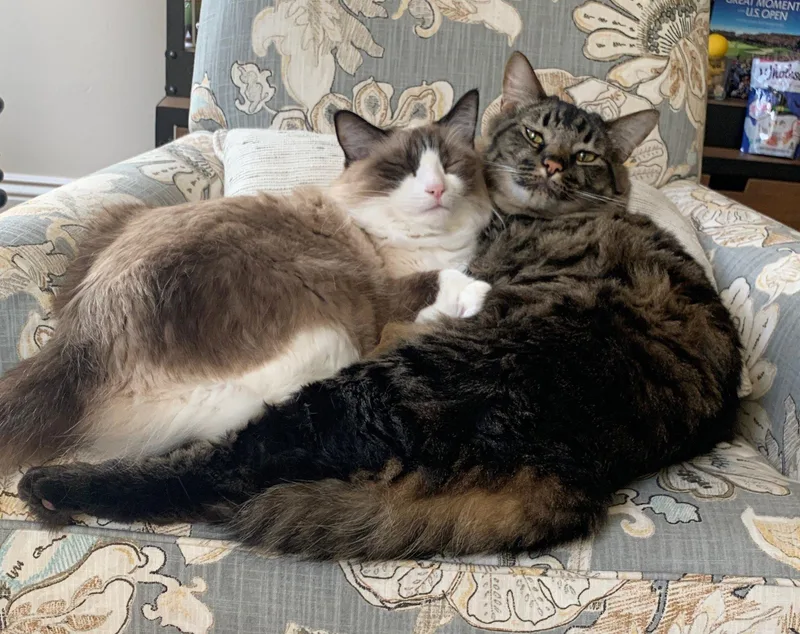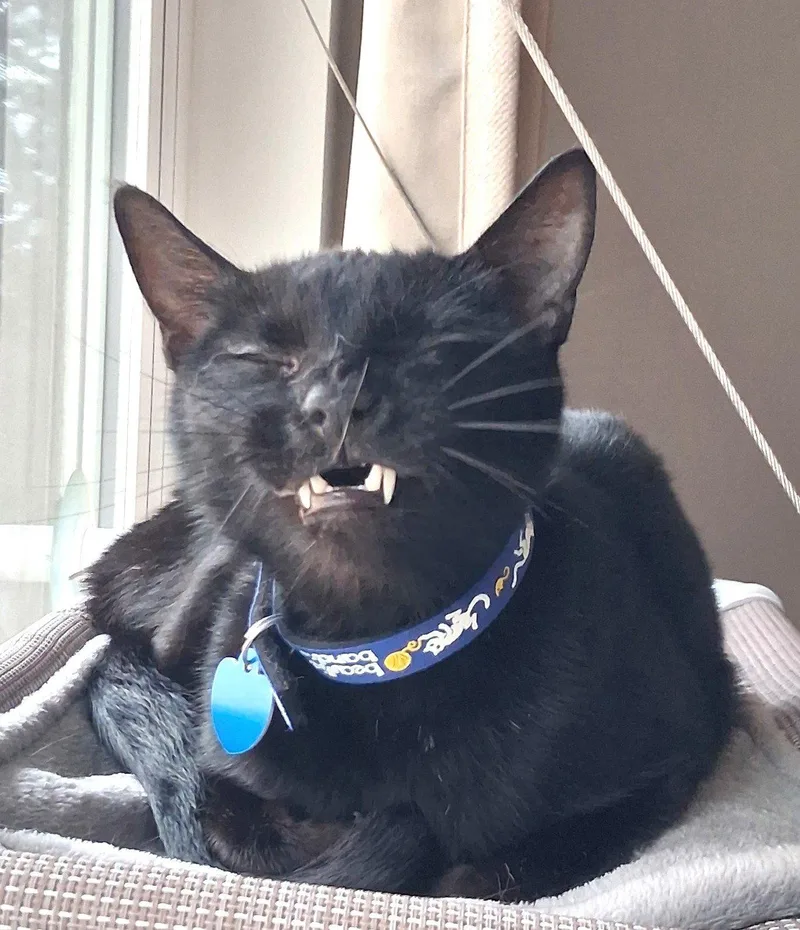
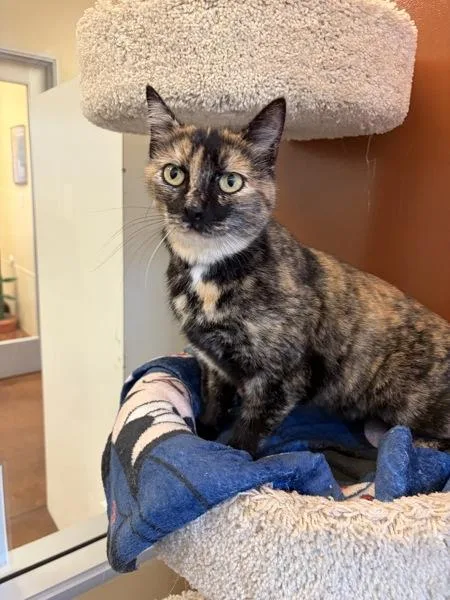
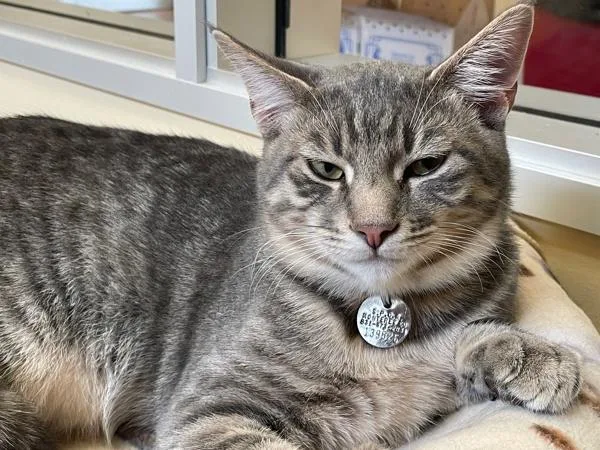
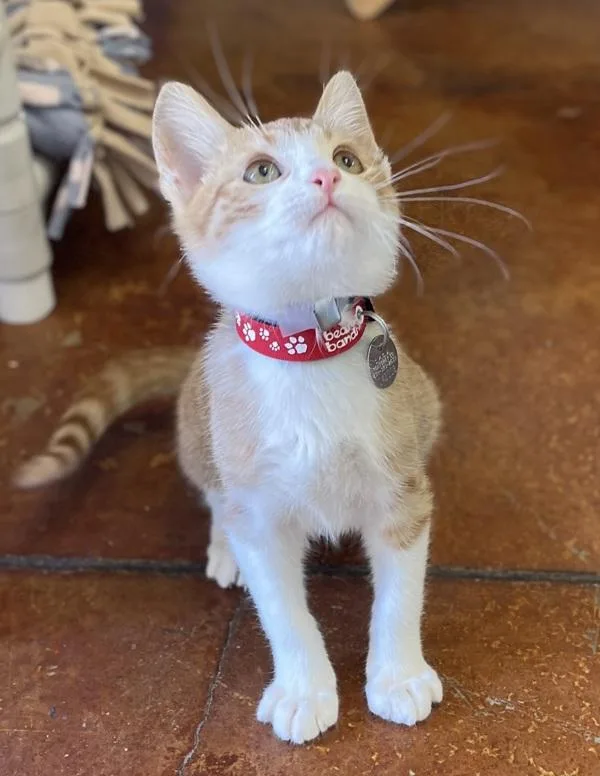
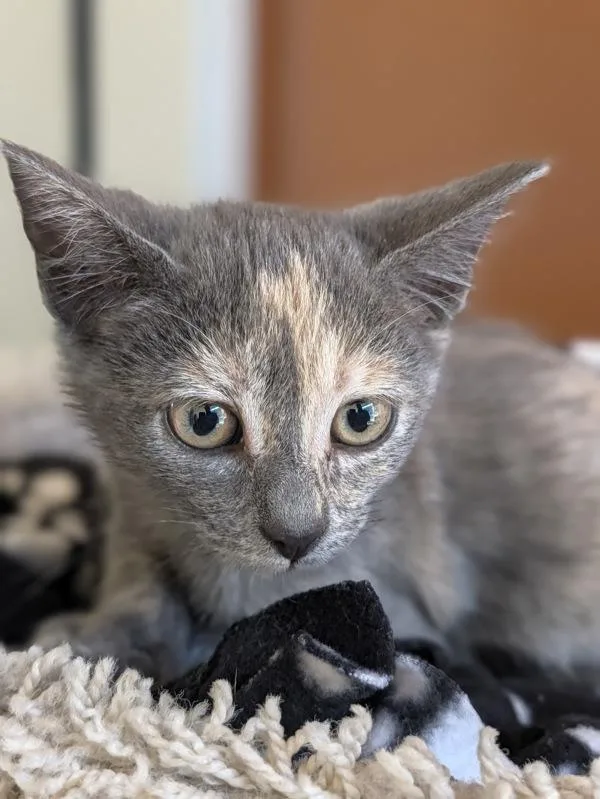
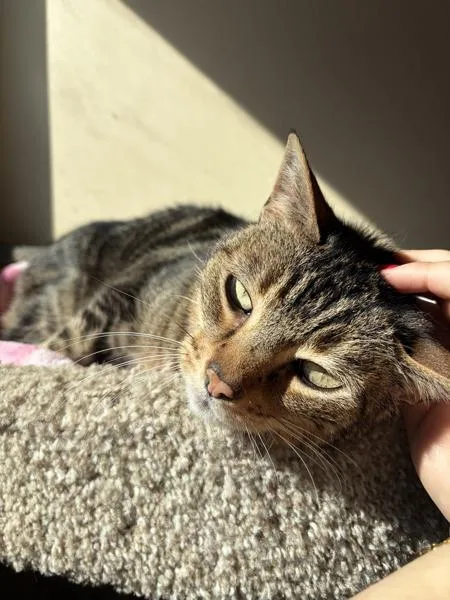
Domestic Short Hair Cats for Adoption in Monterey, CA

Your guide to finding and caring for a Domestic Short Hair in Monterey

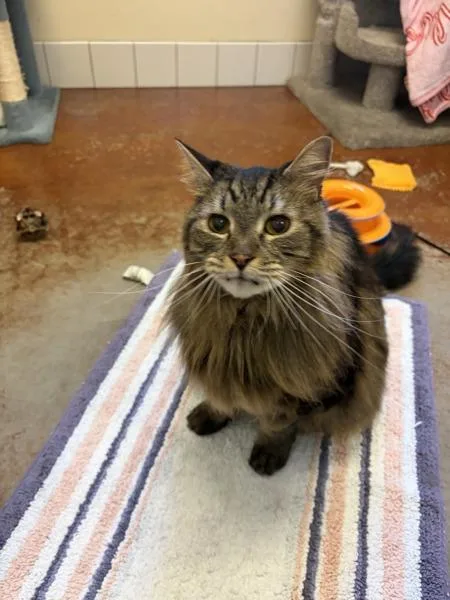
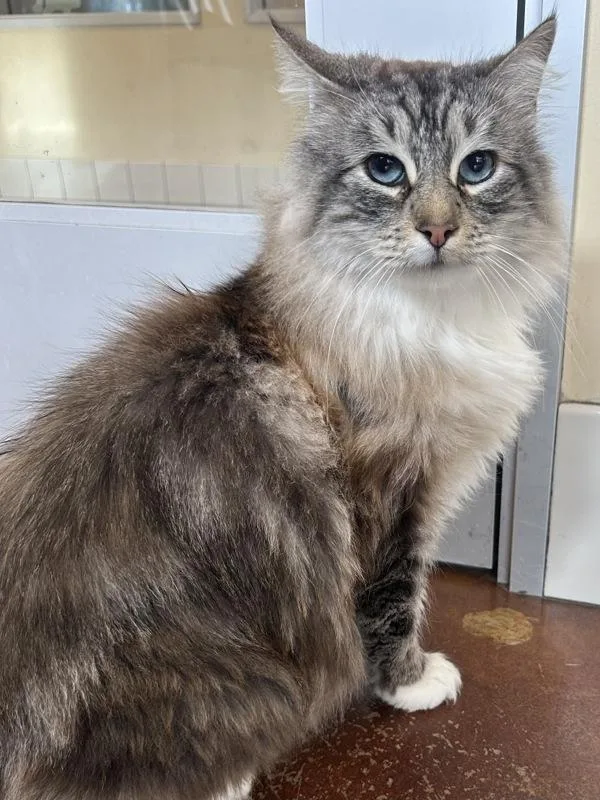
Domestic Short Hairs fit Monterey's smaller homes easily. A cat doesn't need a yard, so a flat in New Monterey above Cannery Row or a cottage in Oak Grove works fine, as long as there's a sunny window and a perch to watch the street from. DSH cats come in every color and temperament, so you can look for a bouncy young climber or a senior who'd rather nap. Plan on keeping your cat indoors, since coyotes have been reported around town.

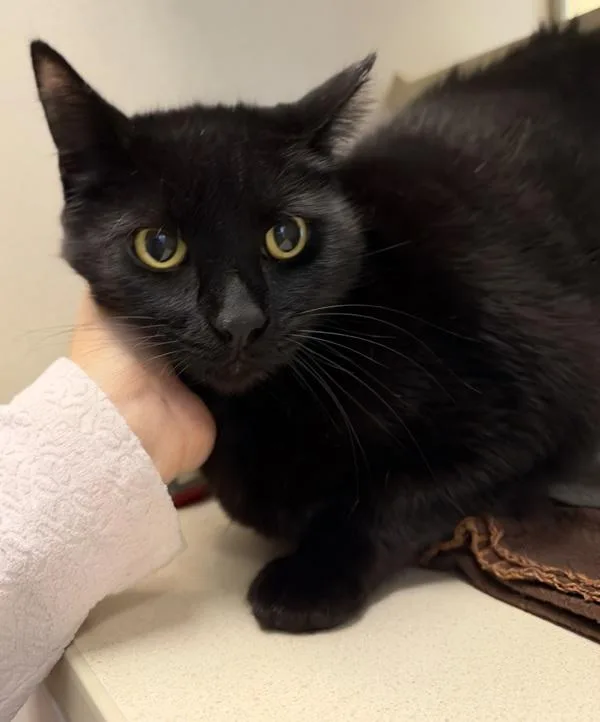
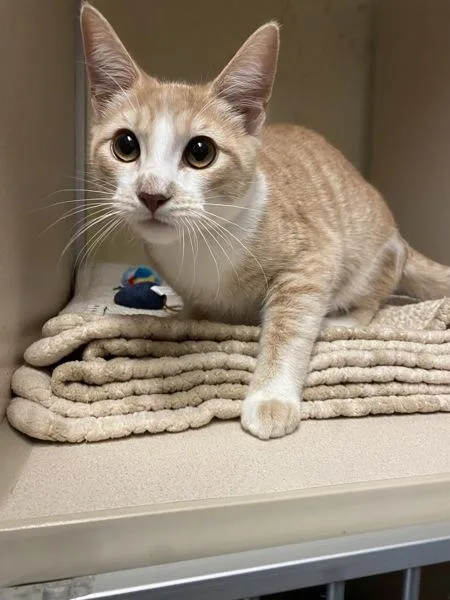
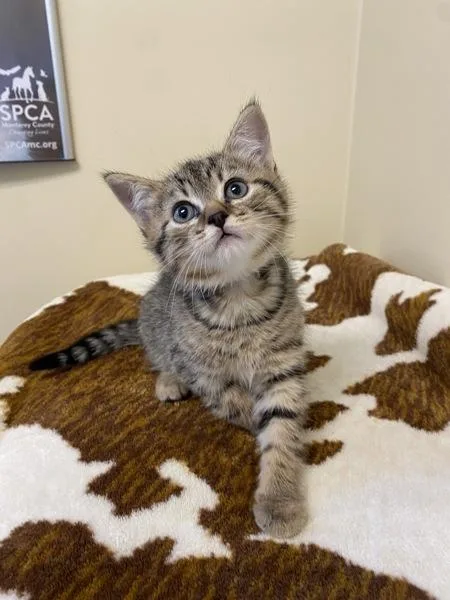
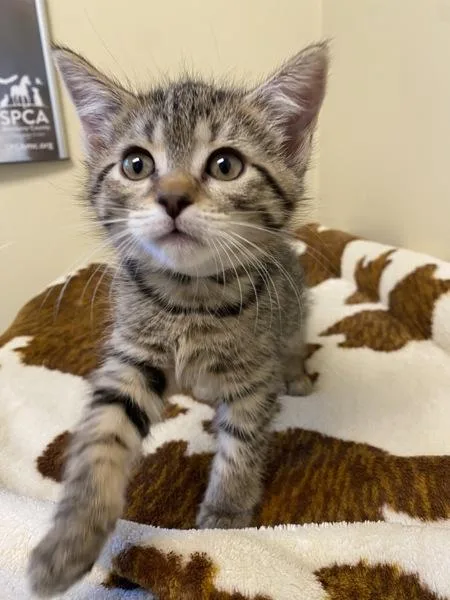
13 Domestic Short Hairs available for adoption in Monterey

Find your Domestic Short Hair

Domestic Short Hairs Available for Adoption in Monterey

About the Domestic Short Hair breed

Domestic Short Hair describes a type of cat rather than a breed: a short-coated cat of mixed or unknown ancestry. It's the most common kind of cat in American homes and shelters, and you'll often see it shortened to DSH on adoption records. These cats turn up in every color and pattern, from tabby and tuxedo to calico and solid black.

With such a broad gene pool, looks and personality vary a lot. Many are medium-sized, sturdy and adaptable, and the short coat is easy to keep up. Some are lap cats, some are chatty, and others prefer to watch from a windowsill. In Monterey's mild weather, a DSH can be comfortable indoors year-round, so a cat's age, energy and habits are the best guide to a match.

Weight
6–14 lbs
Height
8–10 in
Lifespan
12–18 yrs
Temperament
Adaptable, Curious, Affectionate
Shedding
Moderate

Owning a Domestic Short Hair in Monterey

Having a Domestic Short Hair in Monterey

Domestic Short Hairs share a practical coat and a wide genetic mix, but little else is fixed. Energy, sociability and confidence differ from cat to cat, so a cat's age and behavior in its listing tell you more than the DSH label does.

Temperament

Domestic Short Hairs range from outgoing lap cats to shy, independent watchers. Many adapt well to new homes and other pets after gradual introductions. Kittens tend to be bold and playful, while adults show settled personalities. Early socialization and past experiences shape behavior more than coat type, so spend time with each cat before deciding.
Exercise Needs

Most DSH cats need daily interactive play, especially indoors. Wand toys, chase games and food puzzles use up hunting energy. Young cats may want several bursts a day, while seniors prefer gentler sessions. In Monterey, a window perch with a view of birds, trees or the street adds enrichment between play sessions.

Health Considerations

Mixed ancestry may lower the risk of some breed-specific inherited conditions, but DSH cats still face common feline problems. Obesity, dental disease and urinary issues are frequent, and older cats can develop kidney disease, hyperthyroidism or diabetes. Regular vet exams, weight checks and dental care help catch trouble early, and a vet can review a newly adopted cat's overall health.

Living Space

DSH cats usually do well in apartments and houses alike when they have enrichment and quiet retreats. Climbing shelves, scratching posts, hiding spots and a clean litter box matter more than square footage. Keeping your cat indoors or in a secure enclosure protects it from coyotes and traffic. Window screens help prevent falls from upper-floor units.

What it costs to own a Domestic Short Hair in Monterey

ExpenseTypical costPer year
Food$25 to $50 per month$300 to $600
Pet insurance$20 to $45 per month$240 to $540
Routine vet care$150 to $350 per year$150 to $350
Other*$450 to $1,150 per year$450 to $1,150
Estimated yearly total (after year one)$1,140 to $2,640

Other costs are estimates and vary with size, age and health.

* Litter, flea prevention, a dental cleaning allowance, toys, scratchers and other supplies, and minimal home grooming.

Adopt a Domestic Short Hair in Monterey.

Now that you know more, let’s find you a new best friend. These rescues and shelters below currently have Domestic Short Hairs available.

Rescues in Monterey with Domestic Short Hairs Available

The Monterey area's shelters and rescues care for cats of every age, color and temperament, and many are Domestic Short Hairs. Here are the rescues & shelters in the Monterey area where you can find Domestic Short Hairs and other cats available for adoption.

Frequently Asked Questions

Yes, but only in a carrier. Monterey-Salinas Transit buses don't allow pets except in caged carriers, though service animals may ride uncaged. Monterey has no subway or rail, so buses are the only option. Choose a sturdy, ventilated carrier that fits on your lap or at your feet, and let your cat get used to it at home first.

Yes, Monterey's mild climate suits them well. Highs stay between about 59°F and 71°F all year, freezes are almost unknown, and only a few days a year reach 90°F. Those warm days cluster in September and October, so keep water out then and never leave a cat in a parked car, even on a sunny day.

Yes. Monterey has no breed rules for cats, and the city code doesn't include a cat license. The City limits households to three pets without a permit, so count any current animals first. Rental homes are the bigger hurdle, since landlords can still say no to pets, so get approval in writing.

Yes, DSH cats generally do well in apartments. Cats need a litter box, scratchers, climbing space and daily play more than square footage. Since most Monterey households rent, ask your landlord about pet policies before adopting. A pet deposit counts toward California's security deposit cap, which is one month's rent for most landlords.

Often, yes. Monterey's compact homes, mild weather and sunny windows suit most DSH cats, and an indoor routine keeps them safe from coyotes and traffic. Fit depends on the cat, though: a playful young cat needs daily activity, while a calm senior may happily nap through a quiet workday in a small flat.

Very little. A weekly brush handles most DSH coats, with a bit more during seasonal shedding. Monterey's mild, damp climate doesn't change that. Overweight, older or arthritic cats may need help staying clean. Grooming is a minor part of the $450–$1,150 yearly Other cost, which also covers litter, prevention and supplies.

Domestic shorthair cats typically live about 12 to 18 years, and many indoor cats reach their late teens or early twenties. Large UK veterinary studies have found mixed-breed cats tend to live slightly longer than pedigreed cats on average. Spaying or neutering, indoor living, a healthy weight, dental care and regular checkups all help a cat enjoy a longer life.

No, domestic shorthair cats are not hypoallergenic. The main cat allergen, a protein called Fel d 1, comes from saliva and skin glands, so short fur does not prevent reactions. Allergen levels vary between individual cats, and some people react less to certain cats. Spending time with a specific cat before adopting is the best way to test your response.

We have 2 rescues with Domestic Short Hairs available: The SPCA for Monterey County and Golden Oldies Cat Rescue. You can see every rescue with Domestic Short Hairs available in the list above these questions, or scroll to the top to see the Domestic Short Hairs in Monterey.

A DSH typically costs about $25–$50 a month for food and $20–$45 a month for pet insurance. Routine vet care runs about $150–$350 a year, and other yearly costs, including litter, prevention and supplies, run $450–$1,150. Together that's roughly $1,140–$2,640 a year, before any emergency or illness care.

Explore Other Breeds in Monterey

Looking for a different breed? Browse other cats available for adoption in Monterey.