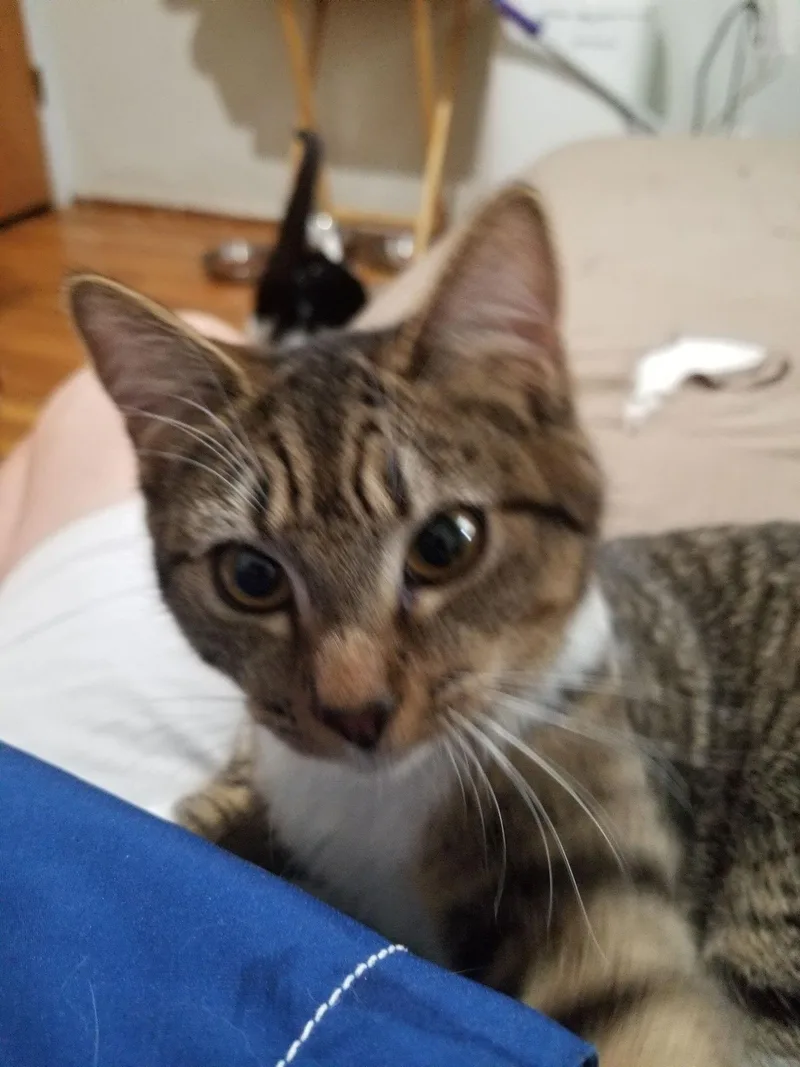
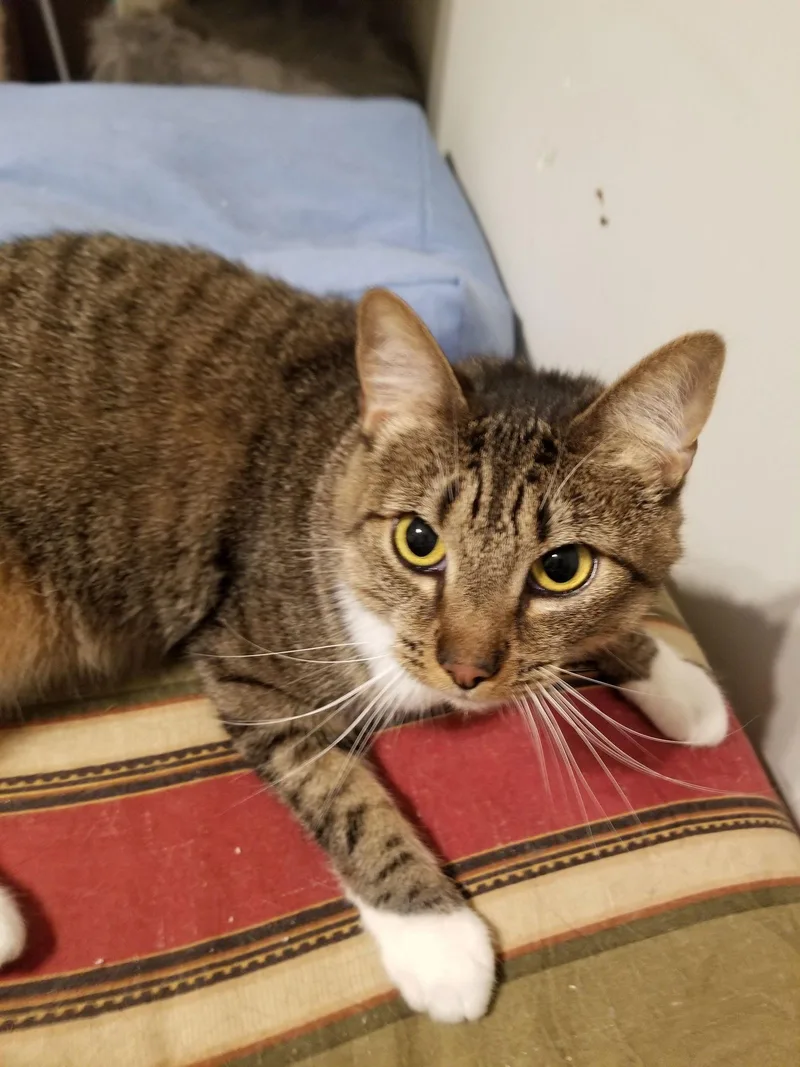
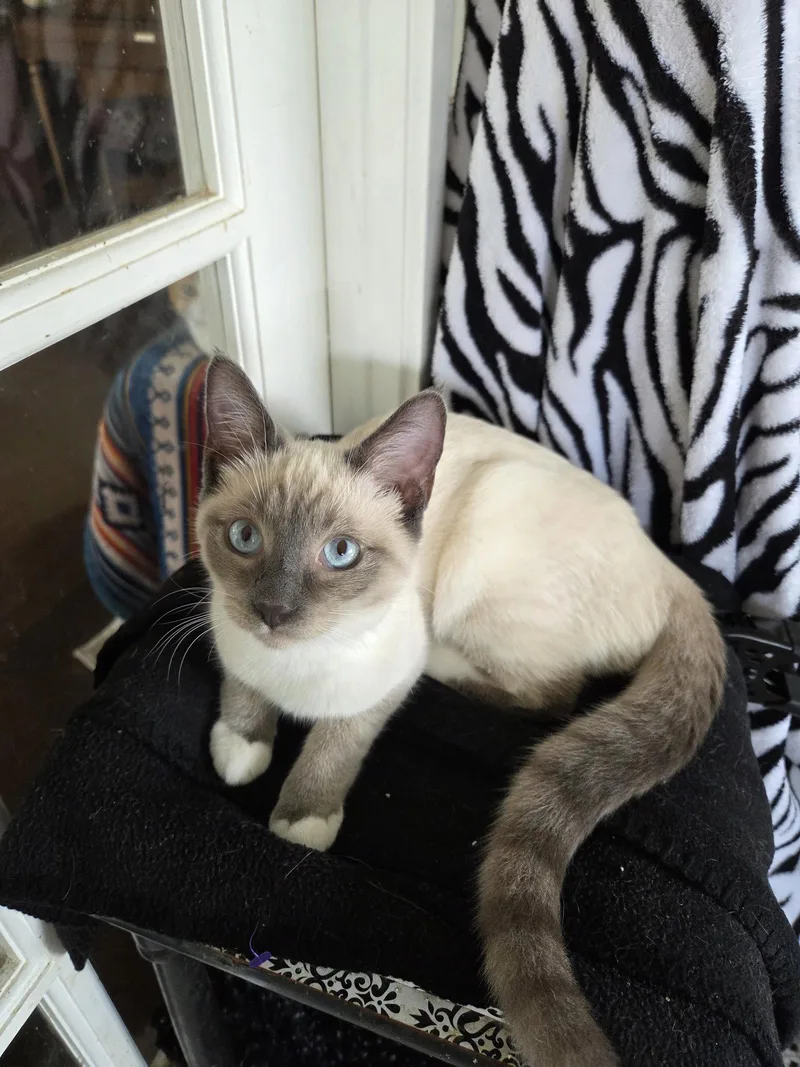
Turkish Van Cats for Adoption in Buena Park, CA

Your guide to finding and caring for a Turkish Van in Buena Park

158 Turkish Vans available in Buena Park and nationwide

Bring home a Turkish Van

Turkish Vans Available for Adoption Near Buena Park

About the Turkish Van breed

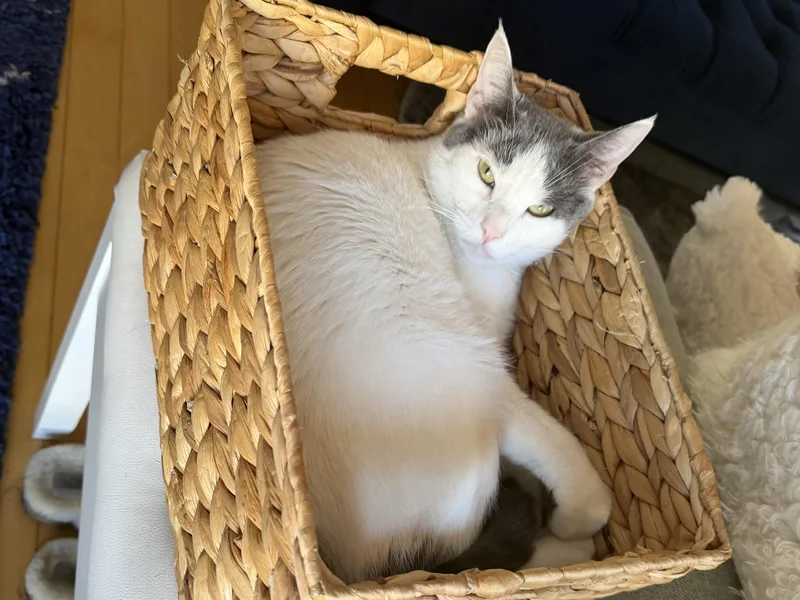
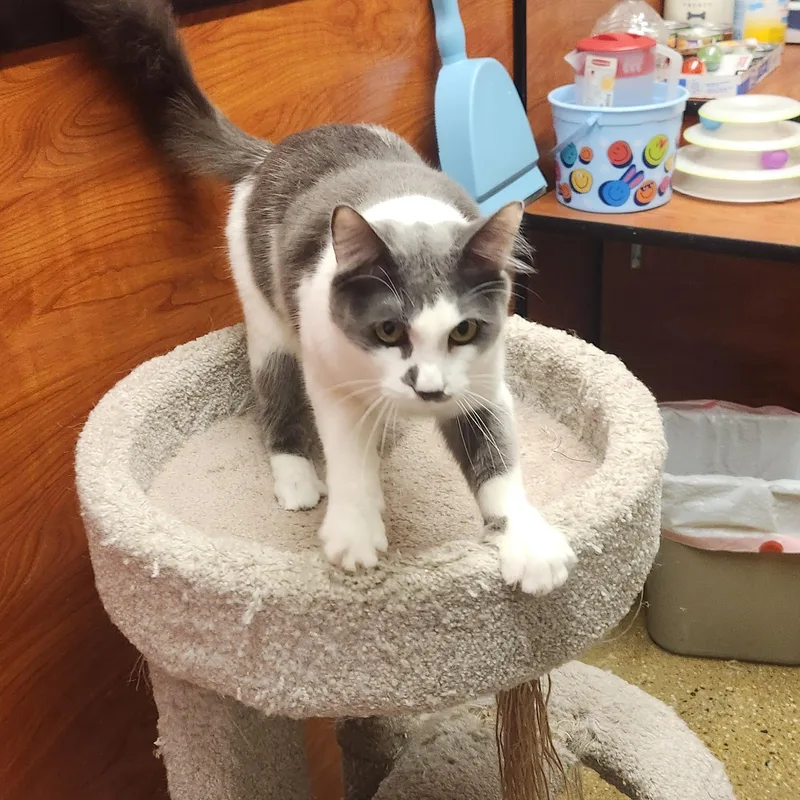
A white body with color confined to the head and tail, a pattern now called van after this breed, marks the Turkish Van at a glance. The breed was developed in Britain from cats two photographers brought back from Turkey in 1955, and it takes its name from the Lake Van region, where similar cats have lived for centuries. Its semi-long, cashmere-soft single coat lacks an undercoat and resists water, and many Vans are famously willing to splash or even swim.

Turkish Vans are large, muscular and slow to mature, often needing three to five years to reach full size. Many are energetic, clever and chatty, with a love of climbing, fetching and supervising household tasks. Most prefer company on their own terms rather than being held, so they tend to suit adopters who enjoy an active, opinionated cat more than a placid lap companion.

Weight
7–20 lbs
Height
10–14 in
Lifespan
12–17 yrs
Temperament
Active, Intelligent, Playful
Shedding
Moderate

Owning a Turkish Van in Buena Park

Having a Turkish Van in Buena Park

Living with a Turkish Van usually means sharing your home with a strong, athletic cat that climbs, fetches and investigates water. Its energy, independent streak and easy-care single coat shape daily life, so understanding them helps adopters decide whether a Van's lively style fits their household.

Temperament

Turkish Vans tend to be bold, curious and devoted to their people, often following them around and chatting in a soft voice. Many dislike being picked up or restrained, and a few can be touchy or fearful with strangers. Patient handling and respect for their boundaries usually build trust, and a shelter Van's history matters more than breed lore.

Exercise Needs

Most Turkish Vans need daily, energetic play: wand toys, fetch, climbing and chase games that let them sprint and leap. Mental enrichment matters as much as exercise, so puzzle feeders, clicker training and rotating toys help. Without outlets, a bored Van may invent its own entertainment by knocking items off shelves or opening cabinets.

Health Considerations

Turkish Vans have few well-documented inherited diseases, though heart muscle disease has been reported in the breed and screening is worth asking about. Their large frame makes weight control important, and dental disease is common in cats of every breed. Regular veterinary checkups, measured meals and tooth brushing are the core of preventive care.

Living Space

A Turkish Van can live happily in an apartment or a house as long as it has vertical space. Tall cat trees, wall shelves, sturdy scratching posts and window perches matter more than square footage. Secure lids on toilets, aquariums and bathtubs are wise, since many Vans investigate water with enthusiasm.

What it costs to own a Turkish Van

ExpenseTypical costPer year
Food$30 to $60 per month$360 to $720
Pet insurance$25 to $55 per month$300 to $660
Routine vet care$150 to $350 per year$150 to $350
Other*$500 to $1,250 per year$500 to $1,250
Estimated yearly total (after year one)$1,310 to $2,980

Other costs are national averages for Turkish Vans; we don't have costs specific to Buena Park yet.

* Litter, flea prevention, a dental cleaning allowance, climbing trees, toys and supplies, and combing the semi-long coat through seasonal molts.

Adopt a Turkish Van in Buena Park.

Now that you know more, let’s find you a new best friend. These rescues and shelters below currently have Turkish Vans available.

Rescues in Buena Park with Turkish Vans Available

Here are the rescues & shelters in the Buena Park area where you can find Turkish Vans and other cats available for adoption.

Frequently Asked Questions

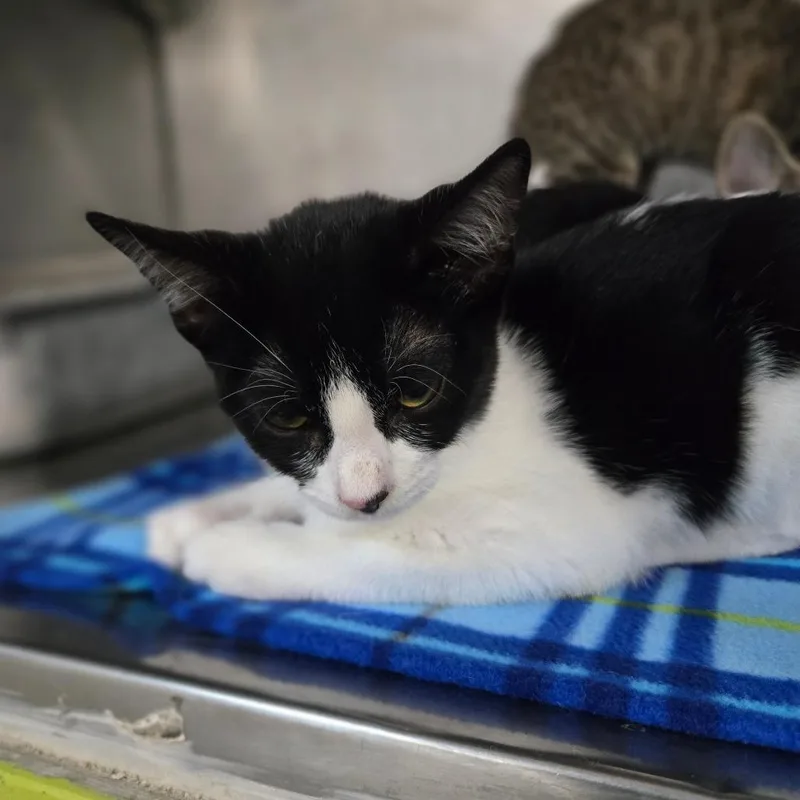
Yes, Turkish Van cats are rare, especially in the United States, where relatively few are registered each year. Even in Europe, where the breed is better known, they make up only a tiny share of pedigreed kitten registrations. Because purebred Vans seldom reach shelters, adopters often find van-patterned domestic cats, which share the striking look but not necessarily the breed's personality.

A Turkish Van is a large, semi-longhaired cat breed known for its white body with color only on the head and tail. The breed was developed in Britain from cats brought from Turkey in 1955 and named after the Lake Van region. Vans are typically athletic, clever and playful, with a soft, water-resistant coat that lacks an undercoat.

No, Turkish Van cats are not hypoallergenic. Their single coat without an undercoat may shed less visible fluff than some longhairs, but allergens come mainly from proteins in saliva and skin, which every cat produces. People with mild allergies sometimes tolerate individual cats better than others, so spending extended time with the specific Van before adopting is the best test.

Turkish Van cats commonly live about 12 to 17 years, and many healthy indoor cats reach their late teens. The breed has relatively few documented inherited diseases, which helps. Keeping a Van lean, active and on top of dental care supports a long life, along with regular checkups that can catch heart, kidney or thyroid problems early.

Turkish Vans are large cats. Males commonly weigh about 11 to 20 pounds and females about 7 to 12 pounds, standing roughly 10 to 14 inches at the shoulder with a long, muscular body. They grow slowly, often taking three to five years to reach full size and coat, so a two-year-old Van may still be filling out.

No one knows for certain why Turkish Vans like water, but their unusual coat likely helps. It has no undercoat and resists soaking, so getting wet is less unpleasant than it is for most cats. Popular stories link the trait to the lakes of eastern Turkey. Not every Van enjoys water, and individual preferences vary.

Yes, Turkish Van cats shed, though often less than their long hair suggests. They grow a thick winter coat with a ruff and shed much of it in spring, so loose hair increases noticeably during that seasonal change. Because they lack a dense undercoat, mats are uncommon, and combing once or twice a week usually keeps shedding manageable.

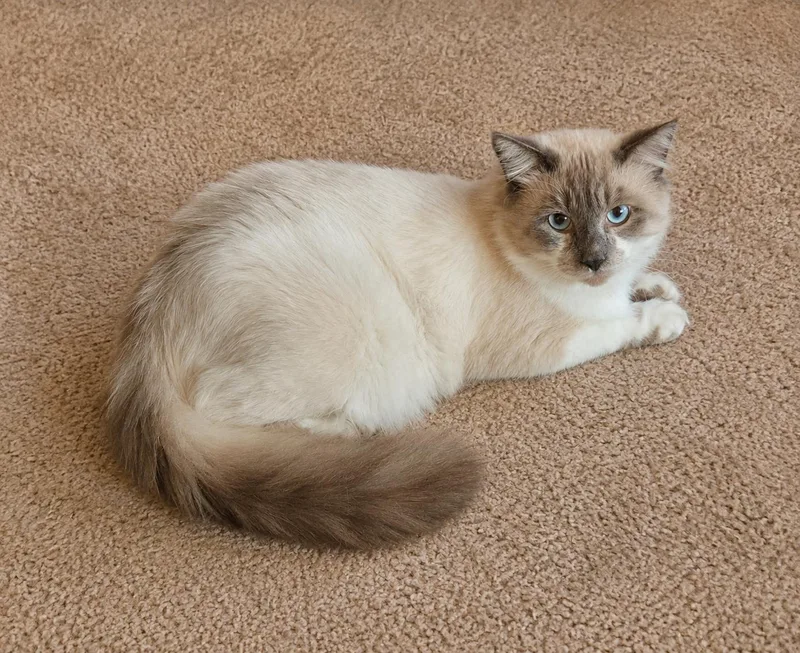
You identify a Turkish Van mainly by its van pattern, a white body with color limited to the head and tail, combined with a large, muscular build and a soft, semi-long coat. Eyes may be amber, blue or one of each. Only pedigree papers confirm the breed, since many domestic cats show the van pattern without Turkish Van ancestry.

A Turkish Van has a mostly white, semi-longhaired coat with colored markings on the head, usually split by a white blaze, and a fully colored, bushy tail. Red, cream, black, blue and tabby markings are common. The body is long, broad and muscular, the ears are large, and the eyes can be amber, blue or odd-colored.

We have 1 rescue with Turkish Vans available: kindness2cats. You can see every rescue with Turkish Vans available in the list above these questions, or scroll to the top to see the Turkish Vans near Buena Park.