Canadian Hairless Cats for Adoption in Phoenix, AZ

Your guide to finding and caring for a Canadian Hairless in Phoenix

A Canadian Hairless suits a Phoenix apartment well, since this cat belongs indoors anyway. In a Central City loft or a mid-rise along the Encanto stretch of Central Avenue, a hairless cat gets what it wants: warmth, a sunny window and someone nearby most of the day. The air conditioning that keeps you comfortable in July keeps the cat comfortable too. Canadian Hairless is the early name for the Sphynx, and these cats do best with people who are home often.

16 cats similar to Canadian Hairless available in Phoenix and nationwide

Bring home a Canadian Hairless

While we don't have enough cats near Phoenix, keep in mind that many rescues may offer transport.

Canadian Hairlesses and Similar Breeds Available for Adoption Near Phoenix

About the Canadian Hairless breed

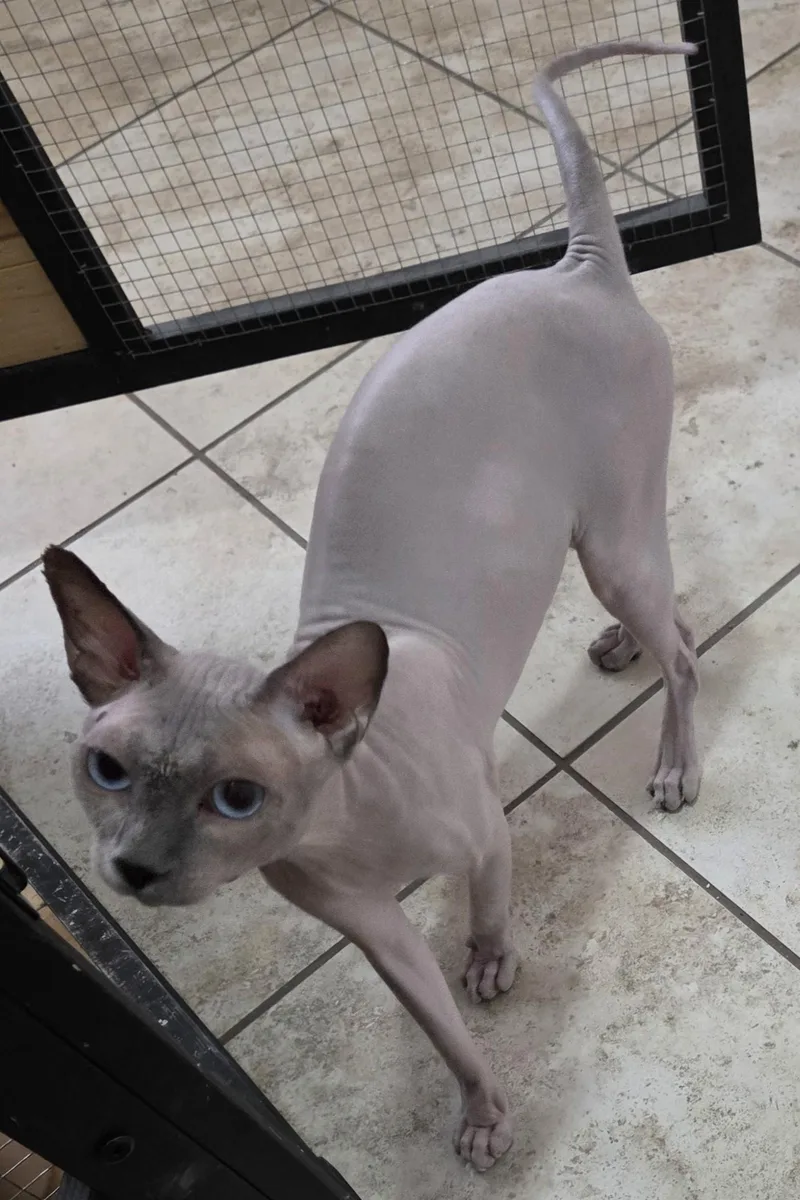
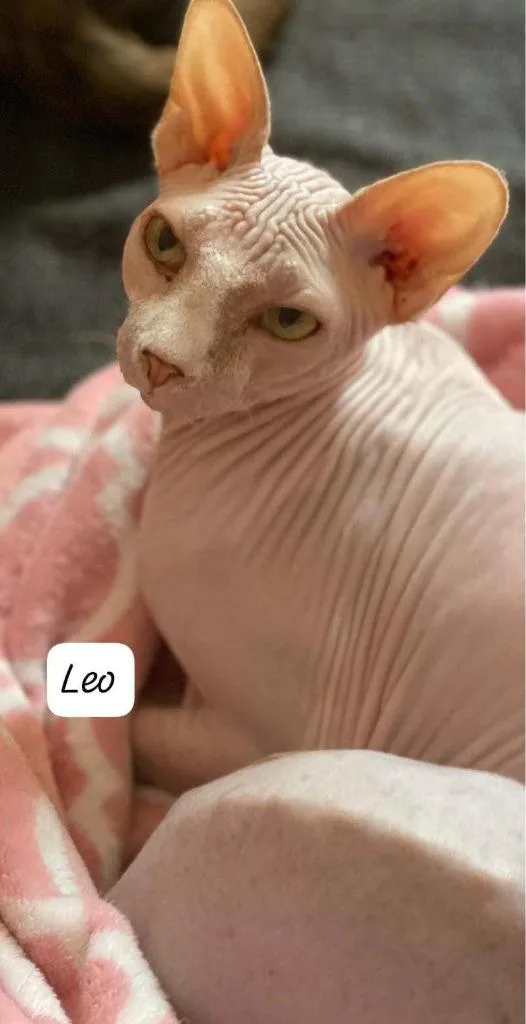
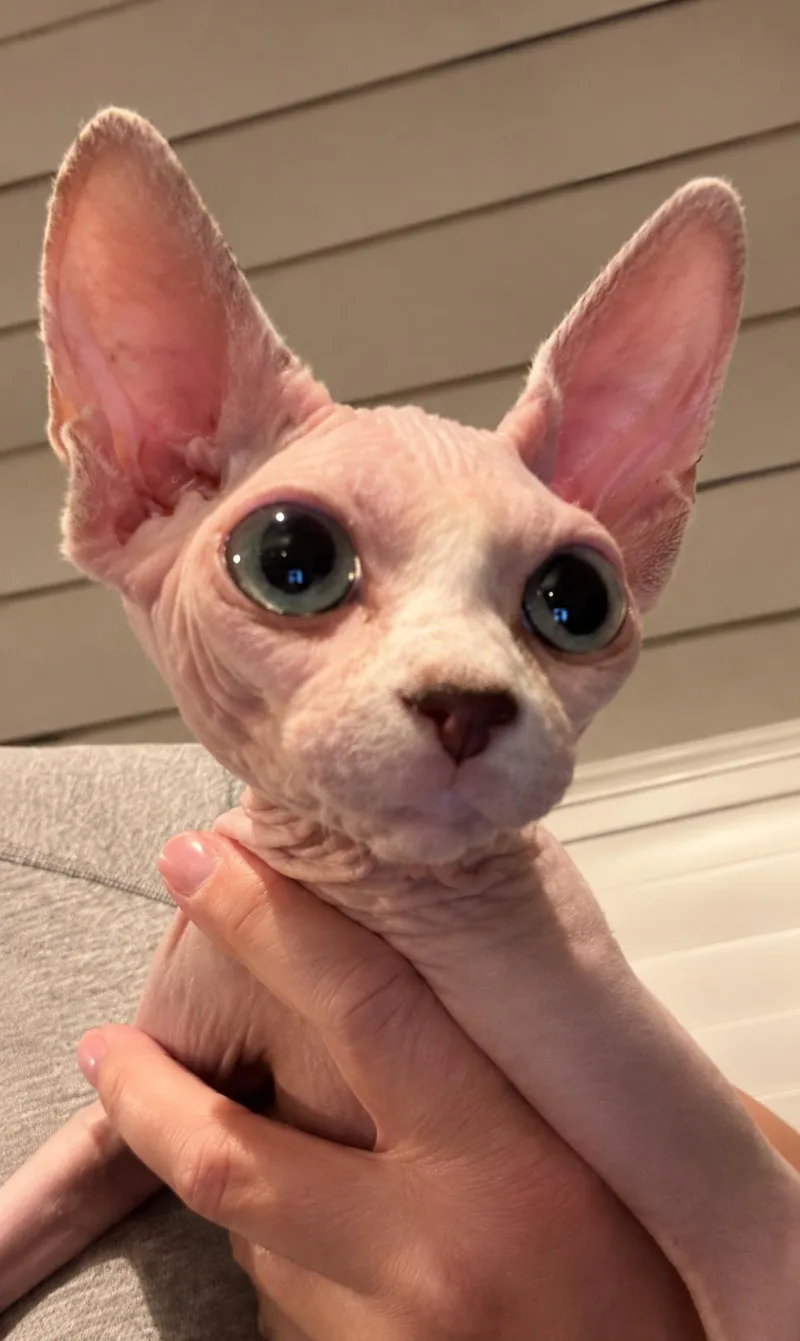
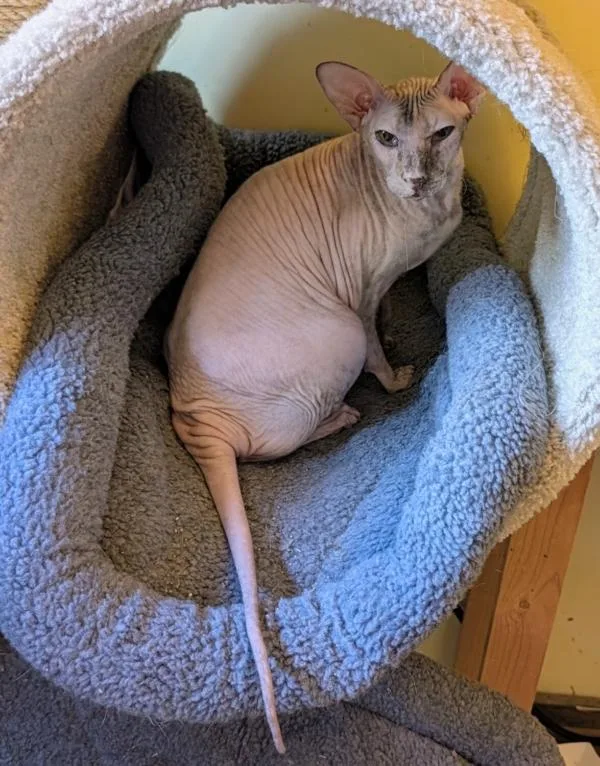
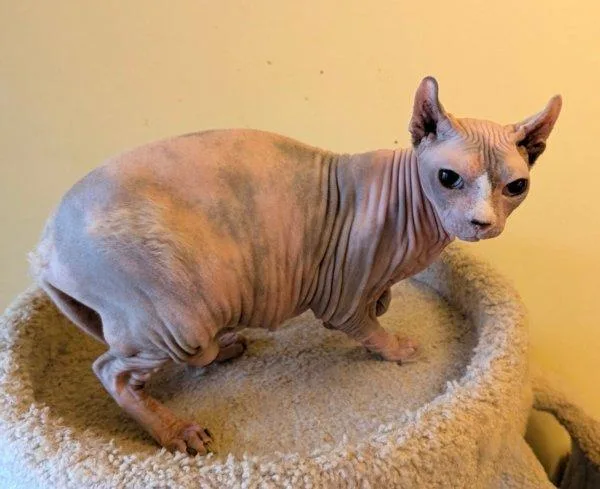
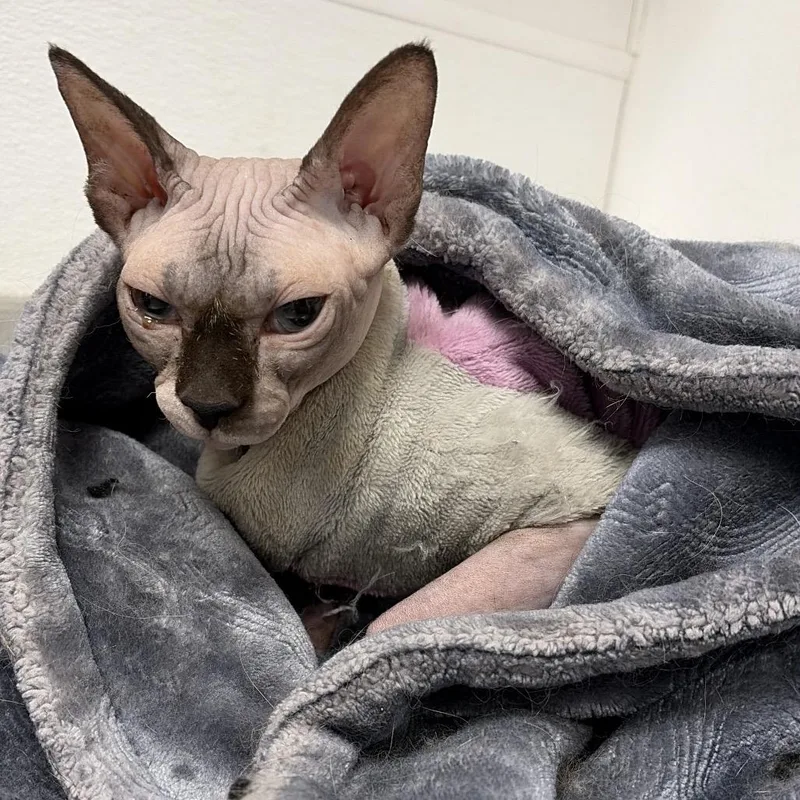
Canadian Hairless is the early name for the cat now registered as the Sphynx. The breed began in Toronto in 1966, when a domestic shorthair had a hairless kitten named Prune, and hairless kittens found in Minnesota later widened the gene pool. The cat isn't entirely bare: most have a fine peach-fuzz down and skin that feels like warm suede.

The personality fits apartment life. These cats are outgoing, playful and people-focused, and many follow their humans from room to room. The skin needs regular baths, the ears collect wax, and the cat needs warmth and sun protection, which makes an indoor life with steady air conditioning the easy choice in Phoenix. Cats vary, so each one's personality matters more than the breed label.

Weight
6–12 lbs
Height
8–10 in
Lifespan
8–14 yrs
Temperament
Affectionate, Outgoing, Curious, Playful
Shedding
Low

Owning a Canadian Hairless in Phoenix

Having a Canadian Hairless in Phoenix

A Canadian Hairless trades a coat for warm skin, high energy and a steady care routine. In Phoenix, the main questions are how the cat handles long summers indoors, how much company it gets, and whether you're ready for regular baths and heart screening.

Temperament

Canadian Hairless cats tend to be affectionate, curious and eager to join whatever you're doing, and many greet visitors happily. Most dislike long days alone, which matters if you commute across the Valley, and a companion pet can help. Cats still vary in how they handle children, strangers and other animals.

Exercise Needs

Plan several short play sessions a day with wand toys, chase games and puzzle feeders. Shelves, cat trees and warm perches add climbing without leaving the apartment. Many cats learn tricks or a harness, but in Phoenix keep any outings short, shaded and limited to the cool part of a winter day.

Health Considerations

Hypertrophic cardiomyopathy is the main concern, so a veterinarian can check the heart and advise on an echocardiogram. Skin problems, sunburn, gum disease and, in kittens, respiratory infections also occur. Valley fever is rare in cats, but indoor cats can catch it, so have a vet look at abscess-like skin sores or a lingering cough.

Living Space

A Canadian Hairless does well in an apartment or a house, as long as the home stays warm and draft-free. In Phoenix the bigger job is managing heat and strong sun: keep the cat indoors, use window-filtered spots and hold the thermostat steady. Expect oily marks on pale fabrics, so washable bedding and throws help.

What it costs to own a Canadian Hairless in Phoenix

ExpenseTypical costPer year
Food$25 to $50 per month$300 to $600
Pet insurance$30 to $60 per month$360 to $720
Routine vet care$150 to $350 per year$150 to $350
Other*$550 to $1,450 per year$550 to $1,450
Estimated yearly total (after year one)$1,360 to $3,120

Other costs are estimates and vary with size, age and health.

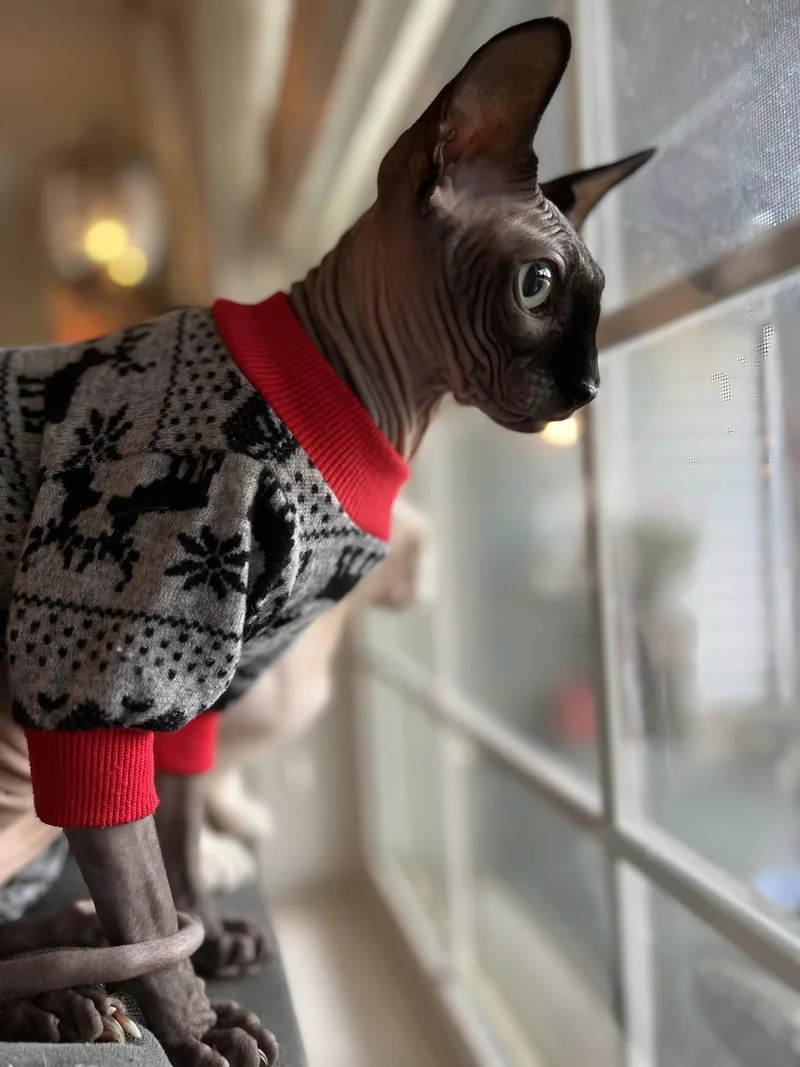
* Cat litter, flea prevention, a dental cleaning allowance, toys and bedding, bathing and ear-cleaning supplies, and sweaters, warm beds and sun protection for a hairless cat.

Adopt a Canadian Hairless in Phoenix.

Now that you know more, let’s find you a new best friend. These rescues and shelters below have cats available in and near Phoenix.

Rescues and Shelters in or near Phoenix

Phoenix's shelters and rescues list cats of all kinds, and the pets shown here change as new arrivals are added. Here are the rescues & shelters in the Phoenix area with cats available for adoption, worth asking whether a Canadian Hairless is coming in.

Frequently Asked Questions

Yes. Phoenix has no breed bans or breed-specific restrictions, and the county dog license doesn't apply to cats. Renters should confirm pet terms with the landlord, since limits come from landlords and insurers rather than the city. Microchips aren't required but are smart protection during storms and fireworks. Watch the listings on this page for Canadian Hairless cats.

Yes, indoors. Canadian Hairless cats like warmth, but Phoenix summers reach about 105°F with nights near 82°F, and bare skin burns easily. Keep the cat inside with air conditioning running even when you're out, provide fresh water and cool resting spots, and avoid sun-baked windows. Never leave a cat in a parked car.

Yes, a Canadian Hairless usually does well in an apartment, since the cat belongs indoors anyway. Choose a unit with reliable air conditioning, give the cat vertical space such as shelves and a cat tree, and use washable bedding because oily skin marks pale fabrics. Daily play keeps an active cat content in a small space.

It can be, if you're home often and keep the house cool. Mild winters make warmth easy, but long triple-digit summers keep the cat indoors for good. Expect regular baths, ear cleaning and a veterinarian-checked heart. These cats dislike long days alone, so a companion pet may help if you're away a lot.

Plan on regular baths, often every week or two, plus ear cleaning and checks of nails and skin folds. Cats vary in how oily they get. Grooming supplies fall under the Other line of the cost table, along with litter, flea prevention and warm gear. Indoor living in Phoenix also protects bare skin from sunburn.

Phoenix has Valley Metro buses and light rail but no subway. Pets generally ride in a closed carrier and service animals are welcome, but check current Valley Metro rules before you travel, since policies can change. A sturdy carrier lined with a blanket keeps a hairless cat warm, and in summer avoid waiting outside at stops.

Sphynx cats typically live about 8 to 14 years, and some reach their late teens with good care. Heart disease, particularly hypertrophic cardiomyopathy, is the biggest factor that can shorten their lives. Regular veterinary checkups, heart screening when recommended, dental care, a healthy weight and an indoor lifestyle give a Sphynx the best chance at a long life.

Sphynx cats are hairless because of a natural recessive mutation in the KRT71 gene, which affects how hair grows from the follicles. A kitten must inherit the variant from both parents to be hairless. The trait first appeared spontaneously in a Toronto kitten in 1966, and enthusiasts then bred from those cats to establish the breed.

Sphynx cats may or may not have whiskers; when present they are usually short, sparse or broken, and many cats have none at all. Eyebrows are often missing too. The same gene that affects body hair alters whisker growth. Cats without whiskers adapt well indoors, though they may be slightly more cautious in tight or dark spaces.

Expect roughly $25–$50 a month for food and $30–$60 a month for pet insurance, plus $150–$350 a year for routine vet care and $550–$1,450 a year for everything else, including litter, baths and warm gear. Together that comes to about $1,360–$3,120 a year, before any emergencies.