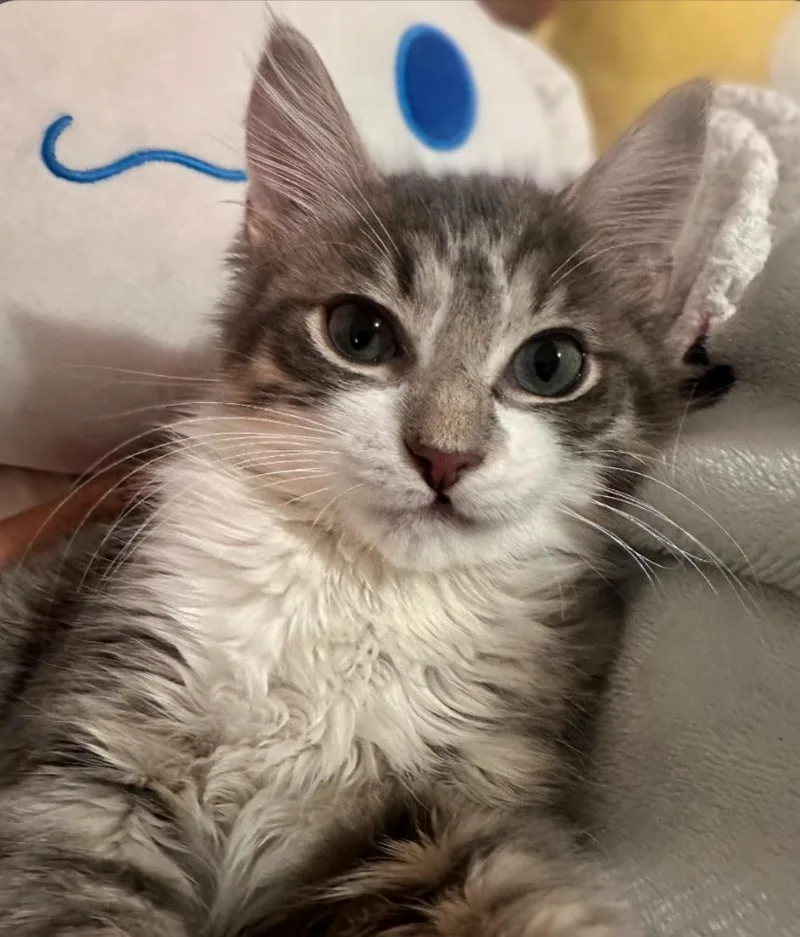
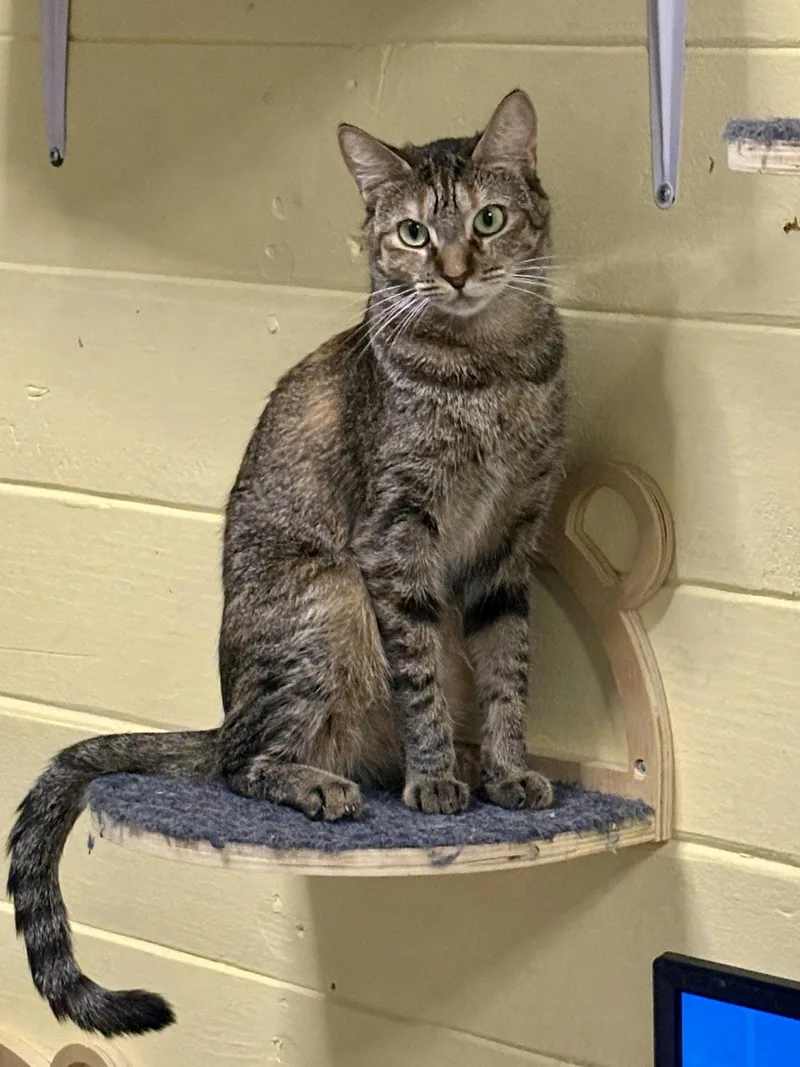
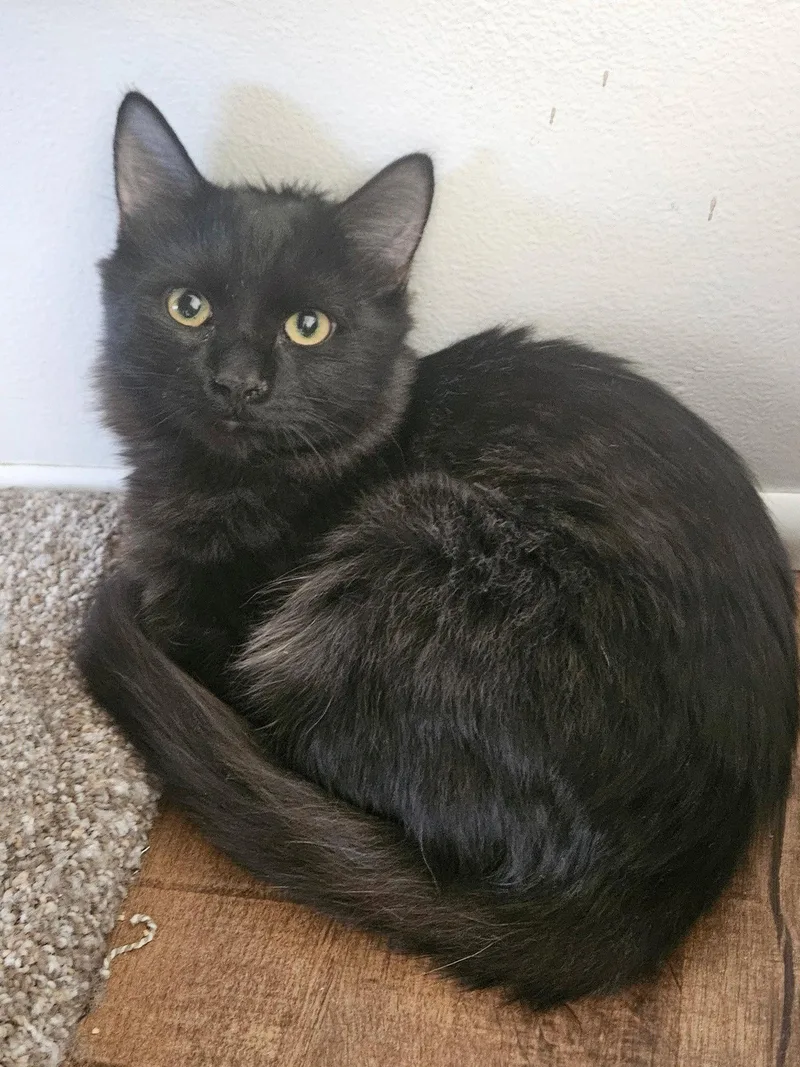
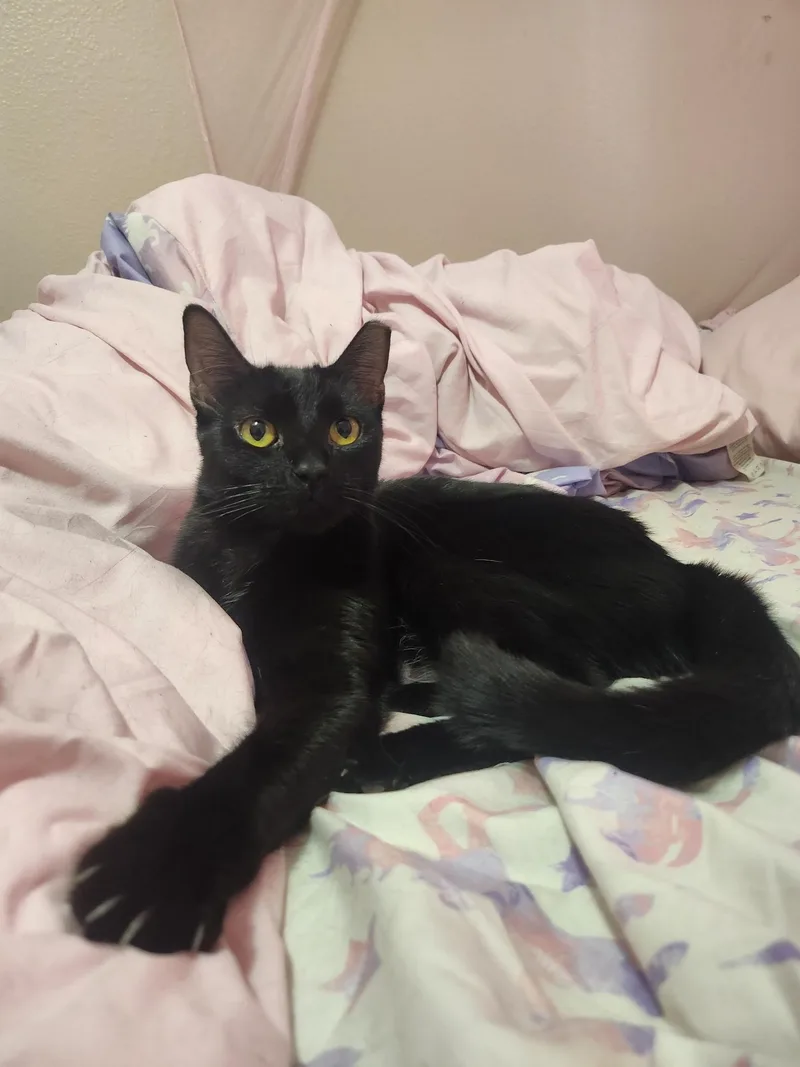
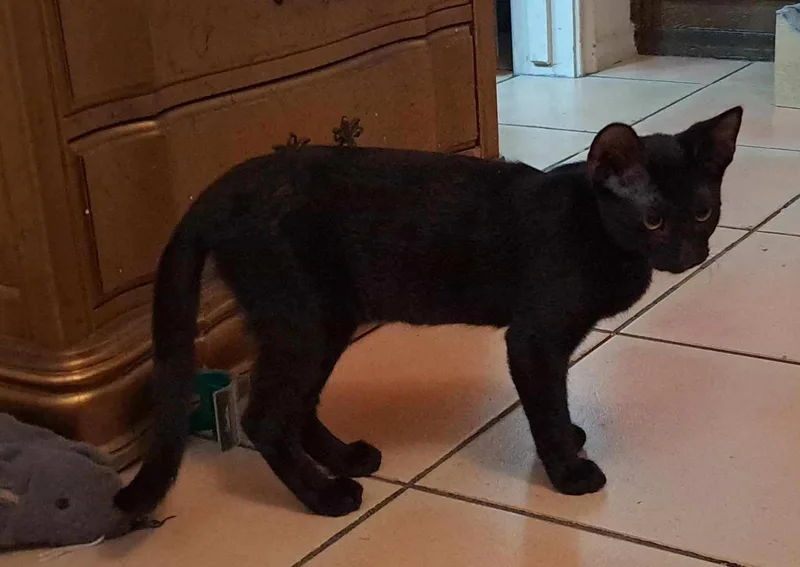
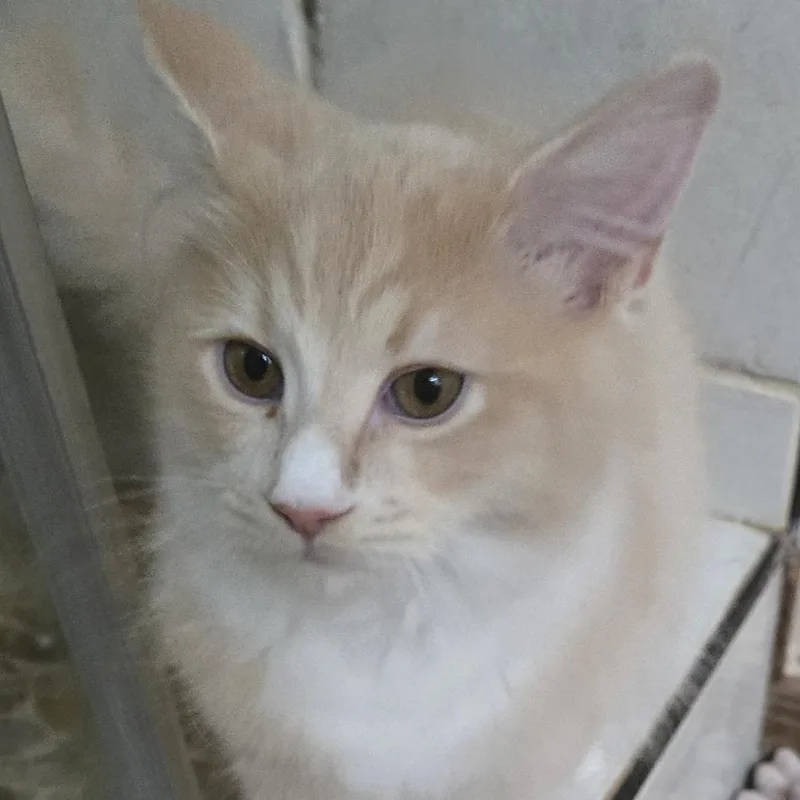
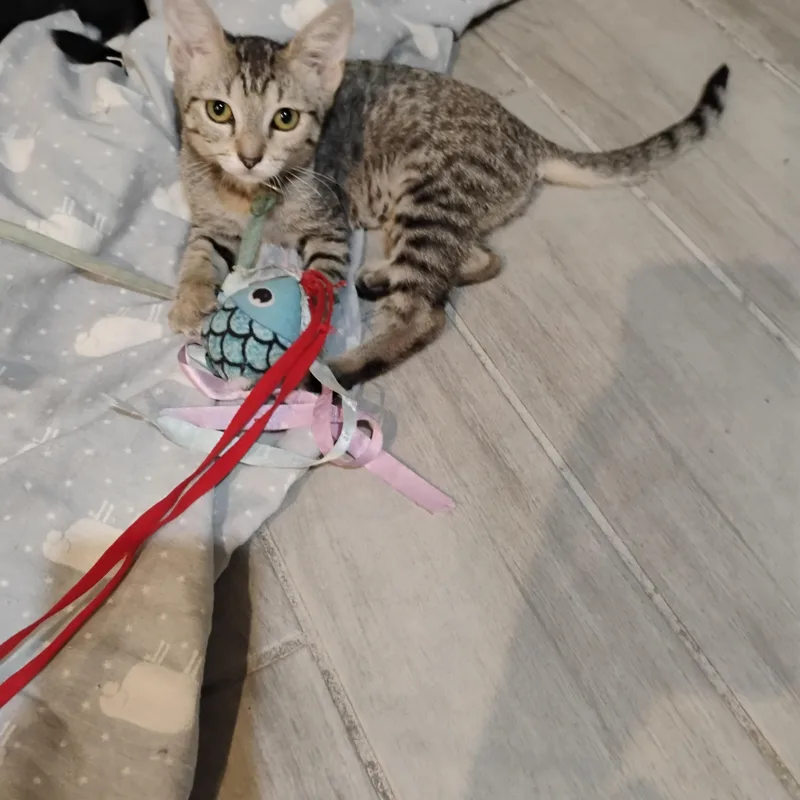
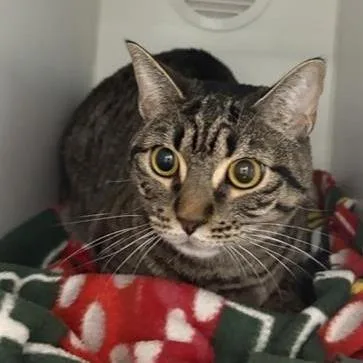
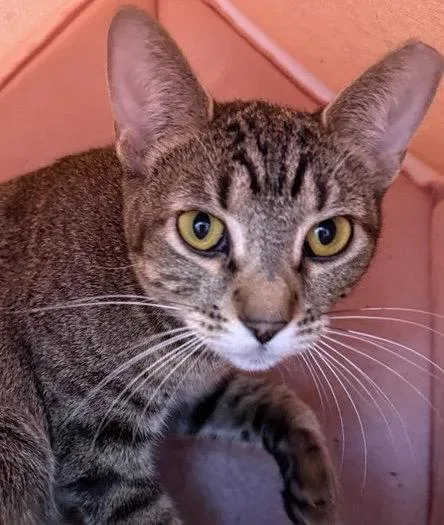
American Wirehair cat

American Wirehair Cats for Adoption in Phoenix, AZ

Your guide to finding and caring for an American Wirehair in Phoenix

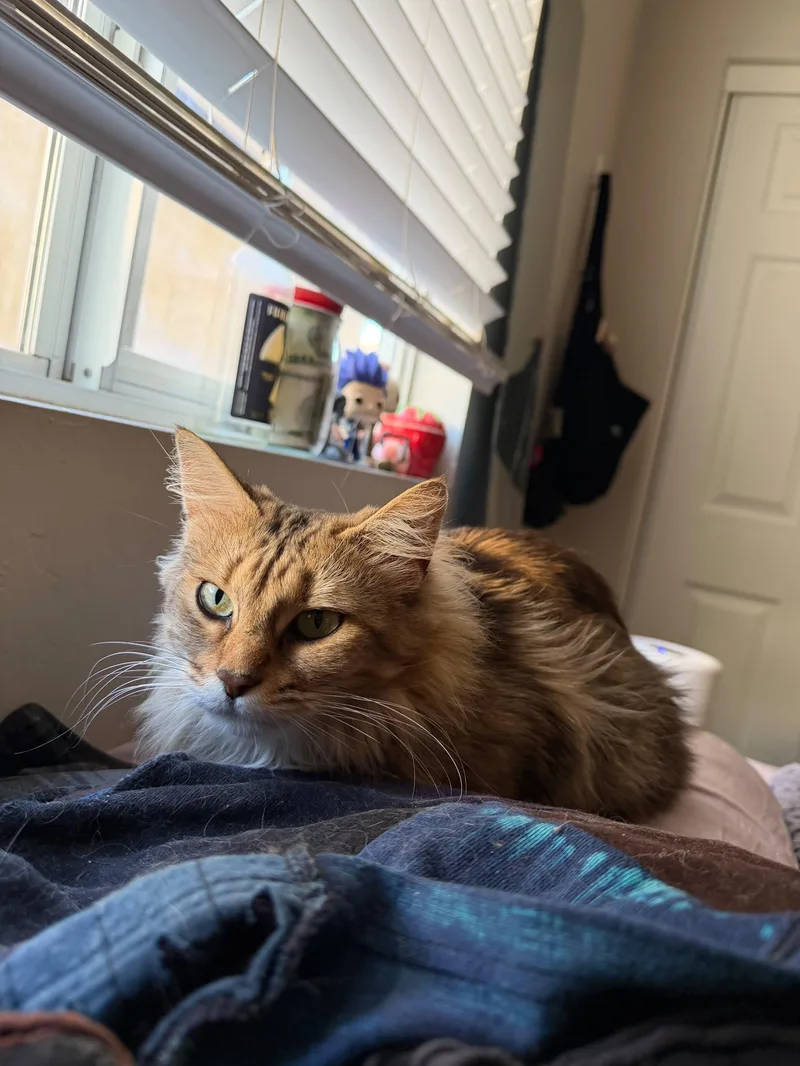
American Wirehairs make easy indoor companions in a Midtown Phoenix high-rise or a small ranch house in Alhambra. They're medium-to-large, muscular cats that like to sit nearby and watch what you're doing, so a window perch over Central Avenue gets plenty of use. Wirehairs stay playful for years, but a few short wand-toy sessions a day are plenty. They're also uncommon, so a Wirehair at your window is a bit of a novelty.

21 American Wirehairs available in Phoenix and nationwide

Adopt an American Wirehair today

While we don't have enough cats near Phoenix, keep in mind that many rescues may offer transport.

American Wirehairs Available for Adoption Near Phoenix

About the American Wirehair breed

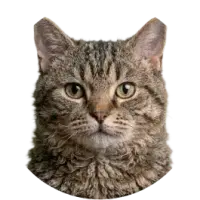
Every American Wirehair traces back to a red-and-white kitten born on a farm in Verona, New York, in 1966. His crimped, springy coat came from a spontaneous mutation, and his descendants were crossed with American Shorthairs to build the breed. It's still one of the rarest pedigreed cats, so most people have never met one.

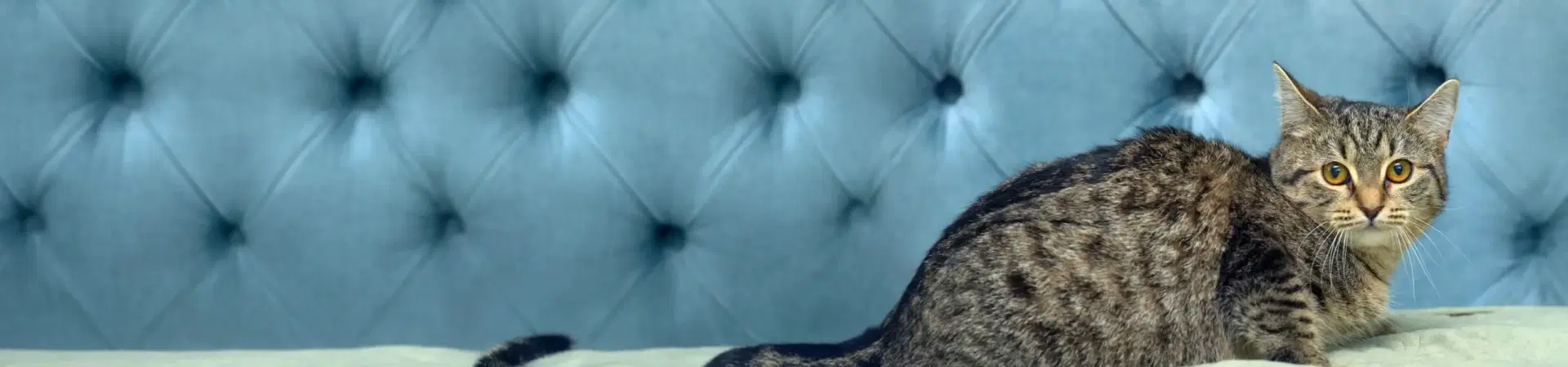
Beyond the coat, a Wirehair is built like a sturdy American Shorthair, at roughly 8 to 15 pounds, and it matures slowly, often not filling out until age three or four. The coat feels coarse and dense, and even the whiskers may curl. The temperament is typically easygoing and affectionate, though each cat differs. In Phoenix, that mostly means a calm indoor cat that does well in a cool home.

Weight
8–15 lbs
Height
8–10 in
Lifespan
12–16 yrs
Temperament
Easygoing, Affectionate, Playful
Shedding
Low to Moderate

Owning an American Wirehair in Phoenix

Having an American Wirehair in Phoenix

Wirehairs pair an unusual crimped coat with a relaxed, sociable nature and generally good health. Here's how that plays out for an indoor cat in Phoenix, from play needs and skin care to the heat-related details that matter most in the Valley.

Temperament

Many Wirehairs are mellow, affectionate and adaptable, happy to follow you from room to room without demanding constant attention. Most get along with respectful children and other pets. That steady nature helps in a Phoenix summer, when everyone spends more time indoors, but every cat has its own personality, so judge the cat in front of you.

Exercise Needs

Expect moderate energy: bursts of chasing and pouncing between long naps. Two or three short daily sessions with wand toys, balls or food puzzles keep a Wirehair fit, and a tall cat tree adds climbing. Because summer keeps cats inside for months, indoor play matters even more here, since this muscular build gains weight easily.

Health Considerations

Wirehairs are generally healthy, but heart disease such as hypertrophic cardiomyopathy is worth discussing with a veterinarian, and the coat can come with oily or sensitive skin. In Arizona, valley fever is a local concern: cats get it far less often than dogs, but indoor cats can still be infected. Skin lesions that look like abscesses are the most common sign.

Living Space

A Wirehair adjusts to apartments and houses alike, as long as it has scratching posts, perches, hiding spots and regular play. In Phoenix, indoor living is also the safest choice, with desert heat, traffic and wildlife outside. A window perch or screened catio gives outdoor stimulation, though a catio needs plenty of shade in summer.

What it costs to own an American Wirehair in Phoenix

ExpenseTypical costPer year
Food$25 to $50 per month$300 to $600
Pet insurance$25 to $50 per month$300 to $600
Routine vet care$150 to $350 per year$150 to $350
Other*$450 to $1,150 per year$450 to $1,150
Estimated yearly total (after year one)$1,200 to $2,700

Other costs are estimates and vary with size, age and health.

* Litter, flea prevention, a dental cleaning allowance, toys, scratchers and other supplies, and occasional gentle home grooming.

American Wirehair cat

Adopt an American Wirehair in Phoenix.

Now that you know more, let’s find you a new best friend. These rescues and shelters below have cats available in and near Phoenix.

Rescues and Shelters in or near Phoenix

Phoenix-area shelters and rescues list their adoptable cats here, and the lineup changes as new cats arrive. Here are the rescues & shelters in the Phoenix area with cats available for adoption, worth asking whether an American Wirehair is coming in.

Frequently Asked Questions

Yes, you can. Phoenix has no breed-specific rules, and Arizona law prohibits cities from creating them, so an American Wirehair is treated like any other cat. The city doesn't require a cat license. Because Wirehairs are rare, watch the listings on this page and save a search so you hear when one is posted.

It can be, if your home stays cool and your cat lives indoors. Wirehairs are easygoing, sociable and happy with moderate play, which suits Phoenix's long indoor summers. The tradeoffs are heat, monsoon storms and fireworks, so plan for air conditioning, a quiet hiding spot and a current ID tag. Cats vary, so judge each cat on its own.

Yes, as indoor cats. Phoenix averages 111 days a year at 100°F or higher, and July nights stay near 84°F, so a Wirehair needs air conditioning and fresh water around the clock. Keep it indoors, close blinds on sunny windows, and never leave it in a parked car. Heavy panting, drooling or lethargy needs a veterinarian right away.

Yes. Wirehairs are medium-sized, calm cats that adapt well to apartments if they have scratching posts, perches and daily play. In Phoenix, a window perch with blinds for the midday sun and a screened balcony or catio add stimulation. Since summers keep cats inside for months, vertical space matters more than square footage.

Very little. Brush gently with a soft brush or rubber grooming glove about once a week, since heavy brushing can damage the crimped coat. Some Wirehairs have oily skin, so a veterinarian can advise on occasional baths. Grooming is mostly done at home, so it's covered by the Other line in the cost table.

Phoenix has Valley Metro buses and light rail but no subway. Pets generally ride in a closed carrier, and service animals are welcome, so a Wirehair in a sturdy carrier is the practical way to travel. Check current Valley Metro rules before your trip, and avoid long rides in summer heat.

Not realistically. Maricopa County generally doesn't allow pets in food establishments, apart from service animals. The exception is county-approved dog-friendly patios, which are set up for dogs, and each restaurant decides whether to offer one. A cat is better off at home, especially in summer, when patios get dangerously hot.

No, American Wirehair cats are not hypoallergenic. The main cat allergen comes from saliva and skin glands, not hair length or texture, so a wiry coat does not remove it. Their dense, crimped coat may shed a little less than some breeds, but allergic people should spend extended time with a specific cat before adopting and talk to their doctor.

Yes, American Wirehair cats are very rare. The entire breed descends from one kitten born in New York in 1966, and registrations with major cat associations have stayed small for decades. Few are born each year, so it is unusual to find one in a shelter. Breed rescues and saved searches give adopters the best chance of meeting one.

Plan on roughly $1,200 to $2,700 a year in total. Food runs $25 to $50 a month and insurance $25 to $50 a month. Routine vet care is $150 to $350 a year, and other costs such as litter, flea prevention and dental care add $450 to $1,150. Adoption fees vary by listing.