Domestic Short Hair Cats for Adoption in Mesa, AZ

Your guide to finding and caring for a Domestic Short Hair in Mesa

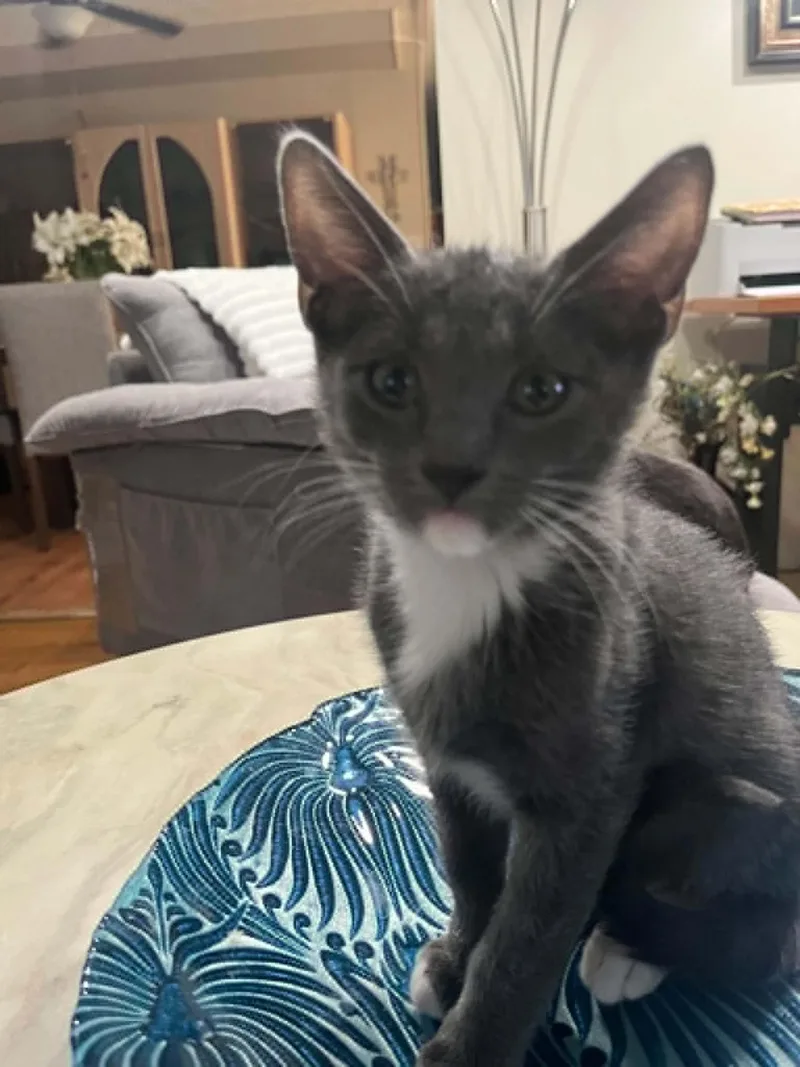
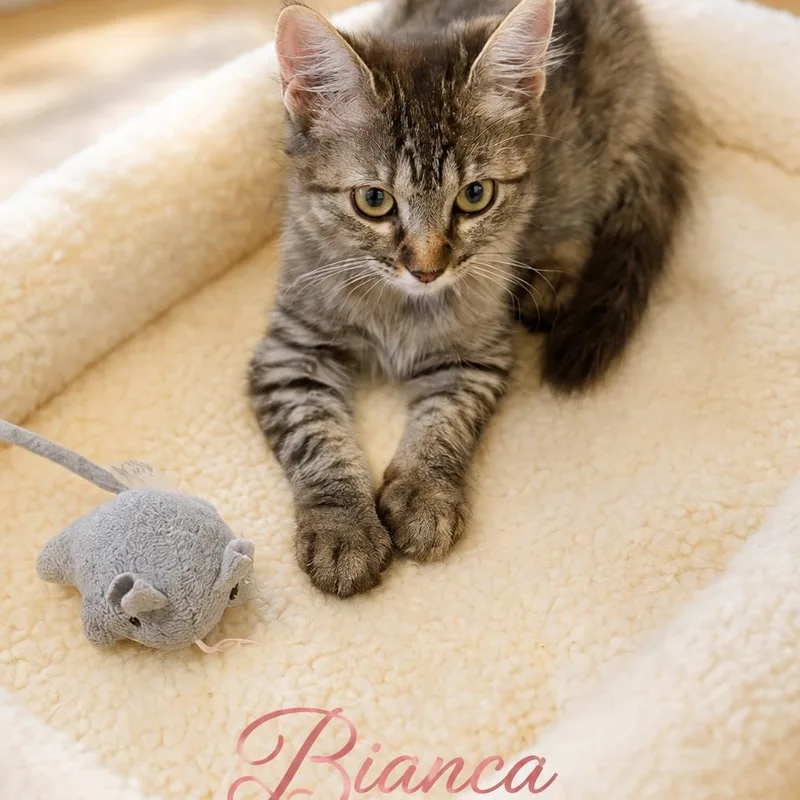
Domestic Short Hairs are a natural fit for Mesa's apartments, including the newer buildings near the light rail stations in central Mesa. They don't need much space, just a sunny window perch, a scratching post and a few things to climb. With highs over 100°F for much of the year, a Mesa cat lives indoors anyway, so daily play does the work a yard might. Domestic Short Hair describes a coat, not a breed, so personalities range from lap cat to window watcher.

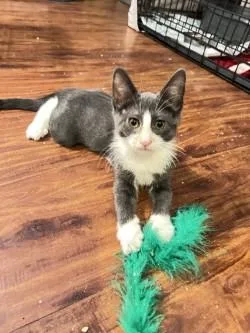
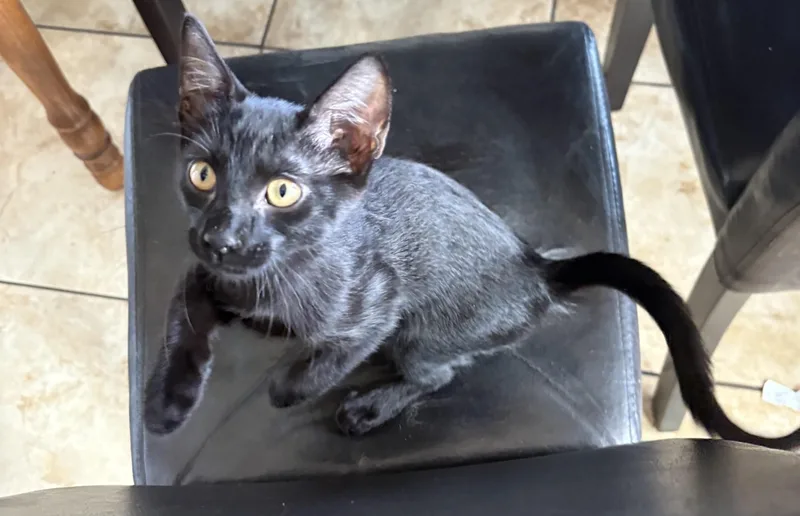
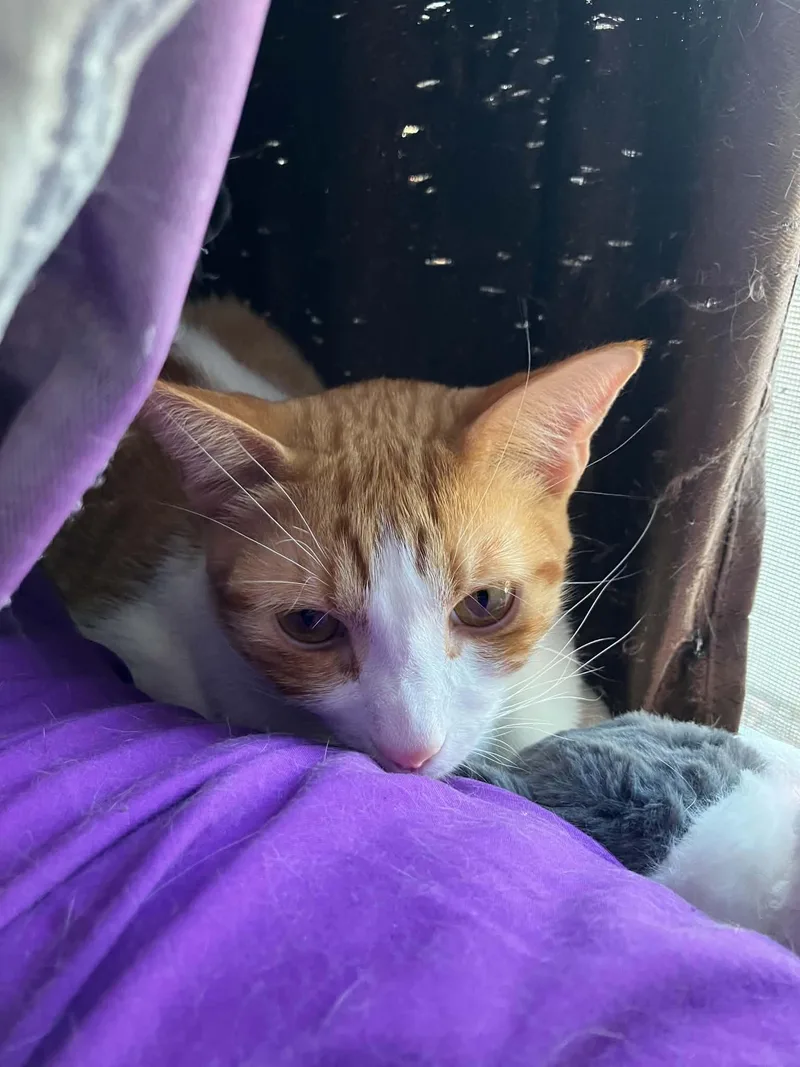
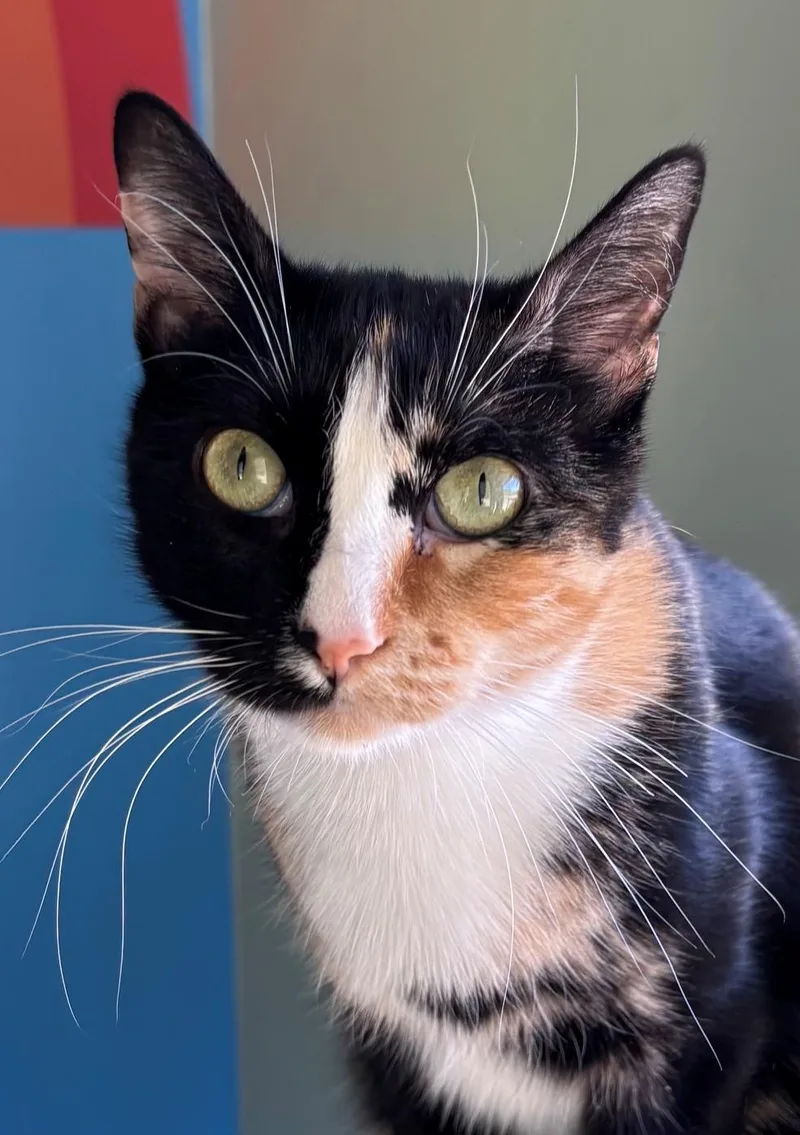
18 Domestic Short Hairs available for adoption in Mesa

Find your Domestic Short Hair

Domestic Short Hairs Available for Adoption in Mesa

About the Domestic Short Hair breed

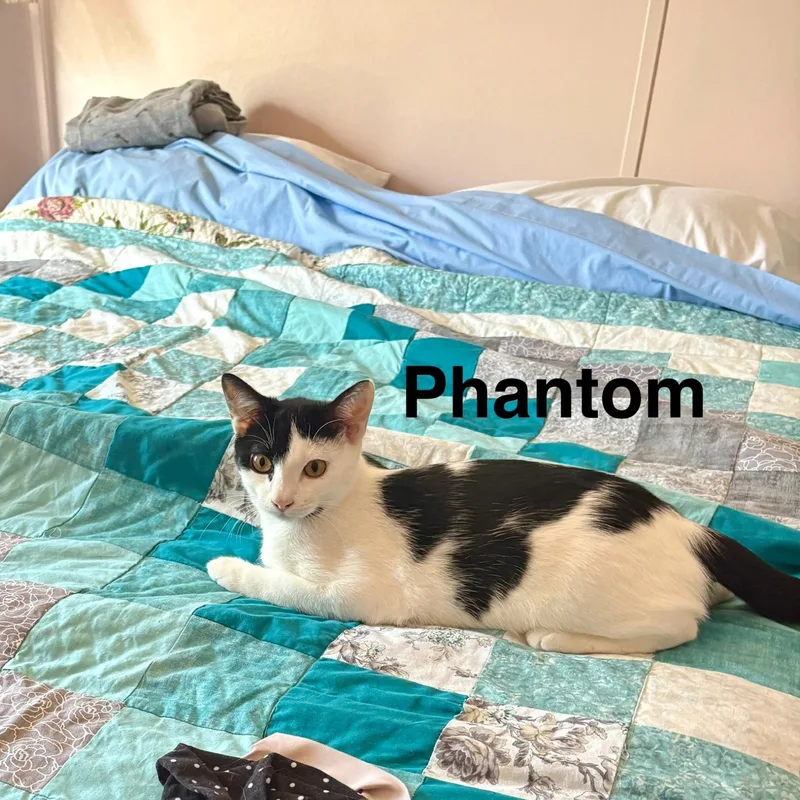
Domestic Short Hair is the name for a short-coated cat of mixed or unknown ancestry, often shortened to DSH on adoption records. It isn't a pedigreed breed, and it shouldn't be confused with the American Shorthair. Coats come in every color and pattern, from tabby and tuxedo to calico and solid black, and most cats are medium-sized, roughly 6 to 14 pounds.

Because the gene pool is so wide, personality varies as much as looks. Some DSH cats are lap-sitters, some are chatty, and some are happiest watching from a perch. In Mesa, where cats spend long summers indoors, a cat's age, energy and habits tell you far more than coat color. Short coats are easy to keep up, though shedding is moderate year-round, so a weekly brush helps.

Weight
6–14 lbs
Height
8–10 in
Lifespan
12–18 yrs
Temperament
Adaptable, Curious, Affectionate
Shedding
Moderate

Owning a Domestic Short Hair in Mesa

Having a Domestic Short Hair in Mesa

DSH cats share a practical short coat, but little else is fixed. In Mesa, the useful questions are how a cat handles indoor life through the heat, how much play it wants, and whether it stays relaxed during storms and fireworks.

Temperament

DSH cats range from outgoing lap cats to shy observers, and kittens tend to be bolder than settled adults. Many adapt well to new homes with gradual introductions. In Mesa, notice how a cat reacts to sudden sounds, since monsoon thunder and fireworks around July 4 and New Year's are part of the calendar.

Exercise Needs

Plan on daily interactive play with wand toys, chase games and food puzzles. Because Mesa's heat keeps cats inside much of the year, window perches, cat trees and a couple of short play sessions in the cooler morning and evening hours help burn energy. Seniors do well with gentler sessions.

Health Considerations

DSH cats commonly face obesity, dental disease and urinary problems, with kidney disease, hyperthyroidism and diabetes more likely in seniors. Indoor Mesa life can let weight creep up, so measure portions and track body condition. A veterinary visit soon after adoption can check teeth and weight and set up a routine.

Living Space

Apartments, townhomes and houses all work when a cat has vertical space, a quiet retreat, a clean litter box and cool air. Secure window screens matter, especially on upper floors. In Mesa, keep the home comfortably cooled and keep the cat indoors or in a shaded, secure enclosure.

What it costs to own a Domestic Short Hair in Mesa

ExpenseTypical costPer year
Adoption fee$150 to $300, one time$150 to $300 in year one
Food$25 to $50 per month$300 to $600
Pet insurance$20 to $45 per month$240 to $540
Routine vet care$150 to $350 per year$150 to $350
Other*$450 to $1,150 per year$450 to $1,150
Estimated yearly total (after year one)$1,140 to $2,640
First-year total (with adoption fee)$1,290 to $2,940

Adoption fee is the range of fees on Domestic Short Hair listings in Mesa on GetBuddy today. Other costs are estimates and vary with size, age and health.

* Litter, flea and tick prevention, a dental cleaning allowance, toys, scratchers and other supplies, and minimal home grooming.

Adopt a Domestic Short Hair in Mesa.

Now that you know more, let’s find you a new best friend. These rescues and shelters below currently have Domestic Short Hairs available.

Rescues in Mesa with Domestic Short Hairs Available

Mesa's cat adoptions largely run through independent rescue groups and foster homes, and the groups below list cats here. Here are the rescues & shelters in the Mesa area where you can find Domestic Short Hairs and other cats available for adoption.

Frequently Asked Questions

Yes, and no known Mesa rule stands in the way. Domestic Short Hair is a coat type, not a restricted breed. The real gatekeeper is usually your lease or HOA, so confirm pet terms first. Plan for indoor living, a vet visit soon after adoption, and a microchip. Save a search on this page to hear about new cats.

Yes, DSH cats generally do well in apartments when they have a window perch, climbing space and daily play. On the rental side, Arizona caps total security, however labeled, at one and a half months' rent, and nonrefundable pet fees must be explained in writing. Monthly pet rent isn't capped, so get all pet terms in writing.

Yes, as indoor cats. Mesa sees roughly 95 to 110 days a year at or above 100°F, and summer nights stay warm, so a cat needs air conditioning, shade and plenty of water. Skip outdoor time in summer. Heavy panting, drooling or red gums call for gradual cooling and a prompt vet visit.

Yes, but only inside an enclosed carrier that fits on your lap. Valley Metro buses and light rail, which runs along Main Street through seven Mesa stations, don't allow pets outside carriers, though service animals are exempt. Keep the carrier closed and on your lap, and choose a cooler time of day for the trip.

Often, yes, for someone who wants an adaptable cat and will keep it indoors. The main adjustments are monsoon thunder and the fireworks around July 4 and New Year's, so a hiding spot and secure screens help. Because DSH cats vary, choose a cat whose age and energy match your routine.

Very little. A weekly brush handles moderate shedding, which may rise in spring, and nails need trimming every few weeks. A short coat needs no summer clipping, and professional grooming is rarely necessary, so grooming costs stay small and fall within the yearly Other budget. Overweight or senior cats that can't groom well may get mats and need a vet or groomer.

Domestic shorthair cats typically live about 12 to 18 years, and many indoor cats reach their late teens or early twenties. Large UK veterinary studies have found mixed-breed cats tend to live slightly longer than pedigreed cats on average. Spaying or neutering, indoor living, a healthy weight, dental care and regular checkups all help a cat enjoy a longer life.

No, domestic shorthair cats are not hypoallergenic. The main cat allergen, a protein called Fel d 1, comes from saliva and skin glands, so short fur does not prevent reactions. Allergen levels vary between individual cats, and some people react less to certain cats. Spending time with a specific cat before adopting is the best way to test your response.

We have 5 rescues with Domestic Short Hairs available, including The Meowing Monster Katz Rescue, Kim's Kritters and H.A.R.T. (Homeless Animals Rescue Team). You can see every rescue with Domestic Short Hairs available in the list above these questions, or scroll to the top to see the Domestic Short Hairs in Mesa.

A DSH cat in Mesa typically costs about $1,140 to $2,640 a year. Food runs $25 to $50 a month and pet insurance $20 to $45. Routine vet care adds $150 to $350 a year, and other costs such as litter, flea prevention, dental care and supplies add $450 to $1,150.

Explore Other Breeds in Mesa

Looking for a different breed? Browse other cats available for adoption in Mesa.