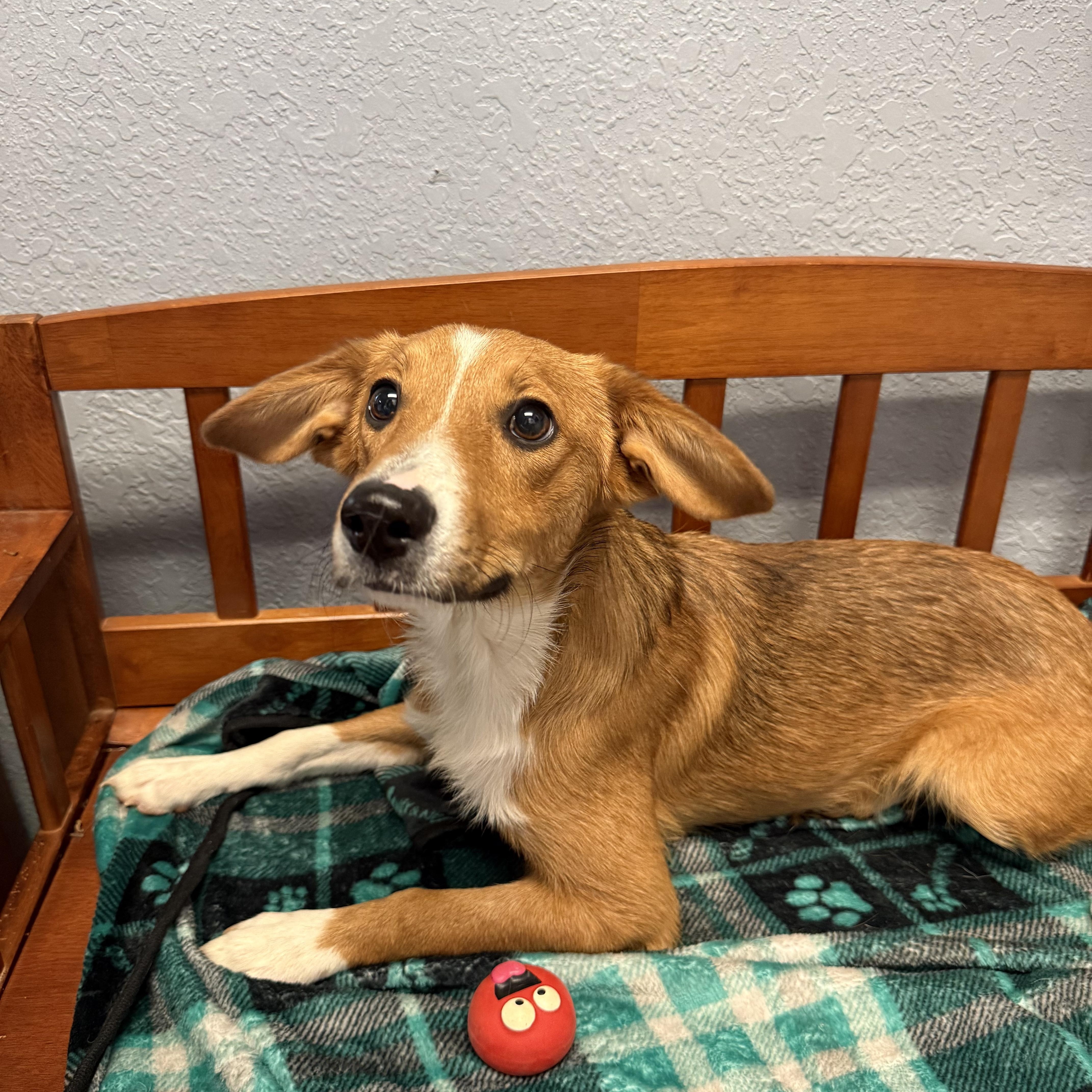
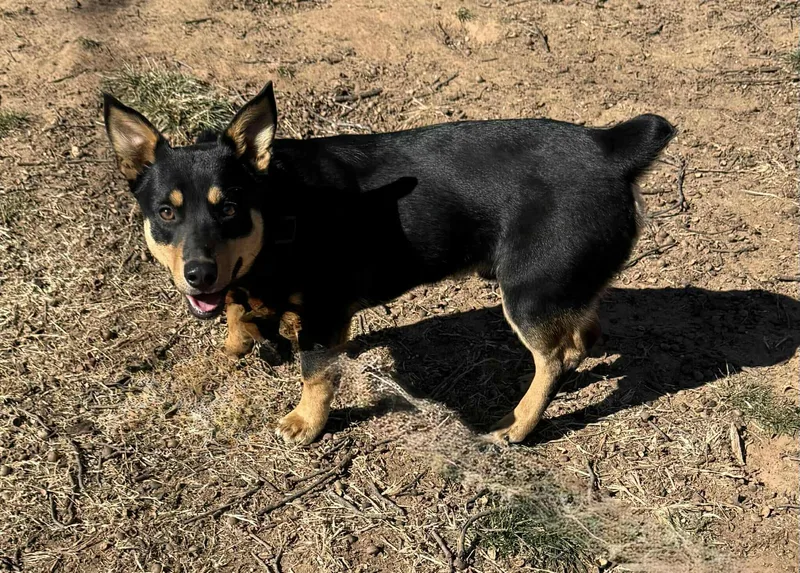
Swedish Vallhund Dogs for Adoption in Cheyenne, WY

Your guide to finding and caring for a Swedish Vallhund in Cheyenne

A Swedish Vallhund is a good size for Cheyenne's older neighborhoods and the Greenway. Capitol North's historic blocks have big yards where a herding dog can patrol, and the trail along Dry Creek gives a leashed Vallhund a long, steady walk. They're small, but they're sturdy and busy, so plan on a real outing every day rather than a quick lap around the block. Expect some alert barking at passersby, too. If you're thinking of adopting one in Cheyenne, it suits people who enjoy training.

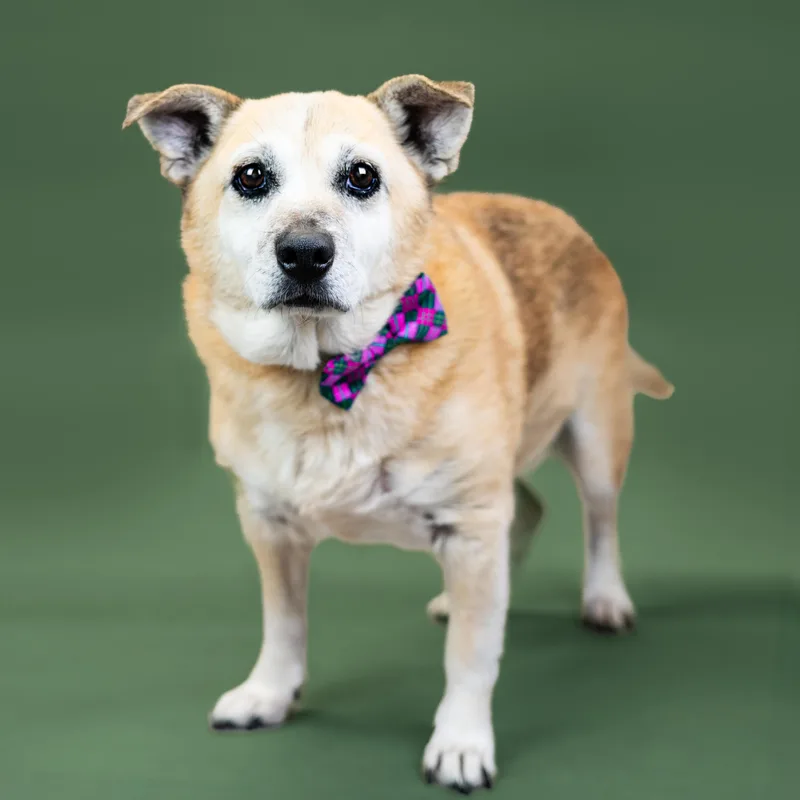
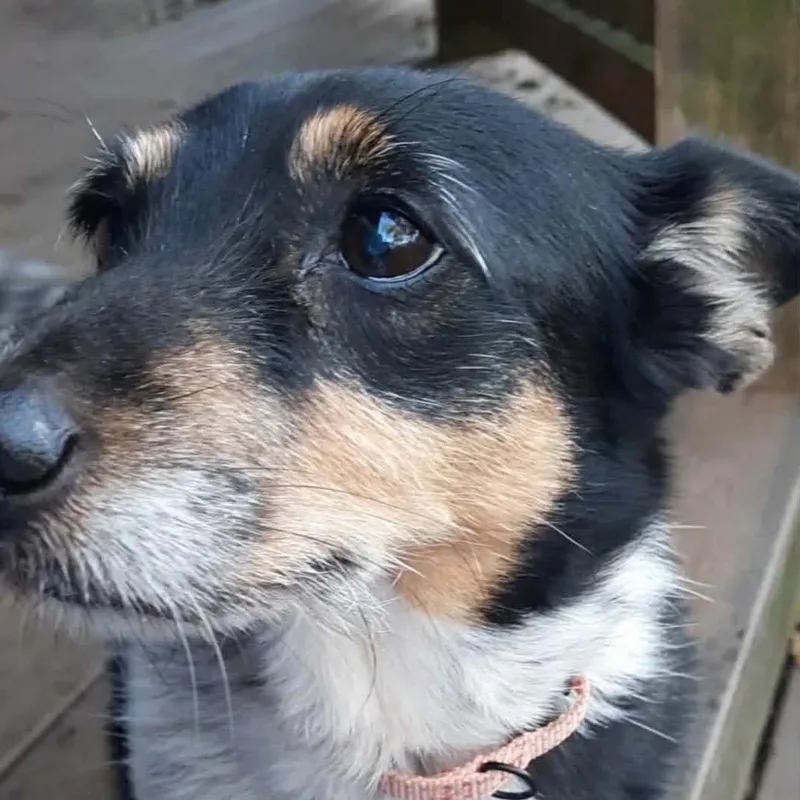
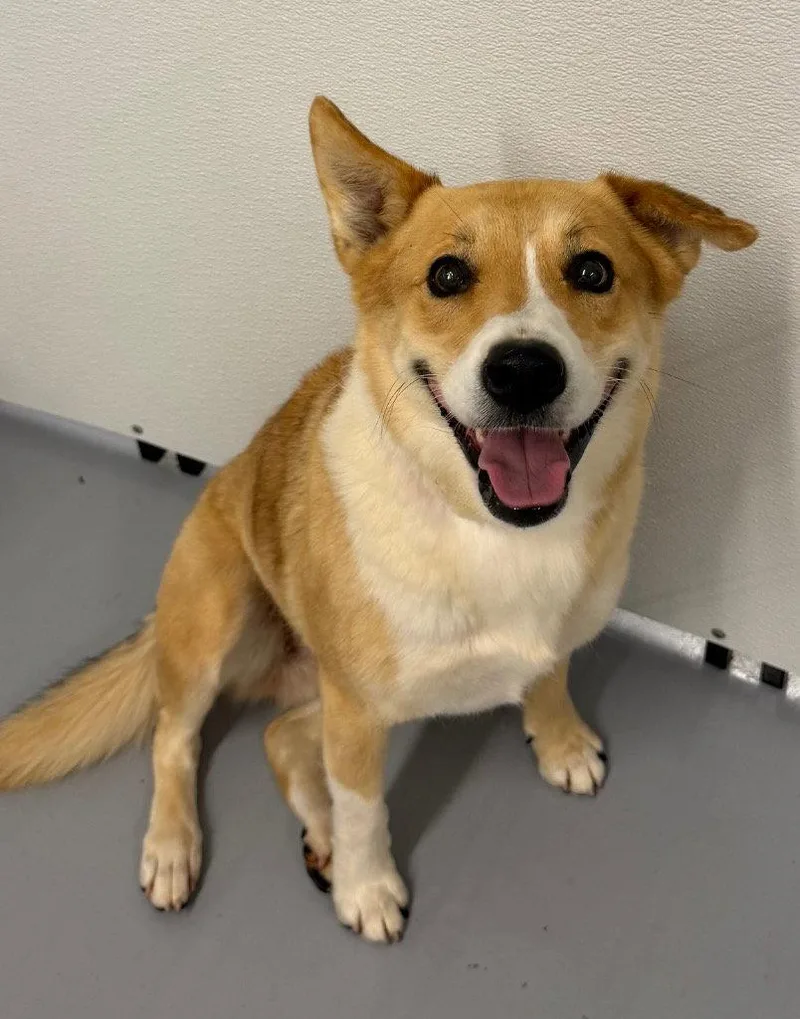
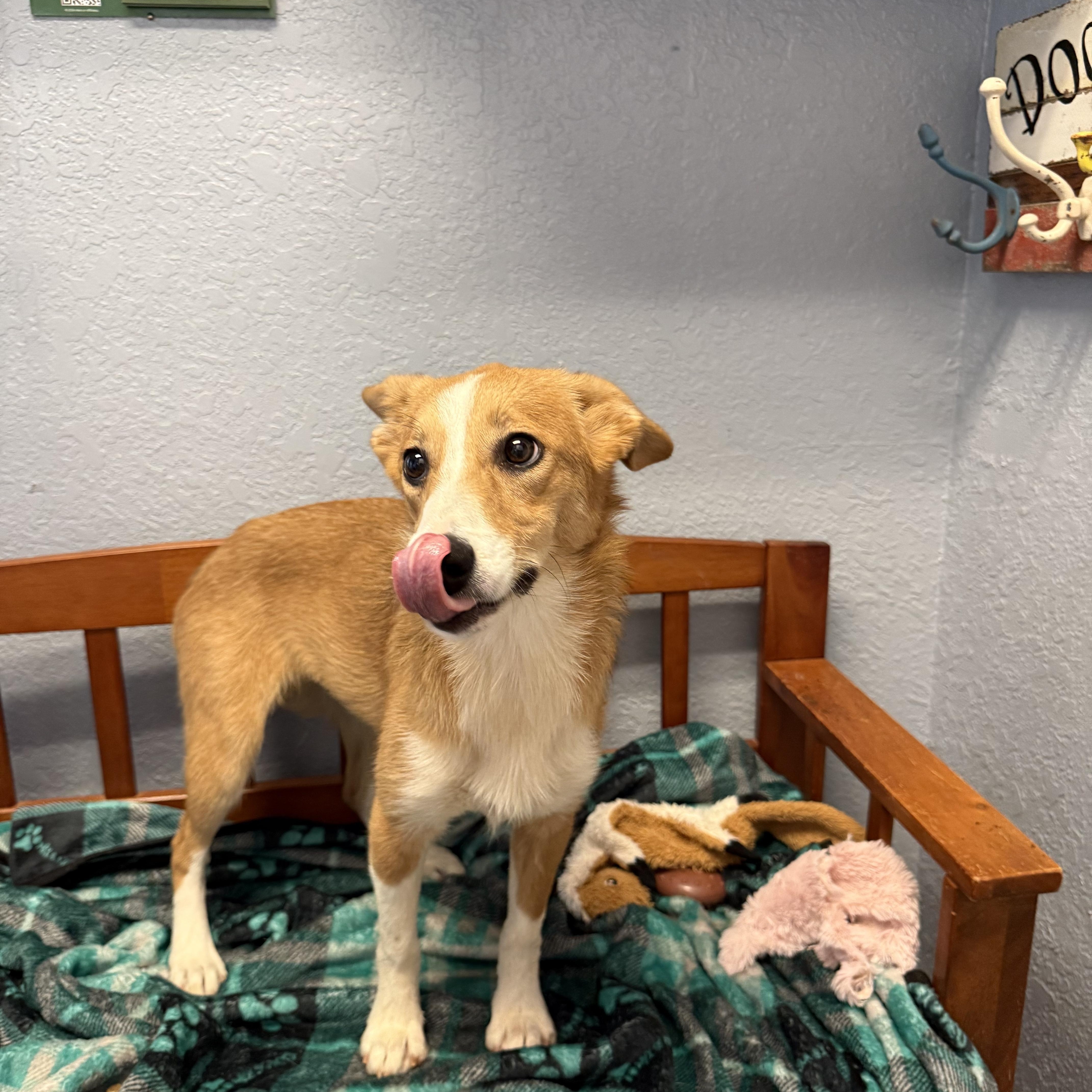
691 dogs similar to Swedish Vallhund available in Cheyenne and nationwide

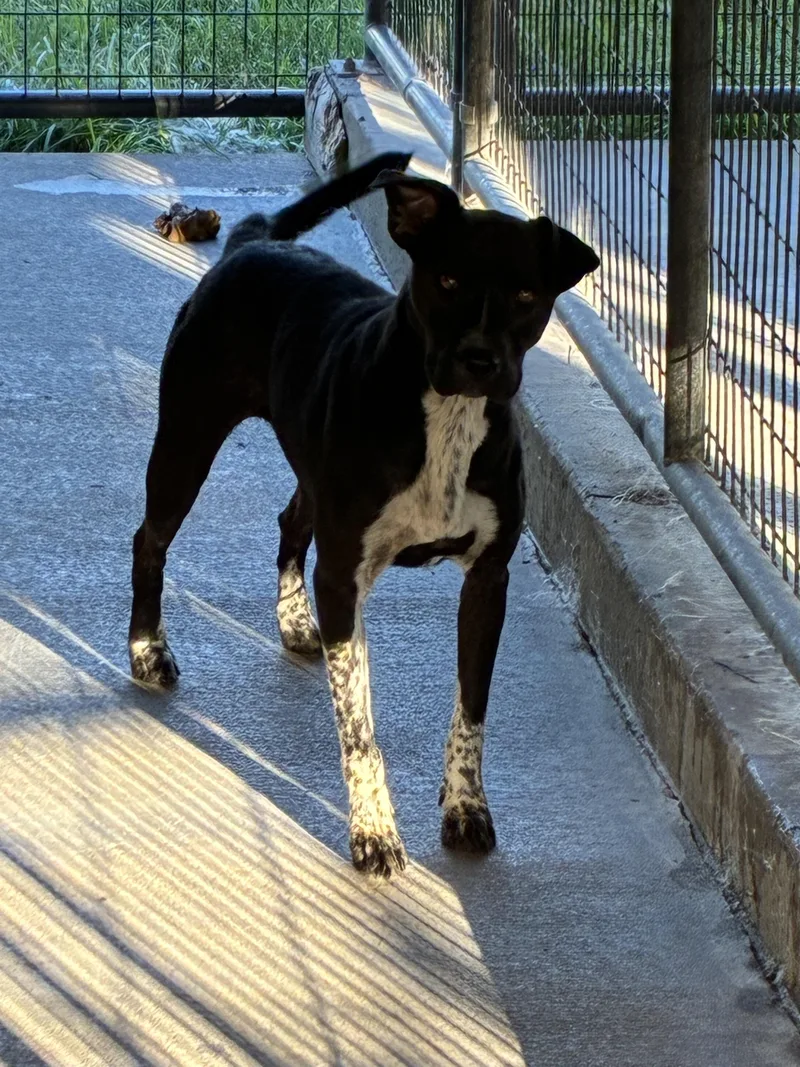
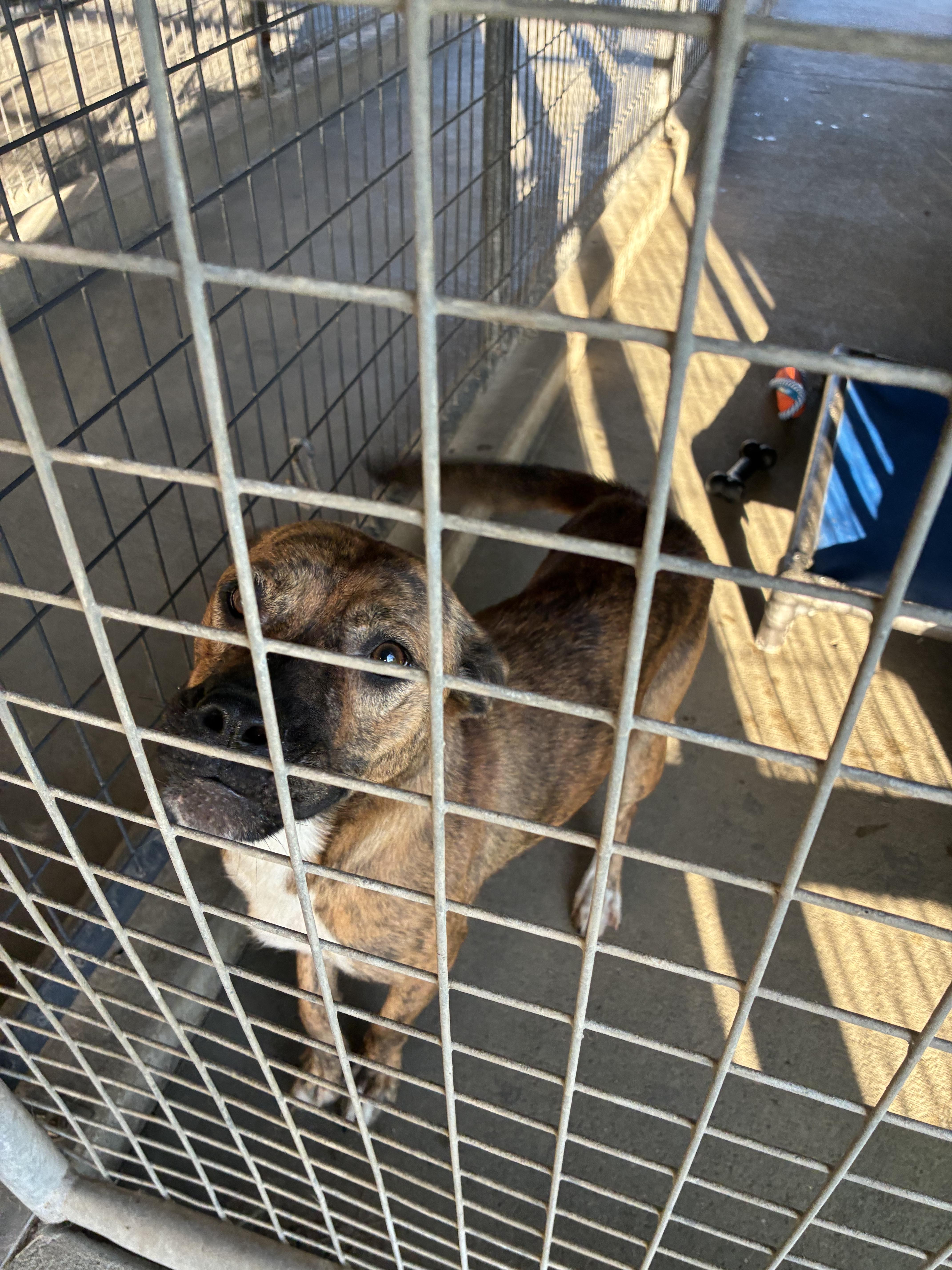
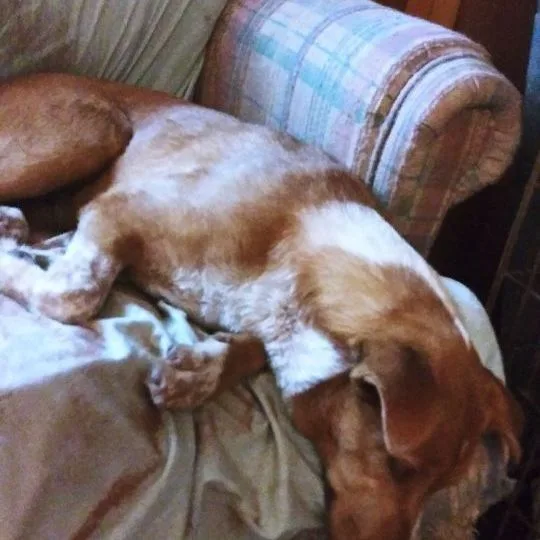
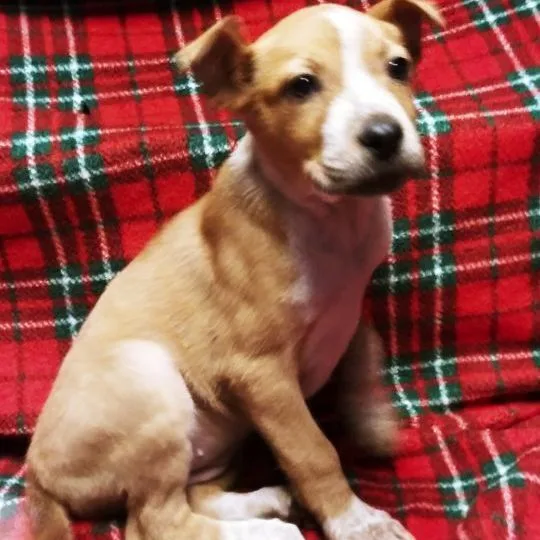
Meet your next Swedish Vallhund

While we don't have enough dogs near Cheyenne, keep in mind that many rescues may offer transport.

Swedish Vallhunds and Similar Breeds Available for Adoption Near Cheyenne

About the Swedish Vallhund breed

The Swedish Vallhund is an old spitz-type cattle dog from Västergötland in Sweden, where farmers kept it for herding, guarding and catching rats. The breed nearly disappeared in the early 1940s before two enthusiasts, Björn von Rosen and K. G. Zettersten, rebuilt it from a handful of farm dogs. The name simply means herding dog.

Vallhunds are low, sturdy and usually 20 to 35 pounds, with a wedge-shaped head, prick ears and a harsh double coat in gray to red sable. The tail may be long, stubby or absent. Many are cheerful, watchful and eager to please, with plenty of energy for their size. They tend to suit people who like training and outdoor time, and who can handle heavy seasonal shedding and a talkative companion.

Weight
20–35 lbs
Height
11–14 in
Lifespan
12–15 yrs
Temperament
Alert, Energetic, Friendly
Group
Herding
Shedding
Moderate to High

Owning a Swedish Vallhund in Cheyenne

Having a Swedish Vallhund in Cheyenne

Vallhunds pair herding-dog drive with a compact body. Their energy, alert voice, dense coat and a few inherited eye and joint concerns shape daily life, and Cheyenne's wind and snow add some local twists that each card below covers.

Temperament

Many Vallhunds are friendly, confident and closely bonded to their families, and they like to announce visitors. On Cheyenne's quiet residential streets, that watchfulness often shows up at the window or fence line. Herding instincts can mean nipping at heels, so early socialization and reward-based training help. Personalities vary from dog to dog.
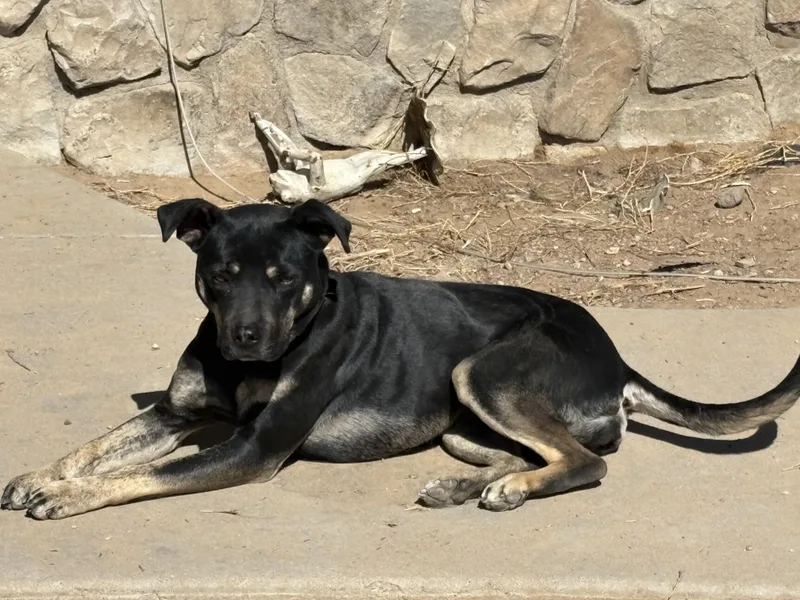
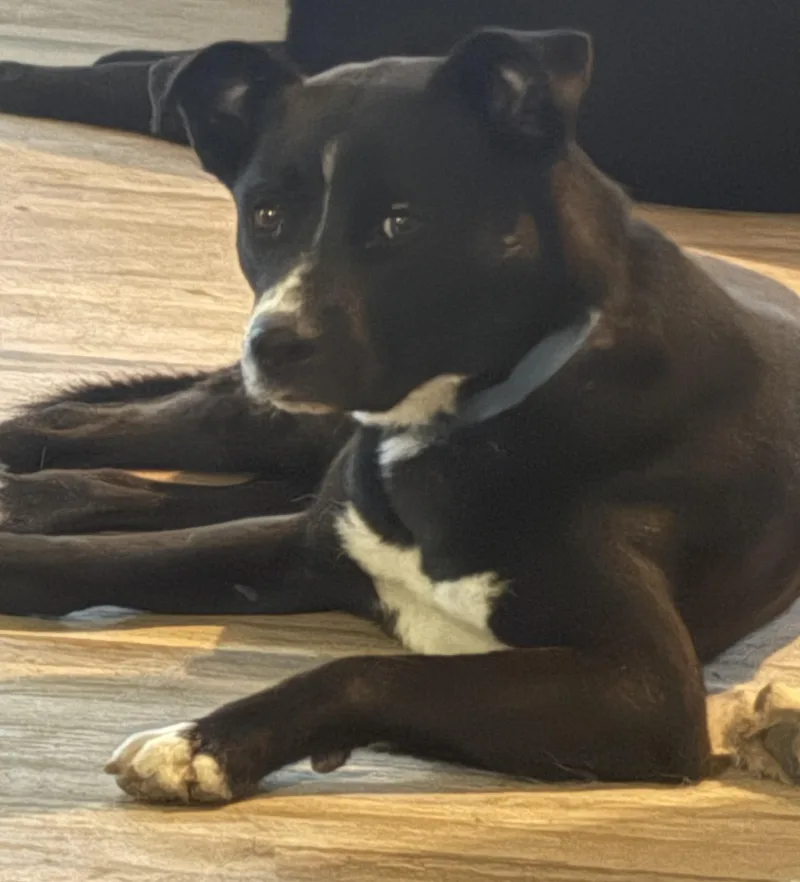
Exercise Needs

Plan on daily walks plus active play or training. The nearly 50-mile Greater Cheyenne Greenway offers long leashed walks on hard-surface trail, and because no off-leash dog park is open right now, fenced-yard games, tracking and puzzle toys fill the gap. Short training sessions keep a busy mind occupied on windy or snowy days.

Health Considerations

Vallhunds are generally sturdy, but a form of retinopathy is common in the breed and can cause gradual vision loss, often first seen as night blindness. Hip and other joint problems also appear. Keeping weight down protects the long back, and a veterinarian can check the eyes and hips at regular checkups.

Living Space

Most Cheyenne homes are detached houses, and a Vallhund does well in one with a securely fenced yard. An apartment can work too if exercise and mental needs are met, though alert barking may bother close neighbors. Expect heavy shedding twice a year, and keep this people-focused dog indoors with the family.

What it costs to own a Swedish Vallhund in Cheyenne

ExpenseTypical costPer year
Food$20 to $45 per month$240 to $540
Pet insurance$35 to $70 per month$420 to $840
Routine vet care$200 to $400 per year$200 to $400
Other*$475 to $1,250 per year$475 to $1,250
Estimated yearly total (after year one)$1,335 to $3,030

Other costs are estimates and vary with size, age and health.

* Flea, tick and heartworm prevention, a dental cleaning allowance, toys and bedding, and extra brushing and baths for heavy seasonal shedding.

Adopt a Swedish Vallhund in Cheyenne.

Now that you know more, let’s find you a new best friend. These rescues and shelters below have dogs available in and near Cheyenne.

Rescues and Shelters in or near Cheyenne

Cheyenne's rescue community includes a large nonprofit shelter and foster-based groups, and the dogs available change often. Here are the rescues & shelters in the Cheyenne area with dogs available for adoption, worth asking whether a Swedish Vallhund is coming in.

Frequently Asked Questions

Yes, Cheyenne has no known breed-specific rules that affect Swedish Vallhunds. Dogs four months and older need a rabies vaccine and a new rabies tag every year, worn on the collar or harness, and there's no separate city license. Households may keep up to four dogs, and dogs must be under restraint whenever they're off your property.

Yes, a Vallhund's dense double coat is well suited to Cheyenne winters, which bring about 170 freezing nights and roughly 63 inches of snow a year. Their short legs mean deep snow drags on the belly, and wind makes cold feel harsher. Wipe paws after ice-melt walks and shorten outings on the coldest, windiest days.

The Greater Cheyenne Greenway, with nearly 50 miles of hard-surface trail, is the top pick, followed by Lions Park at Sloans Lake, Holliday Park and North Cheyenne Community Park. Dogs must be leashed on the Greenway and in city parks. No off-leash dog park is open now, so use a fenced yard for play.

Yes, a Vallhund can manage in a Cheyenne apartment if it gets daily walks and mental work. Most local homes are houses, and about a third of households rent. Barking is the main hurdle, since city code bars excessive, continuous or untimely barking, so train quiet habits early and leave puzzle toys when you're out.

No, Cheyenne Transit Program buses don't allow pets, only service animals, even though fares are free. Comfort or companion animals don't count as service animals. Because the city is car-dependent anyway, plan on driving your Vallhund to vet visits and trailheads, and never leave the dog in a parked car without ventilation.

Don't count on it. Patio policies are set by each restaurant, and pet dogs are generally not allowed in indoor dining rooms, though service animals are. If you find a patio that welcomes dogs, a Vallhund's alert barking and herding instincts may test its patience, so practice calm settling at home first.

Plan on brushing about once a week, and daily during the heavy spring and fall sheds when the undercoat blows out. Cheyenne's dry air and wind make occasional baths and a quick paw wipe after snowy or salted walks worthwhile. Don't shave the double coat. Grooming costs stay modest and are covered in the Other line of the cost table.

It can be, especially for active people who like training and have a yard or easy Greenway access. The coat copes well with cold, and mild summers help. Wind, car-dependent errands, and noise from summer storms or fireworks around July 4 are worth planning for, and a talkative, watchful dog may not suit every household.

The Swedish Vallhund is often called the Viking dog, and its breed club and the AKC describe it as known since the time of the Vikings, more than a thousand years ago. Firm archaeological proof is limited, so the link rests largely on tradition. Its resemblance to Welsh Corgis has fueled theories that Viking-era contact spread one breed's ancestors to the other.

A Swedish Vallhund in Cheyenne typically runs about $1,300 to $3,000 a year. That covers food at $20 to $45 a month, insurance at $35 to $70 a month, routine vet care at $200 to $400 a year, and other costs at $475 to $1,250 a year.

Explore Other Breeds in Cheyenne

Looking for a different breed? Browse other dogs available for adoption in Cheyenne.