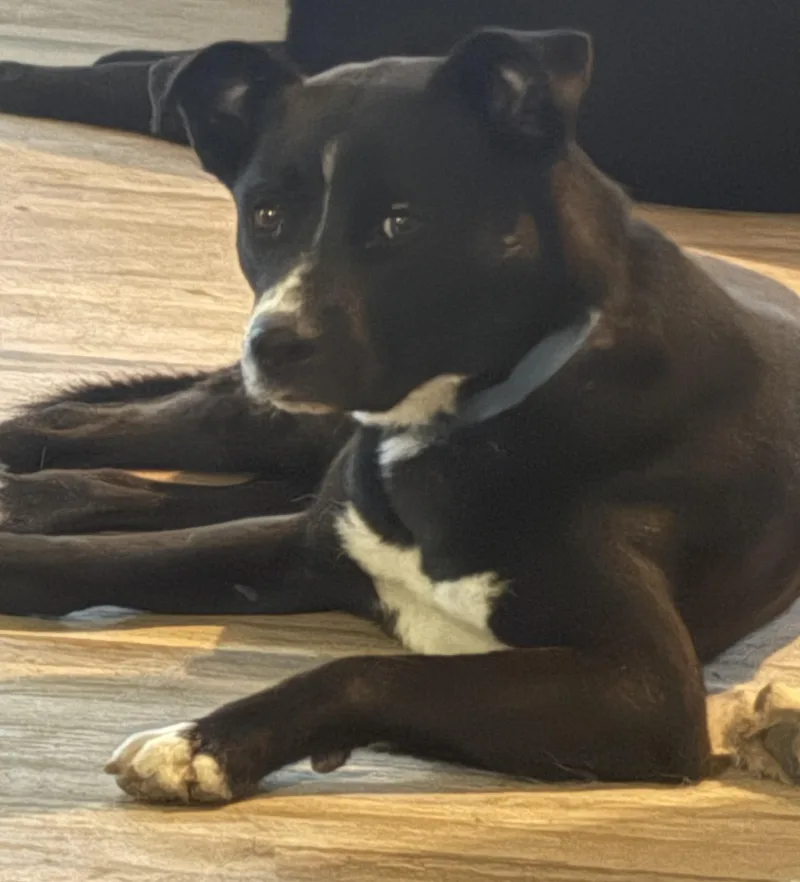
Presa Canario Dogs for Adoption in Cheyenne, WY

Your guide to finding and caring for a Presa Canario in Cheyenne

A Presa Canario in Cheyenne needs a fenced yard more than anything else. Most homes here are detached houses, and older Capitol North blocks have the large lots that suit a heavy guarding dog. On the Greenway, leashes are required and the path is shared with cyclists, so walks take planning. Presas are powerful and wary of strangers, which makes them a better match for experienced adopters with a steady routine and a lot of patience for leash training.

56 Presa Canarios available in Cheyenne and nationwide

A Presa Canario is ready for you

While we don't have enough dogs near Cheyenne, keep in mind that many rescues may offer transport.

Presa Canarios Available for Adoption Near Cheyenne

About the Presa Canario breed

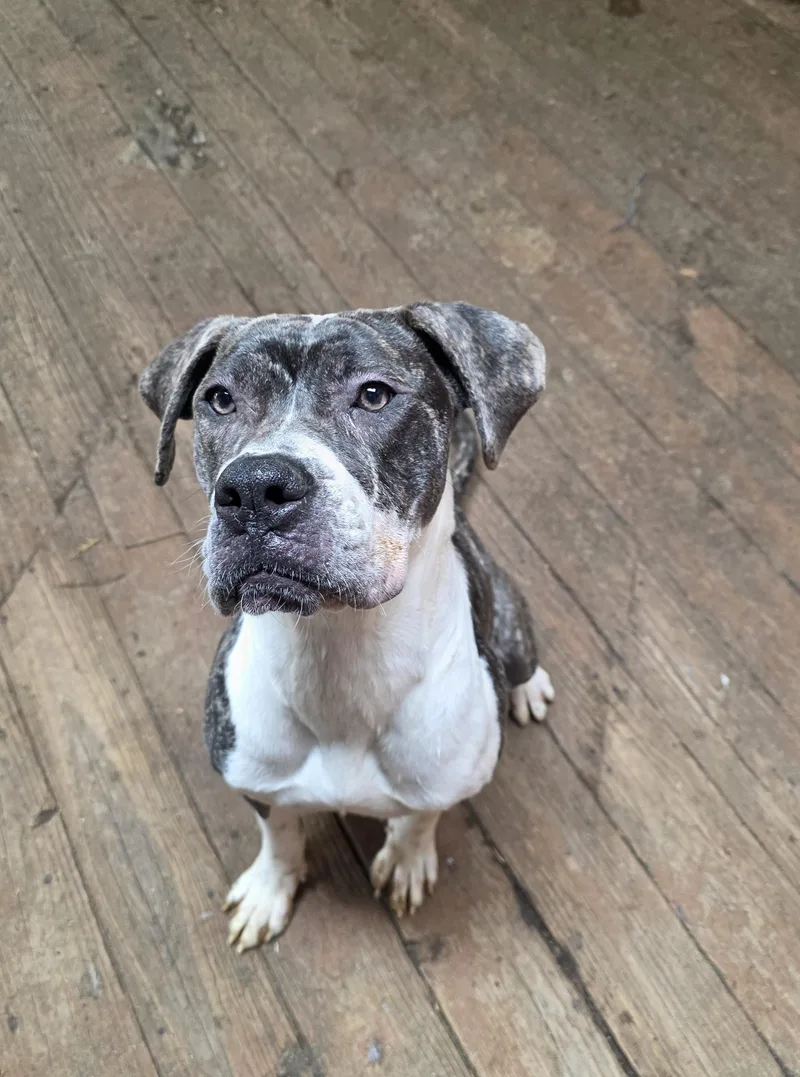
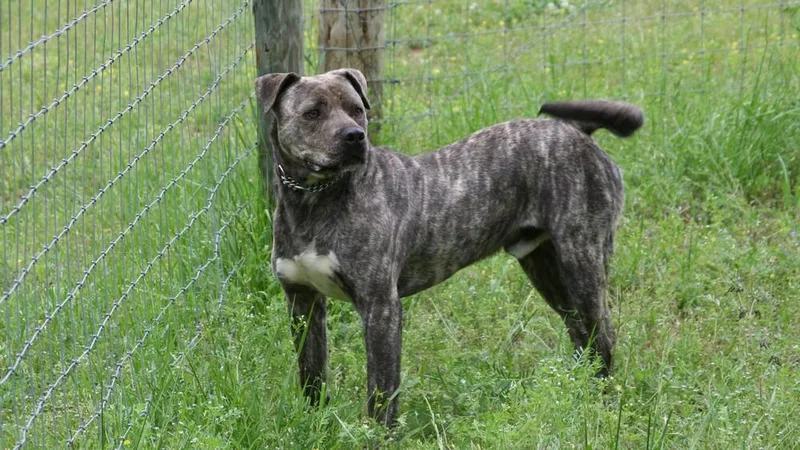
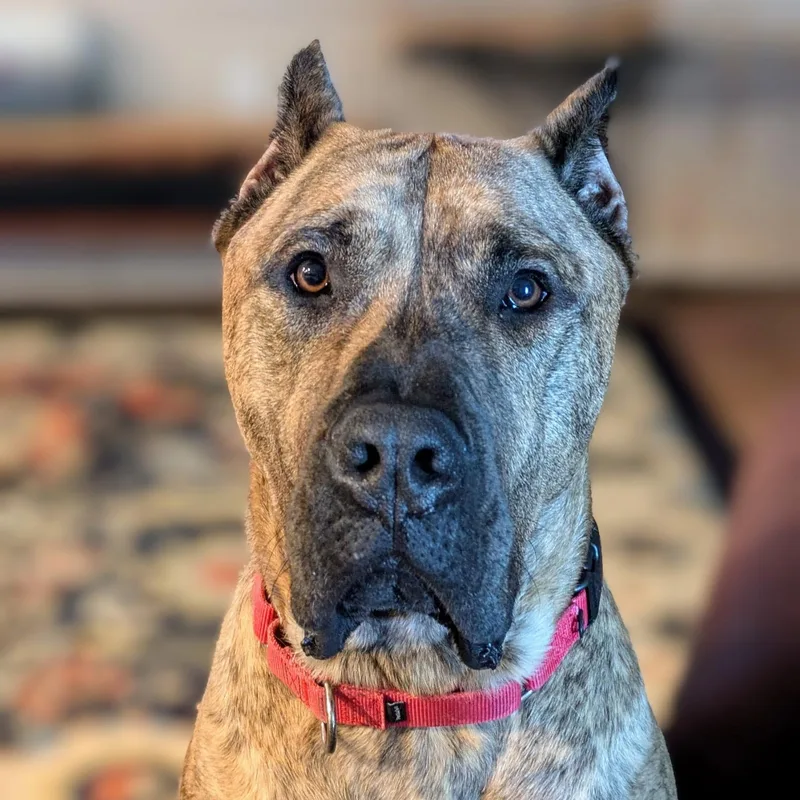
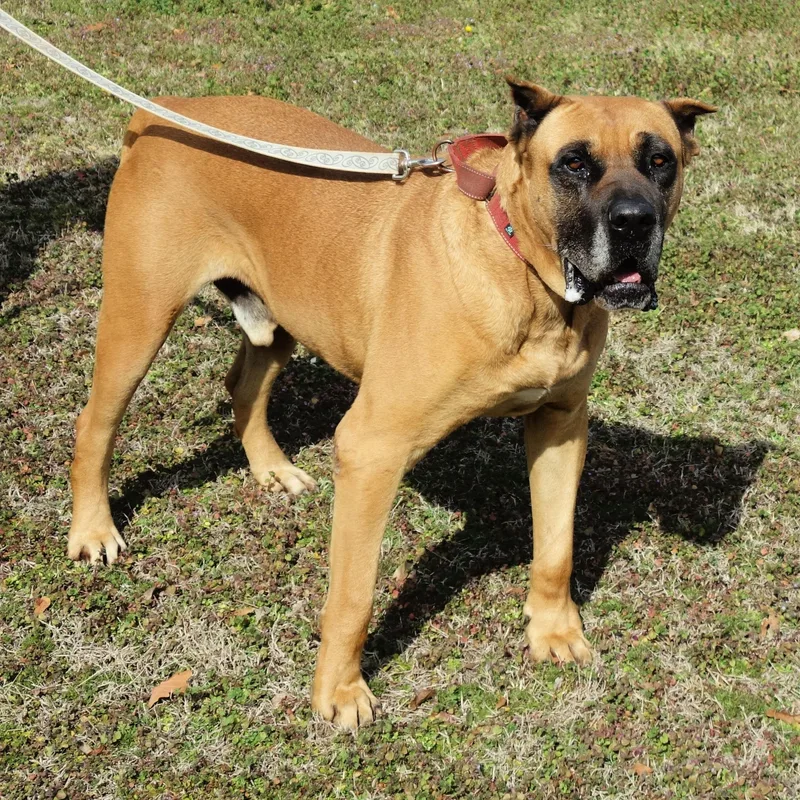
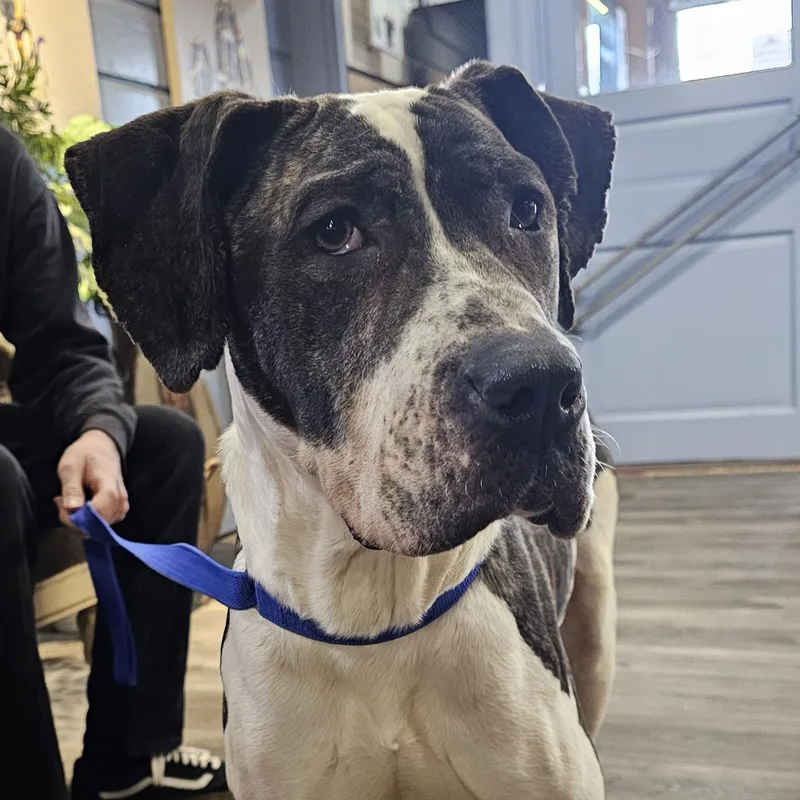
Farmers on Tenerife and Gran Canaria developed the Presa Canario to guard property and catch and hold cattle, and the name roughly means Canarian catch dog. The breed nearly vanished in the mid-twentieth century before being revived, and the American Kennel Club lists it in its Foundation Stock Service. Presas are massive, muscular mastiffs, typically 85 to 130 pounds, with a broad square head and a short, coarse coat in fawn, brindle or black that sheds moderately.

With their families, many Presas are steady and devoted, but guarding instinct and suspicion of strangers are typical, and some dogs don't accept other dogs, especially of the same sex. In a car-oriented city of mostly single-family homes like Cheyenne, that usually means secure fencing, reward-based training and careful management for the dog's whole life.

Weight
85–130 lbs
Height
22–26 in
Lifespan
8–11 yrs
Temperament
Protective, Confident, Loyal
Group
Working
Shedding
Moderate

Owning a Presa Canario in Cheyenne

Having a Presa Canario in Cheyenne

Power and a strong guarding instinct define the Presa Canario. In Cheyenne, that means planning for secure fencing, leashed outings, cold-season care and a calm daily routine. Each dog is different, but these basics help you judge whether the breed fits your household.

Temperament

Presas are often calm and affectionate with their own family while staying wary of unfamiliar people. Many guard territory without being asked, and some are intolerant of other dogs. Socialization and consistent, reward-based training help, but they don't replace careful management. In Cheyenne, plan for secure gates and a quiet routine when visitors come.

Exercise Needs

Most Presas need daily long walks, structured play and training rather than marathon runs. Cheyenne's leash rules apply on every park path and on the Greenway, so work on calm leash manners early. Scent games and obedience practice add mental exercise. Go easy on growing joints, and skip hard exercise right after meals.

Health Considerations

Presas can face hip and elbow dysplasia, dilated cardiomyopathy, epilepsy, demodectic mange and bloat, a life-threatening stomach emergency in deep-chested dogs. Lifespan studies vary, and some report fewer than eight years. Keep the dog lean, feed measured meals, and ask a veterinarian about hip, elbow and heart checks at the first visit.

Living Space

Most Cheyenne homes are single-family houses, which suits a Presa that needs a securely fenced yard and indoor family time. Shared hallways, elevators and busy sidewalks are harder with a large guarding dog. Space matters less than containment and control, so check lease and insurance rules before adopting.

What it costs to own a Presa Canario in Cheyenne

ExpenseTypical costPer year
Food$55 to $110 per month$660 to $1,320
Pet insurance$65 to $130 per month$780 to $1,560
Routine vet care$250 to $500 per year$250 to $500
Other*$475 to $1,250 per year$475 to $1,250
Estimated yearly total (after year one)$2,165 to $4,630

Other costs are estimates and vary with size, age and health.

* Flea, tick and heartworm prevention, a dental cleaning allowance, durable toys and a large bed, and minimal grooming for the short coat.

Adopt a Presa Canario in Cheyenne.

Now that you know more, let’s find you a new best friend. These rescues and shelters below have dogs available in and near Cheyenne.

Rescues and Shelters in or near Cheyenne

Cheyenne's rescue community includes a large nonprofit shelter and volunteer foster groups caring for dogs of every size and background. Here are the rescues & shelters in the Cheyenne area with dogs available for adoption, worth asking whether a Presa Canario is coming in.

Frequently Asked Questions

Yes, no breed ban or breed-specific rule is known in Cheyenne's city code. Dangerous-animal rules depend on a dog's behavior, and such a dog must be secured and muzzled. You'll need a rabies tag renewed yearly, and households can keep up to four dogs. Landlords and insurers may still restrict large guarding breeds, so confirm those first.

With some care, yes. Cheyenne has about 170 freezing nights and roughly 63 inches of snow a year, plus strong wind. A Presa's short coat and little undercoat offer limited protection, so use a coat on windy or sub-zero days, keep outings short, wipe ice melt from paws and let the dog sleep indoors.

No. Cheyenne Transit Program buses are free to ride, but the rider code allows only service animals, and a service animal can't occupy a seat. Pets aren't permitted on board. Plan on driving your Presa, using a secure crate or harness, and never leave the dog unattended in a vehicle.

Stick to leashed walks, since no off-leash dog park is open right now. The Greater Cheyenne Greenway, with nearly 50 miles of trail, Lions Park by Sloans Lake and Holliday Park suit a Presa on a sturdy leash no longer than six feet on the Greenway. Go at quieter hours and keep distance from other dogs.

For an experienced adopter with a securely fenced yard, it can be. Cheyenne's mostly single-family homes and car-friendly layout help, and mild summers suit a heat-sensitive mastiff. Long, windy winters need coats and paw care, and leash rules apply everywhere. It's a poor fit for anyone who wants off-leash freedom or a crowded, shared-entry building.

Don't count on it. Patio policies are set by each restaurant, and pet dogs generally aren't allowed in indoor dining rooms. A large, wary guarding dog is also hard to manage at a crowded table. Call ahead before any outing, and practice calm settling at home first, because a Presa is often happier left in a secure yard.

Very little. The short, coarse coat needs a weekly brush, more often during spring shedding, plus regular nail trims. Cheyenne's dry air and wind can irritate skin, so watch for flaking, and check paws after snowy walks. Minimal grooming is already included in the yearly Other cost range, so a pro groomer isn't required.

A Presa Canario is a large, powerful mastiff breed from Spain's Canary Islands, developed to guard farms and to catch and hold cattle. Presas have a broad, square head, a short coarse coat in fawn, brindle or black, and a muscular body. Many are devoted to family and wary of strangers, so they need experienced, consistent handling.

Presa Canarios can be dangerous in the wrong circumstances because they are powerful, territorial guardians, and poorly managed dogs have caused serious attacks. Many Presa Canarios are stable and gentle with their family. Risk depends heavily on genetics, socialization, training and containment. They are best matched with experienced owners who manage visitors and other dogs carefully.

Plan on roughly $2,200 to $4,600 a year for a Presa Canario in Cheyenne, before emergencies. That covers food at $55 to $110 a month, insurance at $65 to $130 a month, routine vet care at $250 to $500 a year, and other yearly costs of $475 to $1,250. Cheyenne has no city dog license fee.

Explore Other Breeds in Cheyenne

Looking for a different breed? Browse other dogs available for adoption in Cheyenne.