Foxhound Dogs for Adoption in Cheyenne, WY

Your guide to finding and caring for a Foxhound in Cheyenne

Foxhounds suit Cheyenne's big-yard neighborhoods better than its apartment blocks. Capitol North's older homes have large lots, and the Greenway runs along Dry Creek and Crow Creek for long leashed walks. A Foxhound will happily cover miles of it, nose down, so a sturdy leash matters. Fences matter too, since a hound that catches a scent on the prairie wind can slip through a gap. That bay carries, so a house with some distance from the neighbors beats a shared wall.

159 Foxhounds available in Cheyenne and nationwide

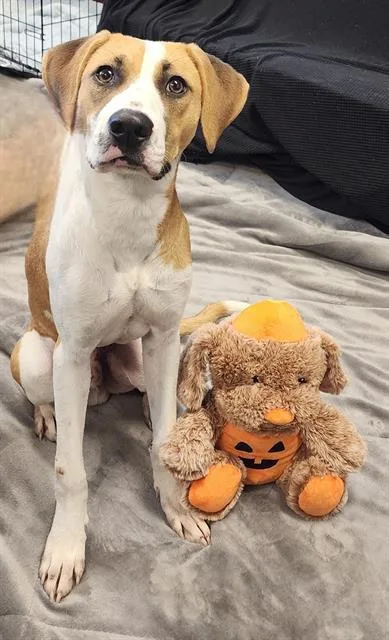
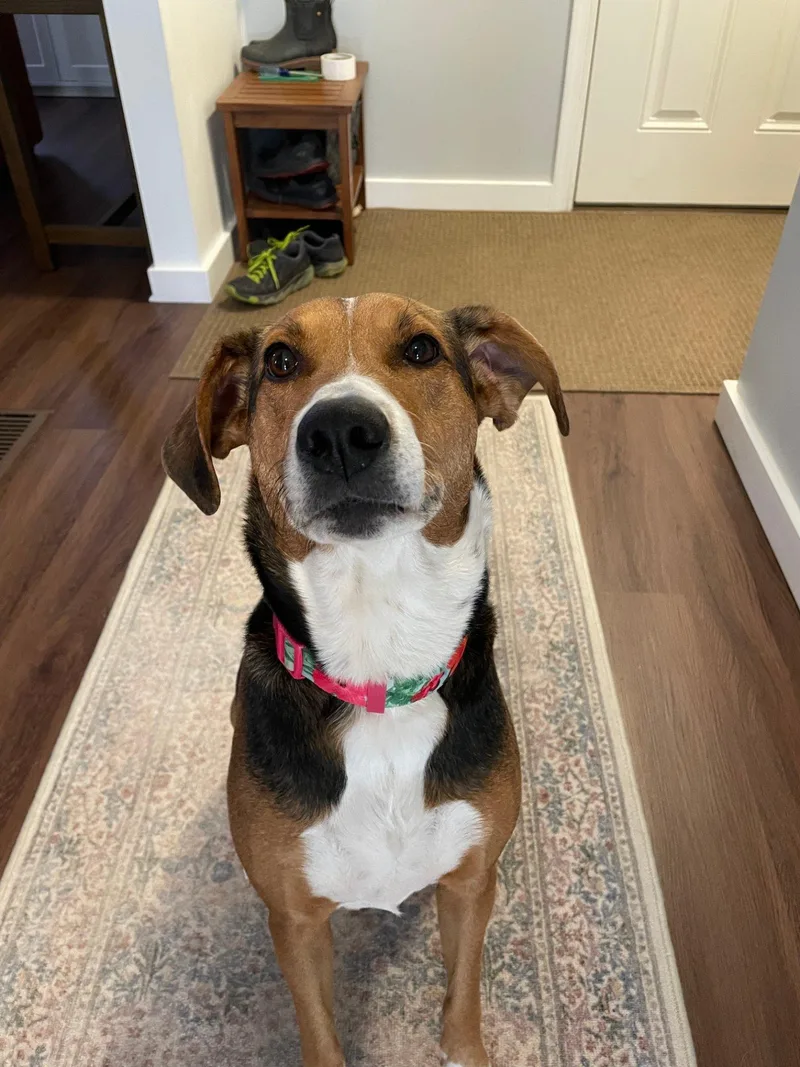
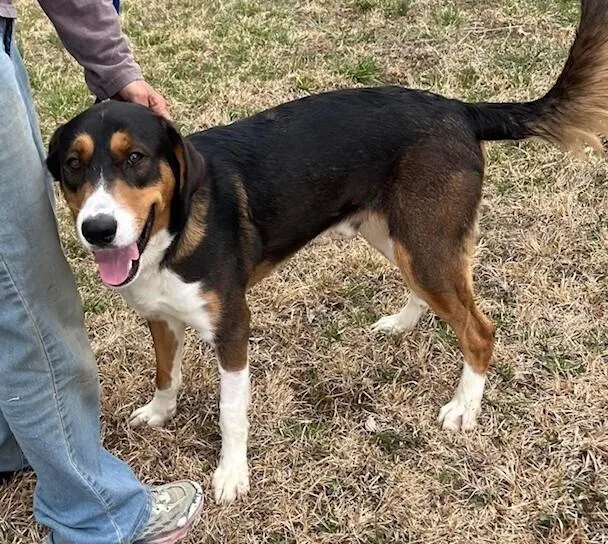
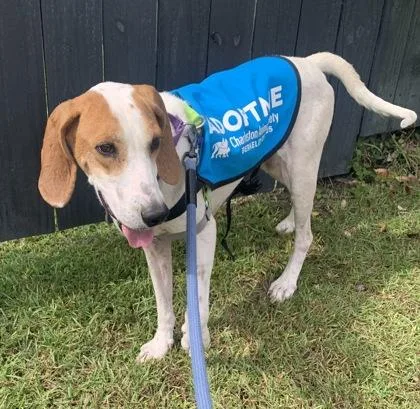
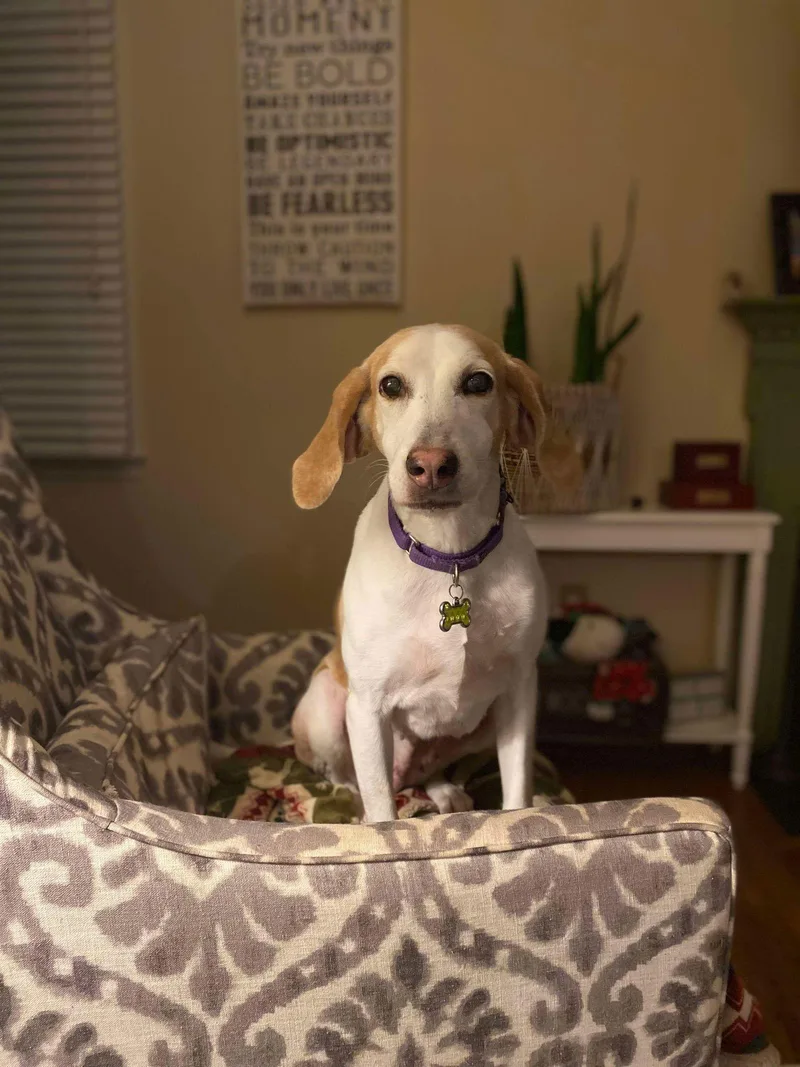
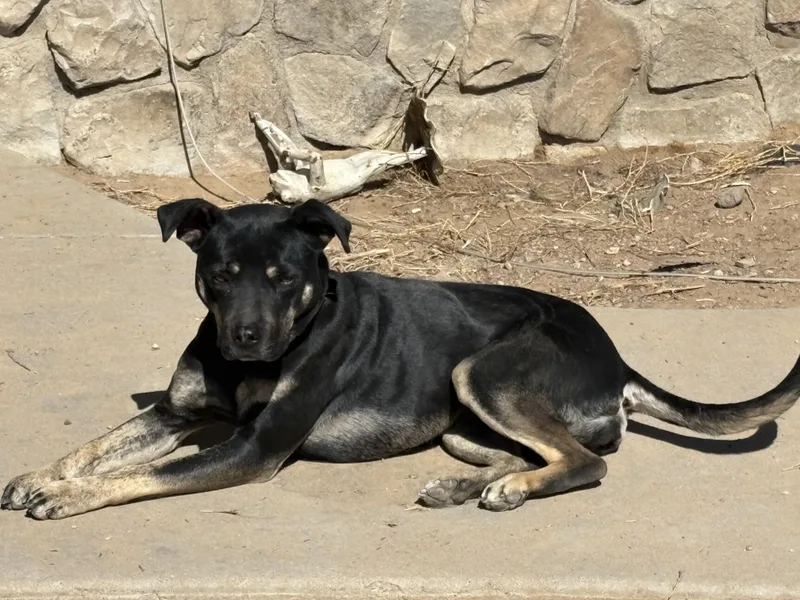
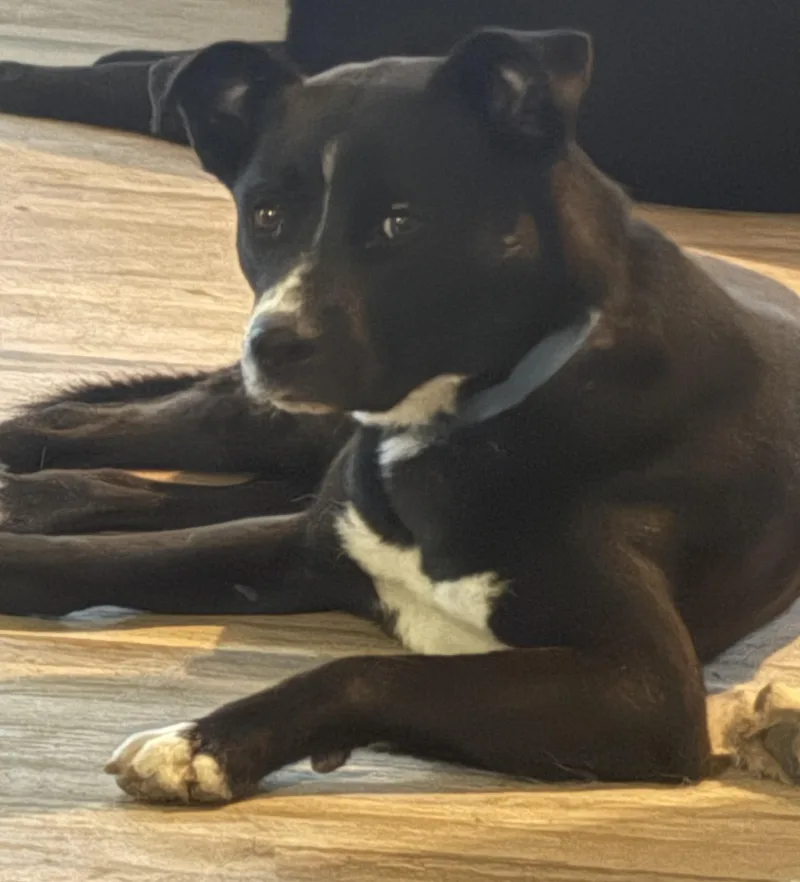
Say hello to your Foxhound

While we don't have enough dogs near Cheyenne, keep in mind that many rescues may offer transport.

Foxhounds Available for Adoption Near Cheyenne

About the Foxhound breed

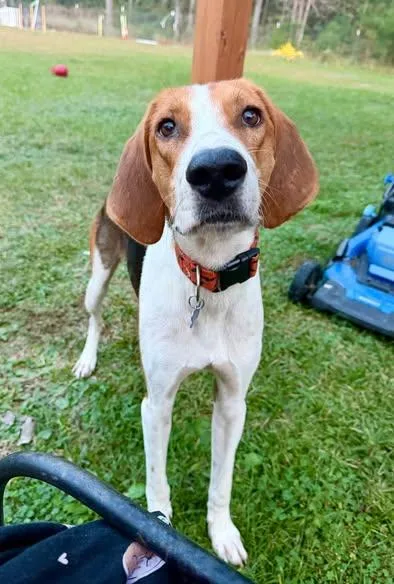
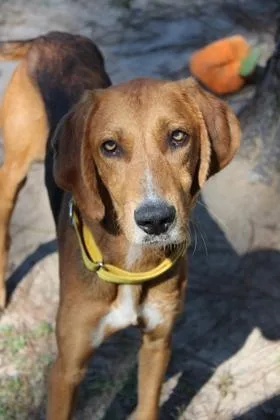
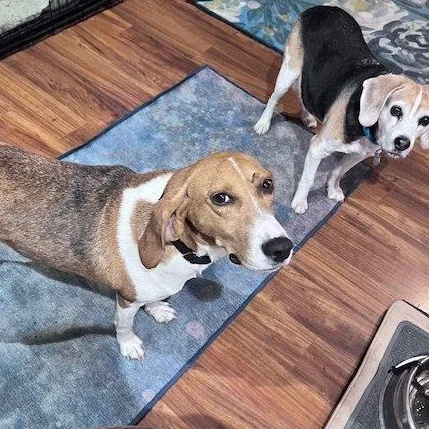
Foxhounds are scent hounds bred to follow a trail for hours at a steady gallop. The American Foxhound, a lighter and rangier dog, developed in colonial Maryland and Virginia, while the English Foxhound is heavier-boned with roots in British hunts. Both have a short, hard coat, usually black, white and tan, with long ears and a deep chest built for stamina.

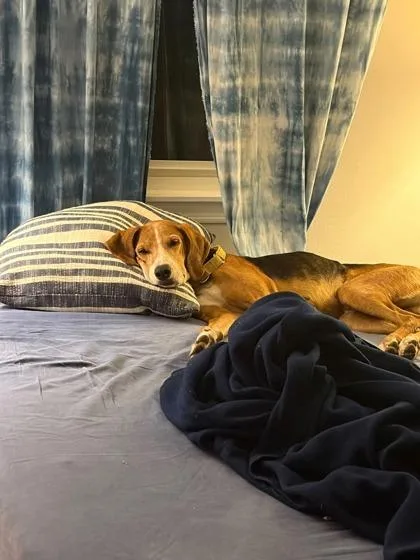
Many are sweet, easygoing and good with other dogs, thanks to generations of pack life. They're also independent, nose-driven and loud, with a musical bay that carries. In Cheyenne's open, windy country, that nose is the main thing to plan around. Some hounds arrive from hunting packs and have never lived indoors, so house training and patience come first, and each dog's personality varies.

Weight
55–75 lbs
Height
21–25 in
Lifespan
10–13 yrs
Temperament
Gentle, Easygoing, Social, Independent
Group
Hound
Shedding
Moderate

Owning a Foxhound in Cheyenne

Having a Foxhound in Cheyenne

A Foxhound combines stamina, a strong nose and a carrying voice with a mellow side at home. In Cheyenne, wind, snow and mostly leashed public spaces shape how that energy gets spent, so a fenced yard and a steady routine count for a lot.

Temperament

Foxhounds are typically gentle, social and tolerant with people and other dogs, though each hound differs. Independence can look like stubbornness, and a fresh scent can beat any command. Dogs from hunting packs may be shy indoors at first. Since dogs must stay leashed in Cheyenne's public spaces, a calm leash habit matters more than off-leash recall.

Exercise Needs

Plan on long daily walks, or jogs once the dog is mature, plus scent games and hidden treats at home. Cheyenne's Greenway offers nearly 50 miles of leashed walking, and with no off-leash dog park open, fenced-yard time and nose work fill the gap. Windy or snowy days call for indoor games.

Health Considerations

Foxhounds are generally robust, but hip dysplasia occurs and American Foxhounds can inherit thrombocytopathy, a platelet disorder affecting clotting. Long ears trap moisture and invite infections, and food-loving hounds gain weight easily. A veterinarian can check hips and ears and discuss clotting before any surgery. After winter walks, check paws for packed snow and ice melt.

Living Space

A house with a tall, secure fence suits most Foxhounds, and Cheyenne has plenty of detached homes with yards. Apartments can work for a calm adult, but the deep bay may carry through thin walls, and city code bars excessive, continuous or untimely barking, whining or howling. Dogs from kennels need patience indoors.

What it costs to own a Foxhound in Cheyenne

ExpenseTypical costPer year
Food$55 to $110 per month$660 to $1,320
Pet insurance$55 to $110 per month$660 to $1,320
Routine vet care$250 to $500 per year$250 to $500
Other*$475 to $1,250 per year$475 to $1,250
Estimated yearly total (after year one)$2,045 to $4,390

Other costs are estimates and vary with size, age and health.

* Flea, tick and heartworm prevention, a dental cleaning allowance, the annual rabies tag, toys and bedding, and minimal grooming for a short hound coat; Cheyenne has no dog license fee.

Adopt a Foxhound in Cheyenne.

Now that you know more, let’s find you a new best friend. These rescues and shelters below have dogs available in and near Cheyenne.

Rescues and Shelters in or near Cheyenne

Cheyenne's rescue community pairs a large nonprofit shelter with volunteer, foster-based groups that help dogs find homes. Here are the rescues & shelters in the Cheyenne area with dogs available for adoption, worth asking whether a Foxhound is coming in.

Frequently Asked Questions

Yes. Cheyenne's animal code has no known breed ban or breed-specific rule, and dangerous-animal rules depend on a dog's behavior rather than its breed. Expect a rabies vaccination at four months, a rabies tag renewed every year, and a limit of four dogs per home. Other Wyoming towns can set their own breed rules, so city limits matter.

Most healthy Foxhounds can, with some help. Their short coat offers little insulation, and the city sees about 170 freezing nights a year, roughly 63 inches of snow and frequent wind. Use a coat on windy or sub-zero days, shorten walks, wipe off ice melt, and keep the dog indoors overnight.

The Greater Cheyenne Greenway is the top pick, with nearly 50 miles of paved trail where dogs must stay leashed; underpasses can flood in bad weather. Lions Park, Holliday Park and North Cheyenne Community Park also work for leashed sniffing walks. No off-leash dog park is open right now, so keep a Foxhound's nose on a leash outside a fenced yard.

No. Cheyenne Transit Program buses are free to ride but allow only service animals, so a pet Foxhound can't board, and comfort animals don't count as service animals. Plan on driving to the Greenway, parks and vet visits. Keep the dog inside the vehicle, since city code bars dogs in truck beds unless carried in a carrier; a tether doesn't count.

It can be, for active people with a fenced yard. Cheyenne's older neighborhoods and many detached houses offer room, the Greenway gives long leashed walks, and cool summers are easy on a hound. Wind, snow and driving to run errands take planning, and the bay needs tolerant neighbors, since the city bars excessive or untimely barking, whining or howling.

Sometimes, on a patio, but don't count on it. Patio policies vary by restaurant, and indoor dining rooms are generally off-limits to pet dogs; only service animals are allowed. A bay or a nose drawn to food smells can make a Foxhound a tricky dinner guest, so a short leash and a settled dog help. Otherwise, leave the dog at home.

Very little. A weekly brush handles the short, hard coat and moderate shedding. Cheyenne's dry air and winter wind call for checking paws for ice melt and packed snow, and long ears need regular cleaning. Grooming stays minimal and fits within the yearly Other range of about $475 to $1,250, which also covers parasite prevention and dental care.

Yes, the American Foxhound is Virginia's official state dog, designated in 1966. The choice reflects the breed's deep roots in the state, where colonial landowners, including George Washington at Mount Vernon, bred and hunted with foxhounds. Virginia's long tradition of mounted fox hunting kept the breed closely tied to the region, even though it is uncommon in most American homes today.

A Foxhound is a medium-large scent hound bred to hunt foxes in packs, following a scent trail for hours while baying to signal the hunters. The name covers two breeds, the American Foxhound and the English Foxhound. Both have short, hard coats, long ears and athletic builds, with the English type heavier and the American type taller and leaner.

Expect roughly $55 to $110 a month for food, $55 to $110 a month for pet insurance, $250 to $500 a year for routine vet care, and about $475 to $1,250 a year for other costs such as parasite prevention and dental care. Cheyenne has no city dog license fee, so none is counted.

Find Foxhounds in Nearby Cities

Expand your search to find Foxhounds available for adoption near Cheyenne.

Explore Other Breeds in Cheyenne

Looking for a different breed? Browse other dogs available for adoption in Cheyenne.