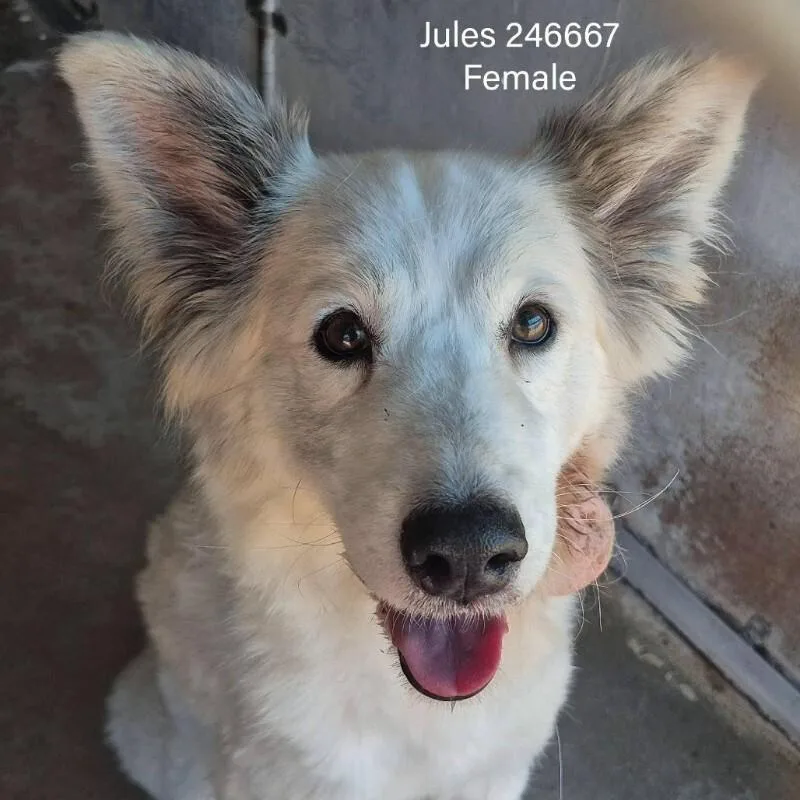
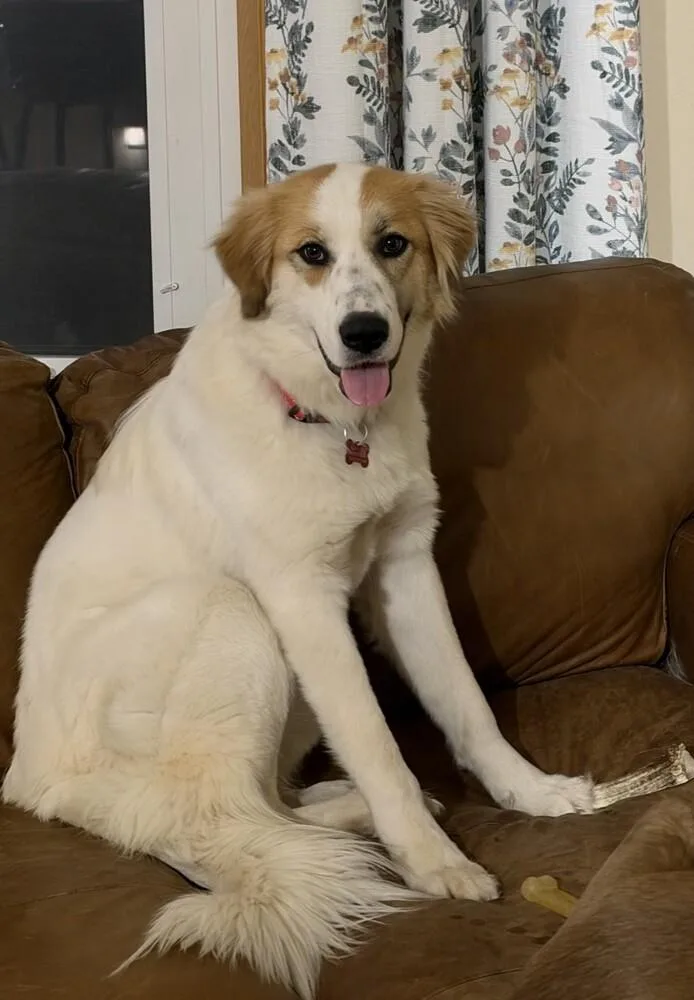
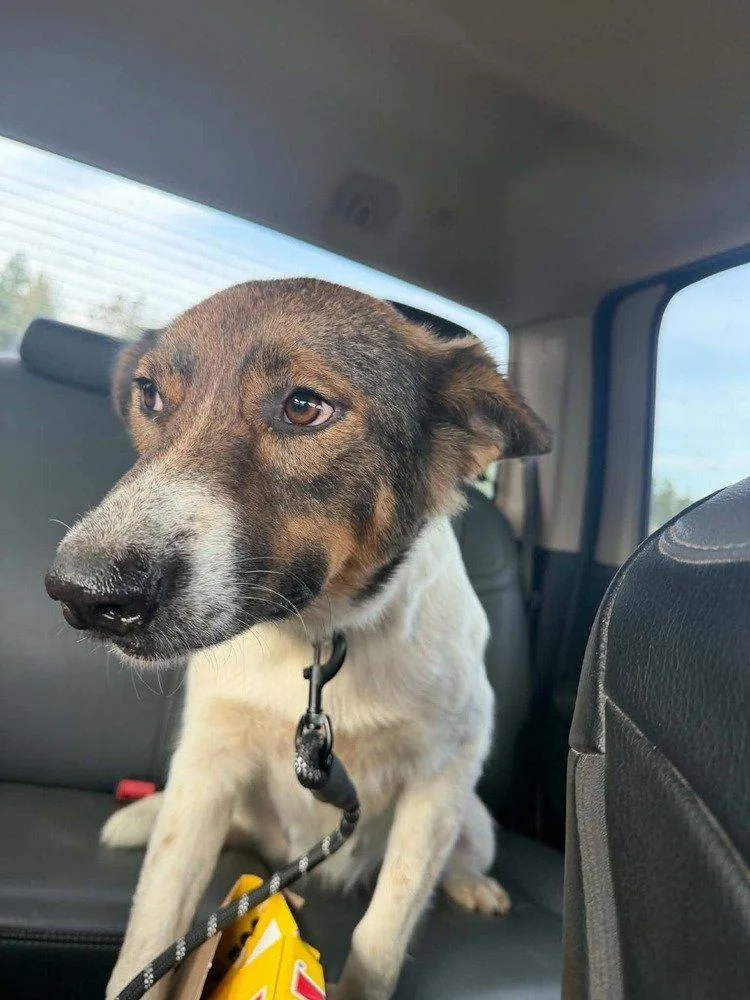
Australian Shepherd dog

Australian Shepherd Dogs for Adoption in Cheyenne, WY

Your guide to finding and caring for an Australian Shepherd in Cheyenne

Australian Shepherds suit Cheyenne's active, open side, as long as they get real work every day. The Greenway corridors along Dry Creek and through Saddle Ridge make daily leashed miles easy, and most homes here are houses with yards, which helps a dog that likes to patrol. Aussies are smart and watchful, and they get restless on short walks. Wind off the plains can turn a spring outing into a workout. Plan on training time, not just walks.

2695 Australian Shepherds available in Cheyenne and nationwide

Bring home an Australian Shepherd

Australian Shepherds Available for Adoption Near Cheyenne

About the Australian Shepherd breed

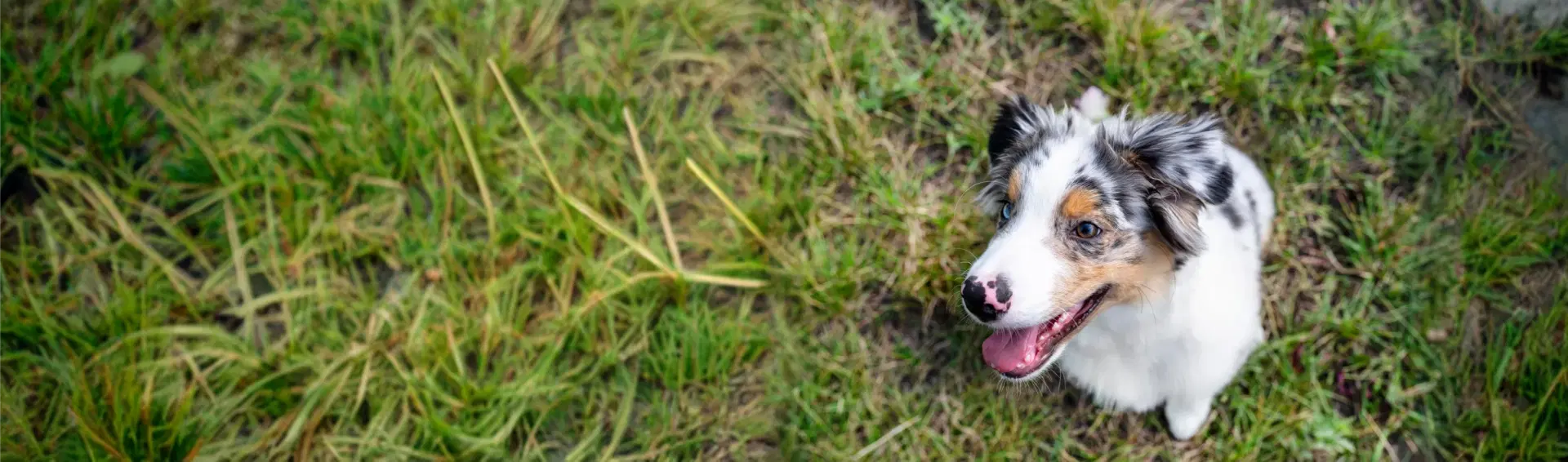
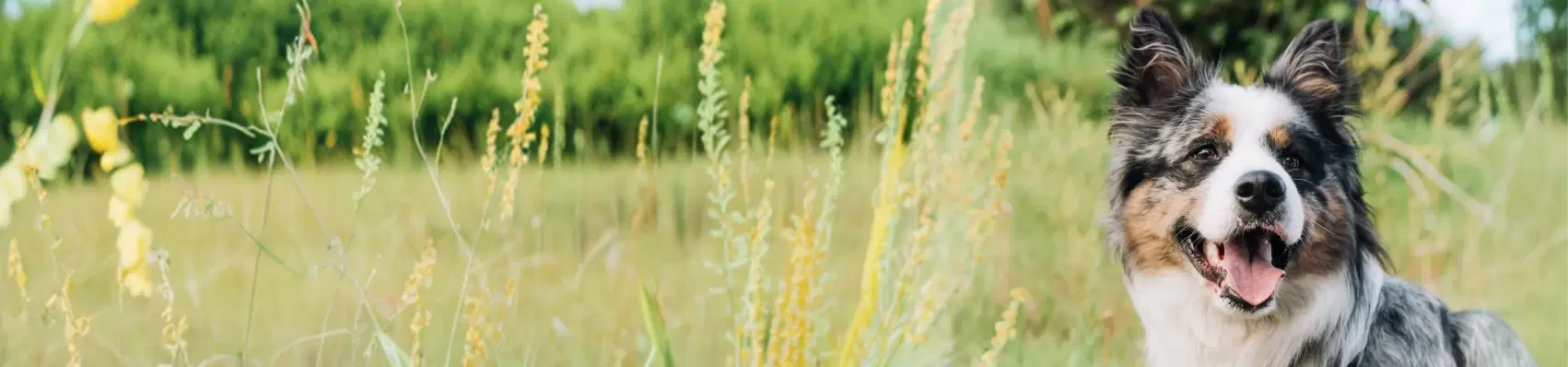
The Australian Shepherd is a medium-sized herding dog, usually 40 to 65 pounds, with a weather-resistant double coat in blue merle, red merle, black or red, often with white and tan trim. Its eyes can be brown, blue, amber or a mix. Despite the name, the breed developed on ranches in the American West, where it moved sheep and cattle all day.

That working past explains a lot at home. Many Aussies learn quickly, bond closely with family and stay reserved with strangers, and they tend to want a job. Herding instinct can show up as heel nipping or rounding up children. Moderate to heavy shedding is normal, with a big seasonal blowout. Aussies live 12 to 15 years, so adopting one is a long commitment to training and activity.

Weight
40–65 lbs
Height
18–23 in
Lifespan
12–15 yrs
Temperament
Intelligent, Energetic, Loyal, Protective
Group
Herding
Shedding
Moderate to High

Owning an Australian Shepherd in Cheyenne

Having an Australian Shepherd in Cheyenne

Aussies pair a sharp mind with an athletic body, and Cheyenne's long trail network and yard-heavy housing give that energy somewhere to go. Cold, wind and a short, mild summer rarely trouble a dog with this kind of coat.

Temperament

Australian Shepherds are typically loyal, tuned in to your moods and reserved with strangers. In Cheyenne, that watchfulness can mean barking at passersby, and the city's barking rule covers excessive, continuous noise. Herding habits like heel nipping vary from dog to dog. Early socialization and steady training help most Aussies settle.

Exercise Needs

Plan on an hour or more of vigorous activity a day, plus training. Leashed runs on the Greater Cheyenne Greenway, nearly 50 miles of trail, are the easiest outlet. Cheyenne has no open off-leash dog park, so fetch in a fenced yard, puzzle toys, agility-style games and trick training fill the gap.

Health Considerations

Aussies can inherit eye disease, epilepsy, hip dysplasia and the MDR1 gene variant that makes some common drugs risky. A veterinarian can test for MDR1 and check eyes and hips, and should know the result before any sedation or parasite treatment. Cheyenne's yearly rabies tag renewal pairs naturally with an annual checkup.

Living Space

Detached houses make up most of Cheyenne's housing, so a fenced yard is realistic for many adopters. Even so, an Aussie needs engagement more than square footage. Fence securely, since herding drive and loud noises can send a dog bolting, and supervise time with small children. Apartments can work for committed, active owners.

What it costs to own an Australian Shepherd in Cheyenne

ExpenseTypical costPer year
Food$35 to $70 per month$420 to $840
Pet insurance$55 to $100 per month$660 to $1,200
Routine vet care$225 to $450 per year$225 to $450
Other*$525 to $1,350 per year$525 to $1,350
Estimated yearly total (after year one)$1,830 to $3,840

Other costs are estimates and vary with size, age and health.

* Flea, tick and heartworm prevention, a dental cleaning allowance, toys and bedding, and brushing or grooming for a heavy seasonal shed; Cheyenne has no city dog license.

Australian Shepherd dog

Adopt an Australian Shepherd in Cheyenne.

Now that you know more, let’s find you a new best friend. These rescues and shelters below have dogs available in and near Cheyenne.

Rescues and Shelters in or near Cheyenne

Cheyenne's adoptable dogs come through the city's animal shelter and foster-based rescues, all listed below. Here are the rescues & shelters in the Cheyenne area with dogs available for adoption, worth asking whether an Australian Shepherd is coming in.

Frequently Asked Questions

Yes, Cheyenne has no known breed bans or breed-specific rules, so Australian Shepherds are welcome. Rules focus on behavior: dogs must stay under restraint, and dangerous animals must be secured and muzzled. Dogs four months and older need a rabies vaccination and a tag renewed every year, and a home can have up to four dogs.

Yes, most Aussies handle Cheyenne winters well thanks to their weather-resistant double coat. The city sees about 170 freezing nights and roughly 63 inches of snow a year, plus frequent wind. Shorten walks on sub-zero, windy days, wipe ice-melt from paws and keep your dog indoors overnight. Spring snowstorms can follow warm days.

The Greater Cheyenne Greenway, nearly 50 miles of trail, is the top pick for leashed runs. Lions Park around Sloans Lake, Holliday Park and North Cheyenne Community Park add variety. Dogs must be leashed at all of them, and Cheyenne has no open off-leash dog park, so pair outings with fenced-yard fetch and training.

Plan on brushing a few times a week, and daily during the heavy seasonal shed, usually in spring. Cheyenne's dry air, wind and snow can mat the feathering behind the ears and legs and pack snow between paw pads. Don't shave the coat. The Other budget of $525 to $1,350 a year covers brushing supplies or occasional grooming.

No, Cheyenne Transit Program buses allow only service animals, so an Australian Shepherd can't ride along as a pet. Fares are free, but pets and comfort animals don't qualify. Cheyenne is car-dependent, so plan to drive to trails and the vet, with your dog secured inside the vehicle rather than loose in a truck bed.

Sometimes outdoors, but not indoors. Patio policies are up to each restaurant, so don't count on access, and pet dogs generally aren't allowed in dining rooms apart from service animals. A reserved Aussie that barks at strangers may find a busy patio hard, so practice settling on a mat first and keep the dog leashed.

Yes, for active adopters. Cheyenne's Greenway, mostly detached housing with yards and mild summers suit a high-energy dog with a thick coat. The trade-offs are no open off-leash park, car-dependent errands, wind and long winters. If you enjoy training and daily outdoor time, an Aussie can fit well; couch-based households usually won't.

An Australian Shepherd is a medium-sized, athletic dog with a moderately long, slightly wavy double coat, feathered legs and a mane around the neck. Colors include blue merle, red merle, black and red, often with white and copper markings. Many have blue, amber or mixed-color eyes, and the tail is naturally bobbed, docked or left long.

Australian Shepherds are medium-sized dogs. Males usually stand 20 to 23 inches at the shoulder and weigh about 50 to 65 pounds, while females stand 18 to 21 inches and weigh about 40 to 55 pounds. Working-line dogs are often leaner than show-line dogs. Smaller dogs of similar type are usually Miniature American Shepherds, a separate breed.

Expect roughly $1,830 to $3,840 a year for an Aussie in Cheyenne across food, insurance, routine vet care and other costs. Food runs $35 to $70 a month and insurance $55 to $100. Routine vet care is $225 to $450 a year. Cheyenne has no city dog license, and one-time purchases like a crate come on top.

Explore Other Breeds in Cheyenne

Looking for a different breed? Browse other dogs available for adoption in Cheyenne.